
Material specially prepared for Radozhiva by Rodion Eshmakov.

TTArtisan 75/1.5.
The Chinese-made TTArtisan 75/1.5 full-frame lens was unveiled on September 24, 2024, and is a spiritual continuation of the classic lens line with a modern design, the first of which was the TTArtisan 100/2.8. The TTArtisan 75/1.5 is marketed as a counterpart to the rare and expensive Carl Zeiss Jena Biotar 75/1.5, known for its distinctive bokeh with pronounced background swirling. Like its ancestor, the Chinese lens is fully compatible with DSLR cameras and even features the older M42x1 thread mount.
Today, this is not the only such lens available new: even earlier, in 2012, the KMZ named after Zverev (the Zenit plant) resumed production of the USSR-developed Helios-40-2 85/1.5 lens with M42, Canon EF, and Nikon F mounts (also released under the name Meyer Optik Somnium 85/1.5). At the end of 2022, the Zenitar 75/1.4 "Helios Edition" lens with a Sony E bayonet mount, designed by renowned optician Vladimir Bogdankov , was released . Nevertheless, due to its low cost (<$300), modern design, and high availability, it is the TTArtisan 75/1.5 that has become the most popular clone of the original Biotar 75/1.5. It's worth keeping in mind that the widely known Helios-40 lens is even less expensive on the used market and has a large following. Therefore, it's especially interesting to compare the Chinese TTArtisan 75/1.5 and Helios-40-2 directly, which is what we've done in this article. The lenses for this review (TTArtisan 75/1.5 and Helios-40-2C) were provided by Andrei Andreev (Inst: andreev.film).
Technical specifications
Optical design – 6 lenses in 4 groups, “double Gauss”; 2 elements made of high refractive index glass (most likely n>1.8);
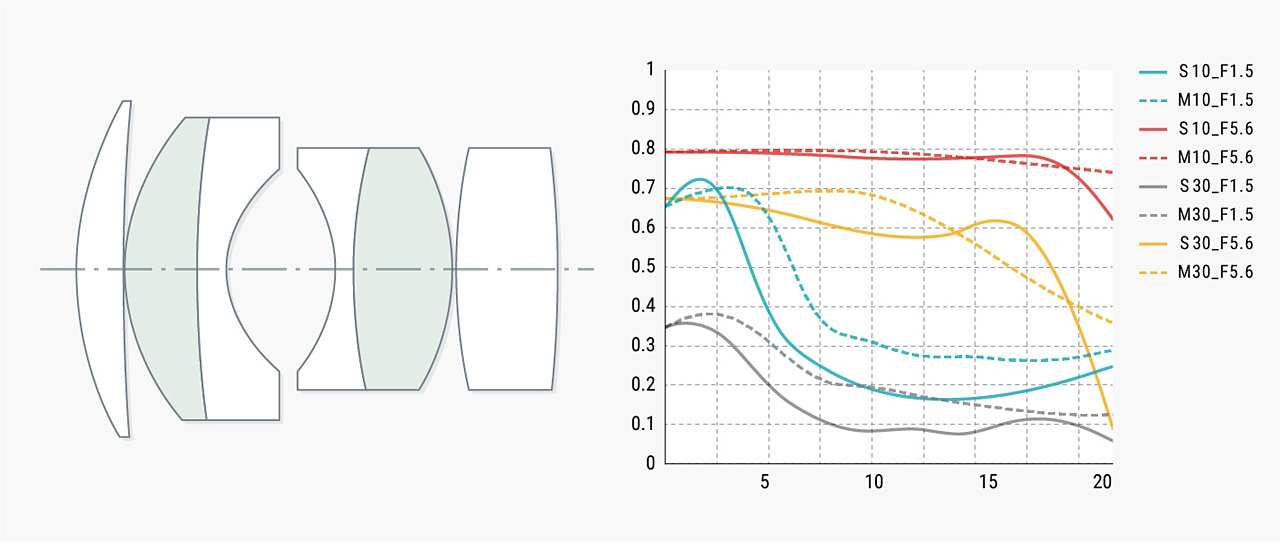
Optical diagram and MTF chart of the TTArtisan 75/1.5 lens.
Focal length - 75 mm;
Relative aperture – F/1.5 (note: corresponds to the declared one);
Estimated frame format - 36 × 24 mm;
Calculated field of view angle – 32°;
Aperture limits - F / 1.5 - F / 16;
Aperture – 13 blades, click switching;
Focusing method: manual;
The minimum focusing distance is 0.75 m;
Thread for filters – M58×0.75;
Camera mount – thread M42×1.
Weight – ~600 g;
Dimensions – 70×71 mm.
Design and execution
The TTArtisan 75/1.5 lens is constructed entirely of glass and metal. The barrel is styled after Carl Zeiss Jena lenses from the 1950s and is anodized black. The lens is also available in a matte silver-gray finish, vaguely reminiscent of the "white" lenses (a term particularly popular with Soviet lenses such as the Helios-44 , Tair-11 , and Jupiter-9 ) from the 1930s-1950s. The lens's build quality is superb—the moving parts move smoothly, there's no play, the coating is evenly applied, and the markings are engraved into the metal rather than simply painted.

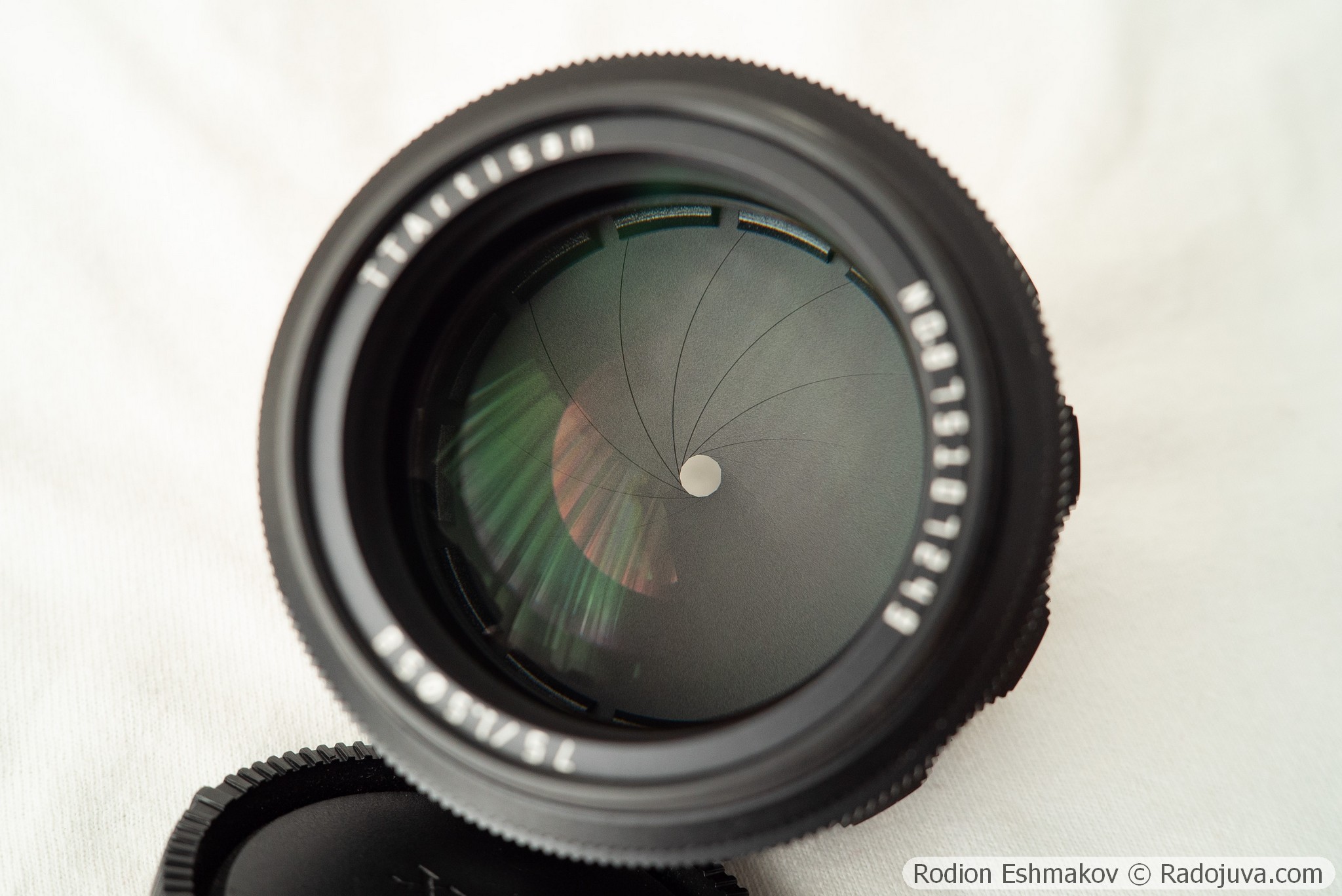
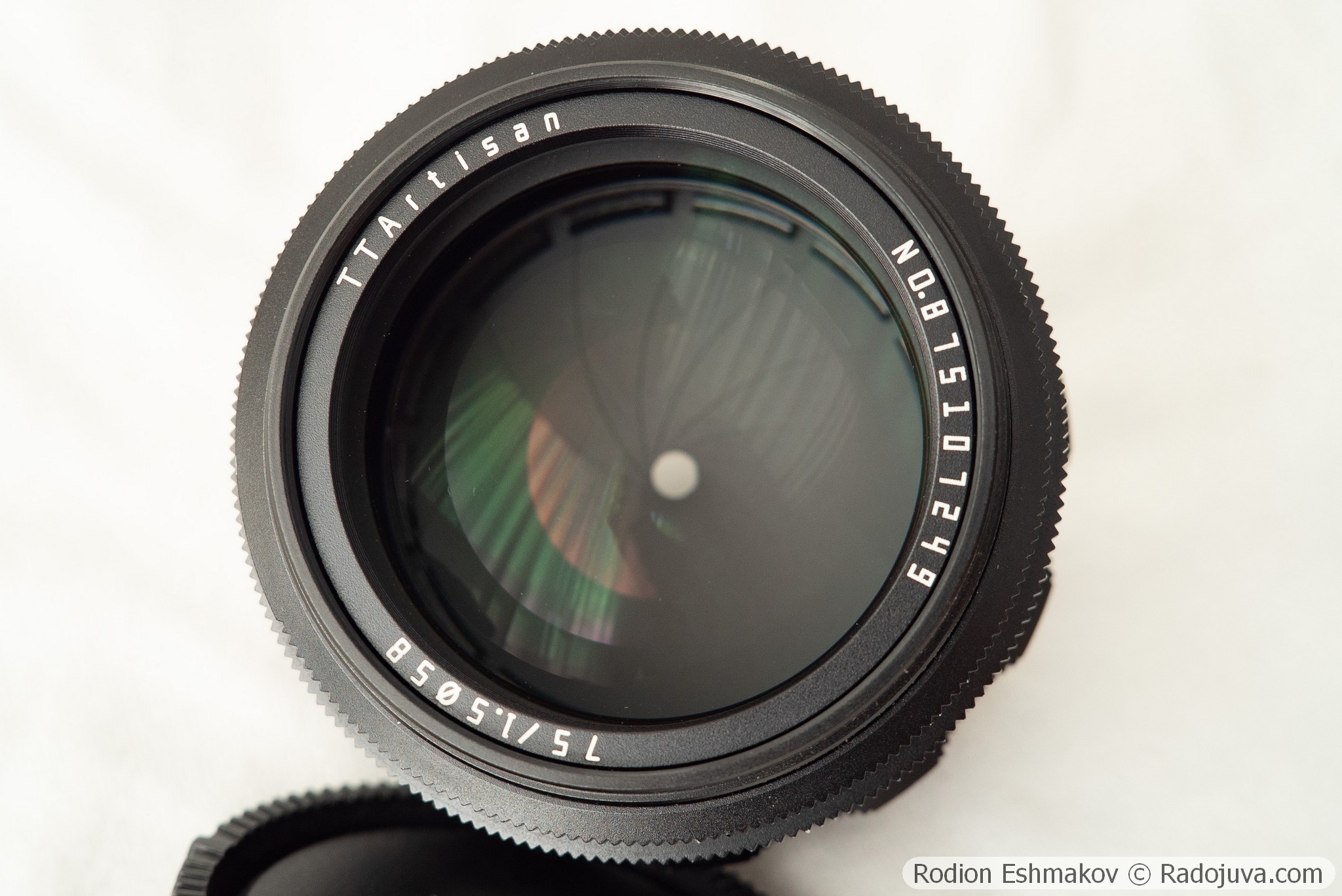
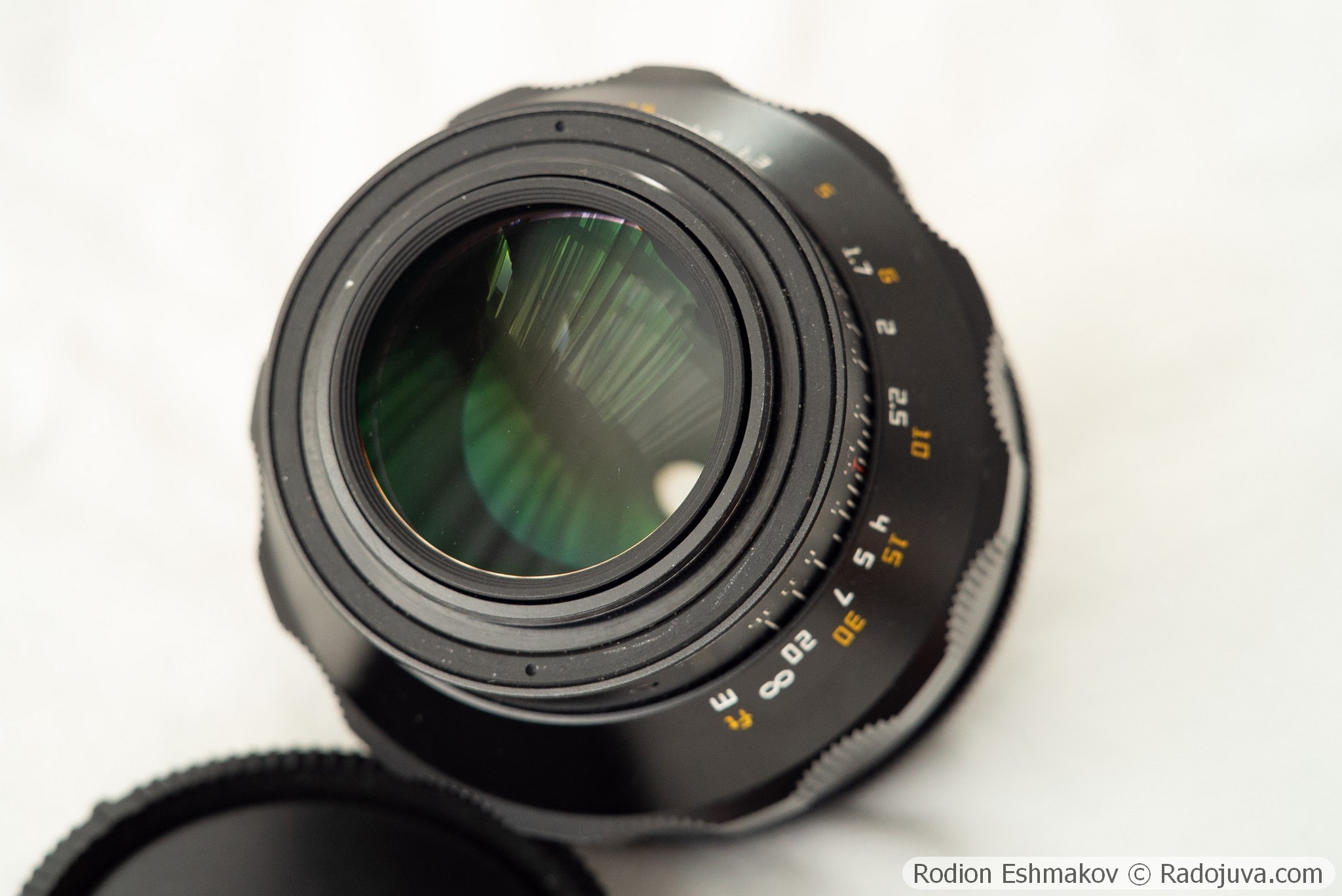
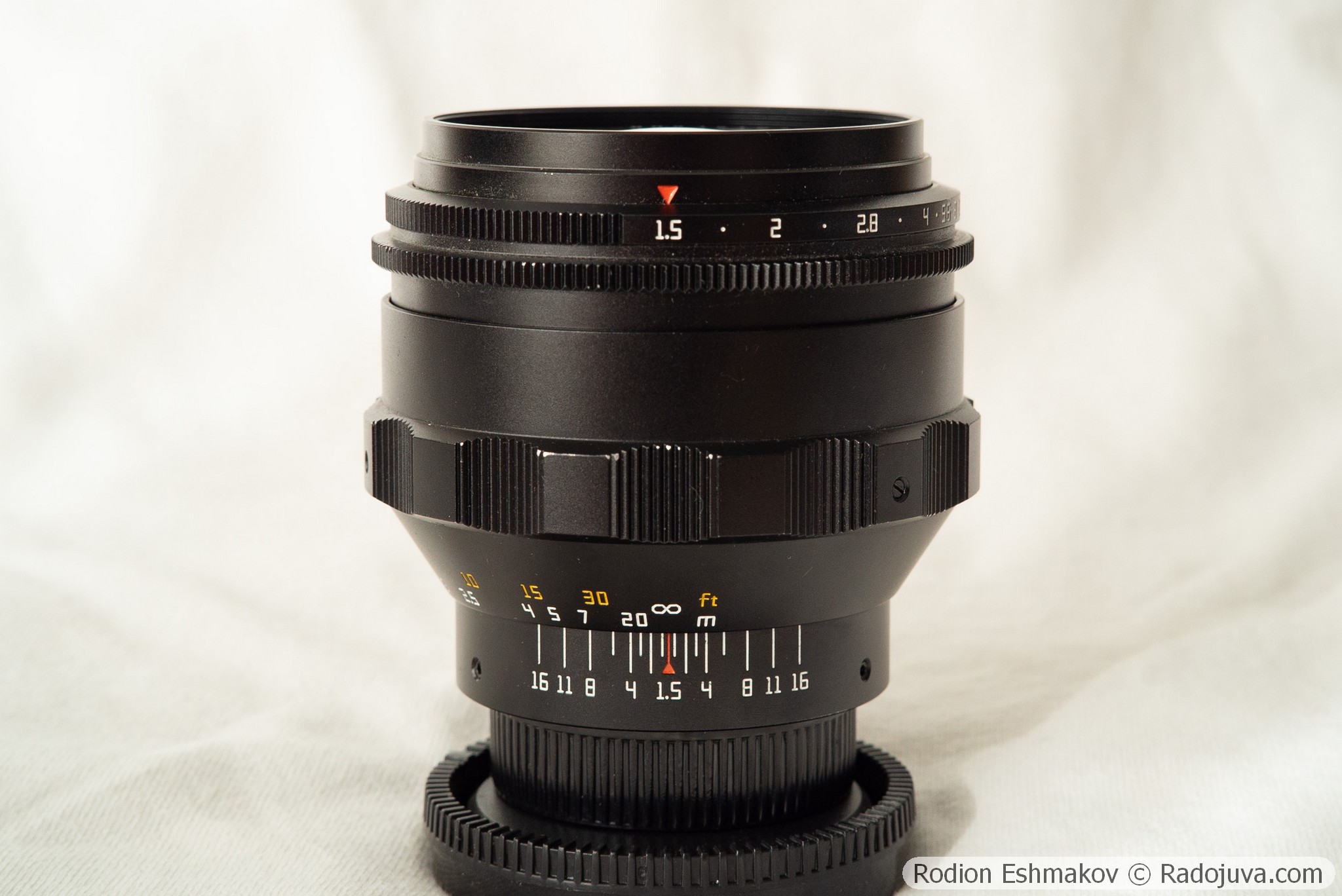
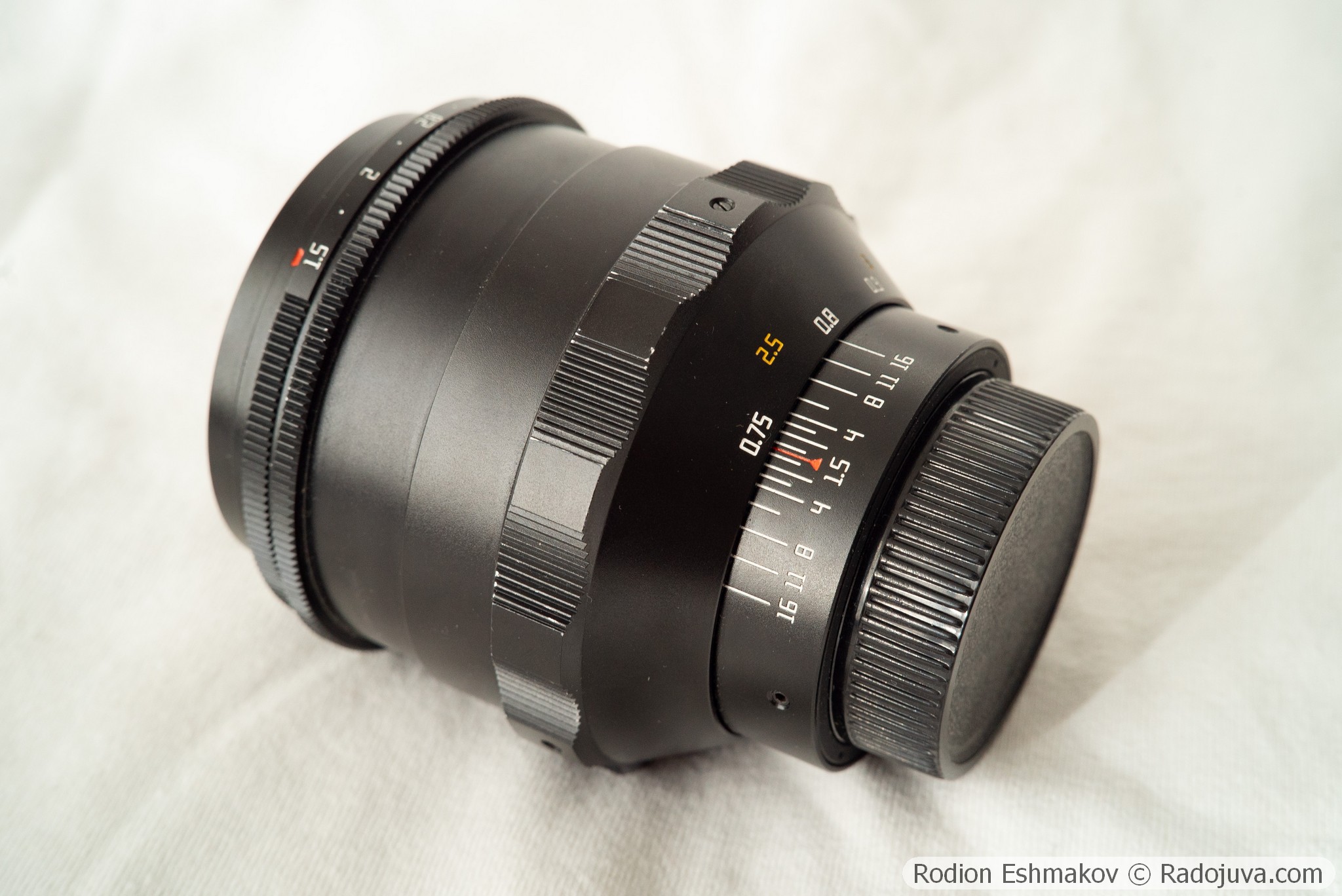

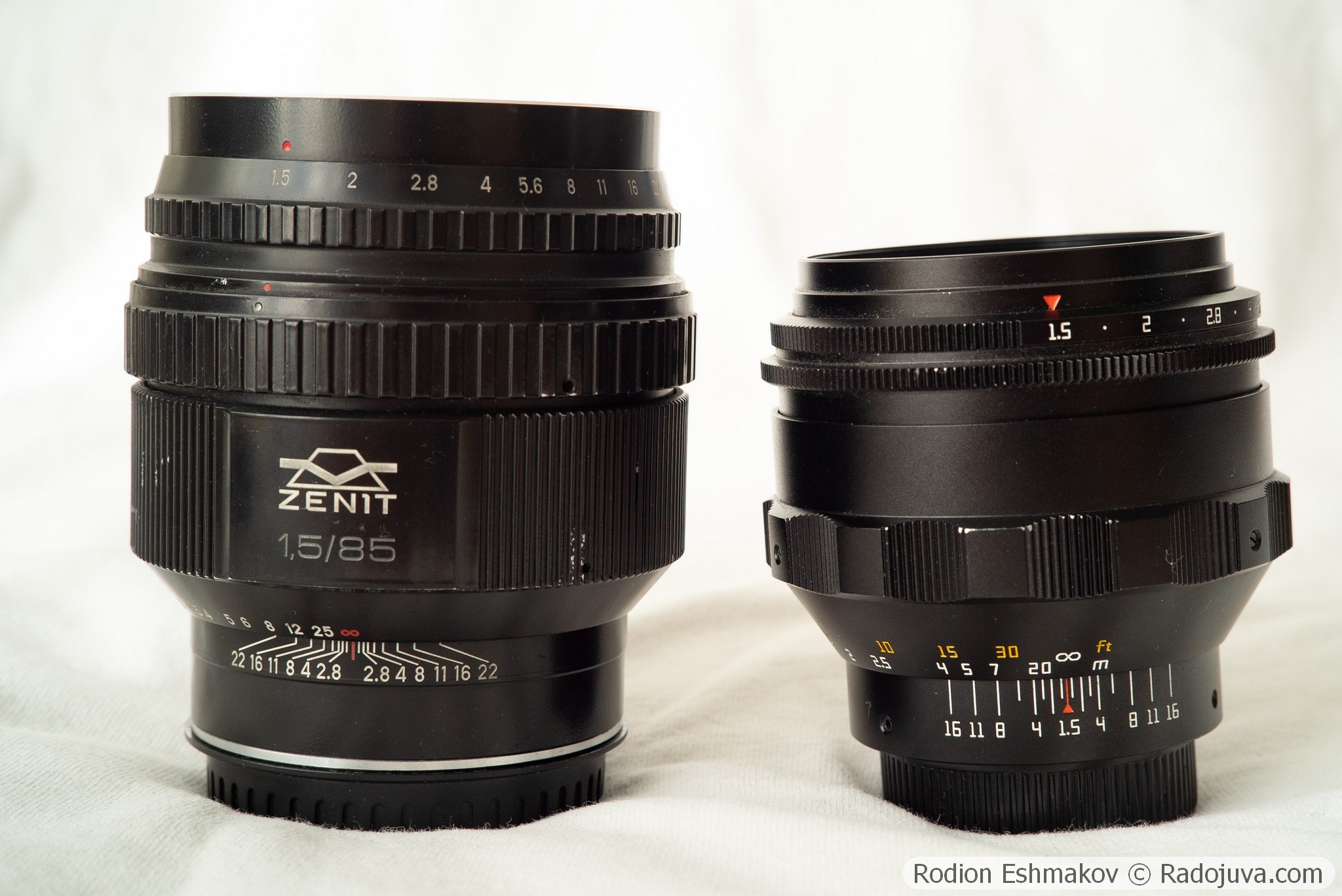
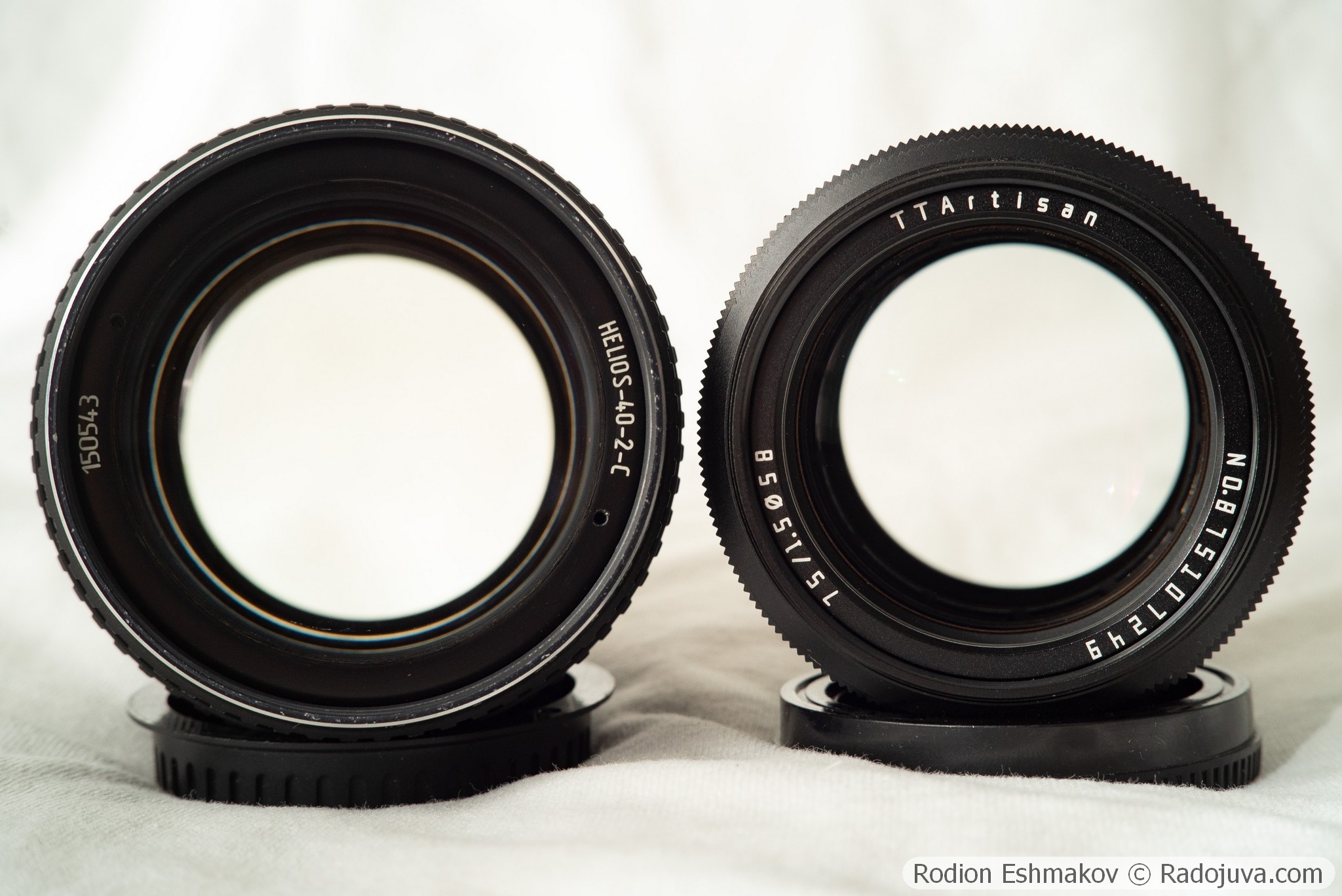
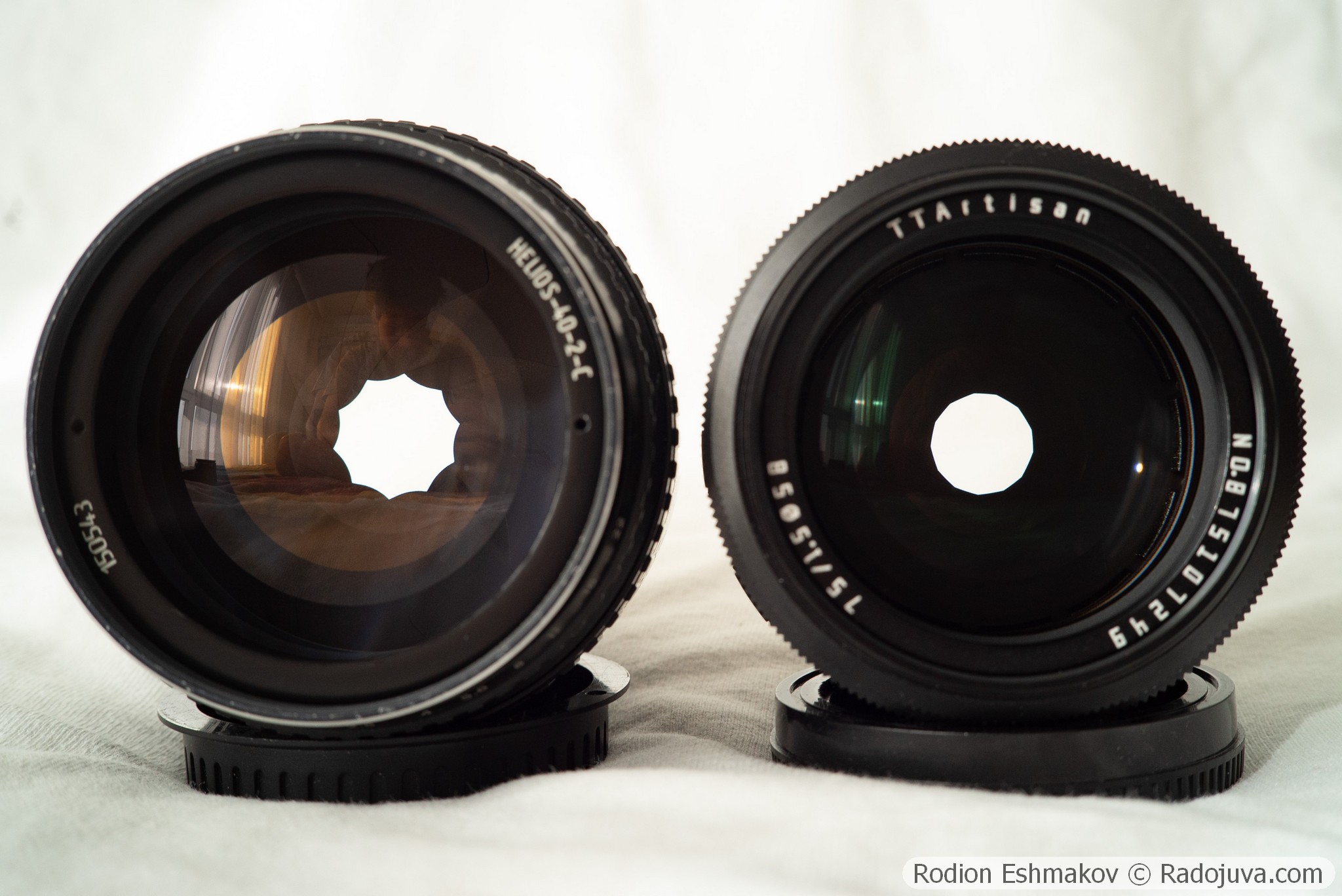
The TTArtisan 75/1.5 is a manual focus lens. The focusing ring is located in the center of the lens and is wide and comfortable to use. The ring travels smoothly, at approximately 270°. The minimum focusing distance is 0.75 m, which is quite acceptable for a 75mm focal length. The lens does not have a precise infinity hard stop setting—there's a significant amount of overtravel, which reduces ease of use. The Helios-40-2C lens, which I was given for comparison, does not have this drawback. When focusing, the entire lens unit moves; the front of the lens does not rotate, so there are no obstacles to using a polarizing filter, for example.
The aperture consists of 13 C-shaped blades, resulting in a nearly circular pupil, unlike the Helios-40-2. However, the aperture values on the aperture ring tend to bunch up closer to f/5.6, which is eliminated in the Helios-40 lens due to the L-shaped blades (linearization of the aperture ring travel). Also, unlike the Helios-40-2, the TTArtisan 75/1.5 lacks the ability to preset the aperture value. This feature was useful when working with DSLR cameras without Live View, but is no longer of great importance. A tribute to the preset aperture in the design of the TTArtisan 75/1.5 is the presence of a fake knurled ring on the aperture ring, located just below the aperture value display. The TTArtisan 75/1.5 aperture ring rotates with clicks at the designated aperture settings. The ring's action is smooth and buttery.
The TTArtisan 75/1.5 has an M42×1 threaded mount. This is a good thing, as the threaded mount itself is very versatile, allowing the lens to be mounted on a wide range of cameras using inexpensive adapters. However, there's no ready-made solution for Nikon F-mount cameras—the Helios-40-2, for example, was available with a Nikon F-mount. Using a threaded mount can also result in the lens being incorrectly positioned on the camera with a low-quality adapter (for example, with the aperture scale facing down).
Closer to the mount thread on the TTArtisan 75/1.5 lens body, there's a depth-of-field scale and a distance scale in meters and feet. Given the resolution of modern sensors, these elements are more decorative than practical. Distance and depth-of-field scales are an integral part of older film lenses.
The TTArtisan 75/1.5 has high-quality light protection: the interlens inserts are ribbed and have a high-quality matte black coating. The lens ends are also frosted and blackened. In this regard, the lens is much better than the Helios-40-2C. The TTArtisan 75/1.5 lenses are multi-coated with a green flare, typical of inexpensive Chinese optics. However, the new Helios-40-2C, apparently, does not have all the lenses with high-quality multi-coating: only the rear group of lenses has a characteristic green flare, while the front group has an amber iridescence, like the old Soviet Helios-40-2. This is also indicated by the different light transmission spectra of the lenses: the TTArtisan 75/1.5 has a characteristic M-shaped curve, while the Helios-40-2C has a C-shaped curve. When viewed through the light, Helios-40-2S has a noticeable yellowish tint, which was not observed for TTArtisan 75/1.5.
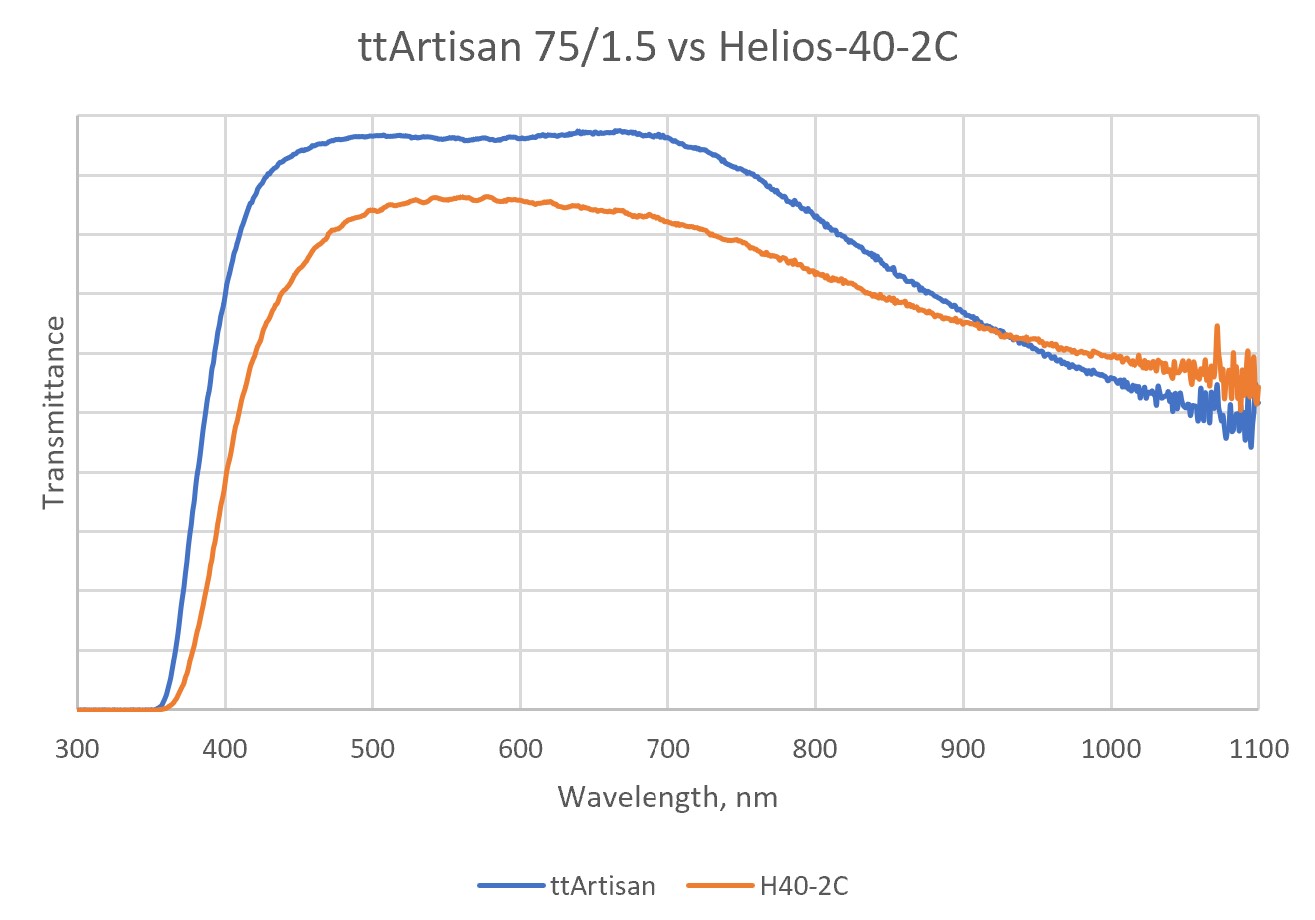
Unstandardized light transmission spectra of the TTArtisan 75/1.5 and Helios-40-2C lenses. Reliable comparison of the light transmission of the two lenses using this graph is impossible.
The main drawback of the TTArtisan 75/1.5 coating is that it is the same on all lenses, including high-refractive index lenses with high reflectivity. This results in the lens's light scattering spectrum taking on a distinct green tint—in challenging lighting conditions, an unpleasant green haze can appear, making correct white balance impossible. This problem is common to many other Chinese lenses: the TTArtisan 23/1.4 , the 7artisans 28/1.4 Leica M , the TTArtisan 50/1.4 Leica M, and others. More expensive and high-quality lenses also feature an optimized reflectance spectrum, with peaks at the sensitivity limits of the camera's sensor.
The front and rear lenses of the TTArtisan 75/1.5 objective are made of simple glasses such as heavy crowns CDGM H-ZK7 or H-ZK9 with a refractive index of ~1.62 (analogues of LZOS TK14), which follows from the X-ray fluorescence spectra: barium, strontium and zinc are detected, but rare earth elements are absent (zirconium in the spectra is instrumental).
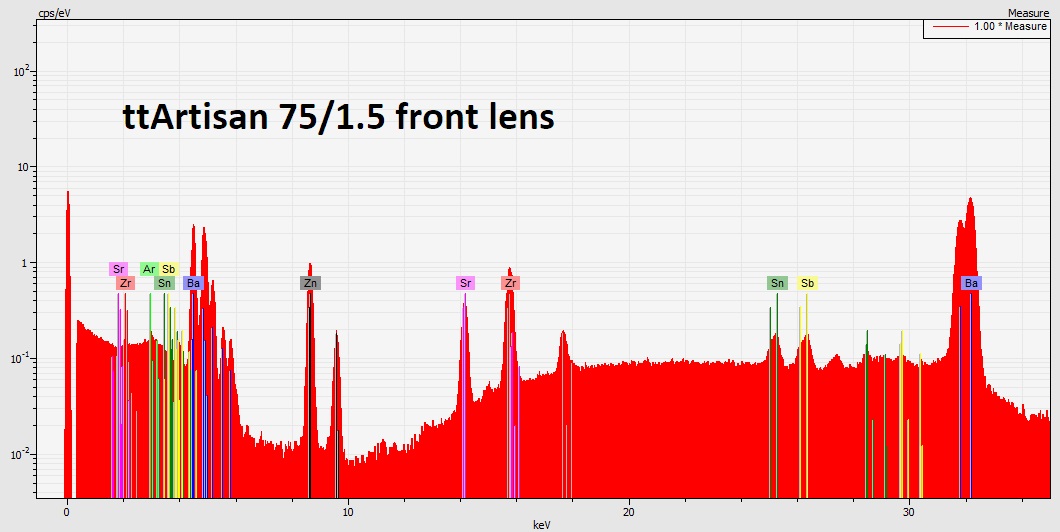
X-ray fluorescence spectrum of the TTArtisan 75/1.5 anterior lens.
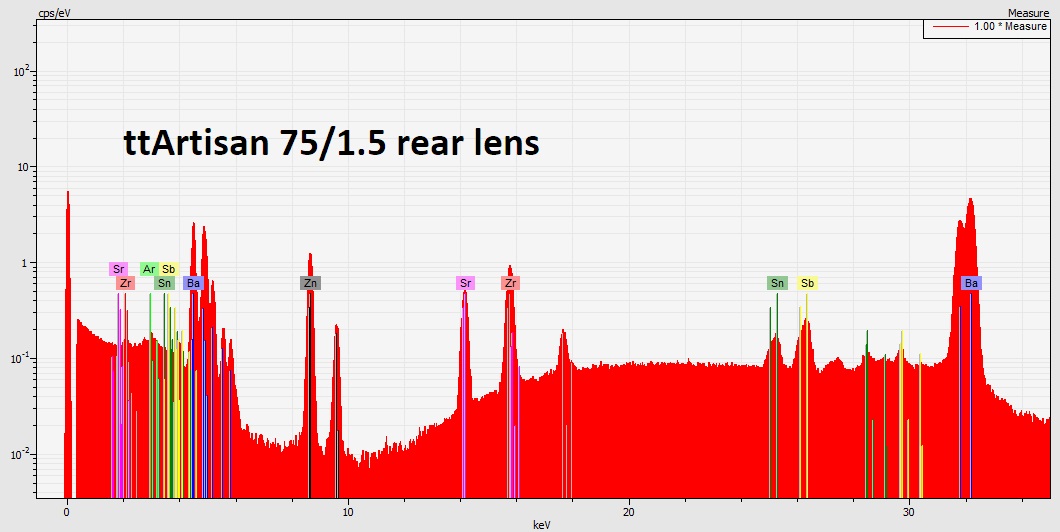
X-ray fluorescence spectrum of the TTArtisan 75/1.5 rear lens.
Most likely, the high-refractive index elements in the lens are inexpensive H-ZLAF50E glass with a refractive index of 1.8, bonded to readily available HF flints or heavy H-ZF flints. Overall, the optical design of the TTArtisan 75/1.5 is very simple and inexpensive—evidently, no serious work went into the optical design.
The TTArtisan 75/1.5's build quality is high, but basic throughout. The Chinese lens definitely feels better than the Helios-40-2, thanks to its higher-quality exterior finish, more precise mechanical execution, and smaller dimensions and weight. However, I can't say it's fundamentally superior in every way. For example, the Helios-40-2 has a slight lateral play at the rear, suggesting poor focuser alignment—this doesn't really affect use, but it has a precise infinity setting—a valuable feature. The Helios-40-2 is heavier and larger, but it has a preset aperture mechanism, useful for film shooters, while the TTArtisan 75/1.5 doesn't. Perhaps the only real advantage the Chinese lens has over the Helios-40 is its superior optical coating.
Optical properties: comparison with Helios-40-2
What I'd most like to see from the modern TTArtisan 75/1.5 is improved image quality while maintaining the "very" bokeh of the original Biotar 75/1.5 or Helios-40, as these older lenses are quite difficult to handle due to pronounced aberrations. To get a preliminary assessment of how well the Chinese have improved the original optical design using new glass, we can look at the MTF curve (MTF) of the TTArtisan 75/1.5 and compare it with the calculation for the Helios-40-2. This comparison has certain limitations, since it's unknown what spectral function the Chinese used to calculate the MTF. I'm using the function given in the article , which was based on the spectral sensitivity of modern camera sensors.
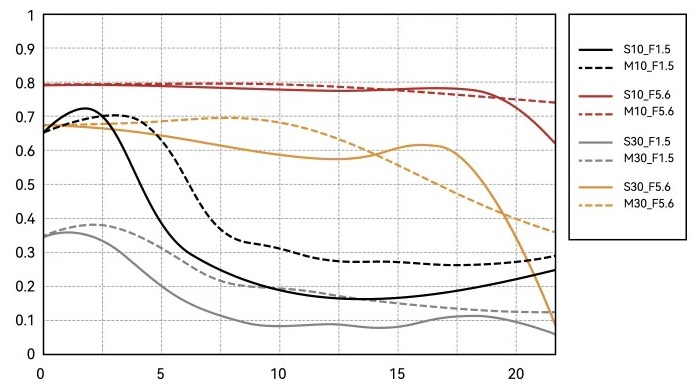
MTF chart for TTArtisan 75/1.5 provided by the manufacturer.
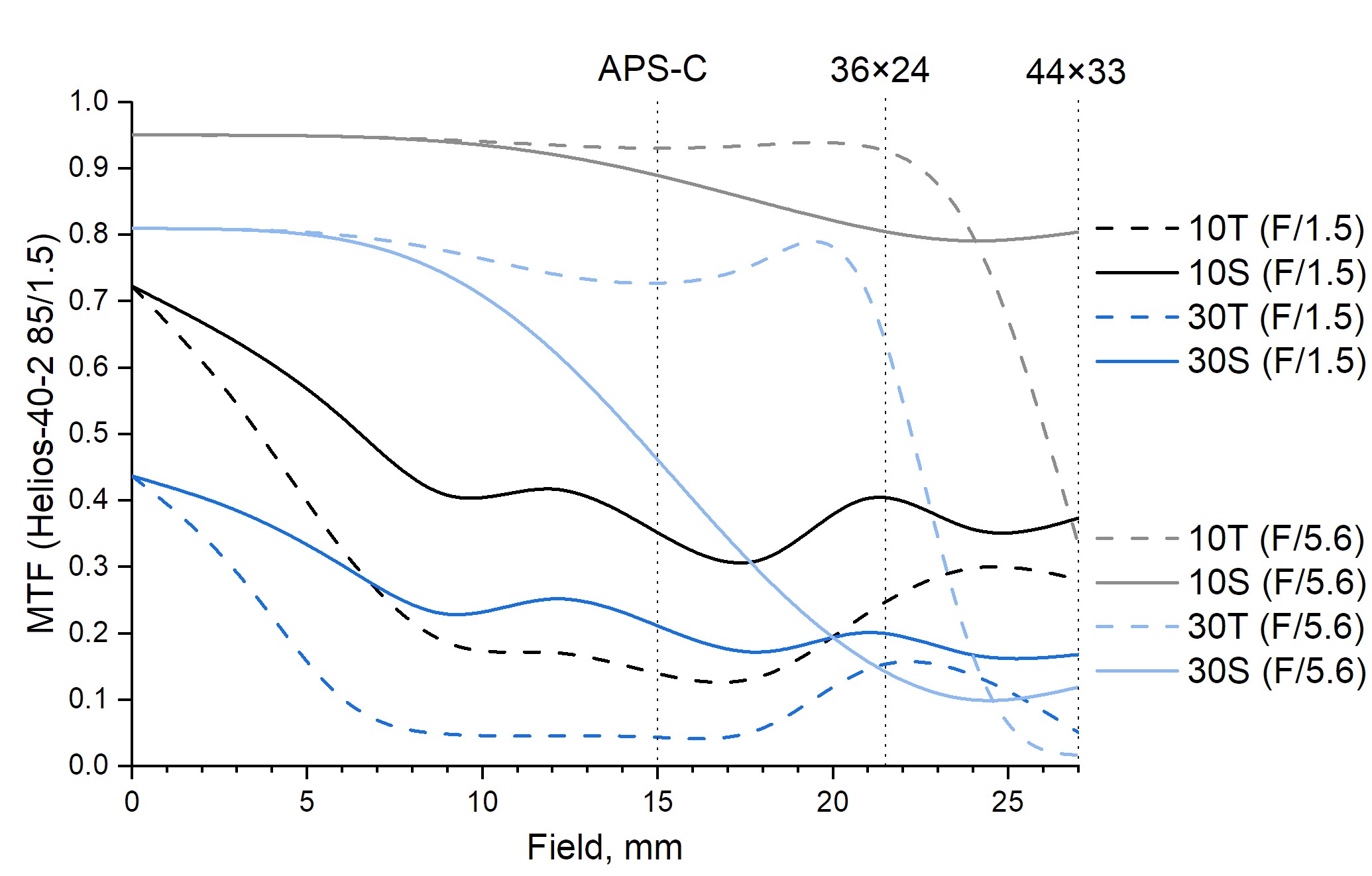
MTF calculation chart for Helios-40-2 85/1.5.
Comparing the graphs, it can be noted that the TTArtisan 75/1.5 does not actually offer a significant advantage over the Helios-40-2 in image quality wide open. On the contrary, the lens has worse edge sharpness (at 10 mm^-1 frequencies) across the field. However, the TTArtisan 75/1.5 performs slightly better in astigmatism correction within the 36x24 mm frame than the Helios-40, as evidenced by its higher sagittal contrast at 30 mm^-1.
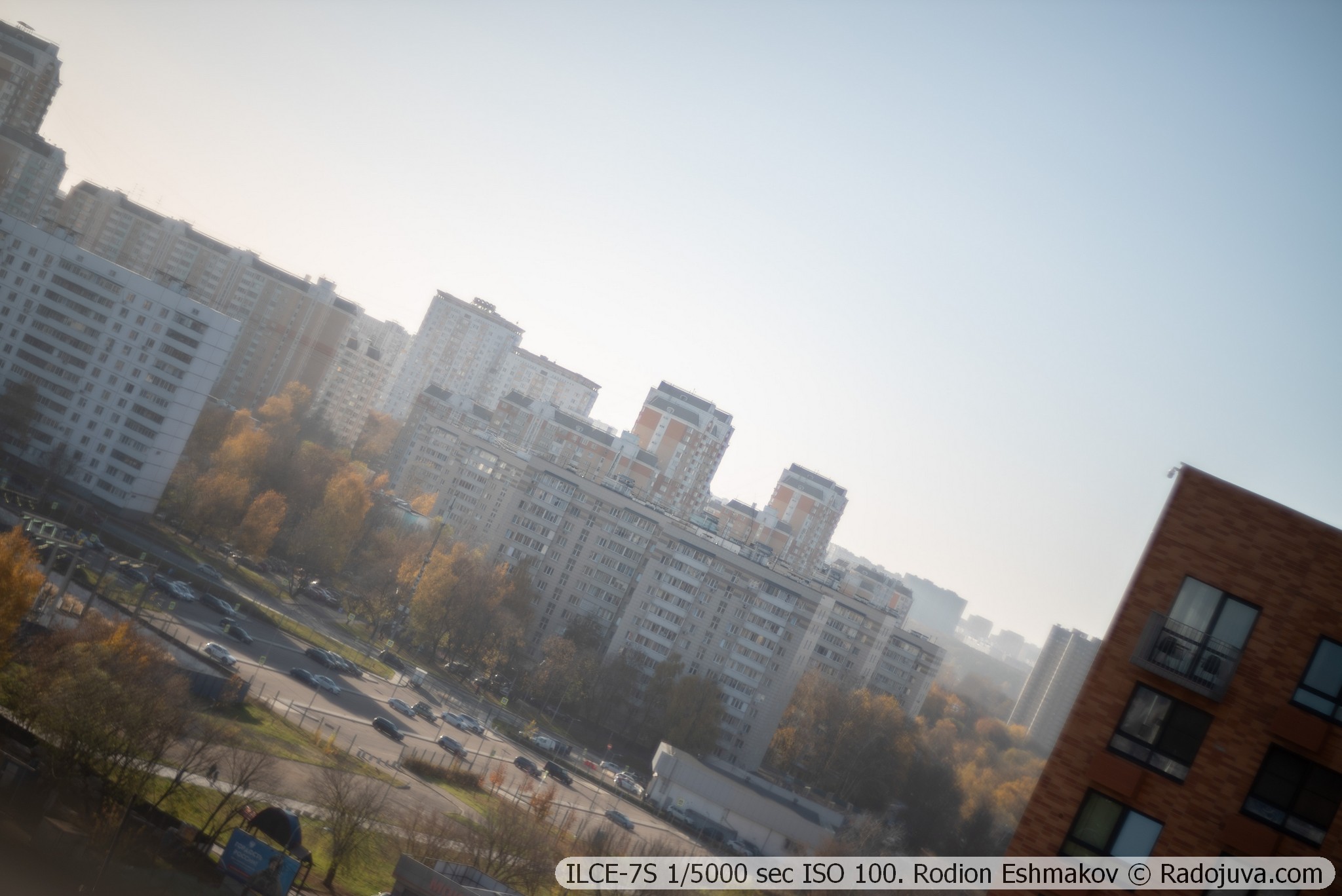
Next, we compared the lenses' image quality at infinity at different apertures using a full-frame Sony A7s camera. Test photos taken with the TTArtisan 75/1.5 are shown below.
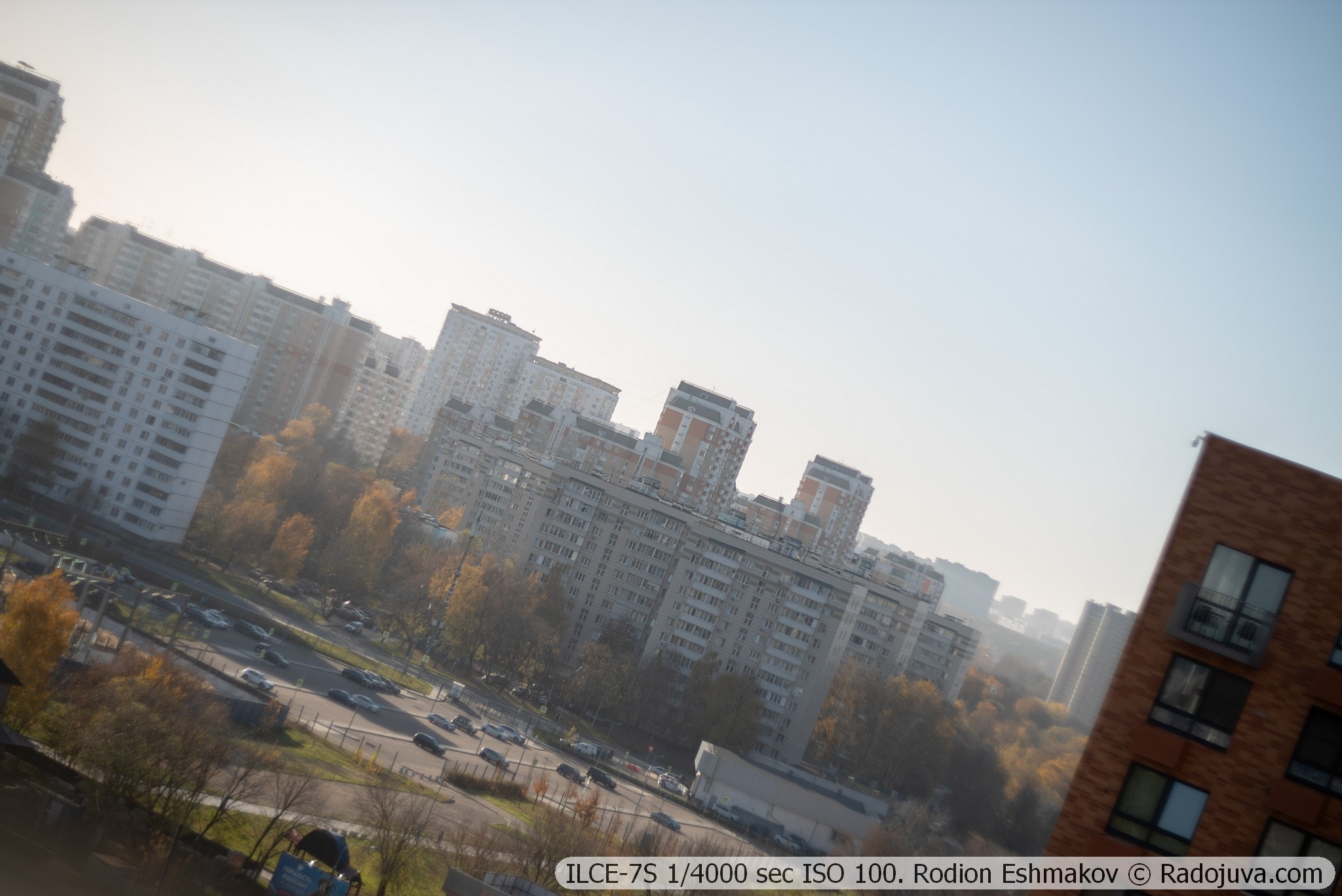
Below are pictures from Helios-40-2.
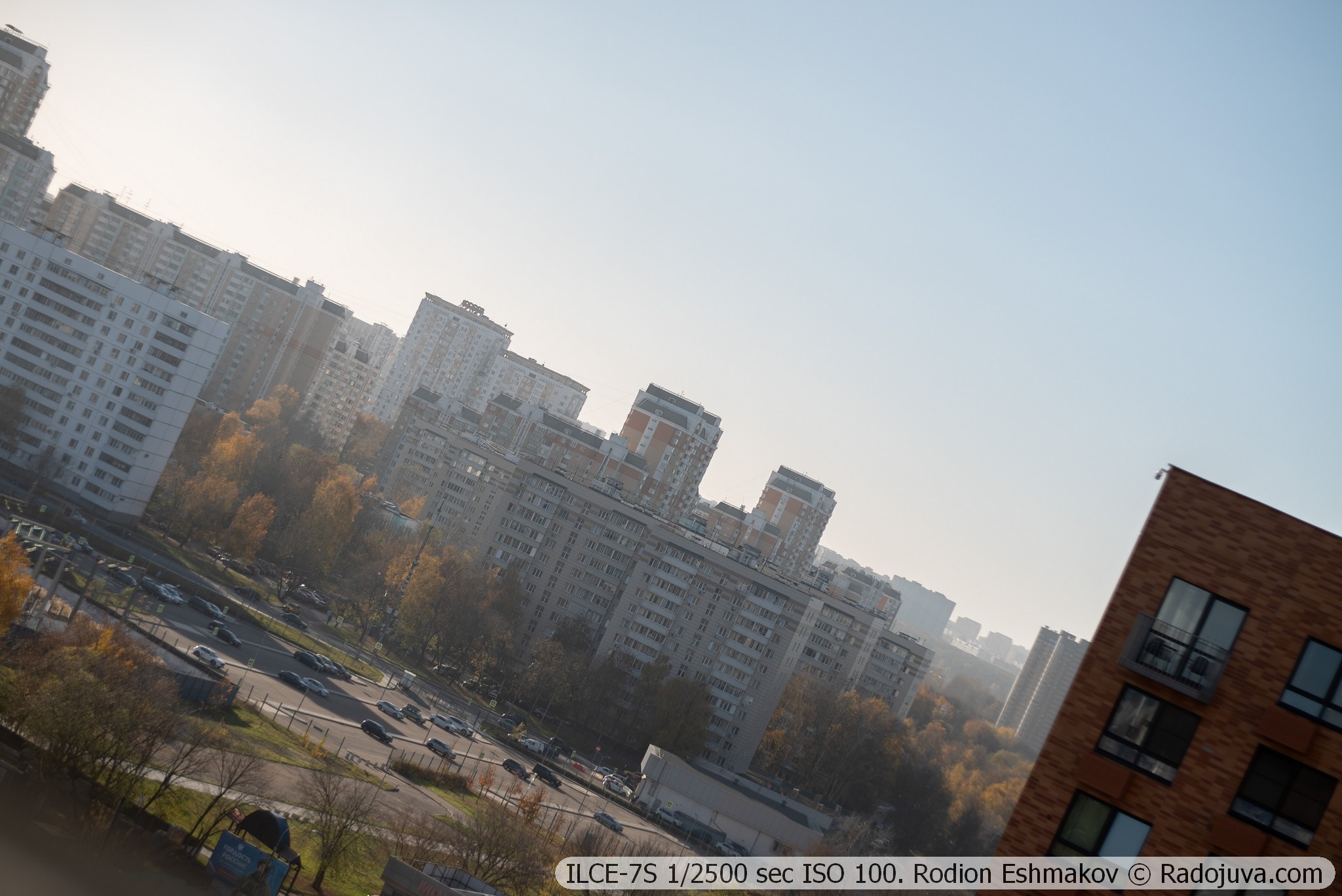
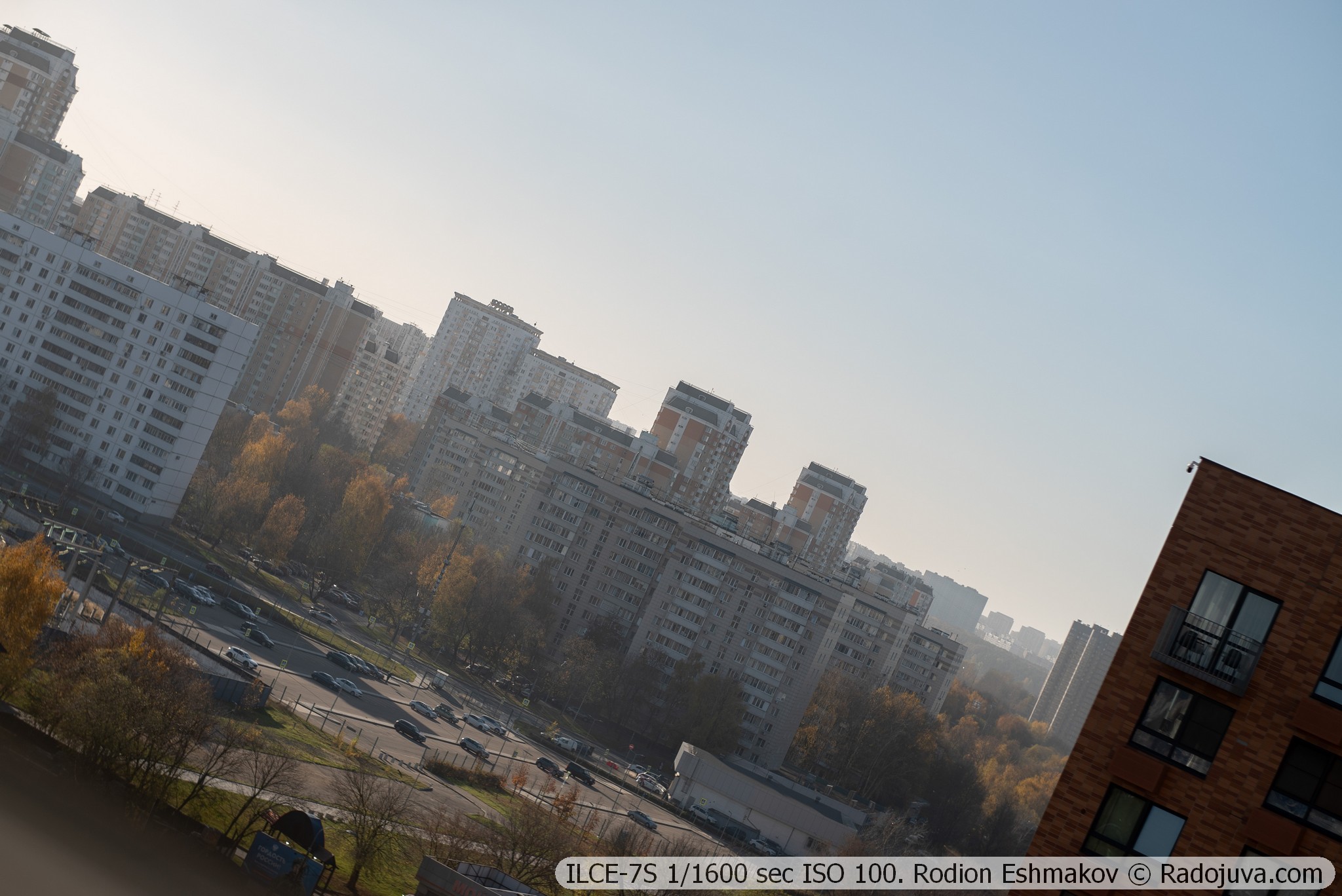
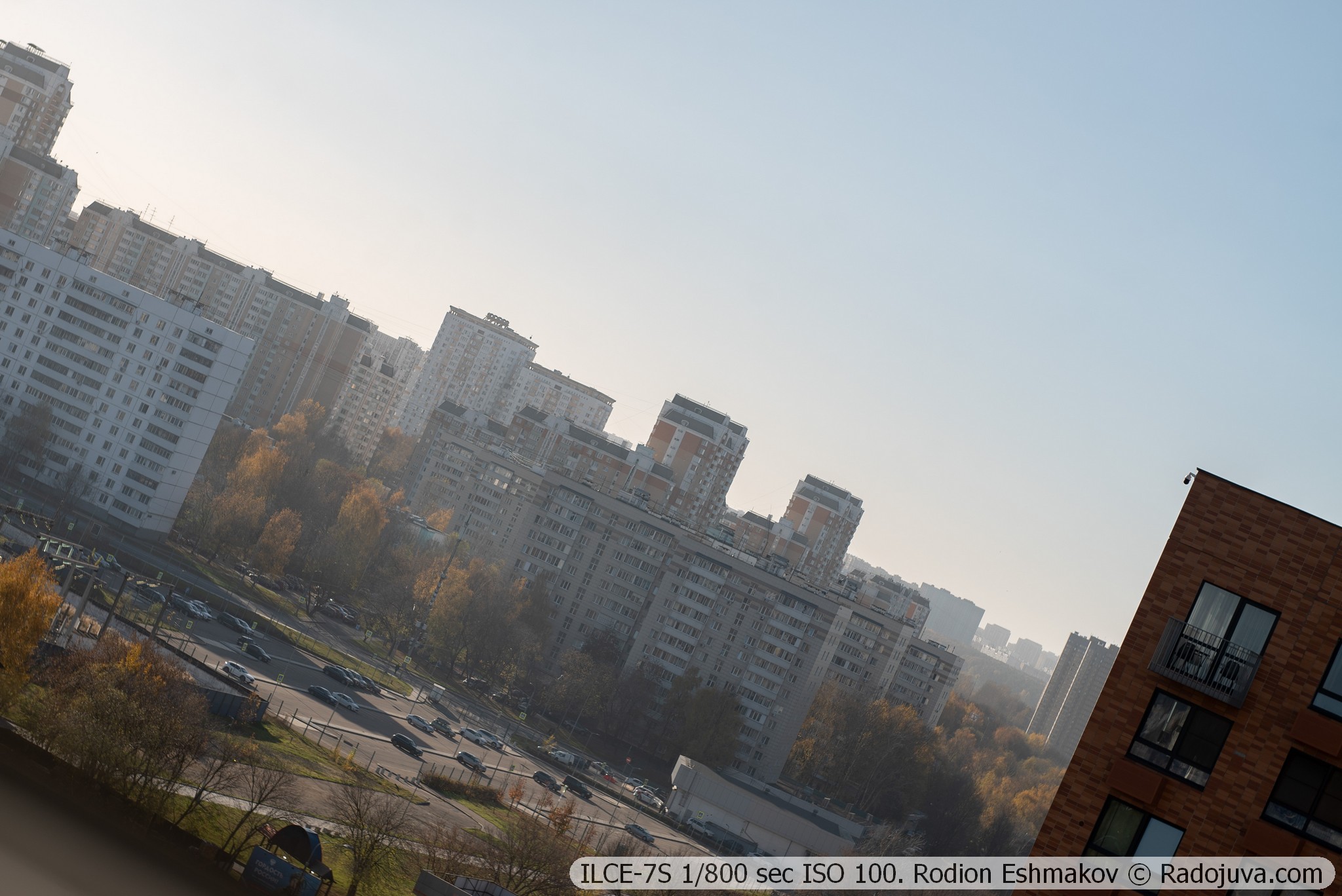
Crops of the images are presented below.
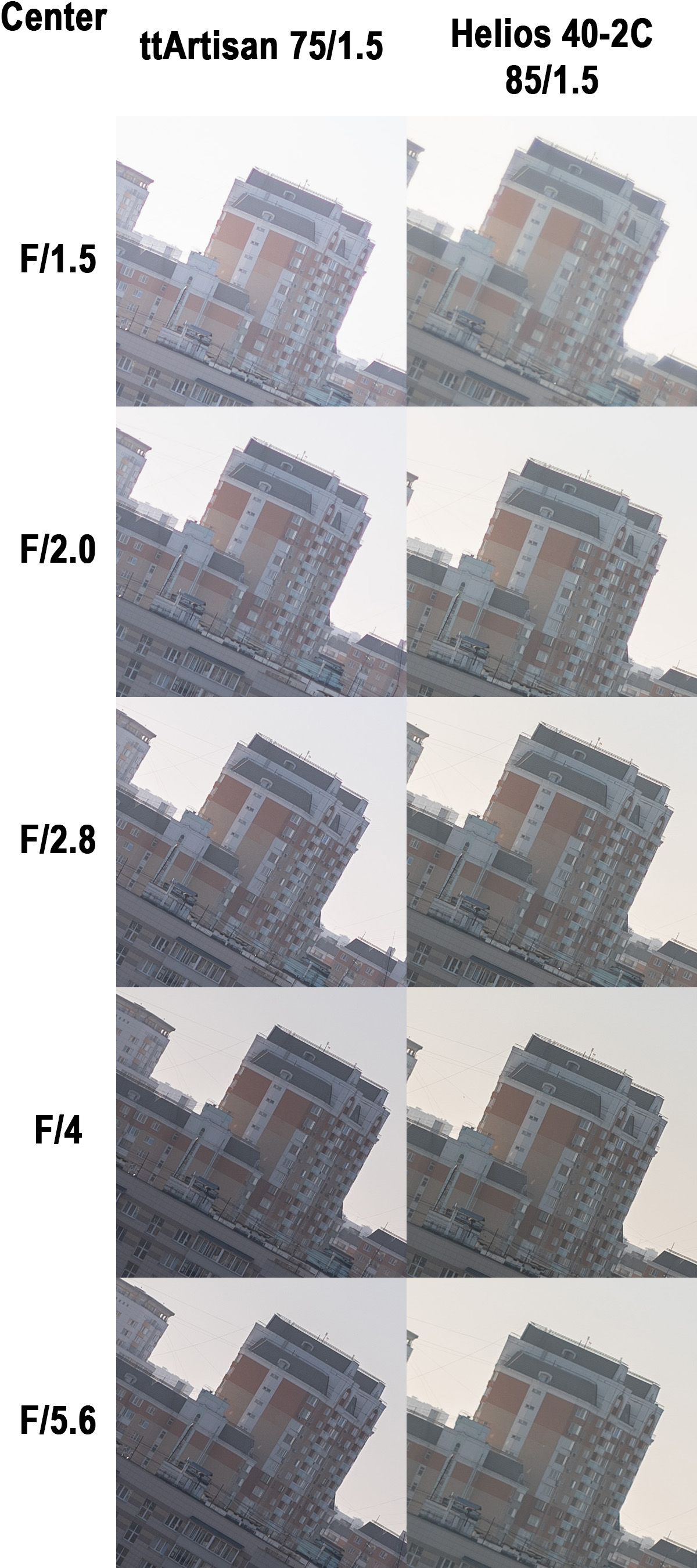
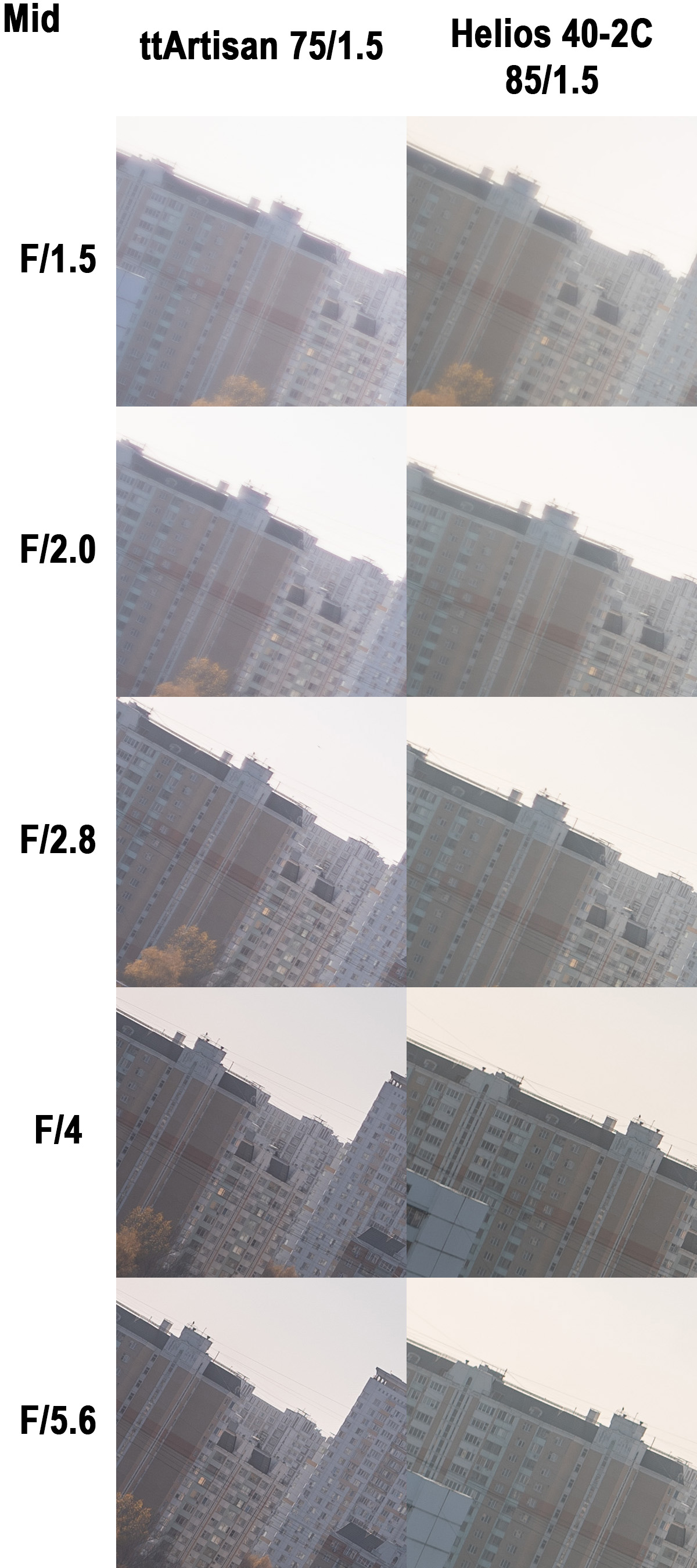
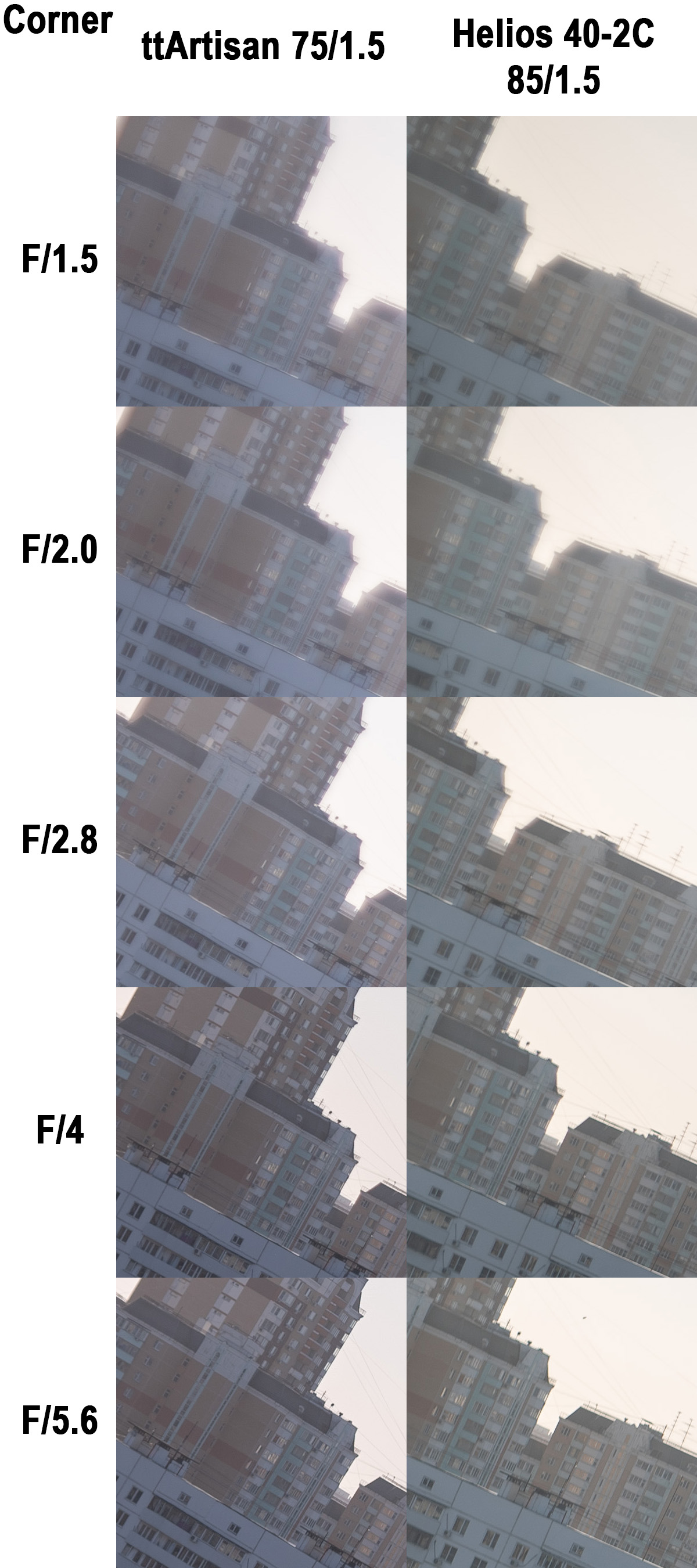
It's worth noting that the TTArtisan 75/1.5 lens offers sharper image quality in the center of the frame at wide-open apertures, but the differences become less noticeable at f/2. However, the Helios-40-2 is comparable in quality to the Chinese lens in terms of field of view at wide-open apertures.
At apertures below f/2.8, the Helios-40-2 exhibits poorer image quality across the field due to its more pronounced field curvature. In portrait photography, residual field curvature is irrelevant, so for quality comparisons, it's preferable to perform a refocused comparison over the desired area of the image. For this purpose, we photographed distant point light sources, clearly demonstrating the nature of lens aberration spots.
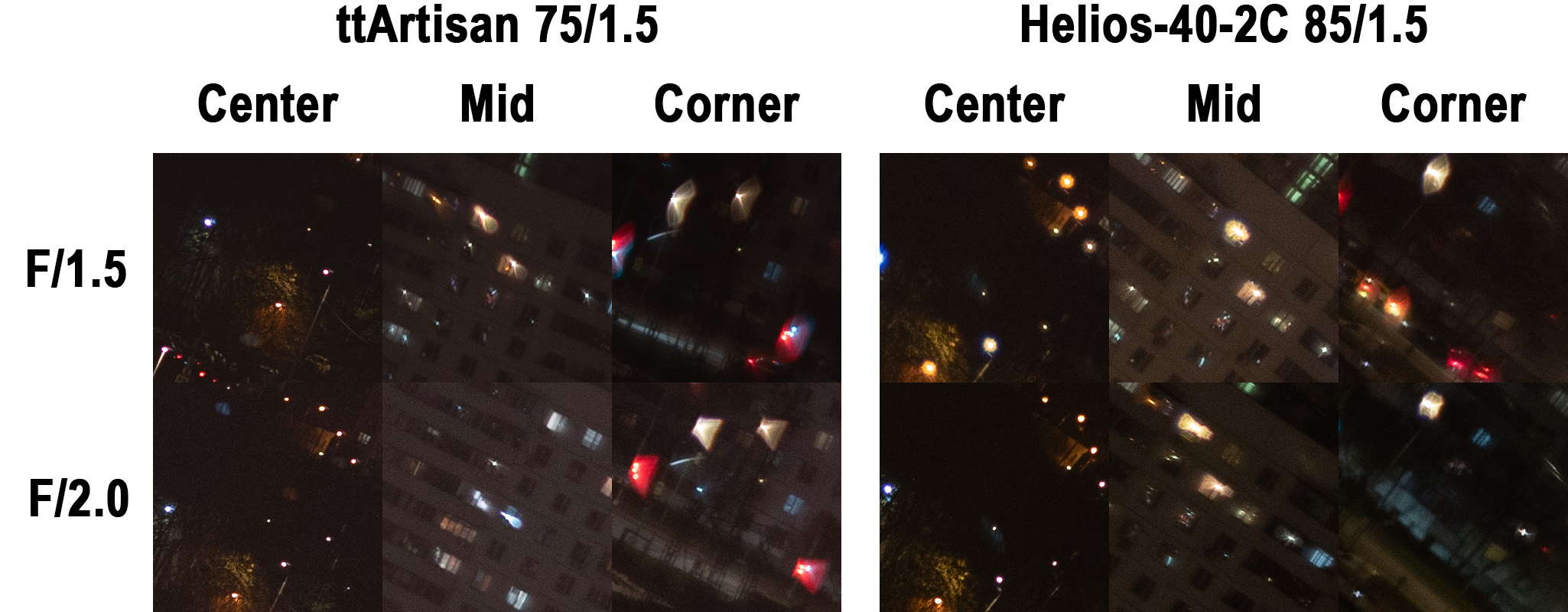
Crops of test photos with point light sources.
The test clearly demonstrates the superior correction of spherochromatic aberrations of the TTArtisan 75/1.5 in the central area of the frame at f/1.5 compared to the Helios-40-2 – this is evident from the absence of pronounced halos around highlights. However, across the field, the Chinese lens exhibits very high levels of comatic aberrations (coma, trefoil) both at the edges and in the corners of the frame. The lens also exhibits very high astigmatism in the middle of the field. The Helios-40-2 exhibits lower astigmatism in the middle of the field and lower levels of comatic aberrations overall, but more pronounced spherical aberration of oblique beams and greater astigmatism in the corners of the frame. Thus, the TTArtisan 75/1.5 exhibits an extremely negative combination of optical distortions in the middle of the field – the most actively used area of the image – which is inferior even to the older Helios-40-2. This negates its significant advantage in quality on the optical axis. The very high level of trefoil at the edge of the 36x24mm frame of the TTArtisan 75/1.5 lens also prevents its use on 44x33mm cameras, while the Helios-40-2 offers, if not good, then at least tolerable quality beyond the intended frame.
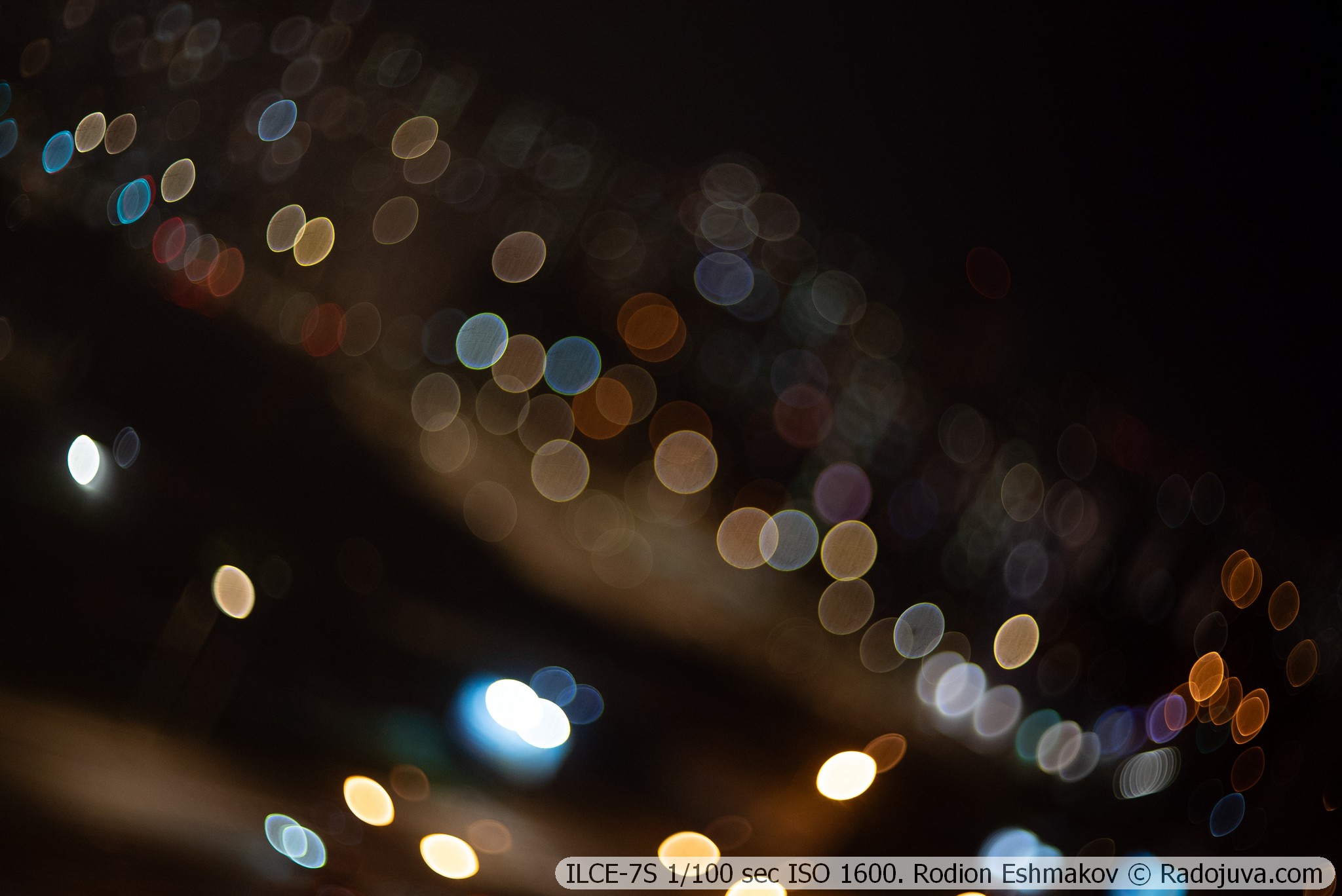
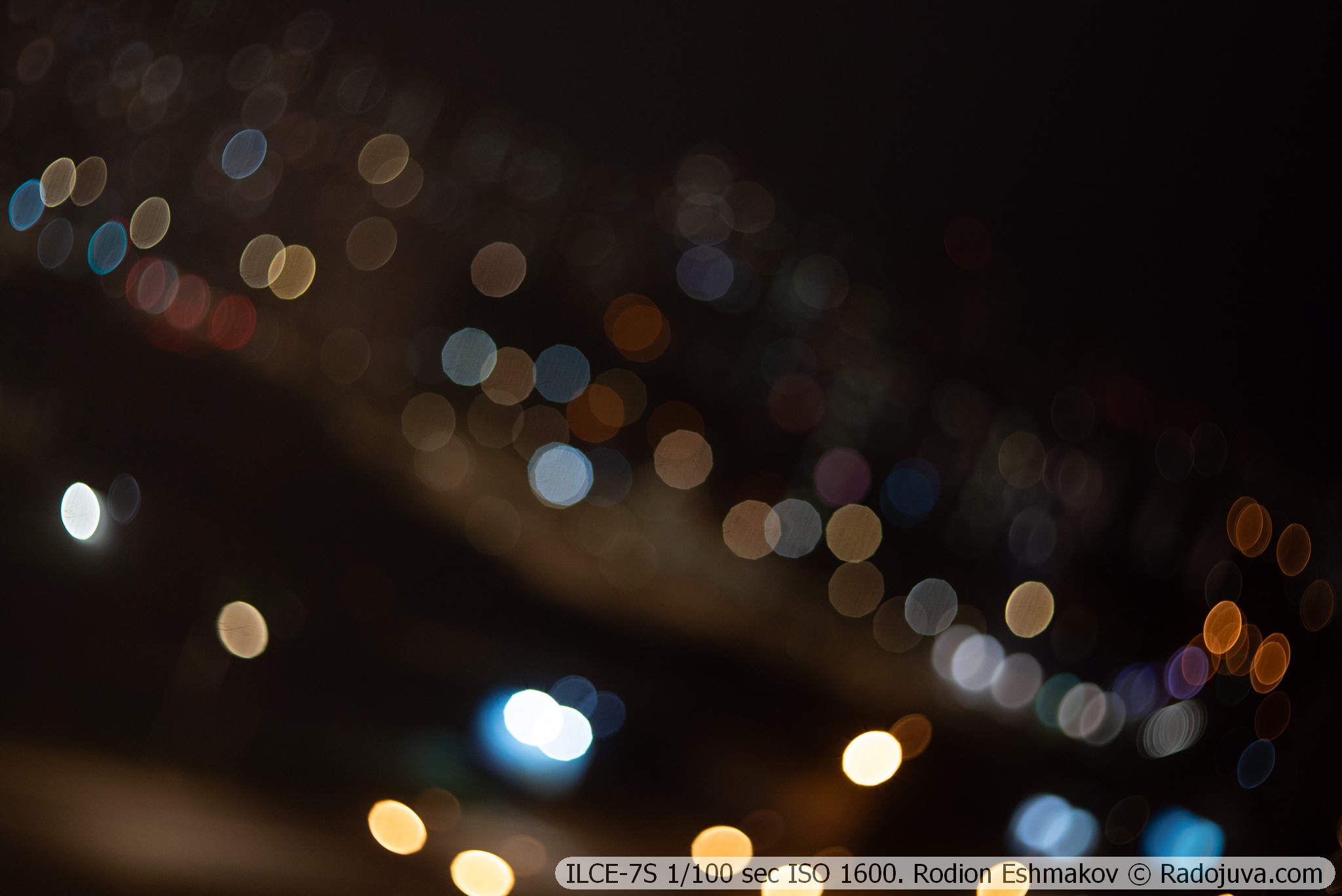
The observed significant differences in the aberration balance of these two lenses are reflected in the bokeh character. For example, for the TTArtisan 75/1.5, wide-open bokeh discs in the center of the field have a smooth shape with a sharp edge but no noticeable fringing, as spherical aberrations on the axis are well corrected. At midfield, the disc transforms into a lemon-shaped pattern with bright fringing on both sides—the one near the center and the one farther away—due to the presence of comatic aberrations. At the edges of the field, comatic aberrations intensify, adding trefoil and spherical aberration of oblique beams, resulting in clearly defined lemon-shaped bokeh with noticeable asymmetry.
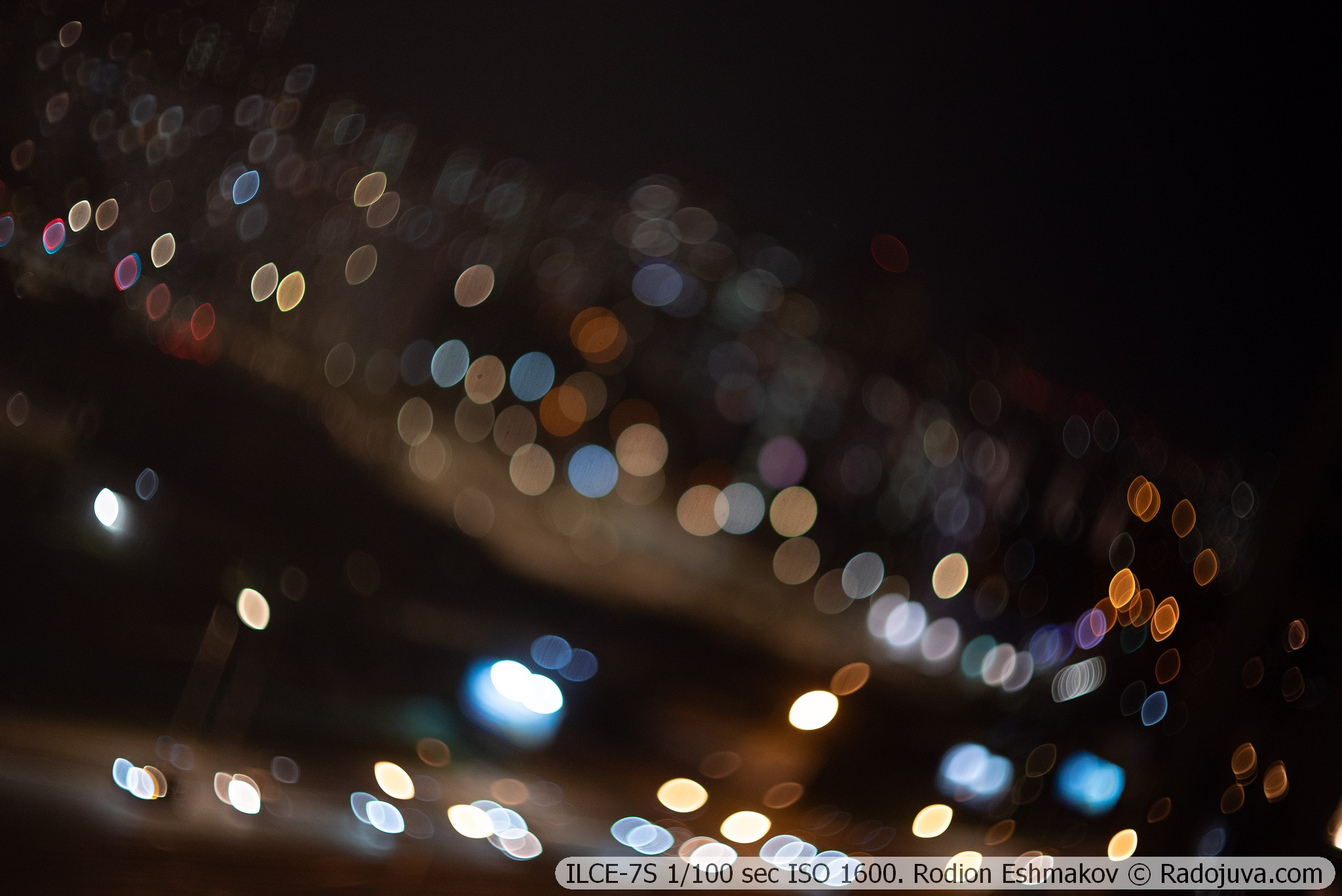
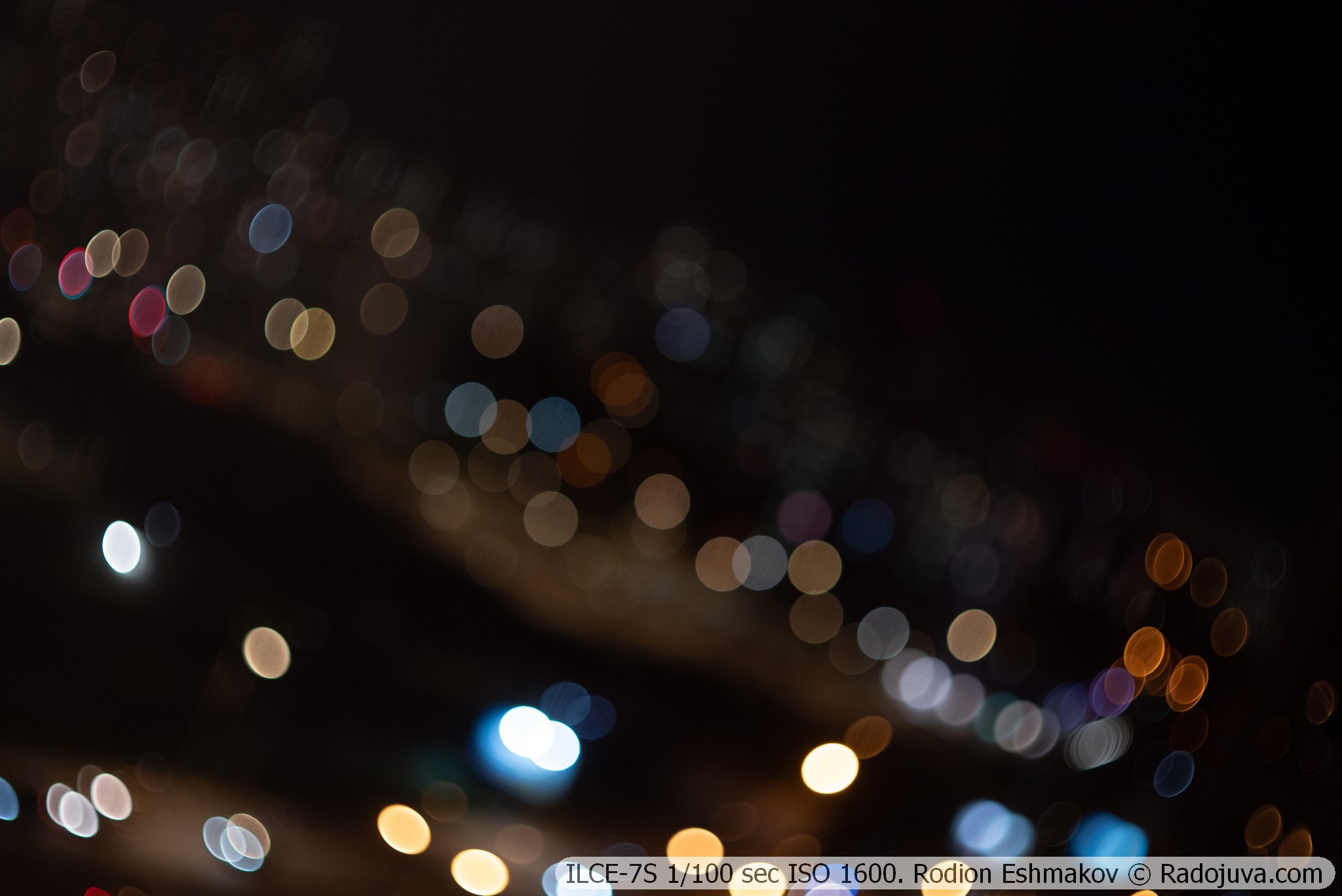
In the case of the Helios-40-2, sharply edged discs can be observed in the center of the field, indicating the presence of spherical aberrations. In the middle, the appearance of the bokeh discs is determined by the combined effects of spherical aberration of oblique beams and coma. At the edge of the field, trefoil is added to these effects. The lens's overall comatic aberration level is lower than that of the TTArtisan 75/1.5, while the spherical aberrations are more pronounced.
In backlit/sidelight, the TTArtisan 75/1.5 tends to exhibit a single, arcing red highlight. In bright, diffused light, a pronounced green veiling also appears.
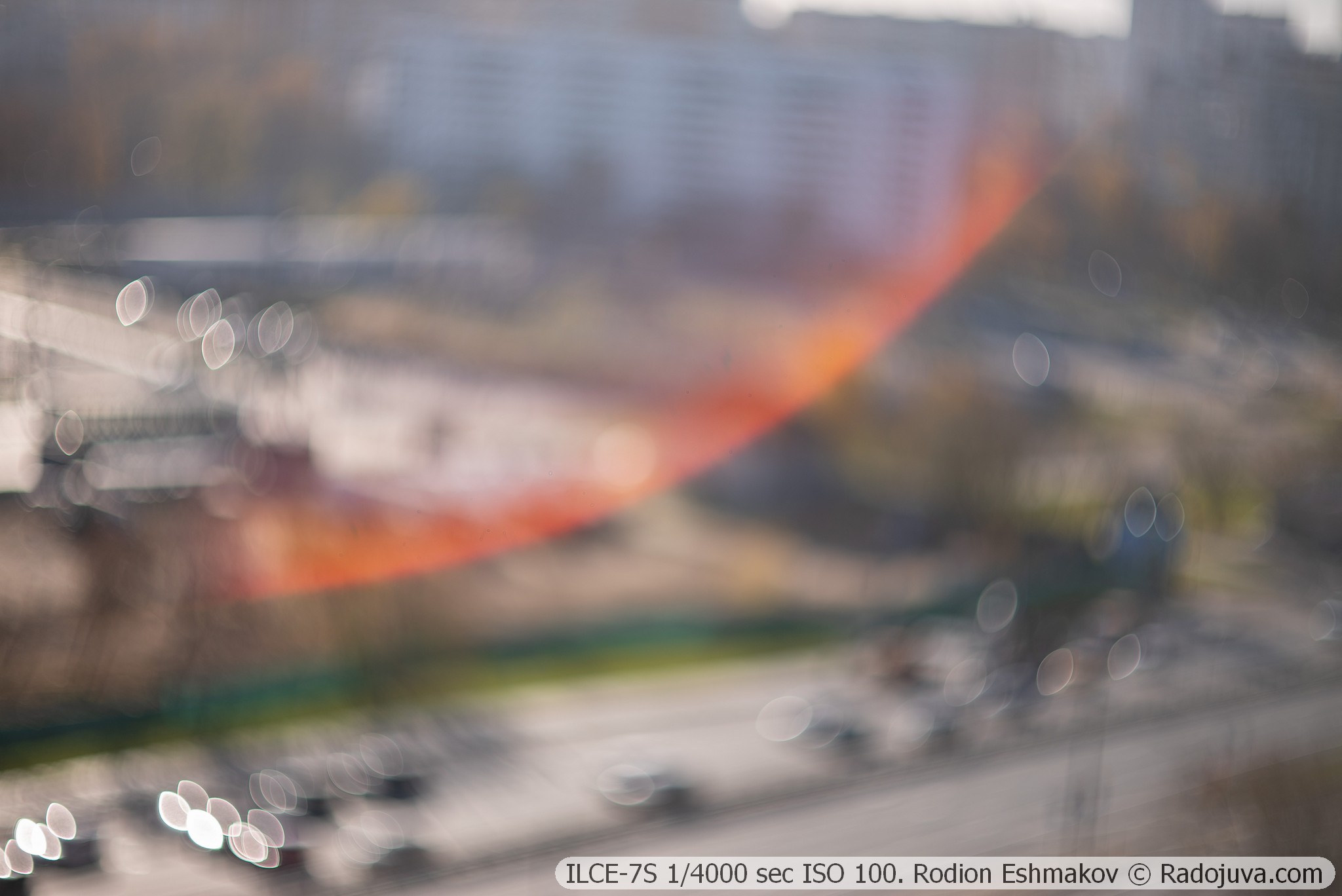
TTArtisan 75/1.5 in backlight.
In the case of the Helios-40-2C, the flare is much larger in size and lenticular in shape, and the veiling is grey in colour and more pronounced, indicating less effective lens protection.
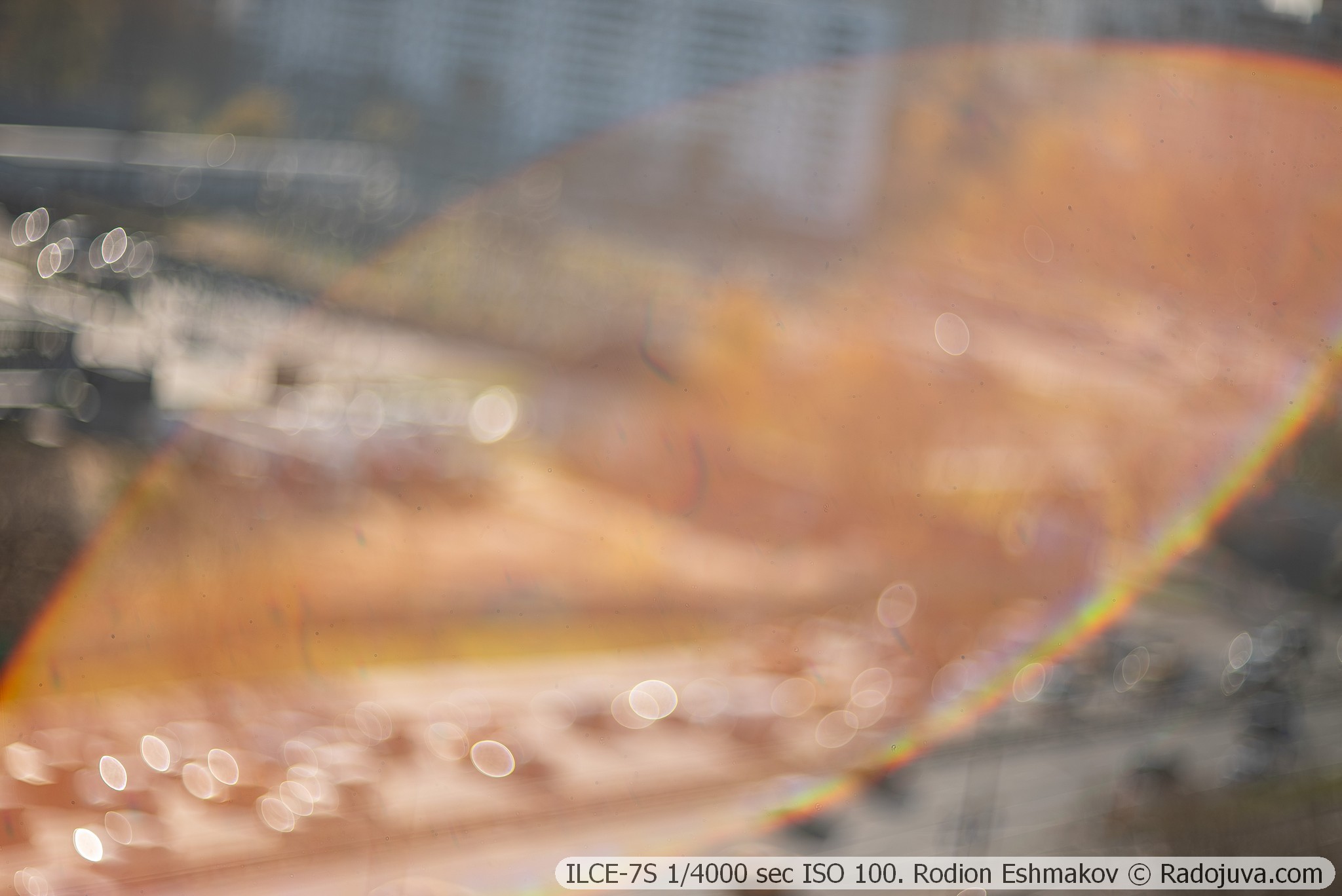
Helios-40-2S in backlight.
It turns out that the Chinese TTArtisan 75/1.5's upgrade to the original Biotar 75/1.5's optical design hasn't yielded any significant improvements beyond the correction of spherical aberrations in the narrow central area of the frame. Furthermore, the lens exhibits an extremely unfavorable combination of optical aberrations in the midfield, which, in real-world conditions, can even outperform the older Helios-40-2 lens in sharpness at wide-open apertures. Apparently, in the pursuit of a distinctive bokeh look, the Chinese team chose the wrong aberrations, making the original's already poor image quality even worse. The only truly visible improvement is the use of higher-quality blackening and anti-reflective coatings on the lenses, and even then, with caveats.
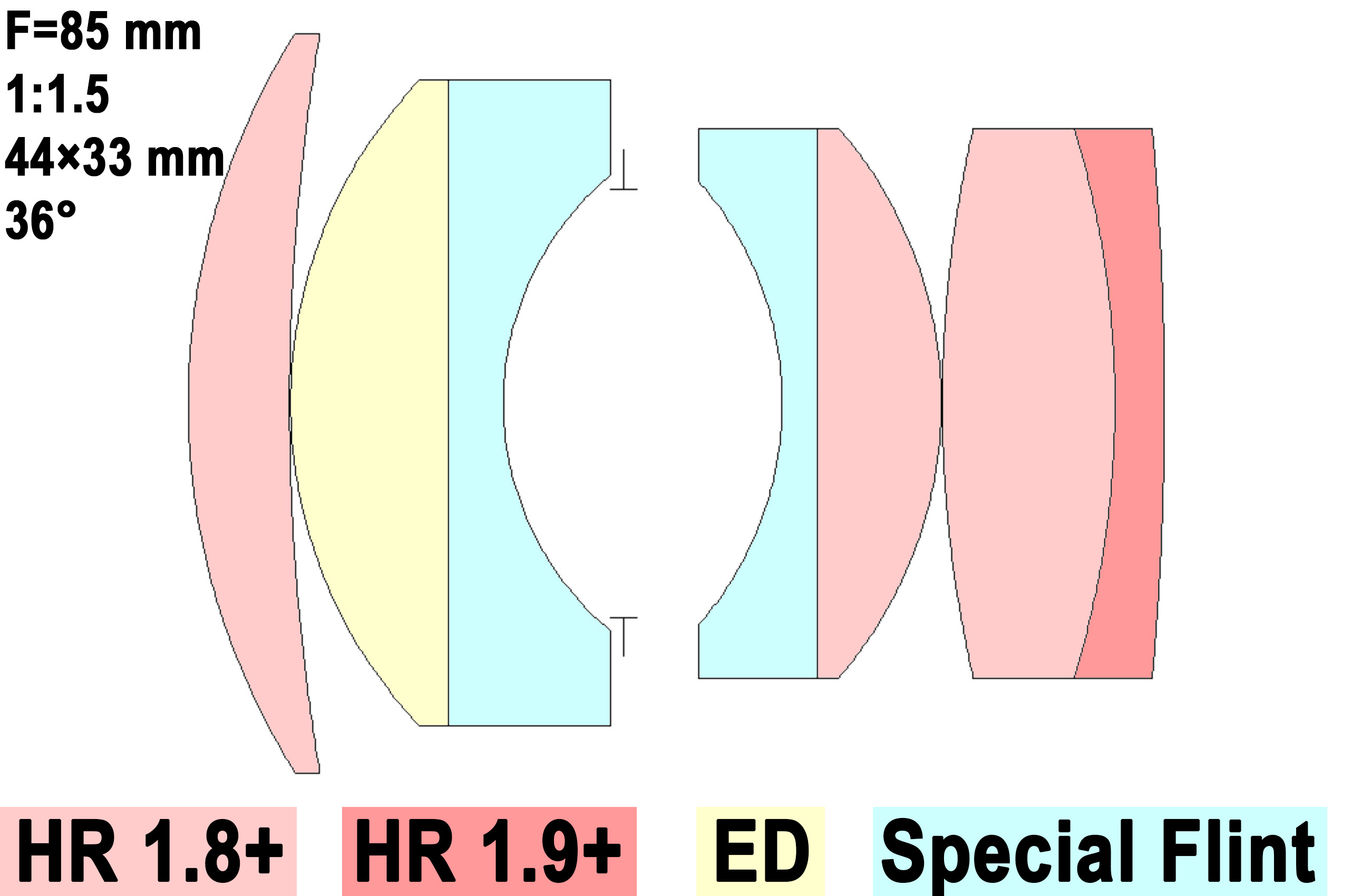
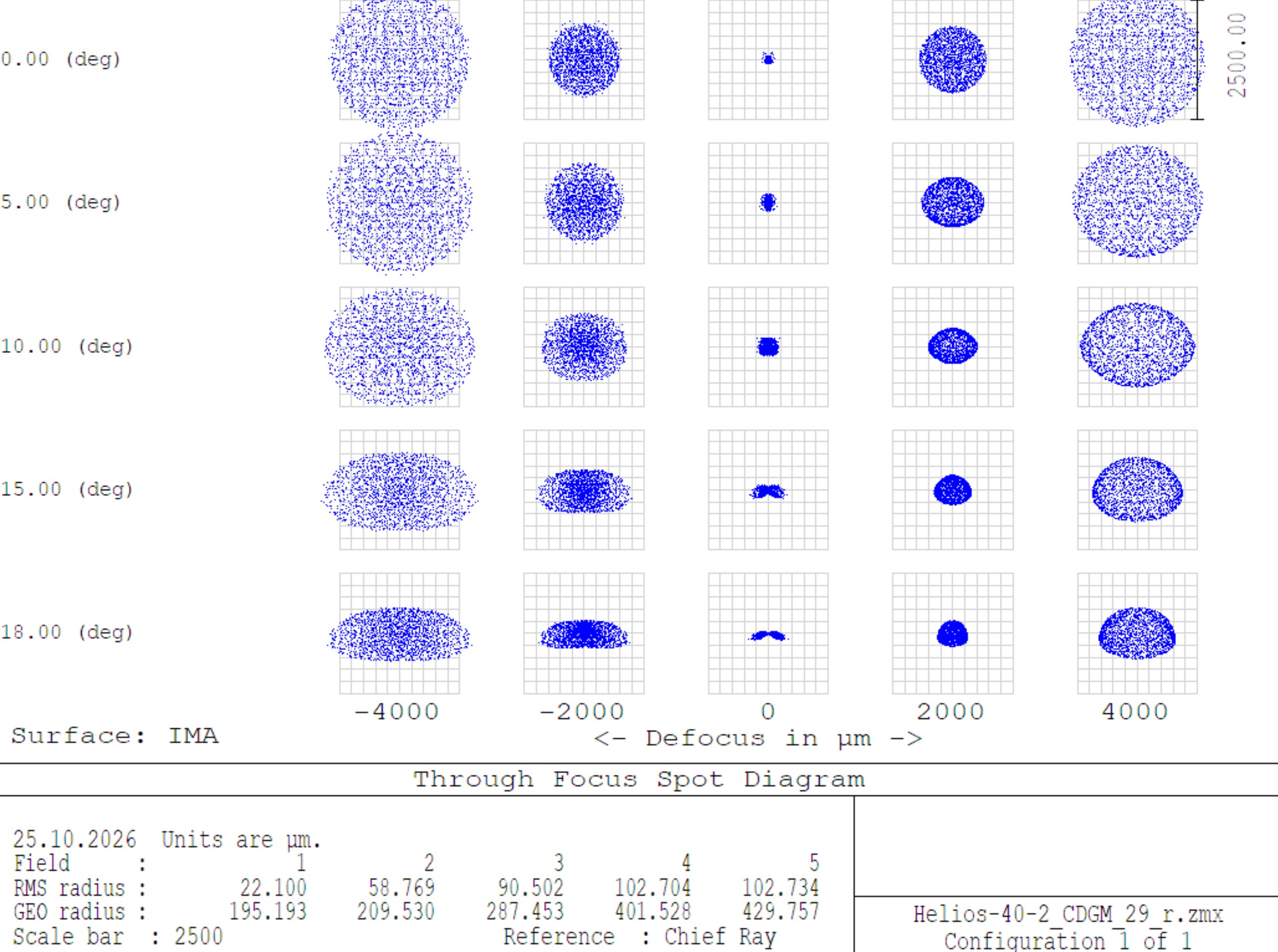
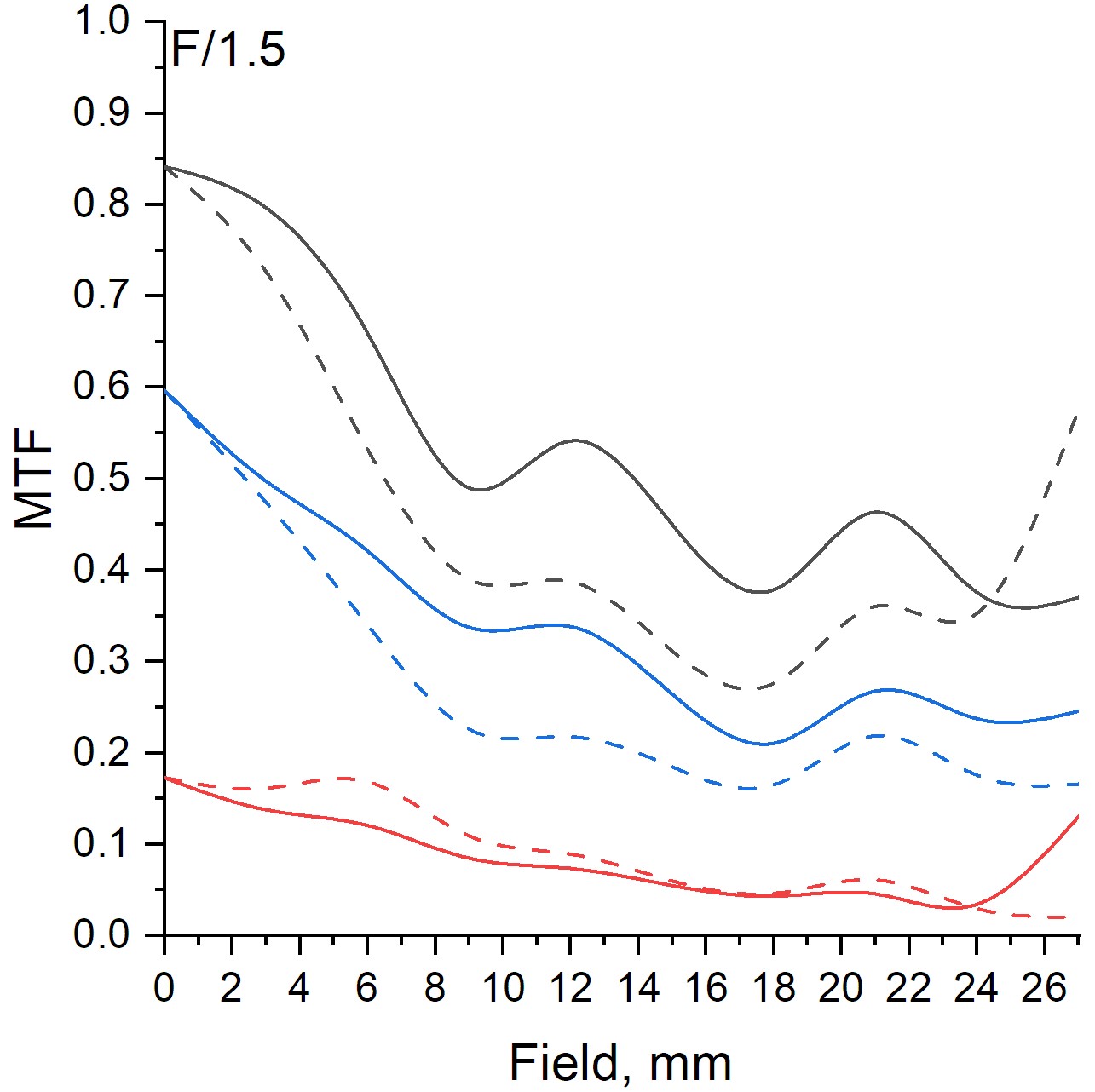
Designing an artistic lens with enhanced image quality while maintaining the characteristic bokeh of Biotar/Helios lenses is, as you can see, a challenging task, and the Chinese have clearly failed. The main problem is that it is extremely difficult to eliminate harmful aberrations in such a simple optical design, which don't significantly affect the bokeh but degrade quality, without affecting the relatively beneficial aberrations that provide the desired background blur. Achieving this requires the use of the most advanced optical materials and a somewhat more complex optical design. For example, I designed an 85/1.5 lens for 44x33mm sensors, offering image quality at wide-open apertures similar to the Zenithar 85/1.4 lens , but not devoid of bokeh blur. Achieving this result required the use of anomalous glass (special crowns and flints) and materials with an ultra-high refractive index. The optical diagram, spot pattern, and MTF graphs for the calculated lens are shown below. I also wrote about this experiment here.
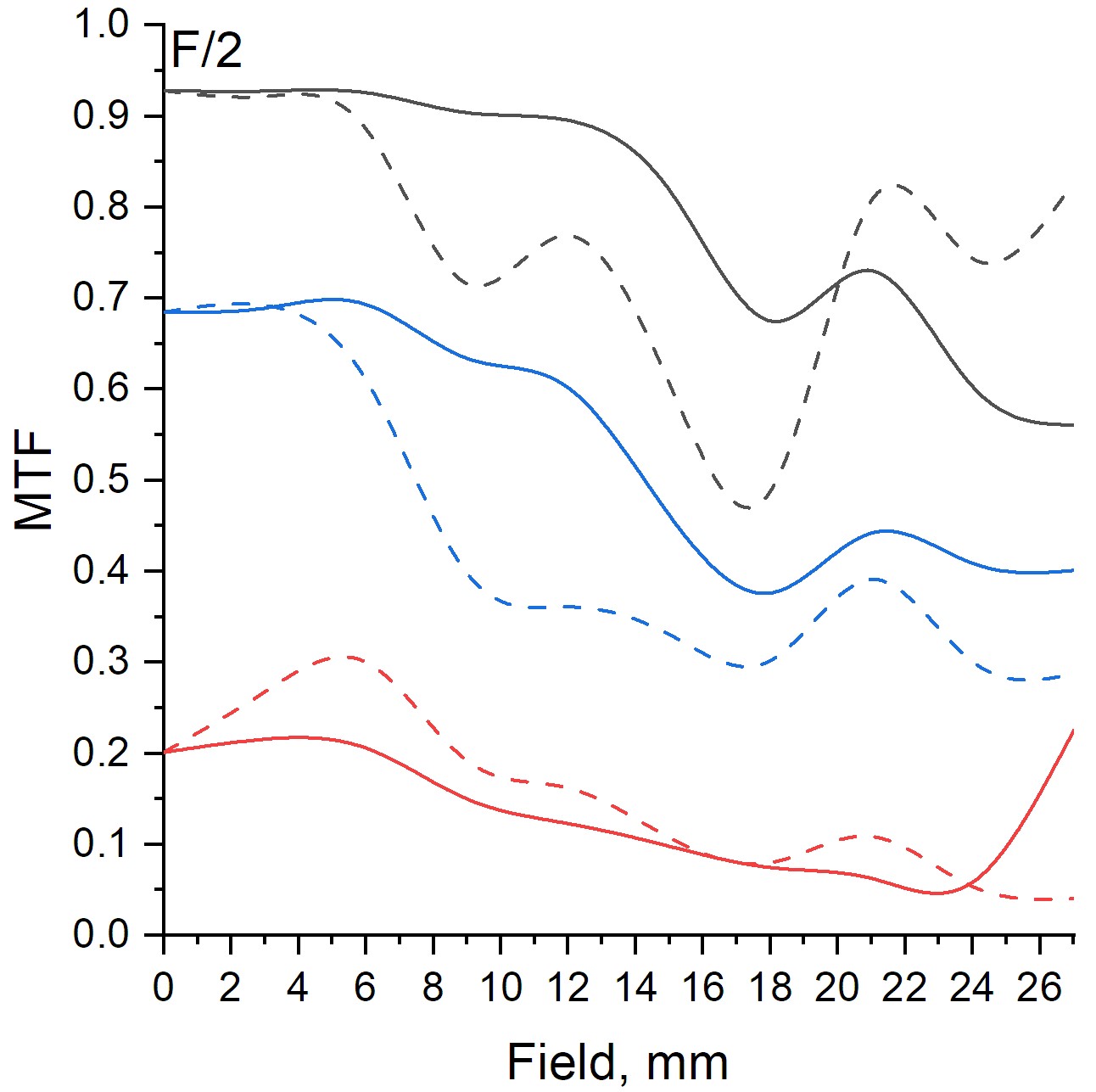
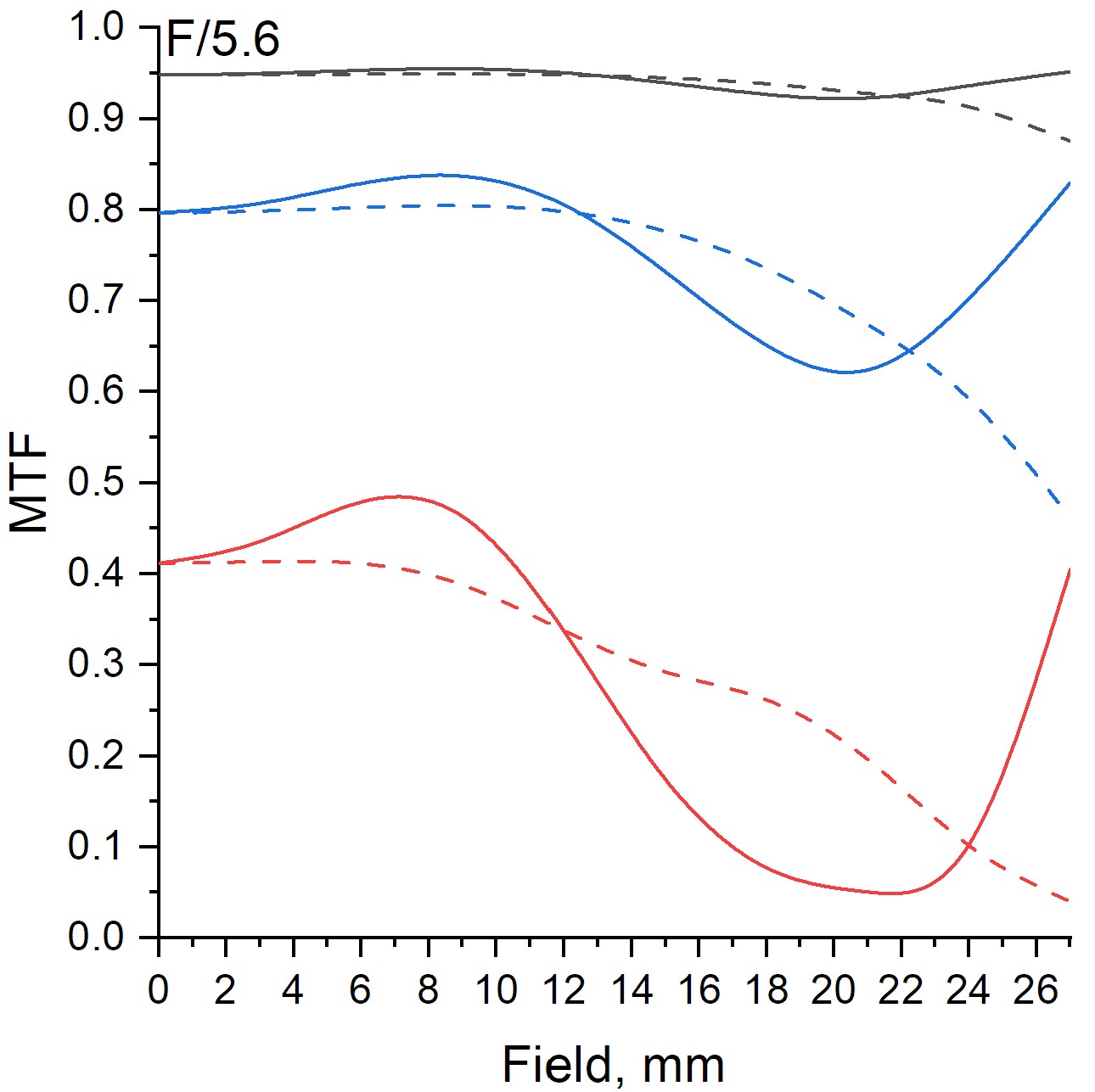
User experience. Photo examples
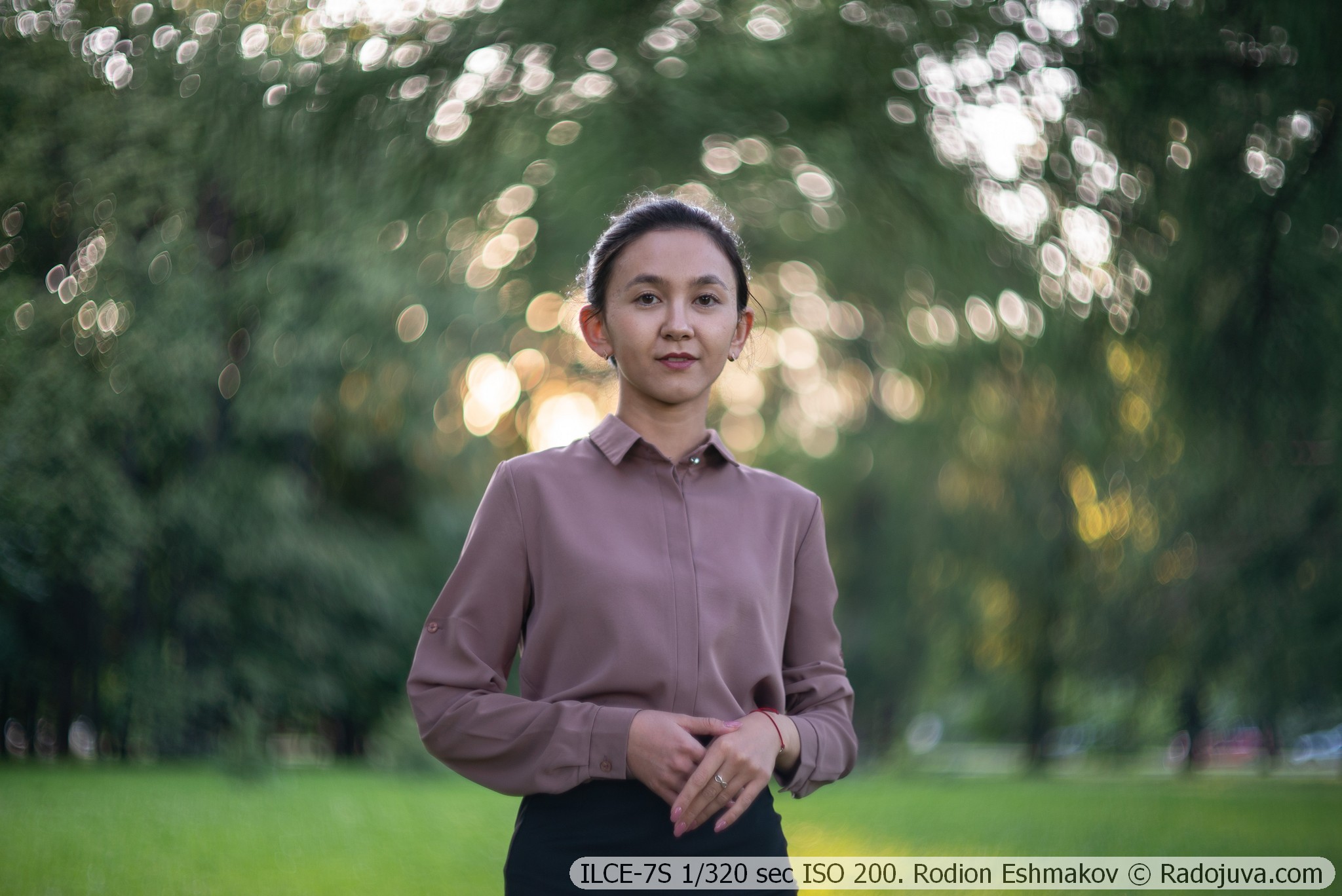
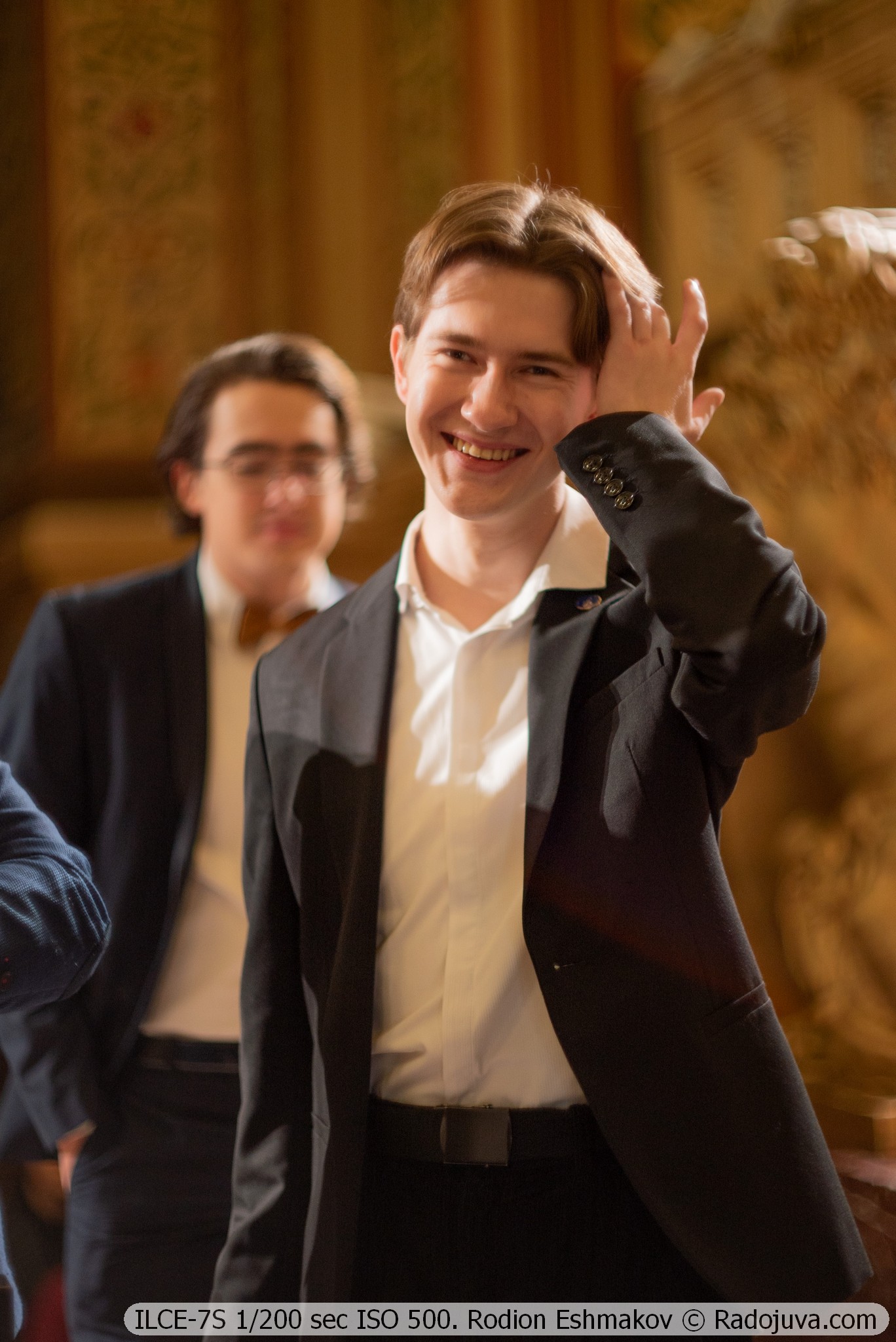
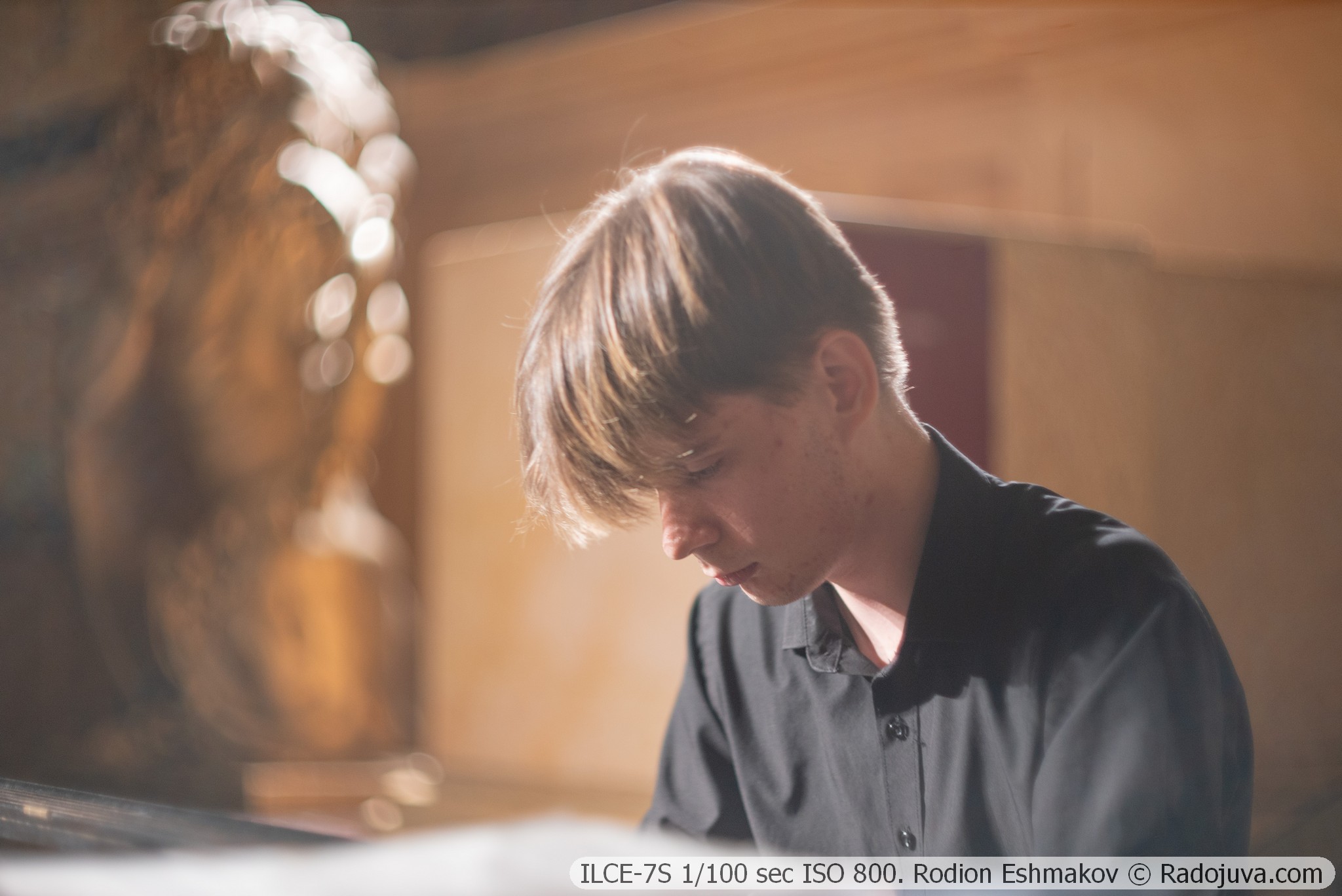
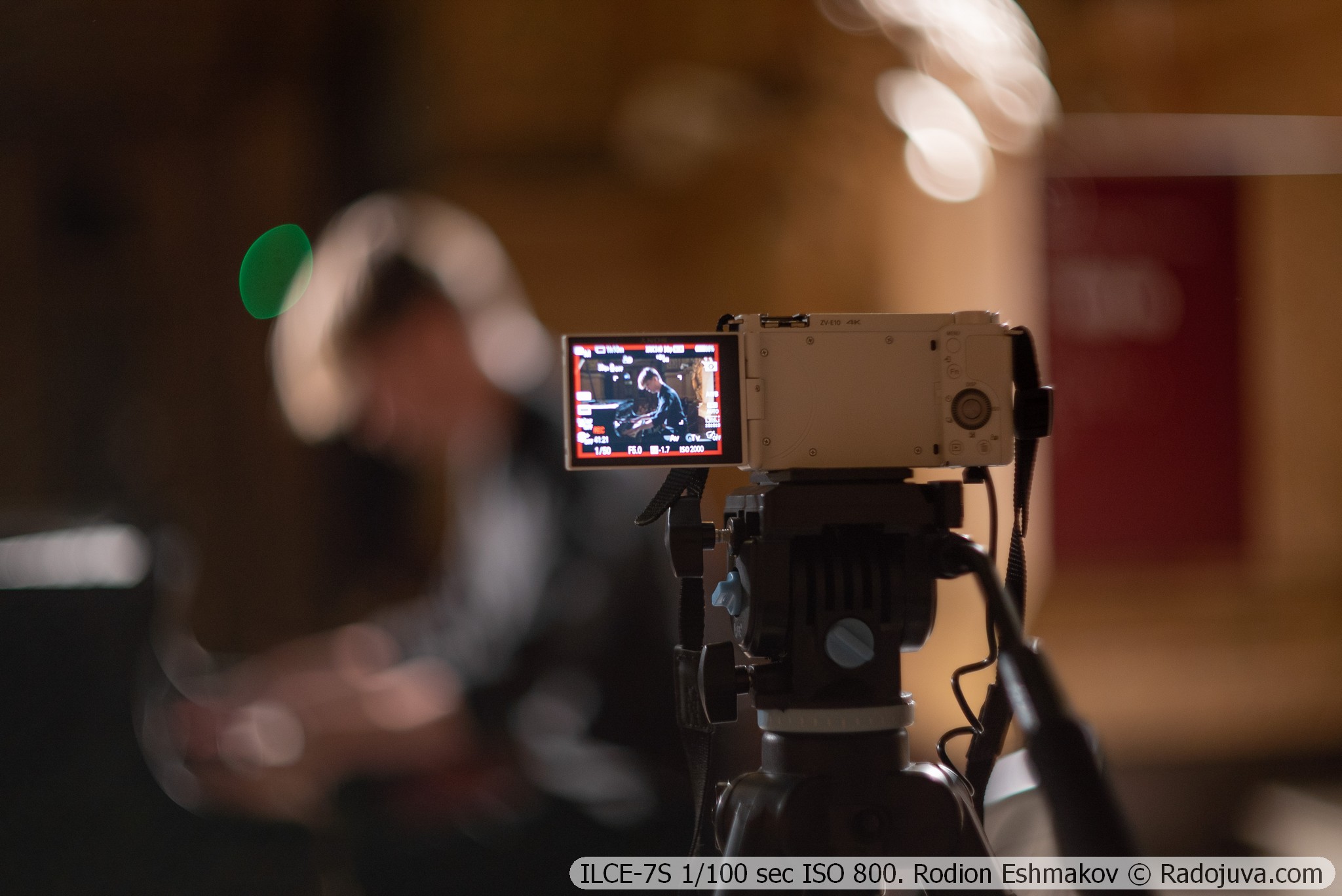
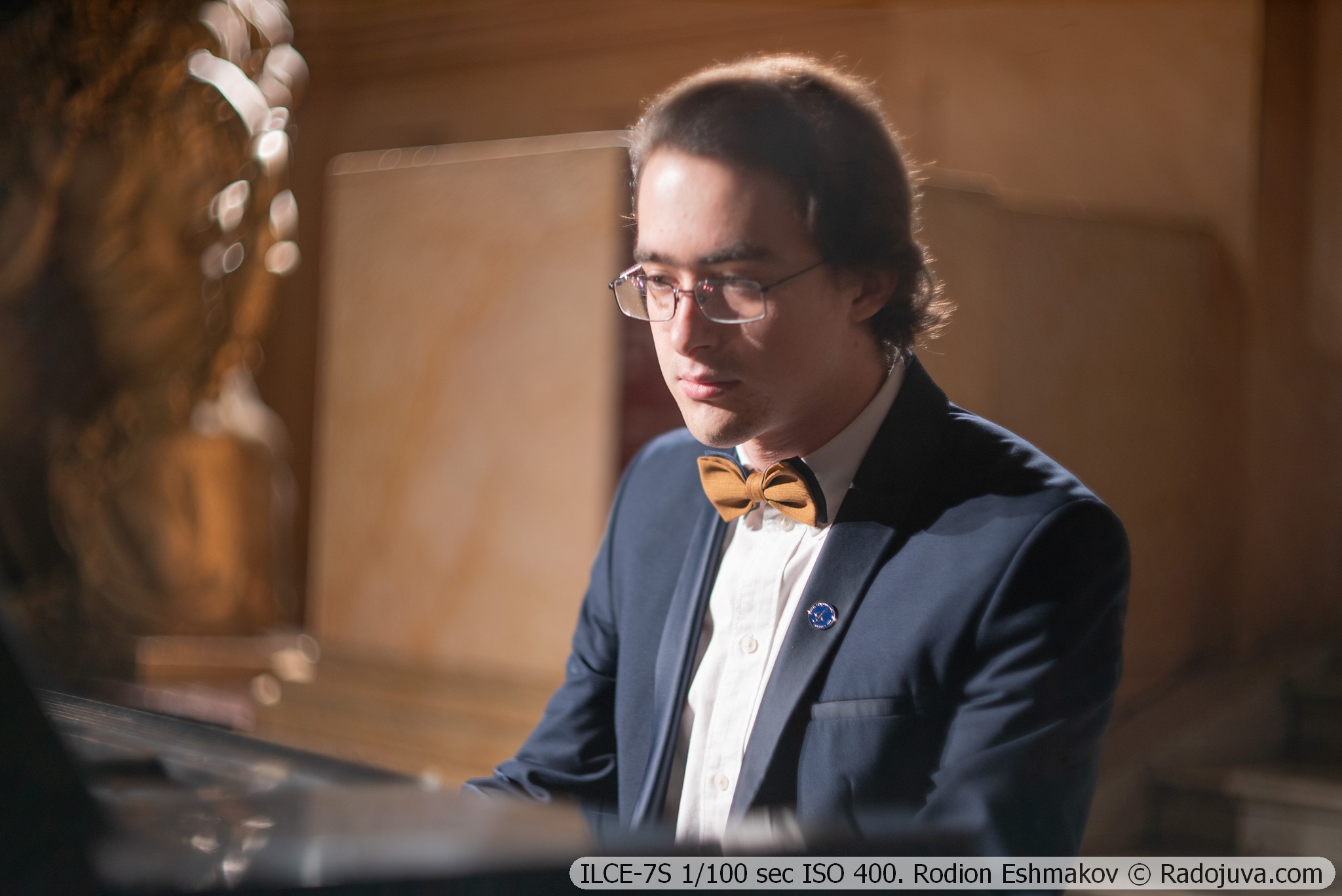
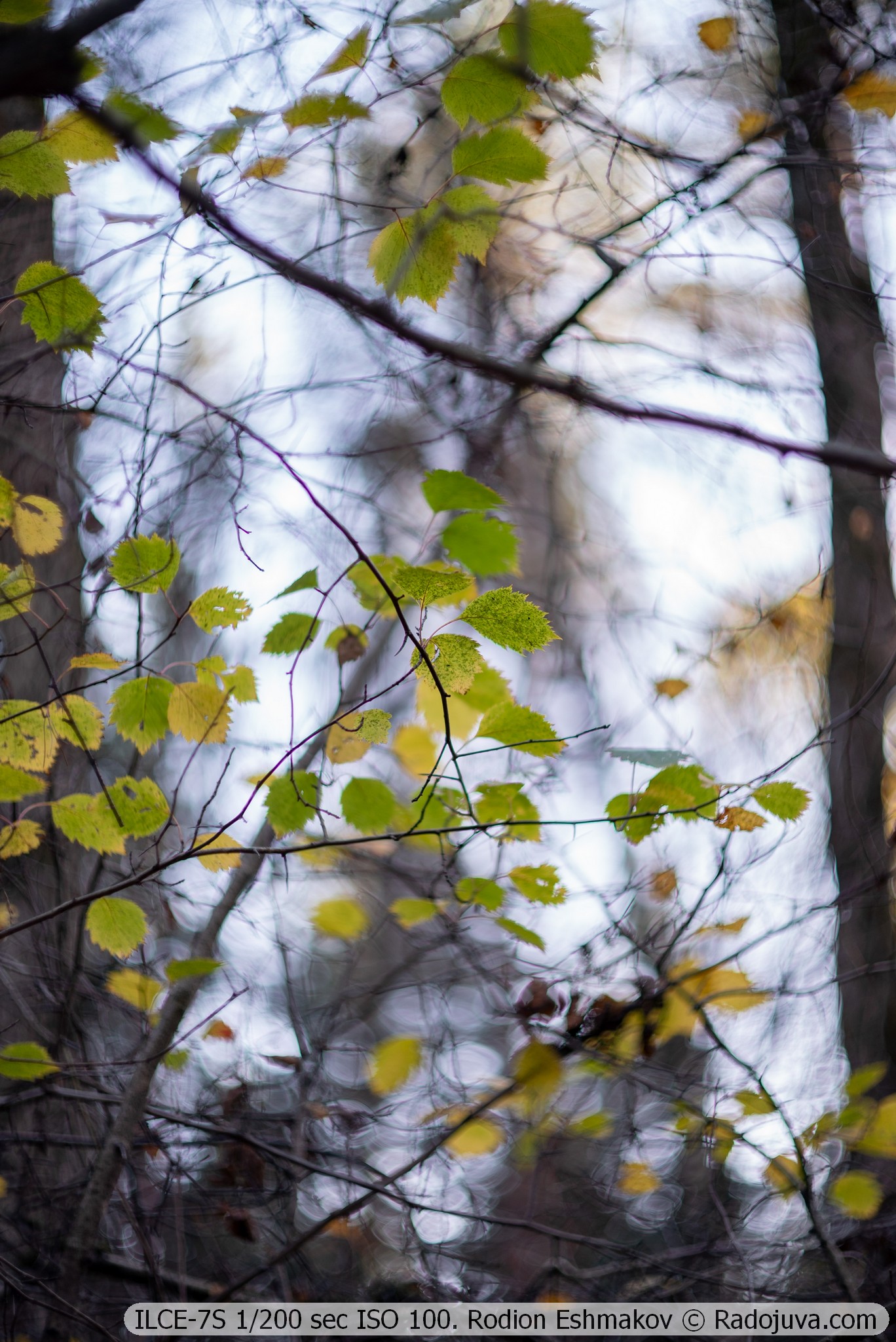
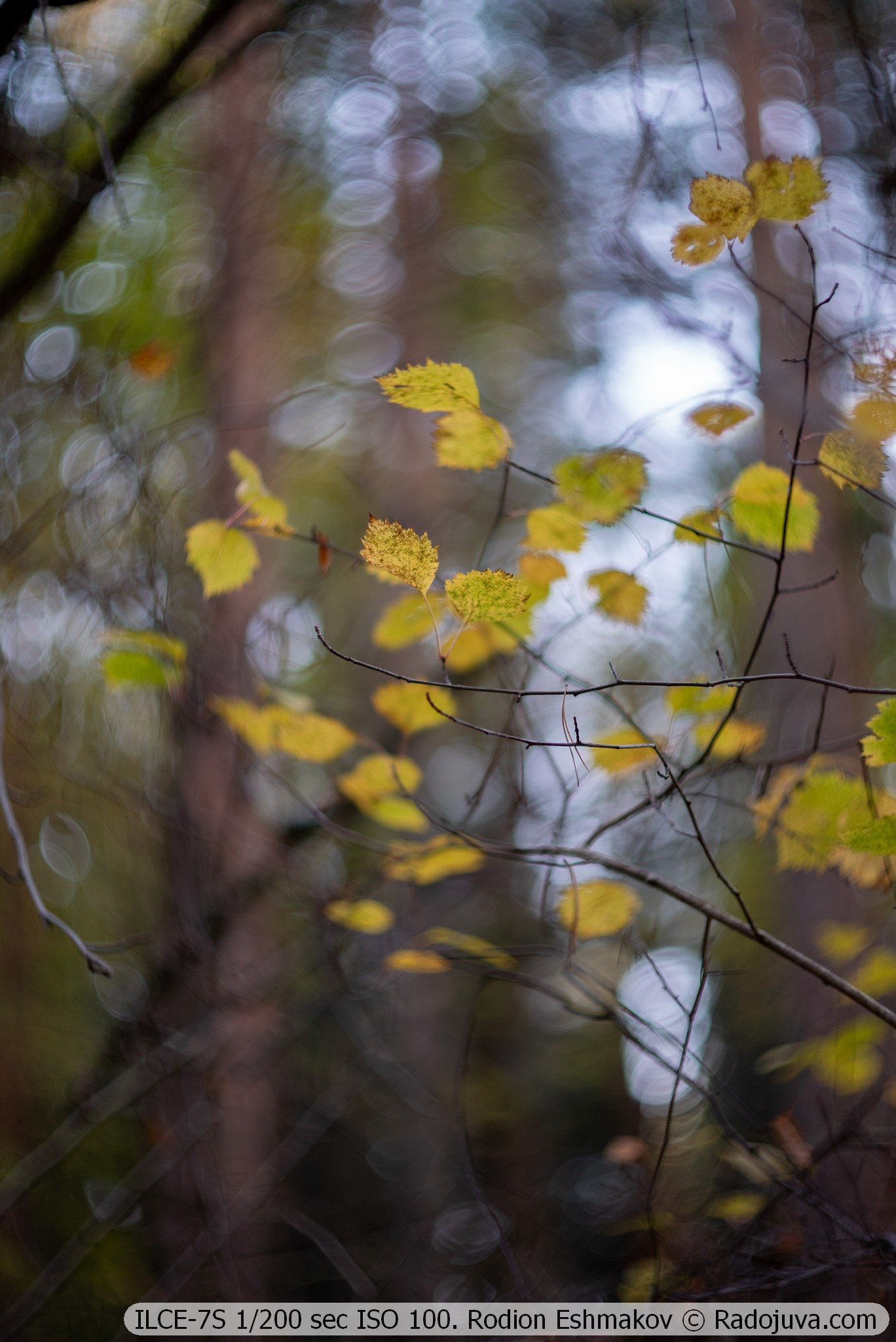
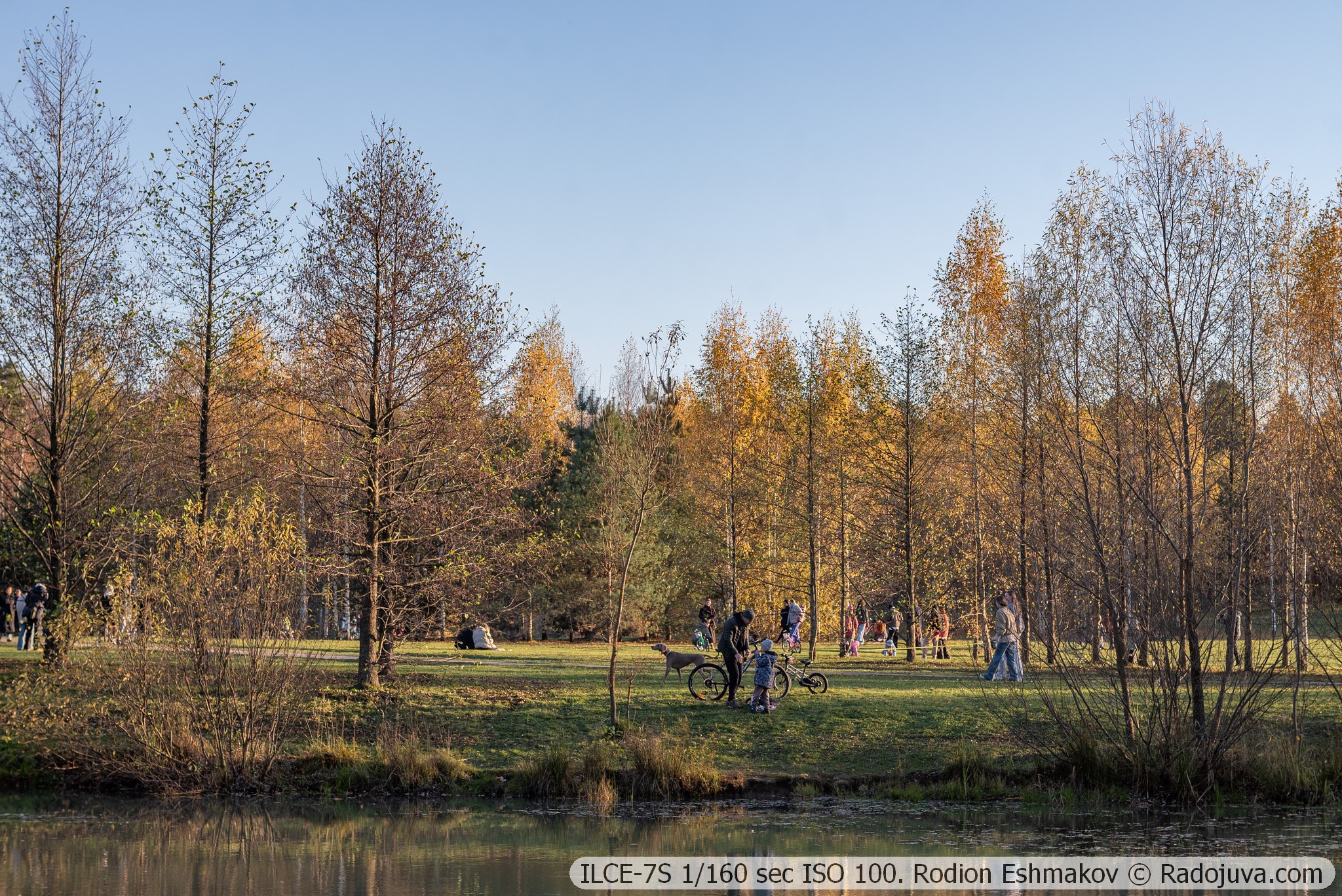
I'd previously used the Helios-40-2 night vision lens ( the Cyclops 85/1.5 ) for a long time, and I expected something at least as good from this TTArtisan 75/1.5. But my hopes were largely dashed: the lens offers at least moderate sharpness only in the very center of the 36x24mm frame, while at thirds, due to comatic aberrations and astigmatism, the image quality is simply atrocious, making it unbearable to shoot with. Even the Helios-40 doesn't have such depressing astigmatism "crosses"! Outside the 36x24mm frame, the lens is also extremely poor, so I don't recommend using it with medium-format cameras or tilt-shift adapters. The only advantage this lens has over the Helios-40 is its good contrast and color in simple lighting conditions, but backlighting is not as pleasing. Overall, I wasn't impressed with the TTArtisan 75/1.5. The Zenithar 85/1.4, which I reviewed earlier, seemed like a much more balanced tool for artistic photography, offering both pleasing, expressive bokeh and acceptable optical quality.
Below are some sample photos taken with the TTArtisan 75/1.5 and a full-frame Sony A7s camera.










Conclusions
Make a fool pray to God, and he'll break his forehead. Make the Chinese calculate artistic optics, and you get the TTArtisan 75/1.5. The main problem with the original Biotar 75/1.5—the lack of sharpness across the field—is exaggerated even further, and in exchange, we got sharpness right in the center that no one asked for. Only high-quality construction, a low price, and high availability make this lens an attractive toy for a few shoots. Still, if you want swirled bokeh, it's better to look either towards the Helios-40 85/1.5 or lenses with a more moderate aperture ( RO2-2M 75/2 ), including aplanatic lenses ( Selena 58/1.9 , KO-120 120/2.1 ). Good examples of manual focus lenses in the 85/1.4 class with beautiful vintage bokeh patterns are the Zenithar 85/1.4 and Nikkor AI-S 85/1.4.
10 main advantages:
1. Optical design using modern materials and coatings;
2. Good light protection, high level of overall image contrast under normal lighting conditions;
3. Small dimensions and weight compared to Helios-40 85/1.5;
4. Expressive bokeh – no worse than the original Carl Zeiss Jena Biotar 75/1.5;
5. High sharpness in the central area of the frame;
6. Convenient wide focusing ring with a smooth, long stroke;
7. Comfortable minimum focusing distance of 0.75 m;
8. Round pupil of the lens at any aperture value;
9. Convenient aperture control ring with clicks;
10. High quality exterior finish and assembly, beautiful design.
10 main disadvantages:
1. Off-axis image quality is simply non-existent up to ~F/2.8;
2. The overall image quality level is insufficient for working with modern high-resolution matrices even in the center of the field;
3. Pronounced color distortion in backlight due to green veiling;
4. No bayonet mount options, particularly Nikon F;
5. There is no aperture preset mechanism unlike the original Biotar 75/1.5;
6. 13 aperture blades do not produce clear stars from point light sources;
7. The lens works very poorly with 44x33mm matrices;
8. There is no correct infinity hard stop – there is a noticeable overrun beyond infinity;
9. The price is higher or comparable to the cost of higher quality lenses with similar parameters;
10. To disassemble the lens, you need not only slotted screwdrivers, but also Allen screwdrivers.

This lens allows you to unscrew the screws on the side and rotate the barrel relative to the mount to properly position the scale. From the factory, the scale is usually in the middle of nowhere.
The lens is questionable, but after using it, I really don't want to use the Helios-40 brick. And this TTArtisan suddenly shines on black-and-white film! I was really surprised how well it performed compared to digital.