
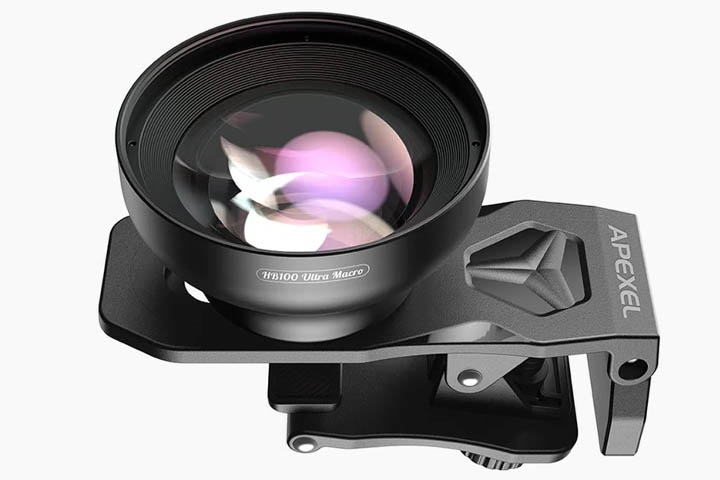
Apexel HB100 Ultra Macro
The Apexel HB100 Ultra Macro is a macro converter for smartphone cameras. This type of macro converter is also called a macro adapter or macro lens , and is sometimes referred to as a macro attachment.
Main features of Apexel HB100 Ultra Macro:
- Suitable for the vast majority of modern smartphones.
- approximately doubles the focal length of the lens and increases the required exposure by 2 stops (4 times). Very conditionally - this is a 2X macro-teleconverter.
- weight is 135 grams (without lids)
- There is a hot shoe, for example, for installing a portable light. The rotation is tight, it is fixed securely.
- 52 mm filter thread. The camera module of the phone itself is responsible for autofocus, the filter thread of the macro attachment remains fixed. A special ring or other light can be installed in the filter thread, allowing you to conveniently and efficiently illuminate objects.
- protective coating of optics.
- minimal impact on distortion and vignetting.
- the body is made entirely of aluminum (clip and macro adapter body)
- The clip uses silicone seals on the macro attachment side and on the smartphone display side to prevent damage to the camera module and the phone display. Also, the area of the silicone seals is large enough to damage the smartphone display or camera module with excessive pressure.
- The clamping screw and silicone inserts securely fix the clip; the clip does not shift on its own, even if you hold the smartphone by it or handle it carelessly.
- The front protective cover is comfortable, but without the brand logo (regular, plastic)
Sample Photos
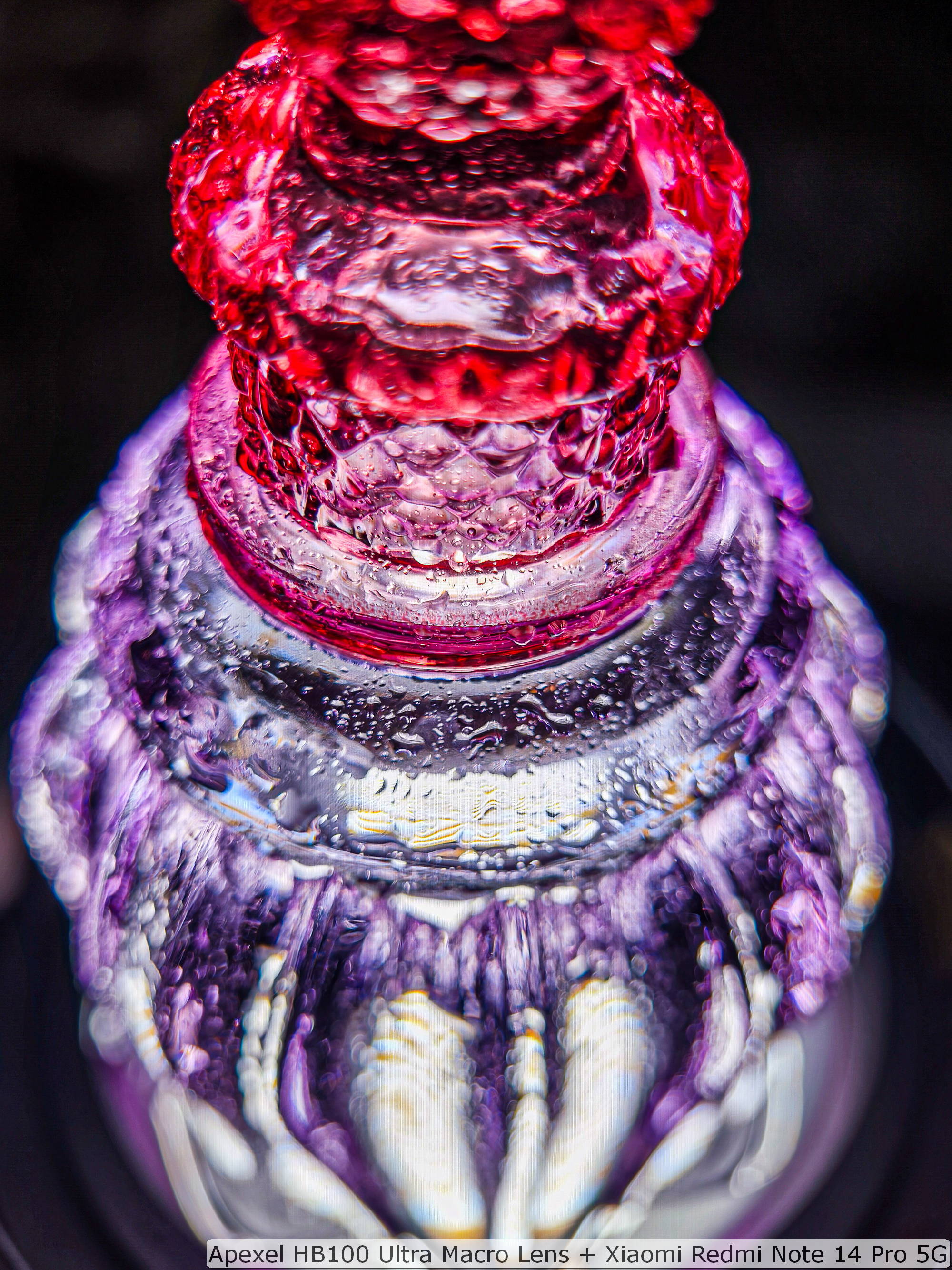
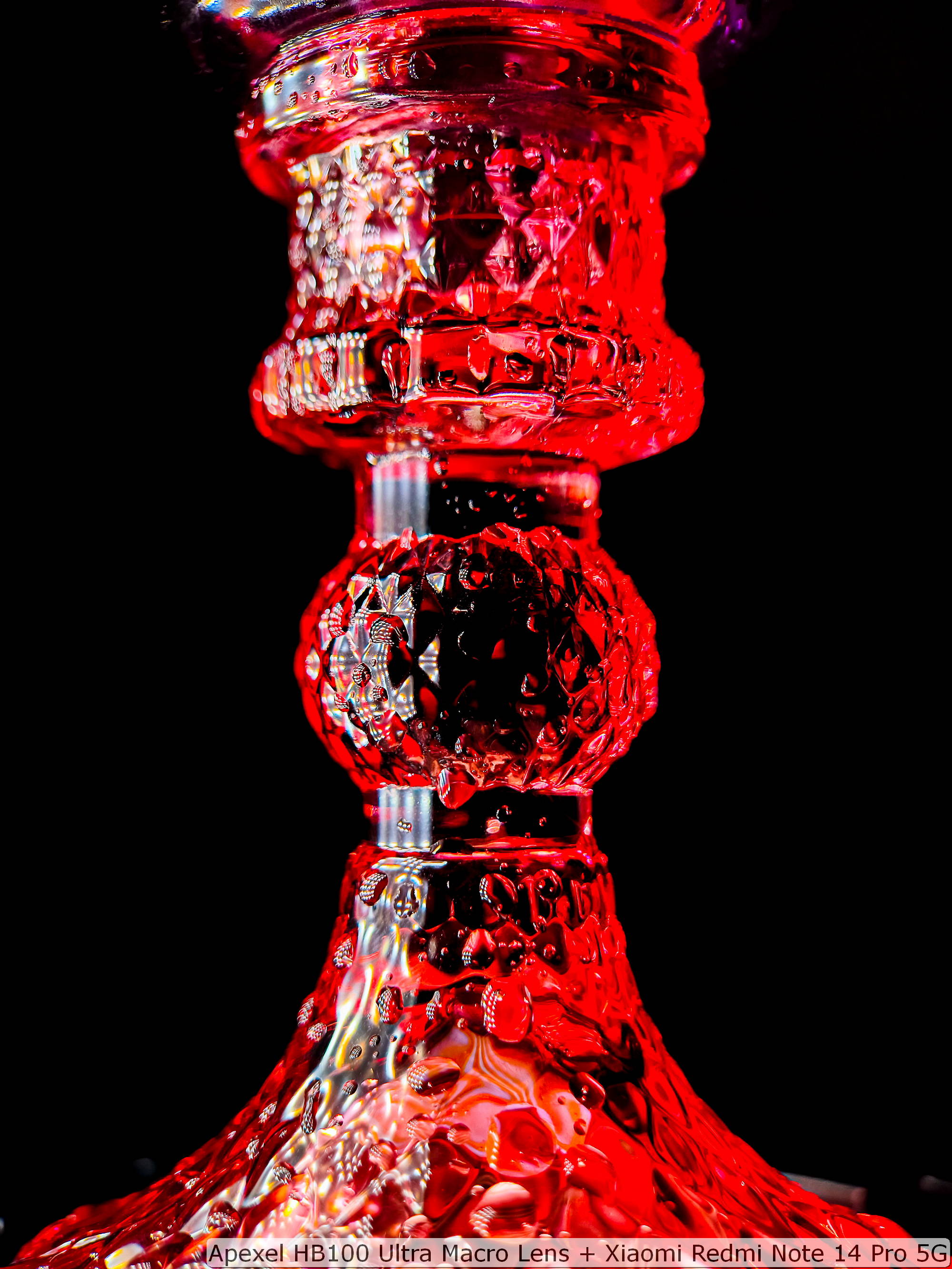
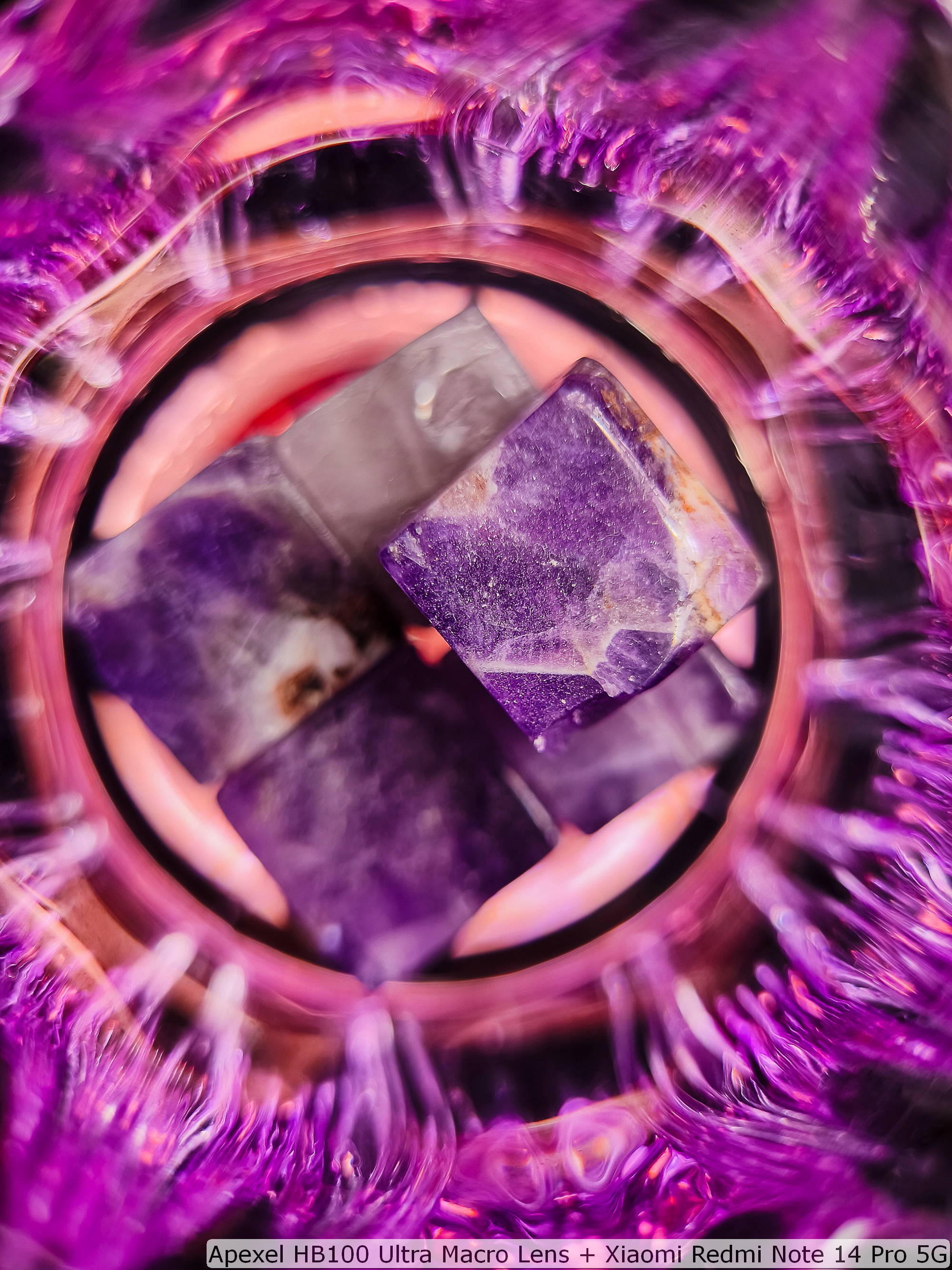
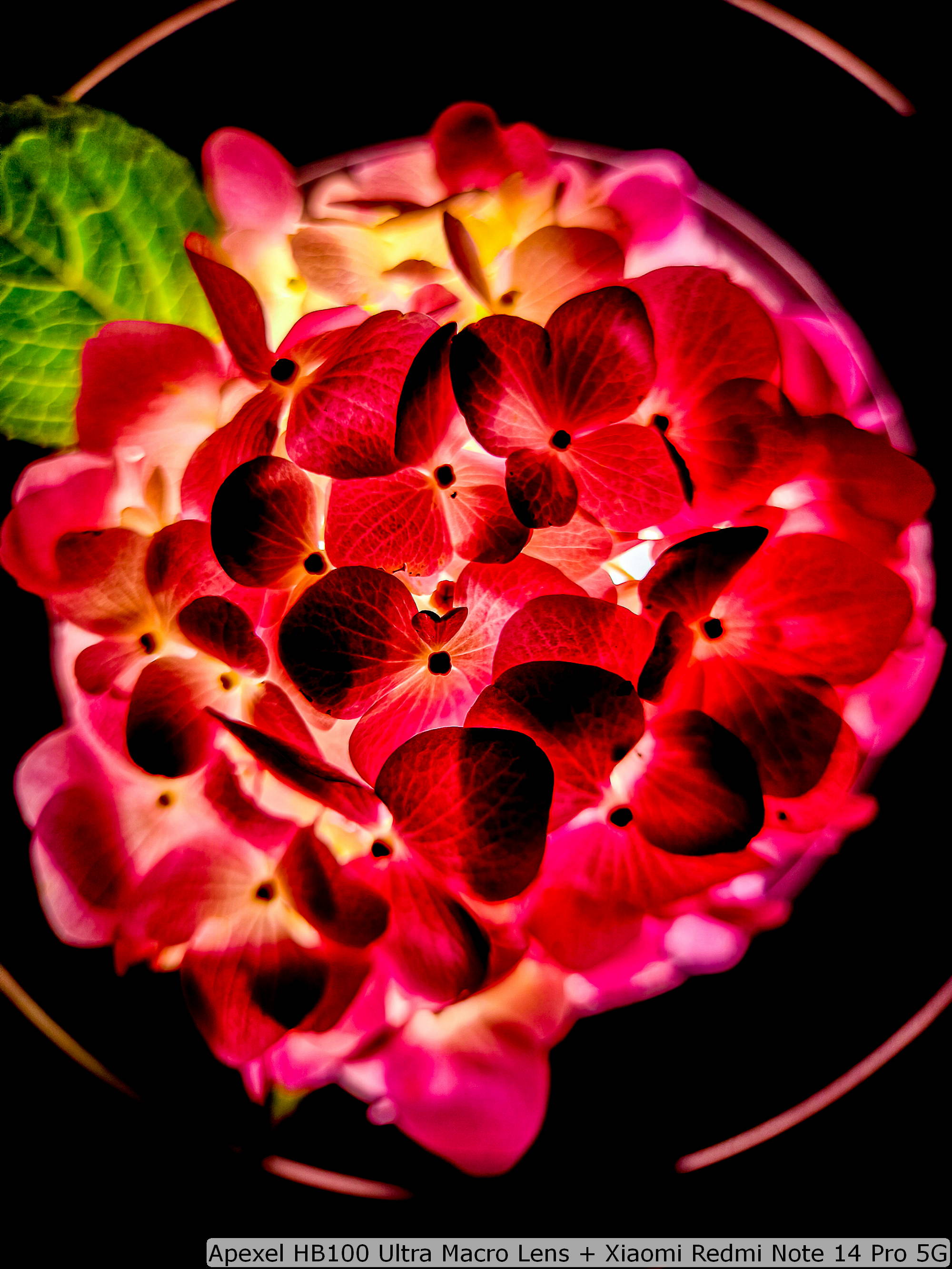
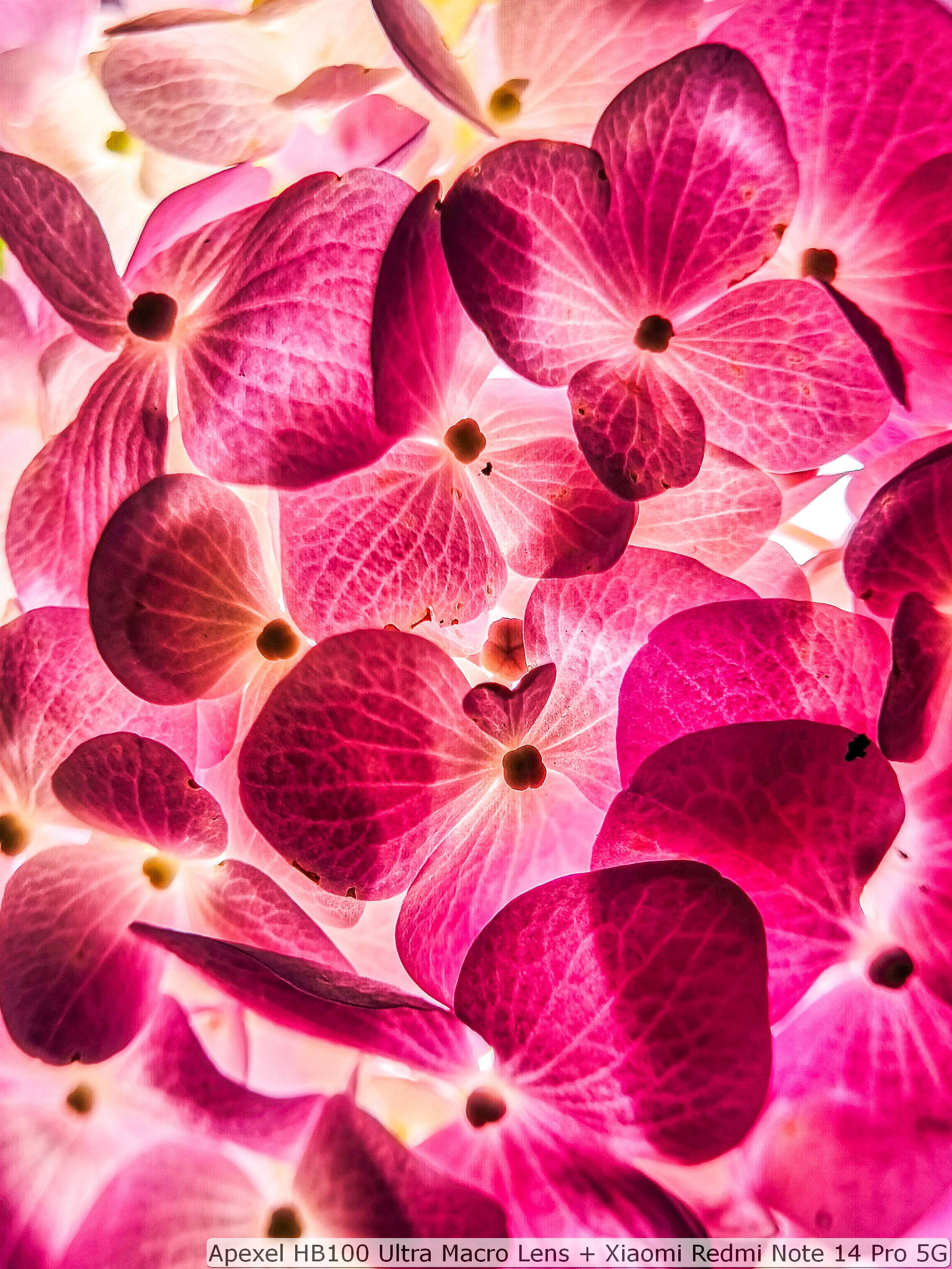
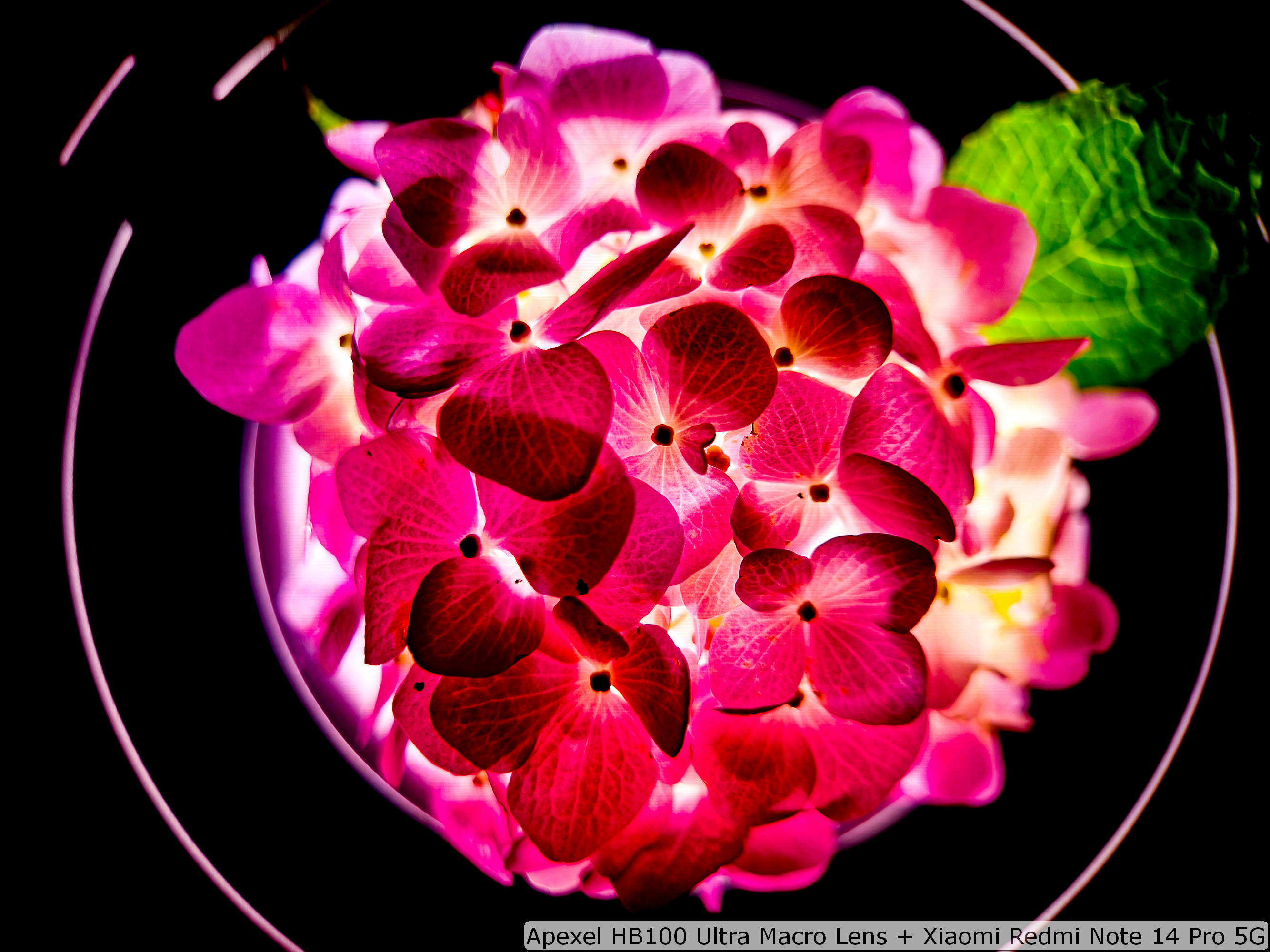
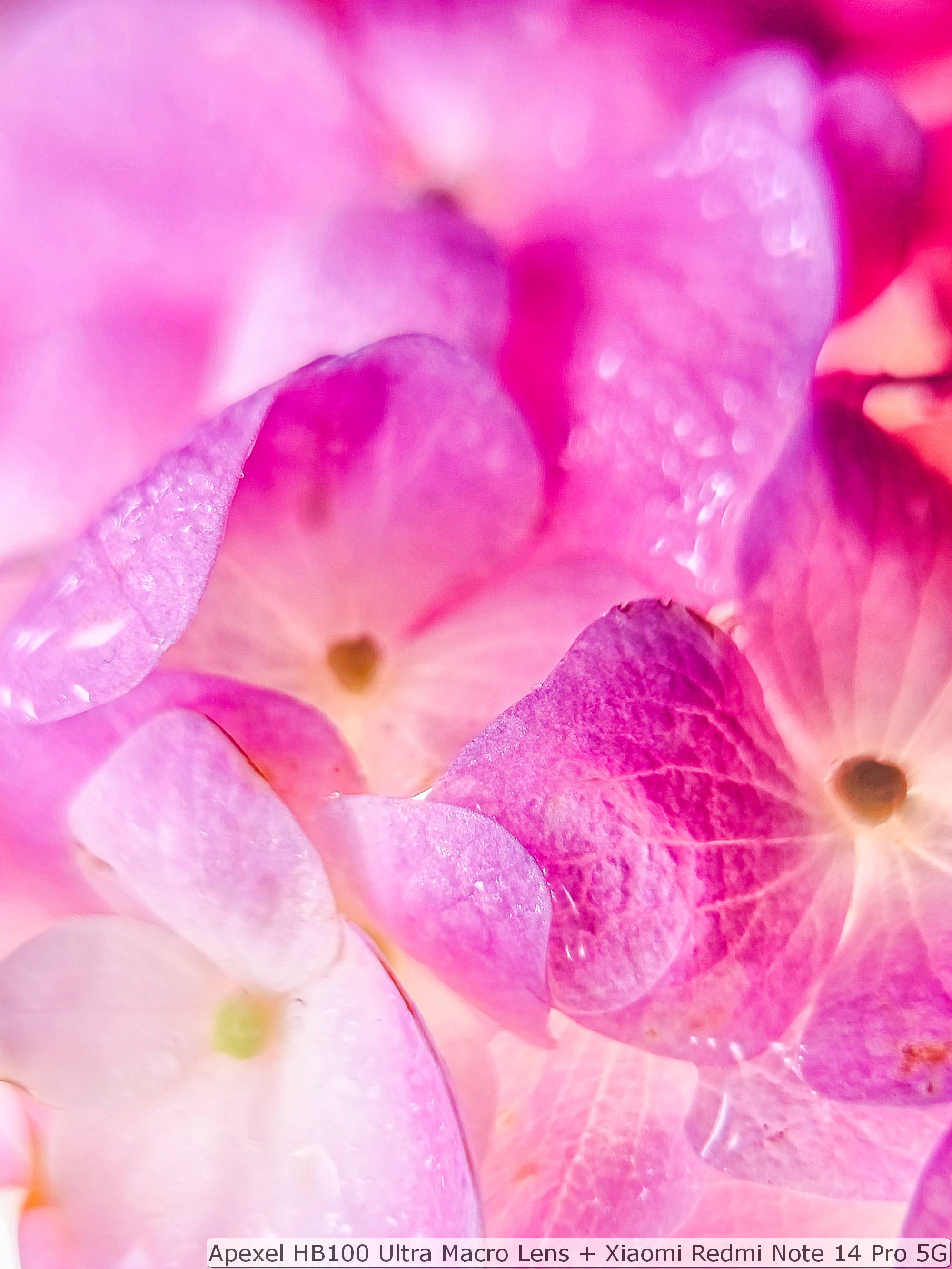
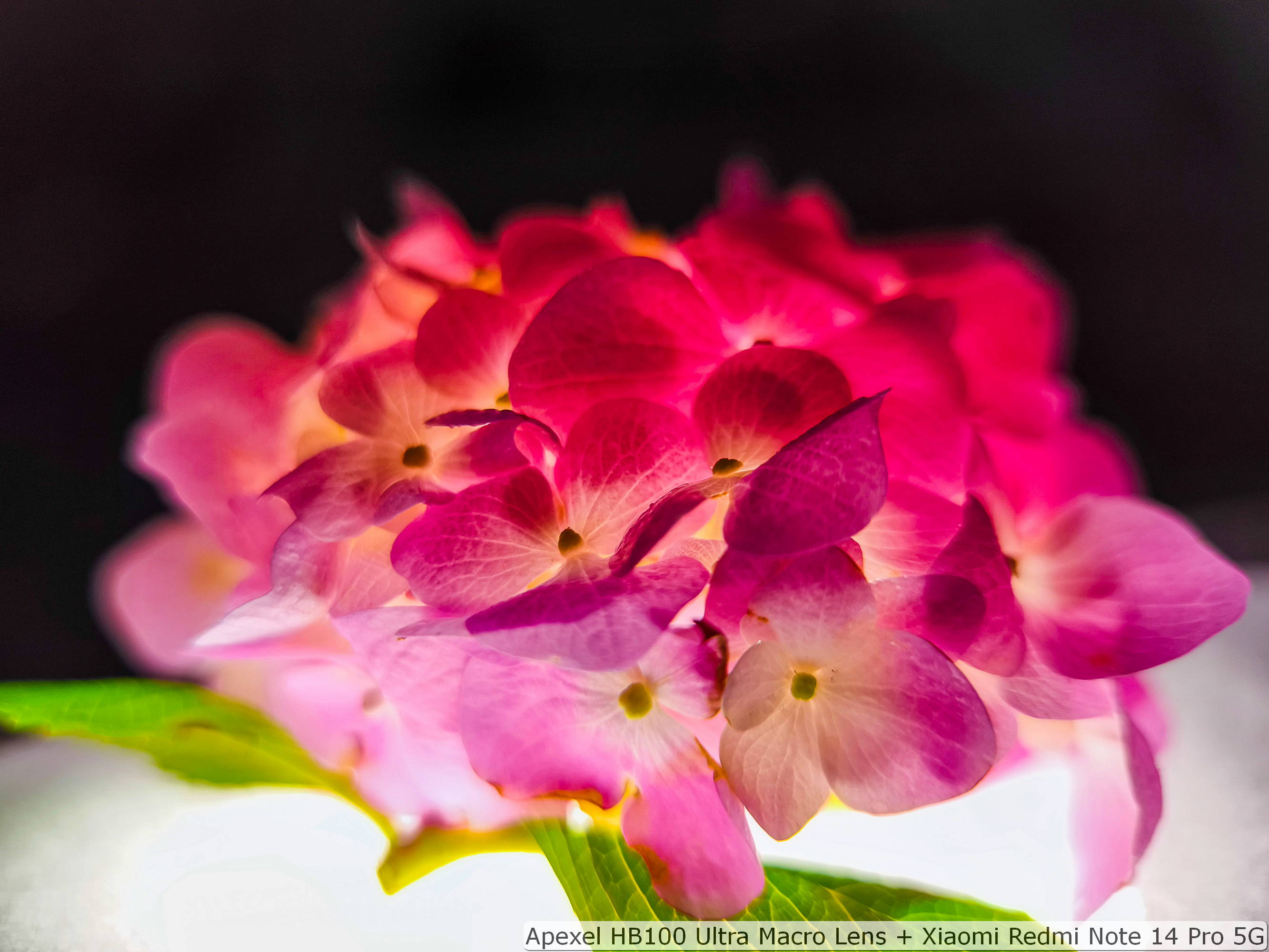
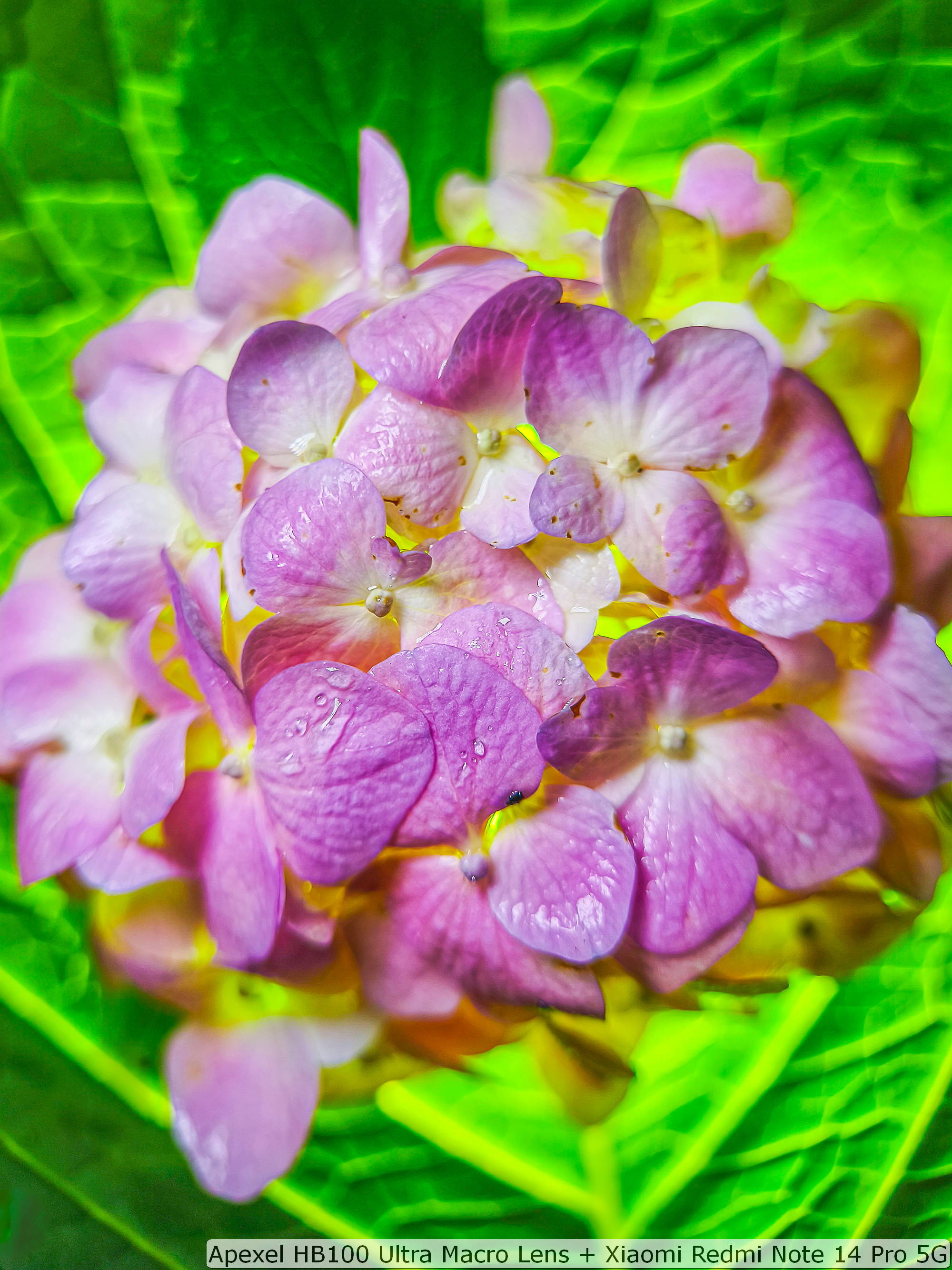
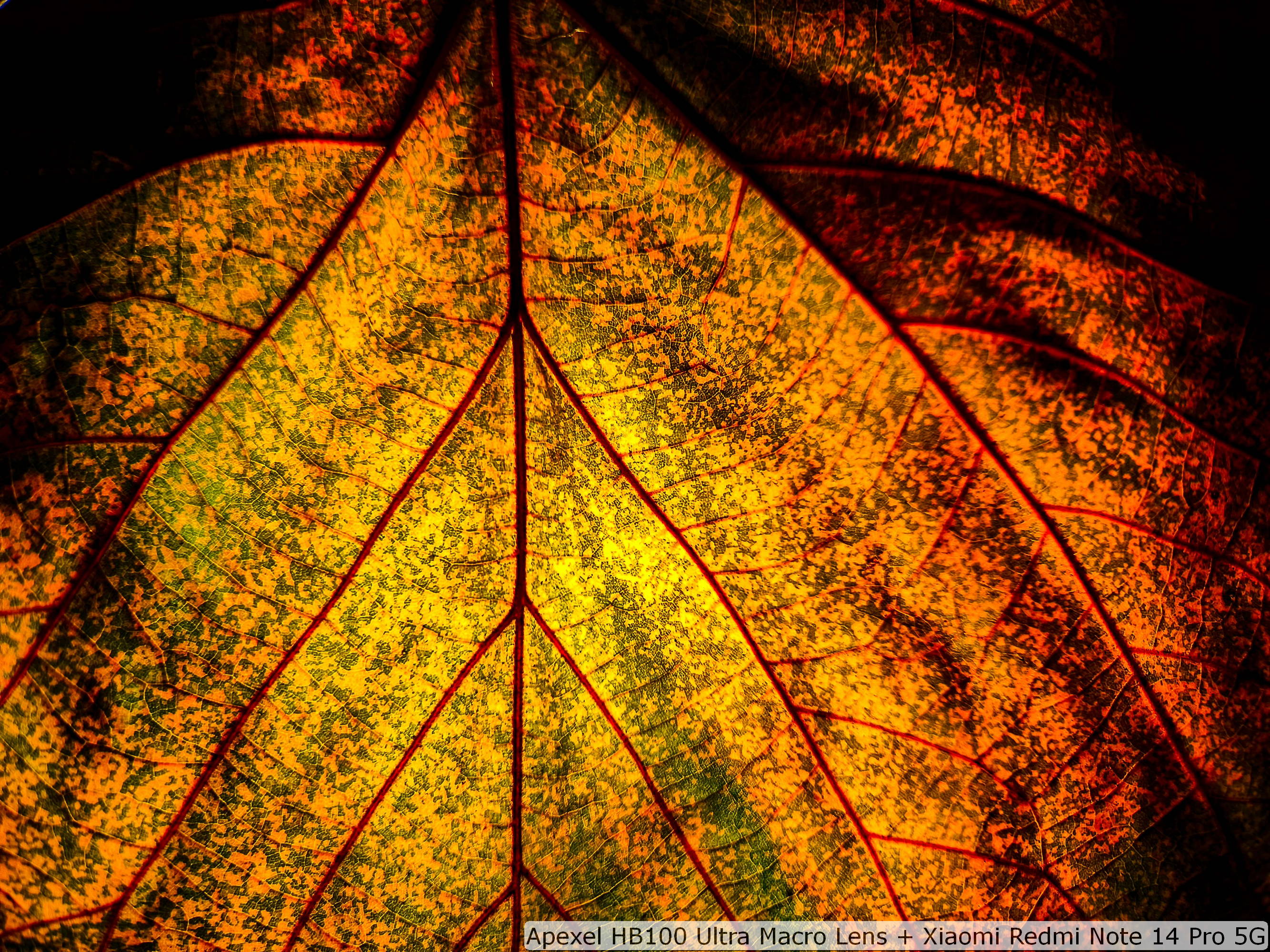

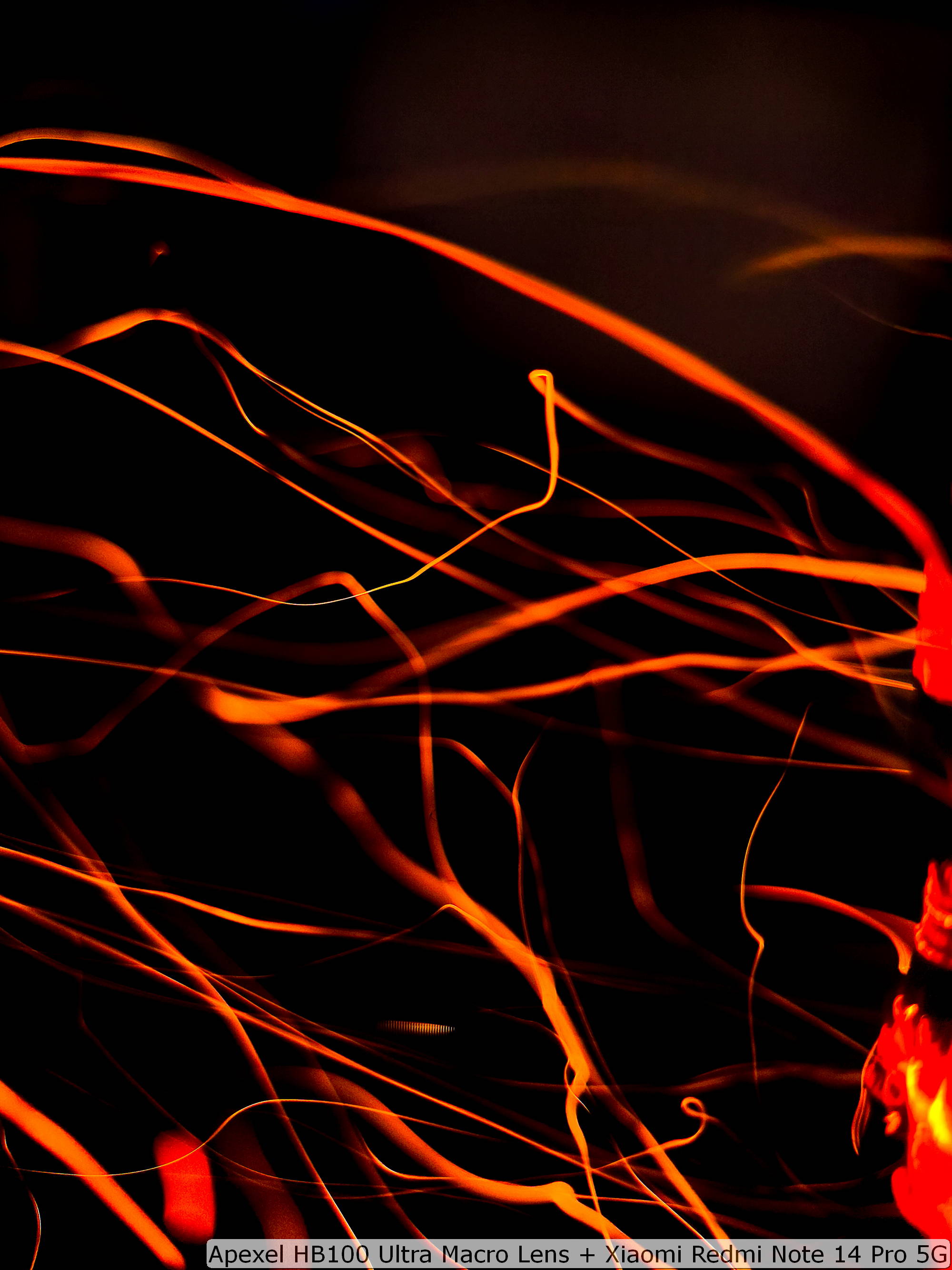
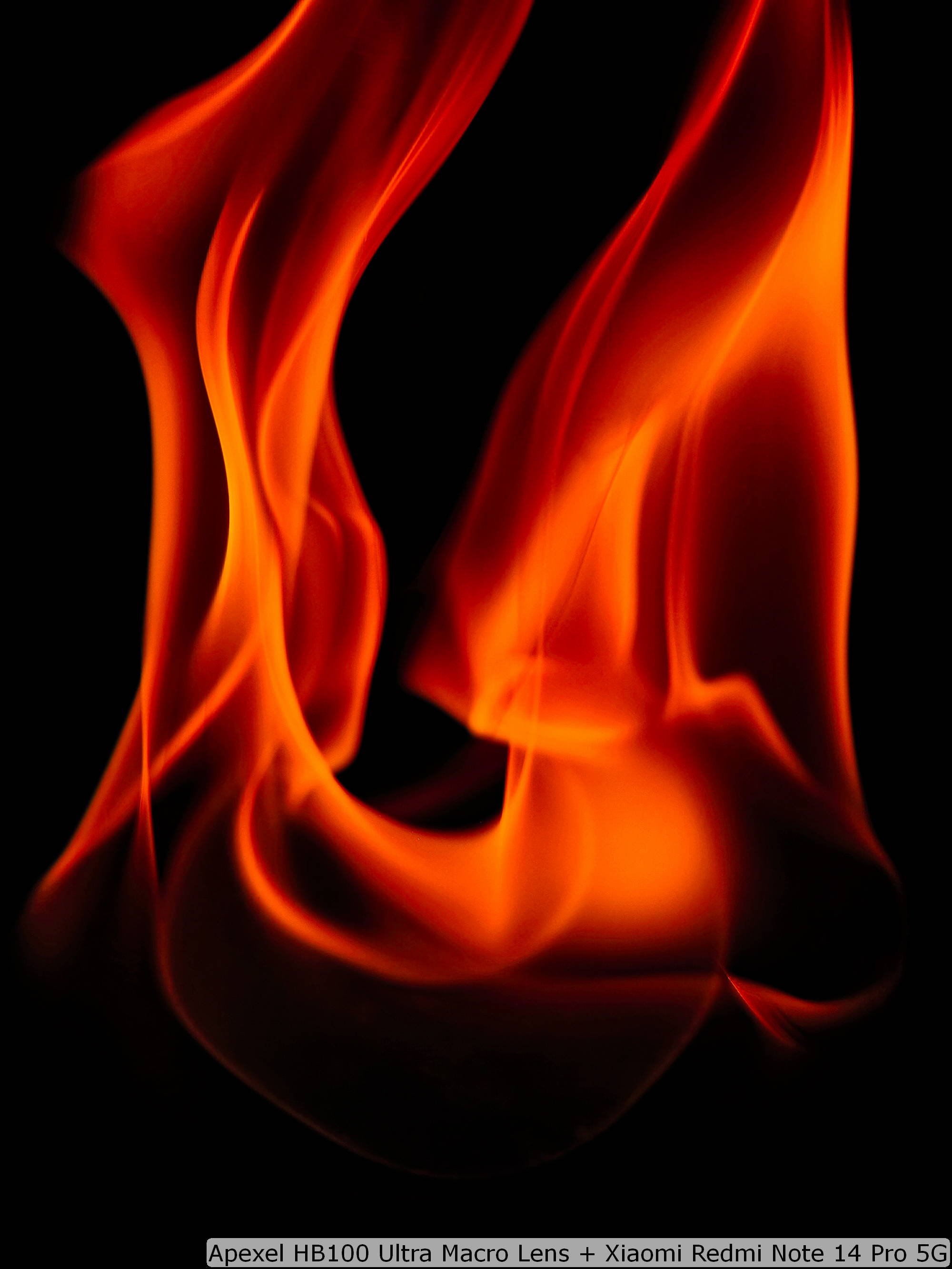
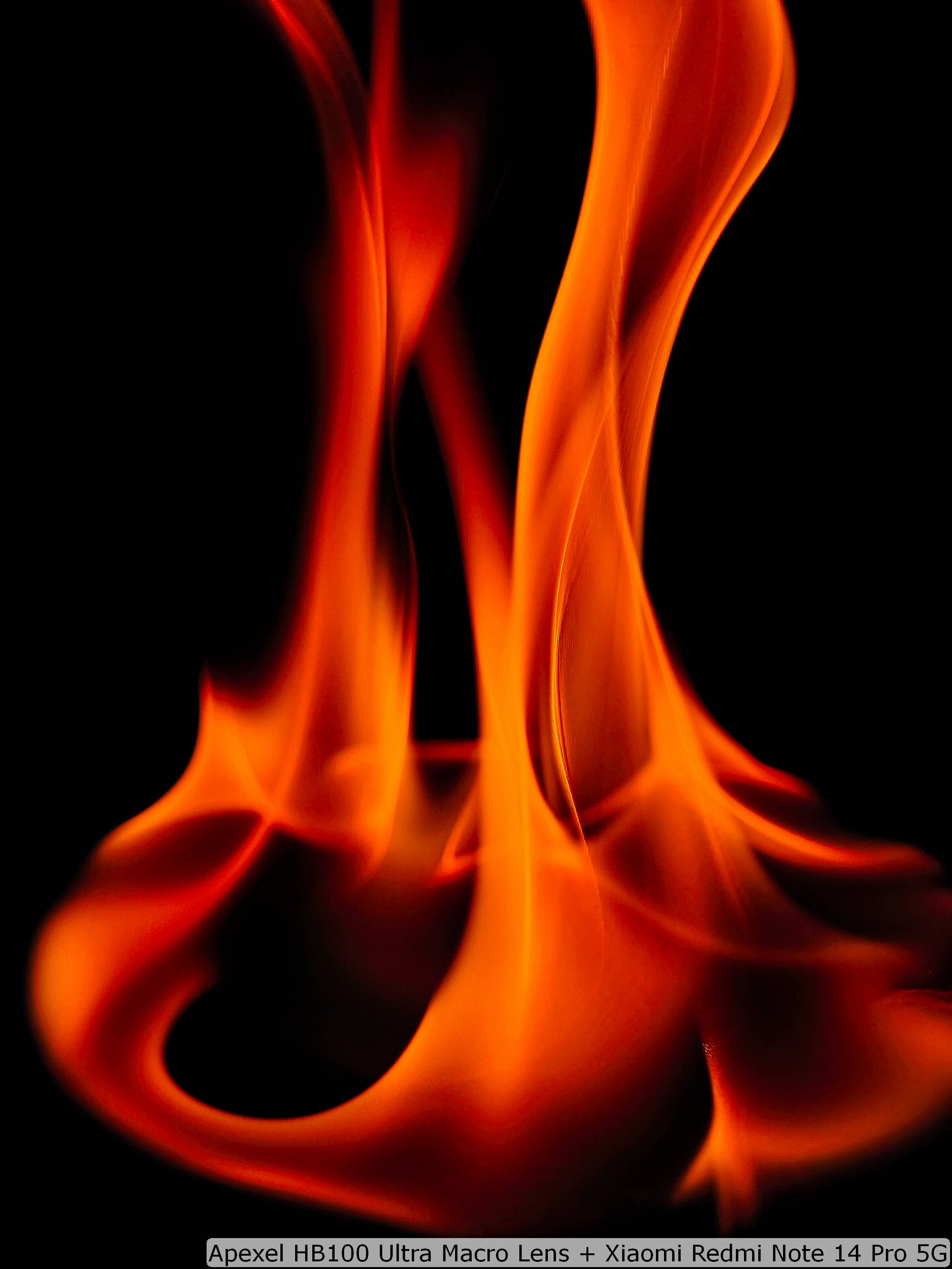
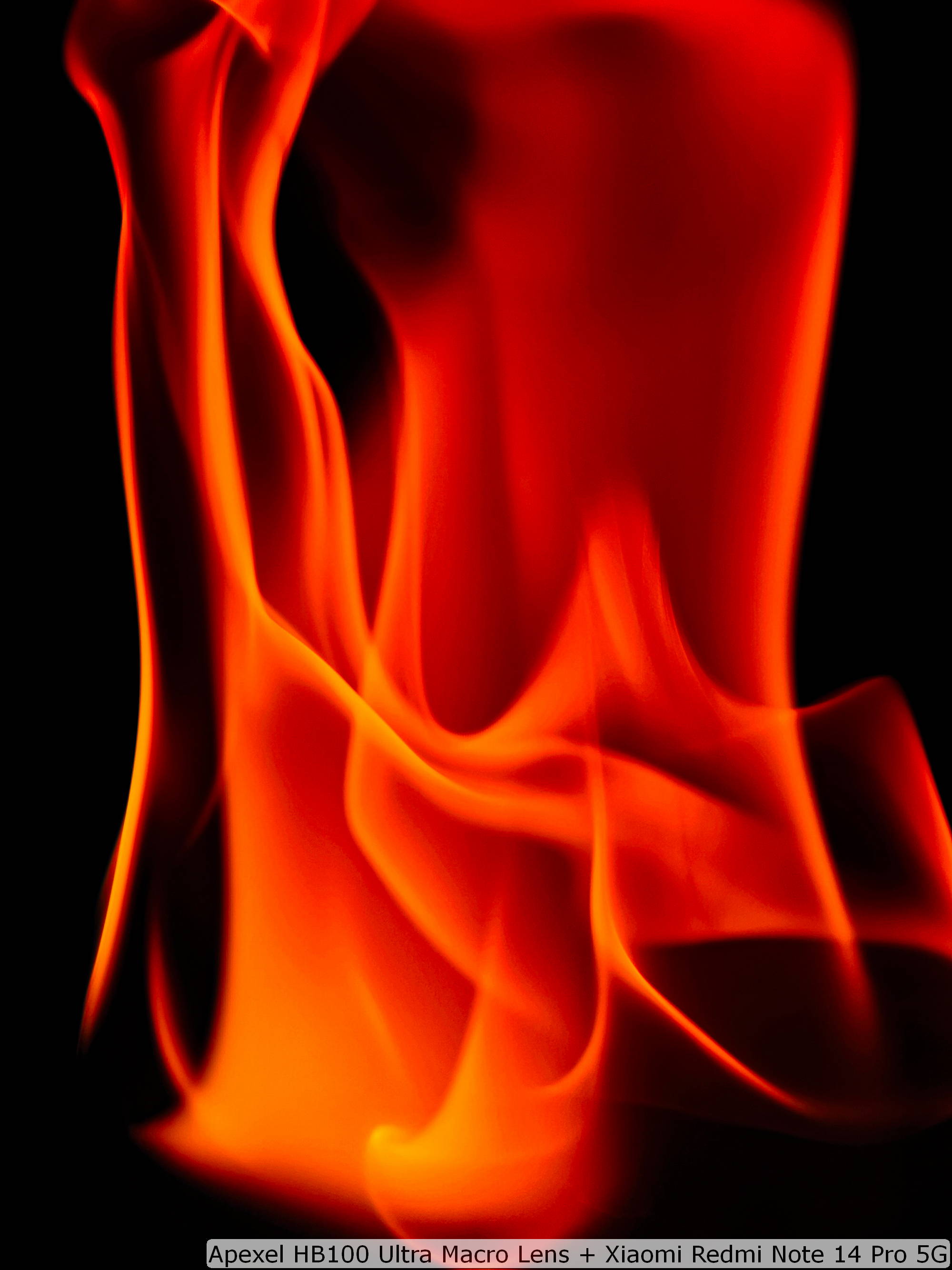
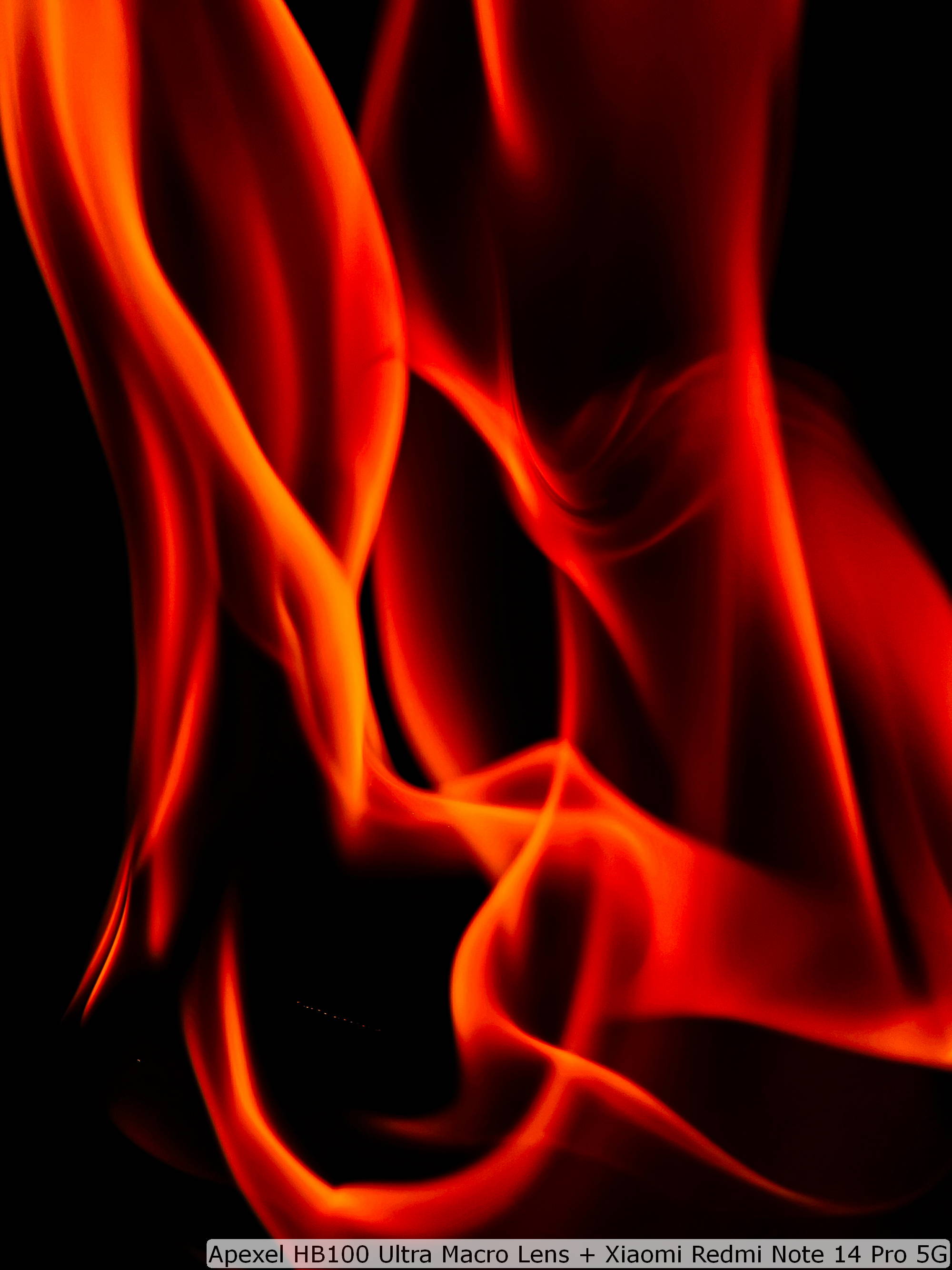
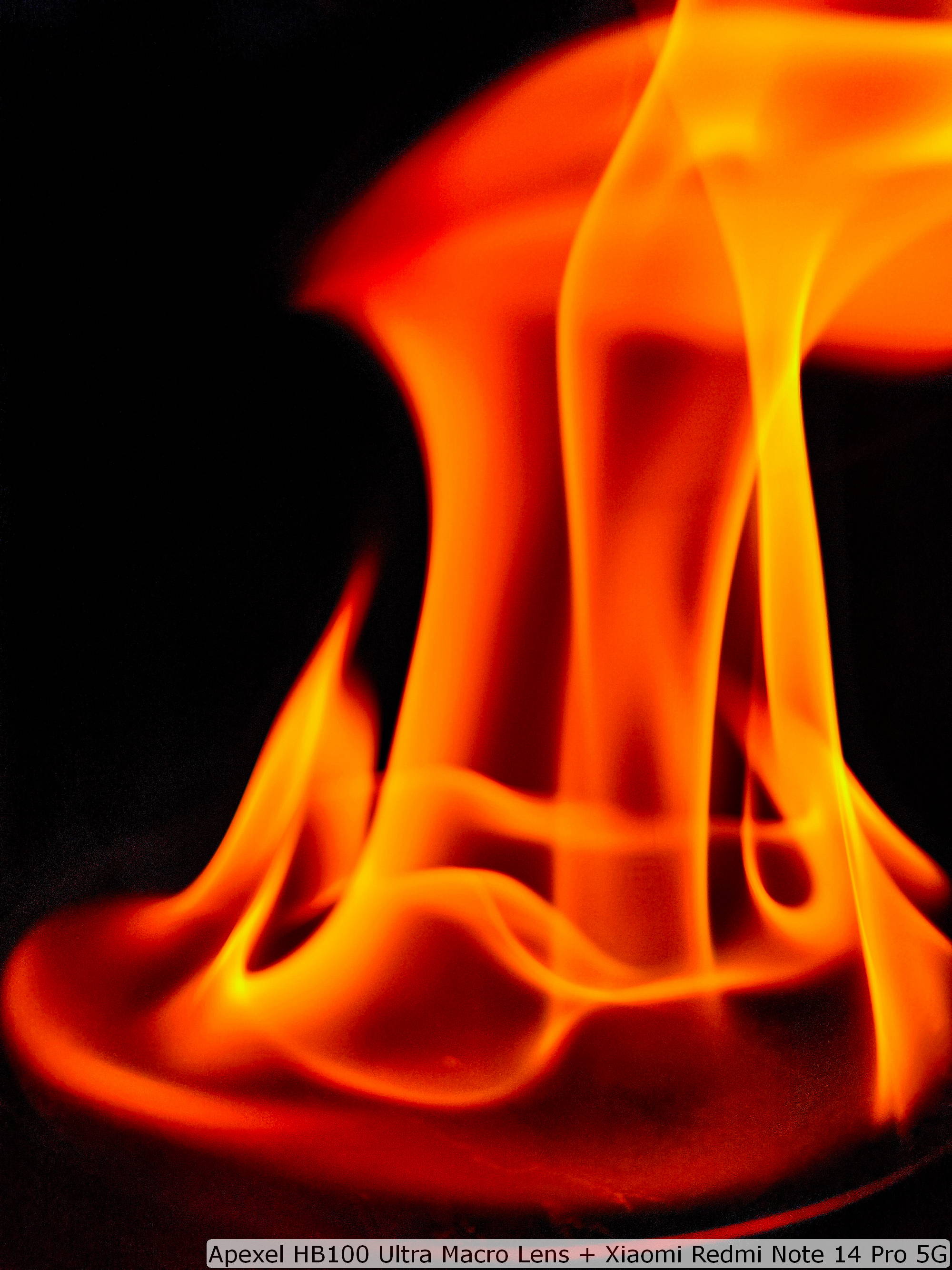
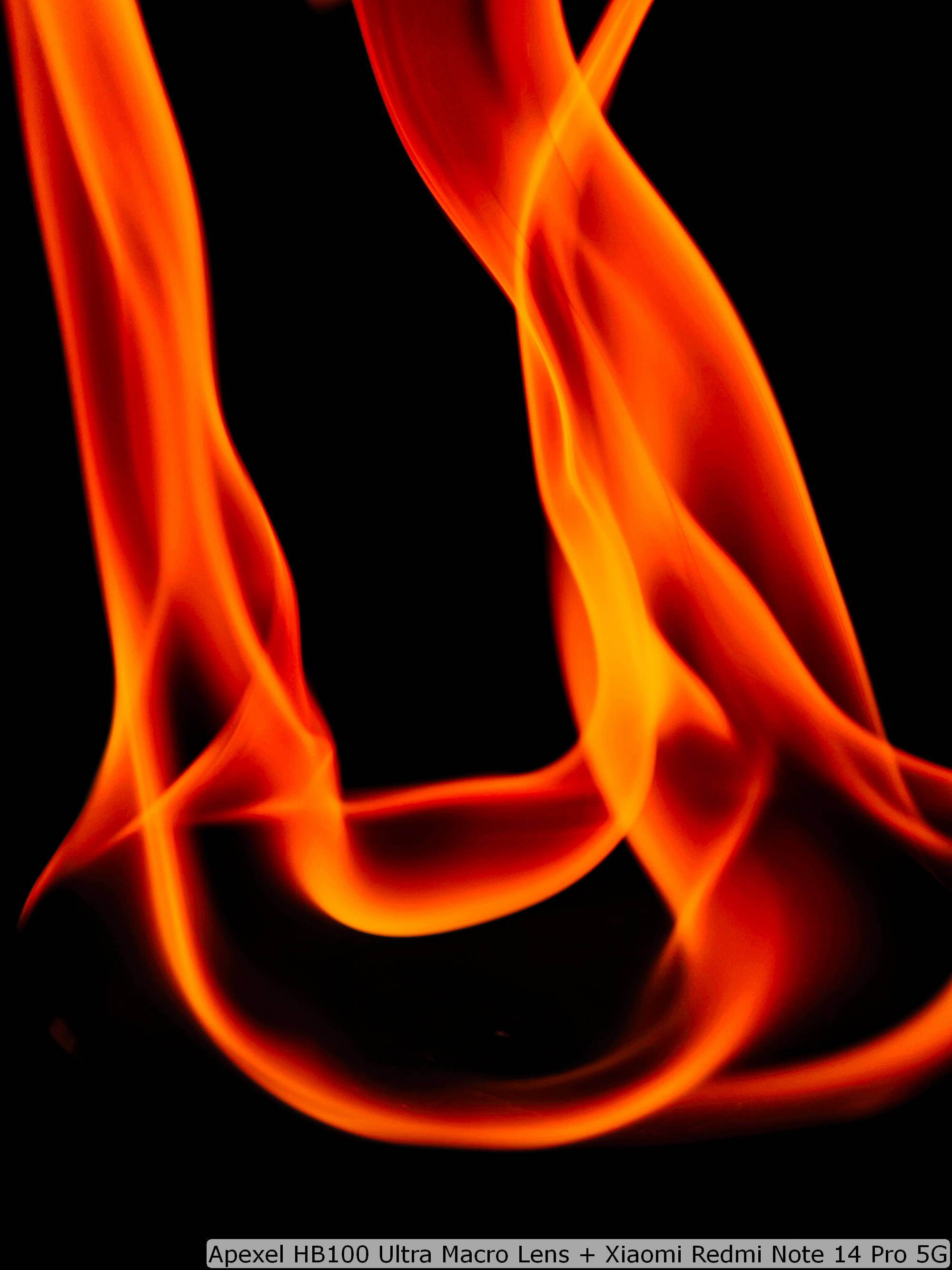
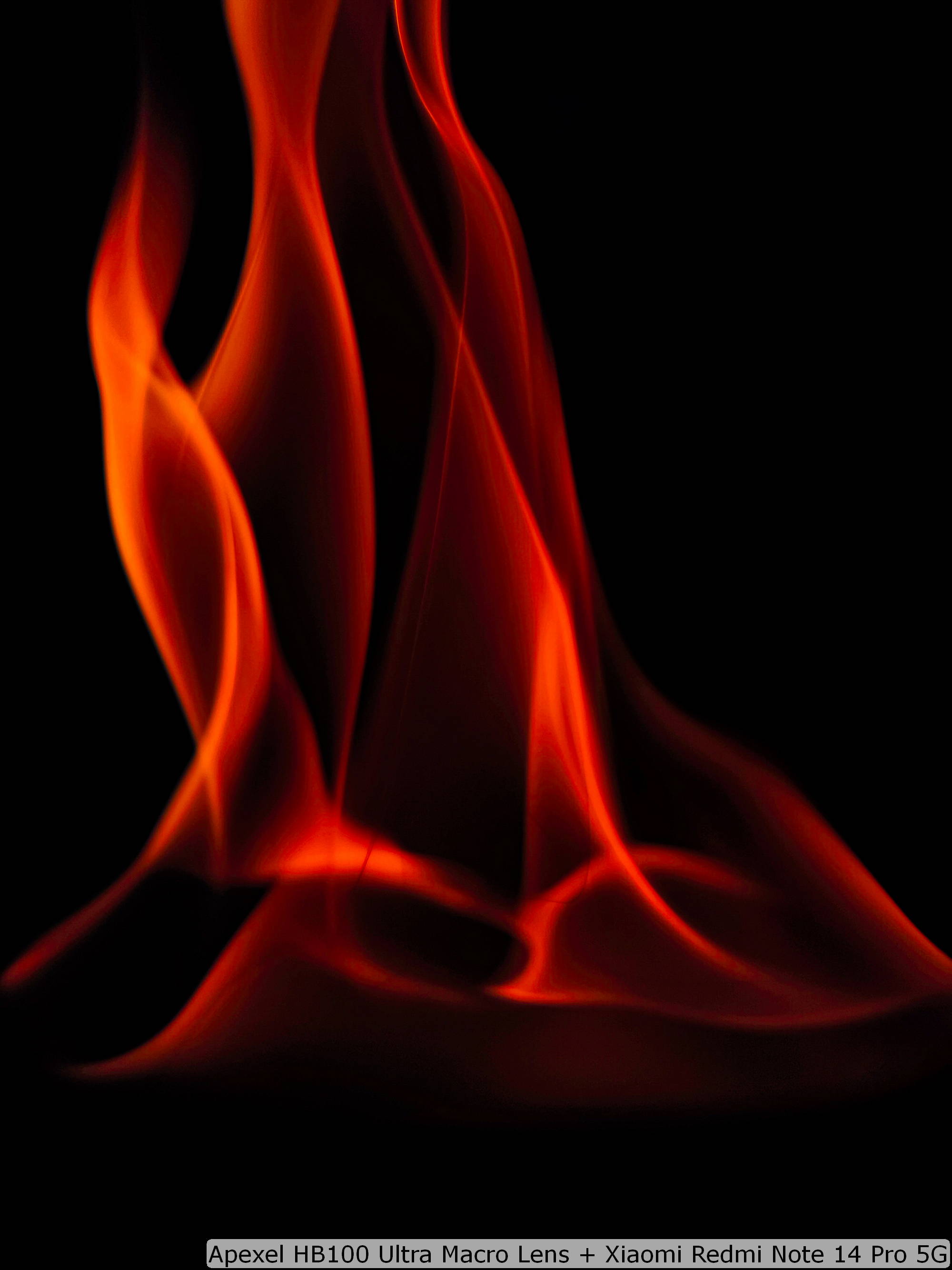
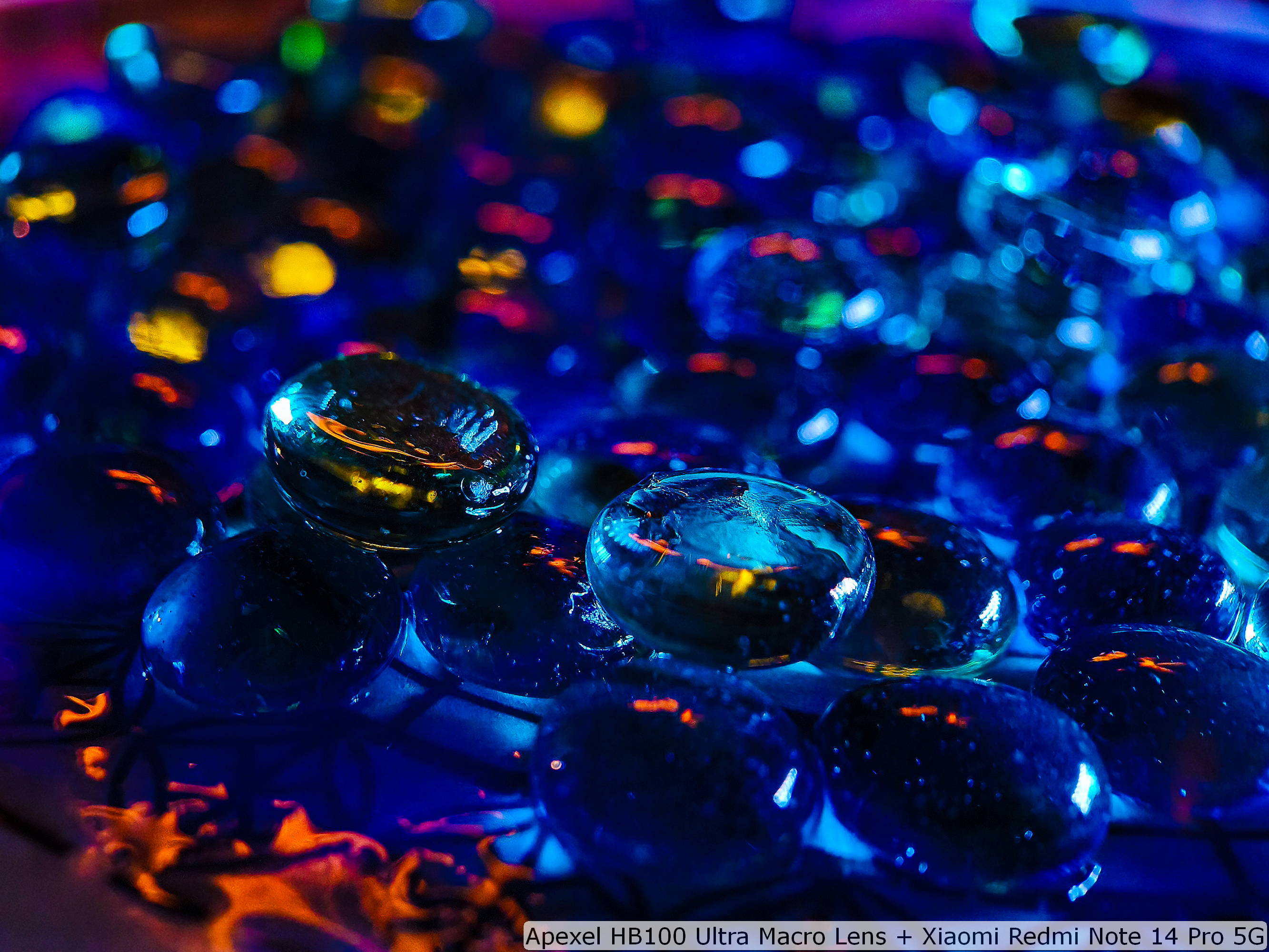
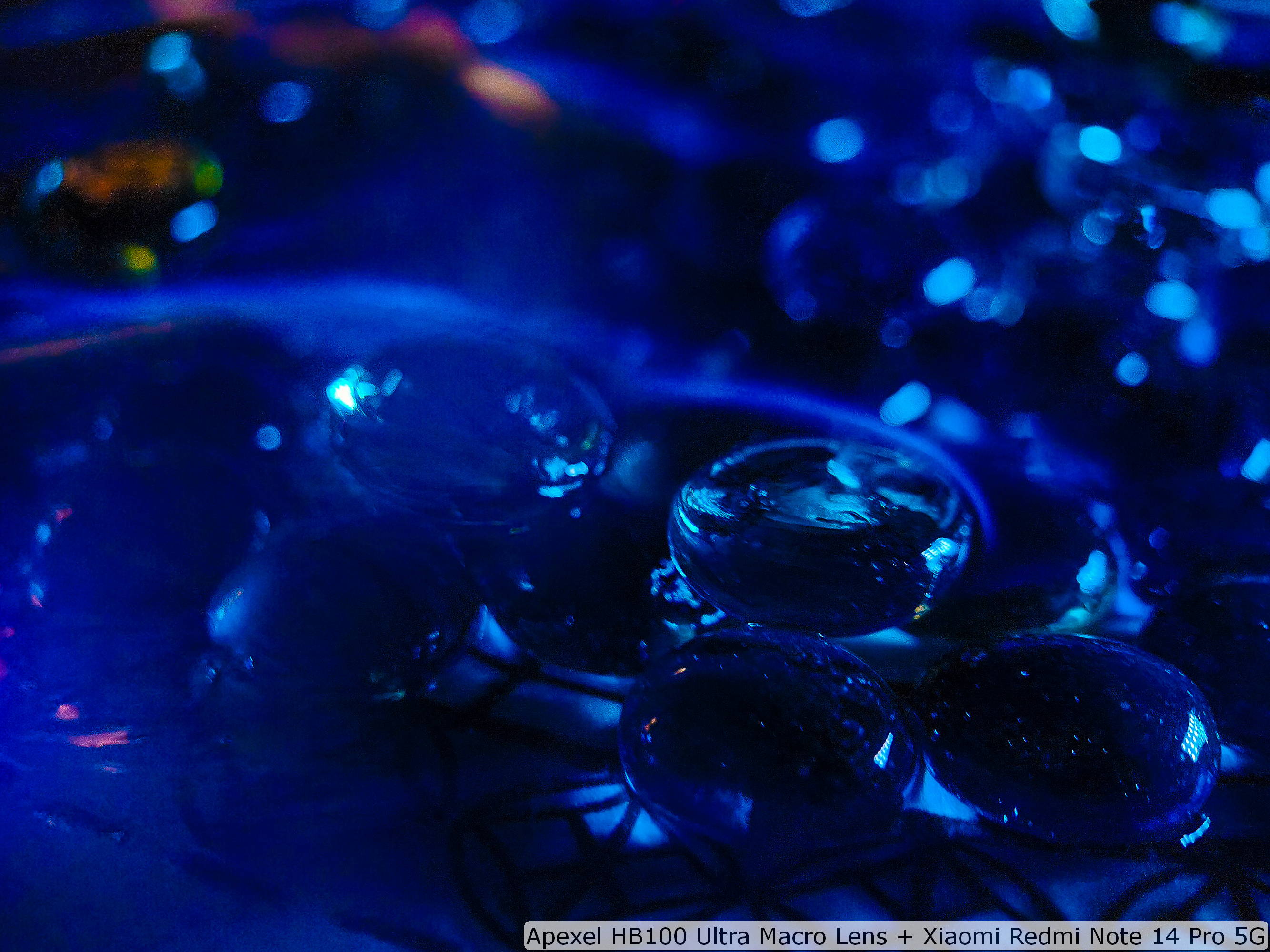
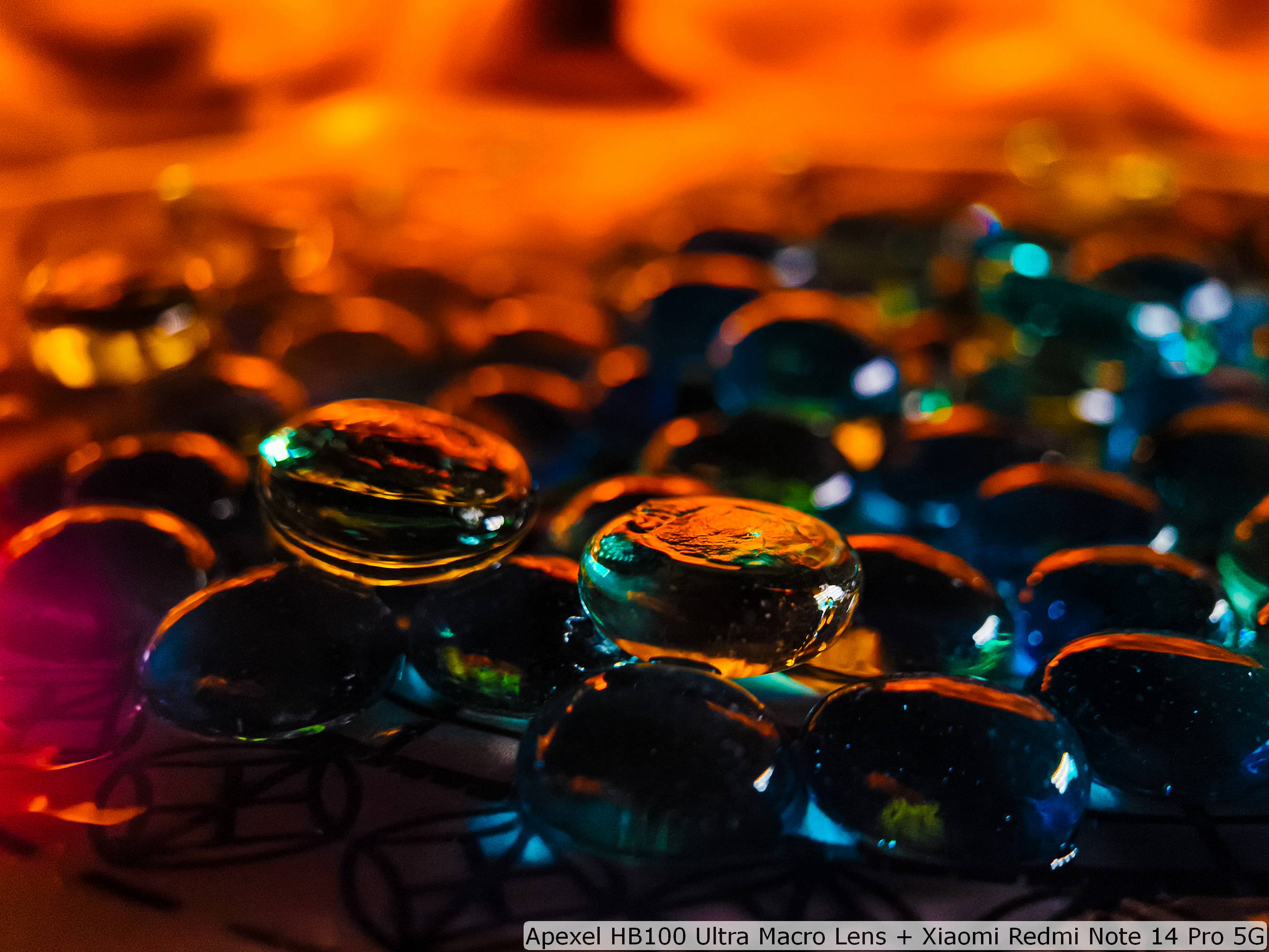
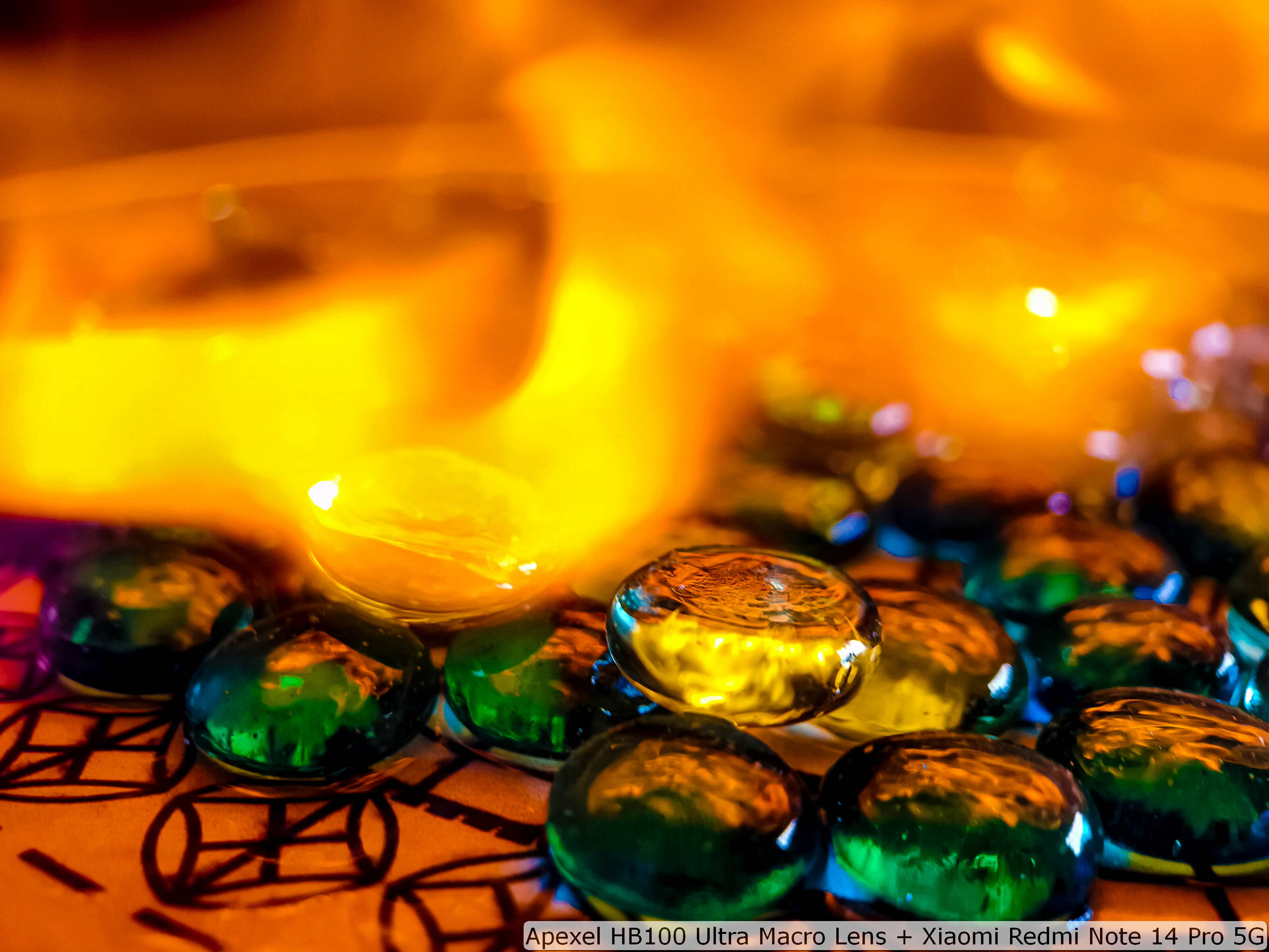
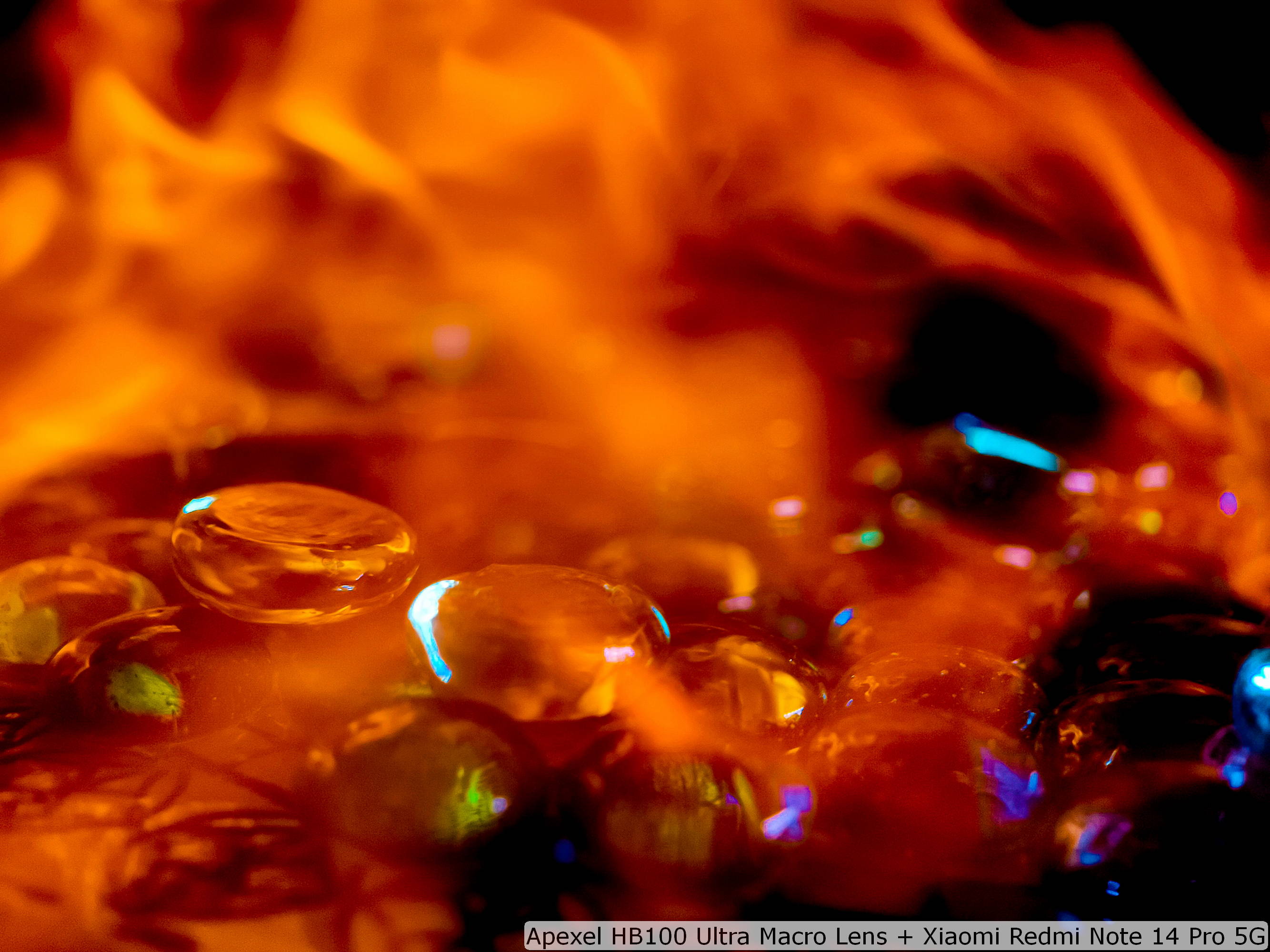
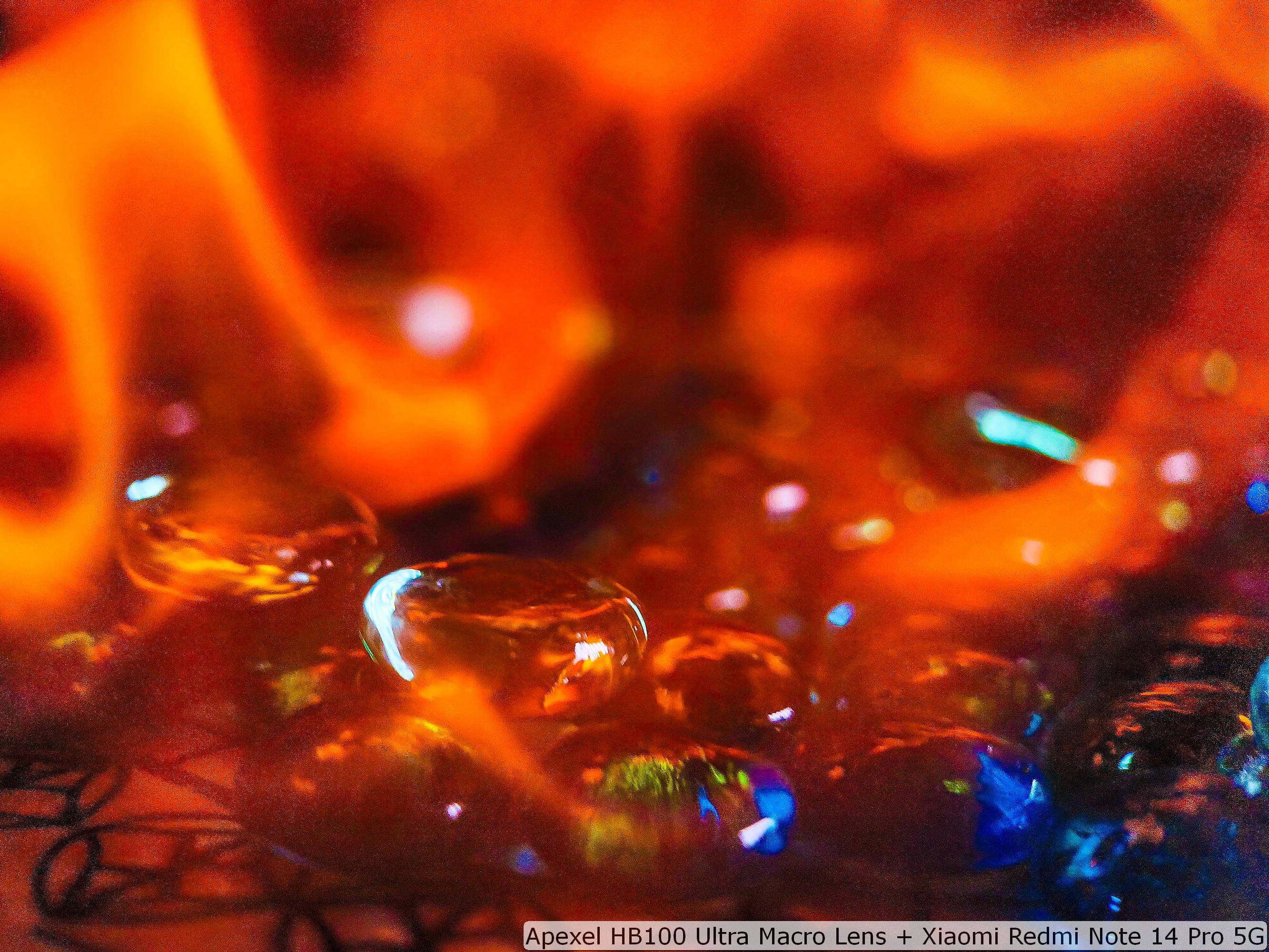
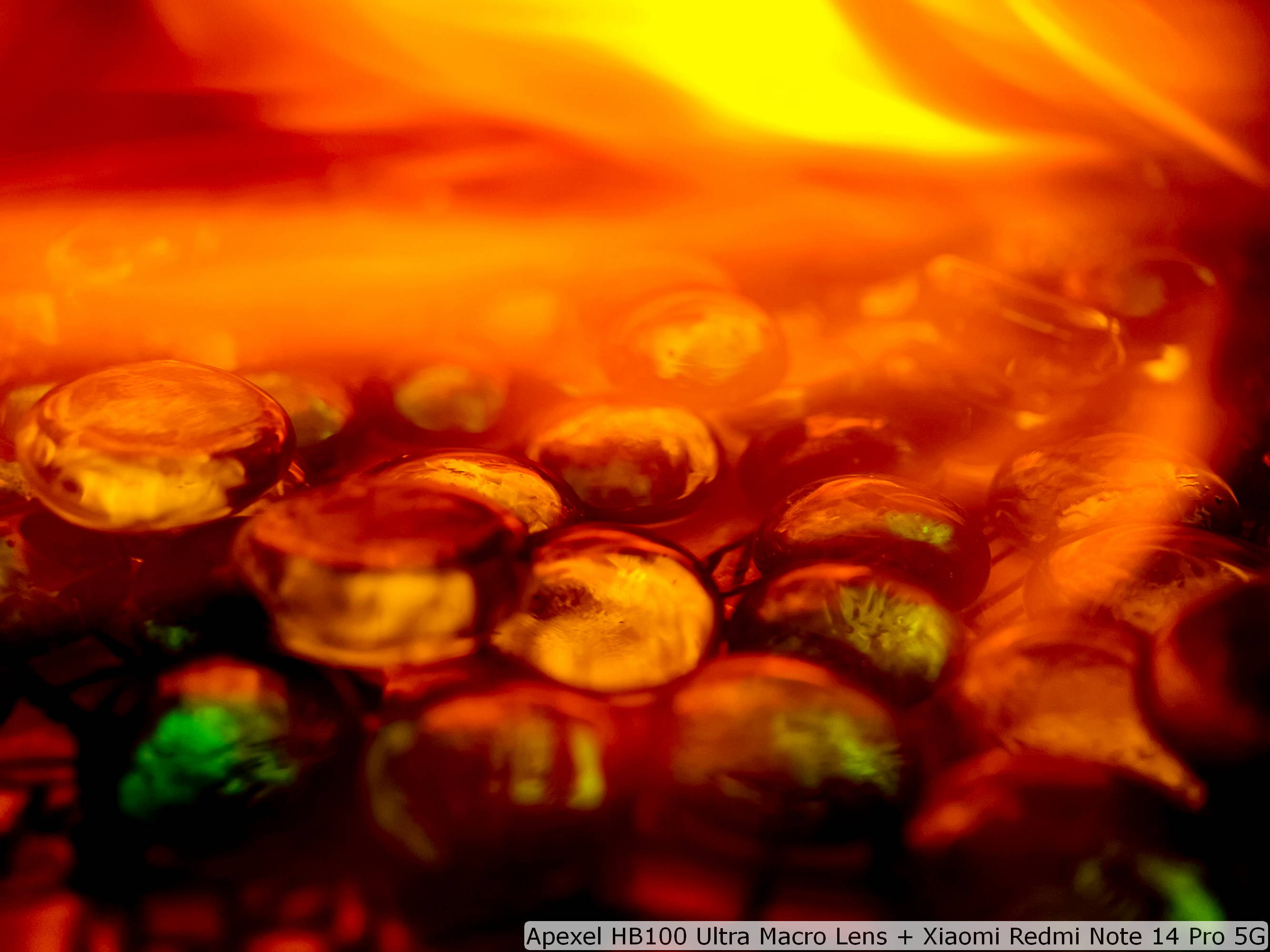
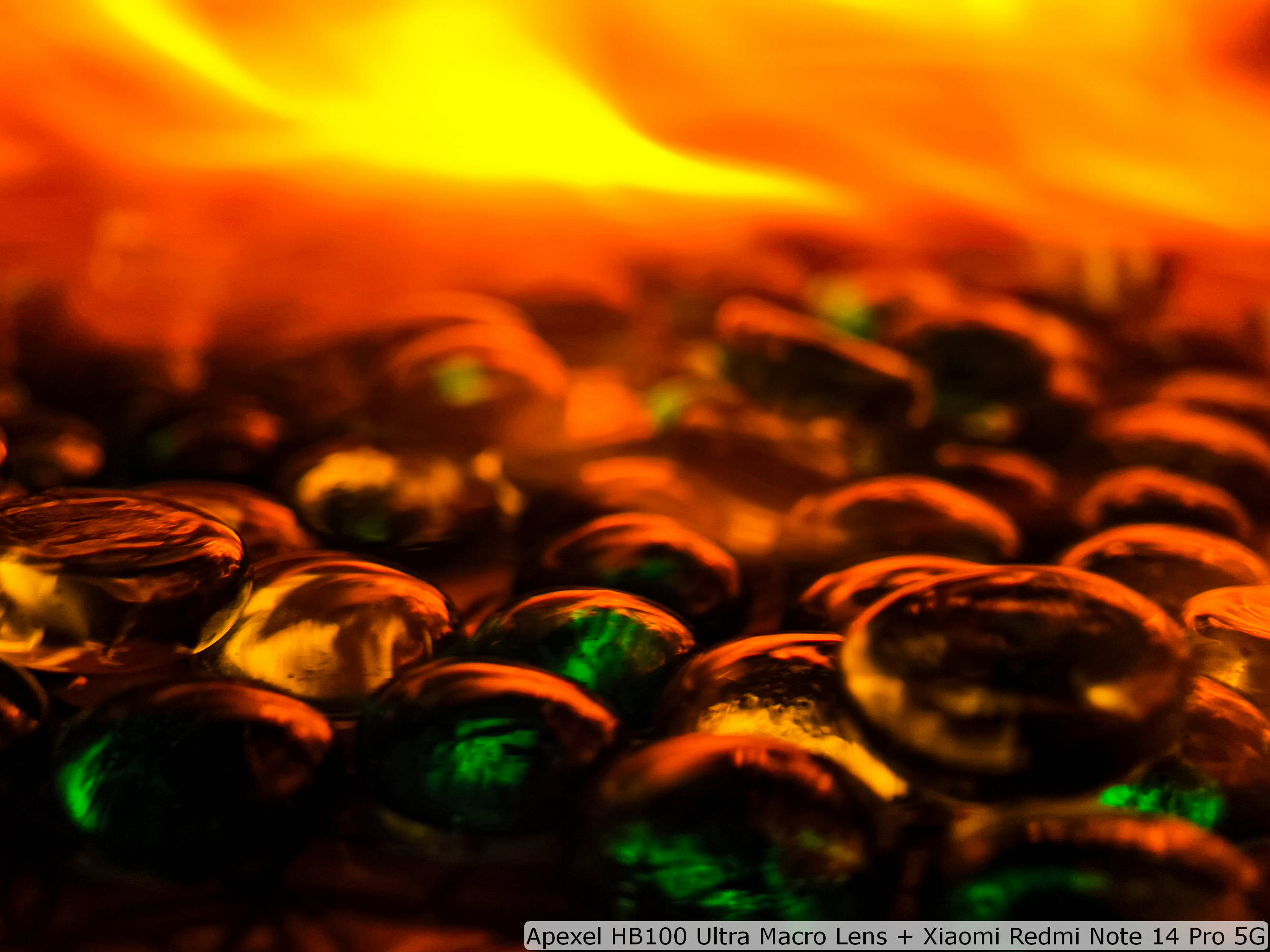
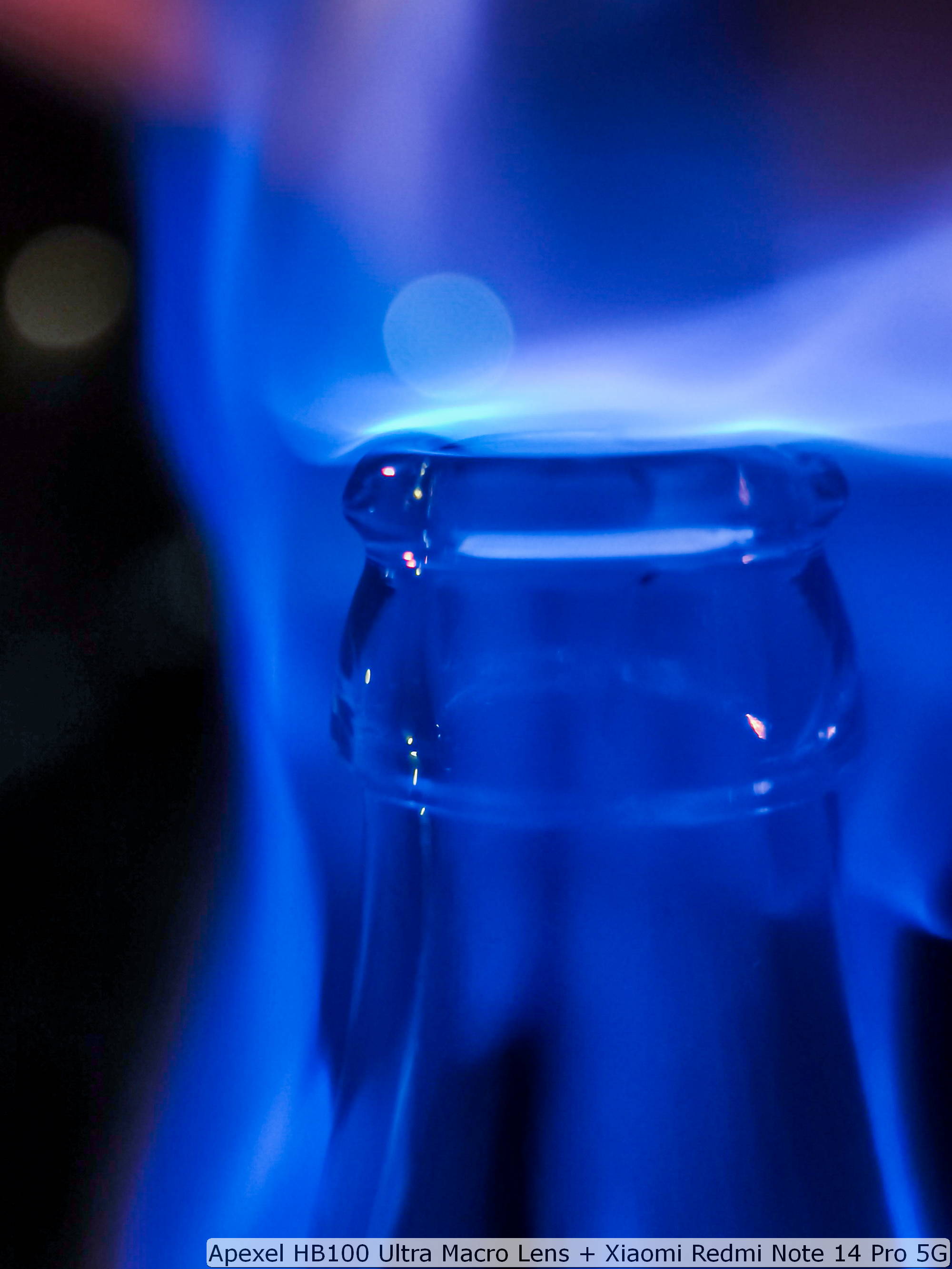
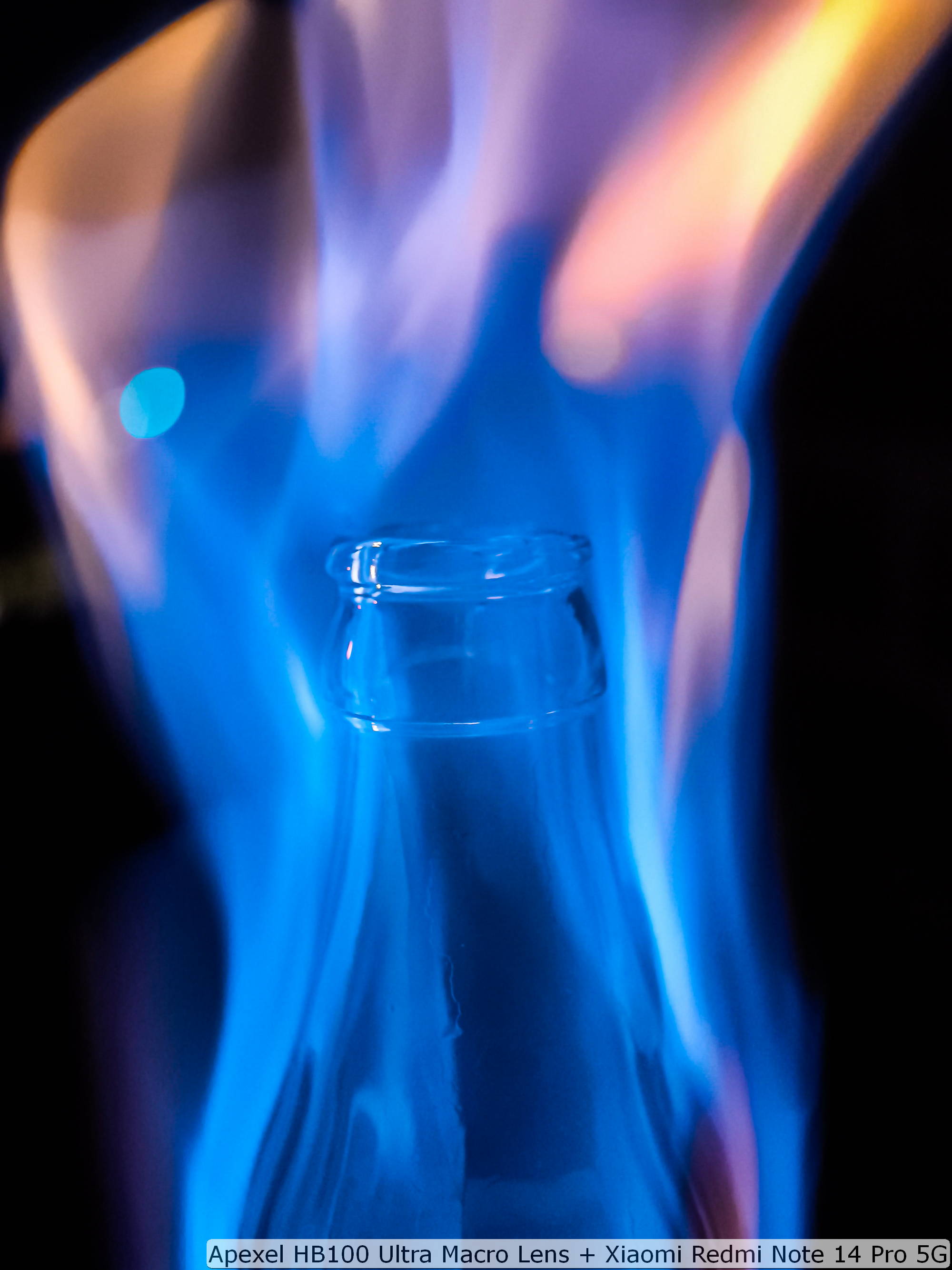
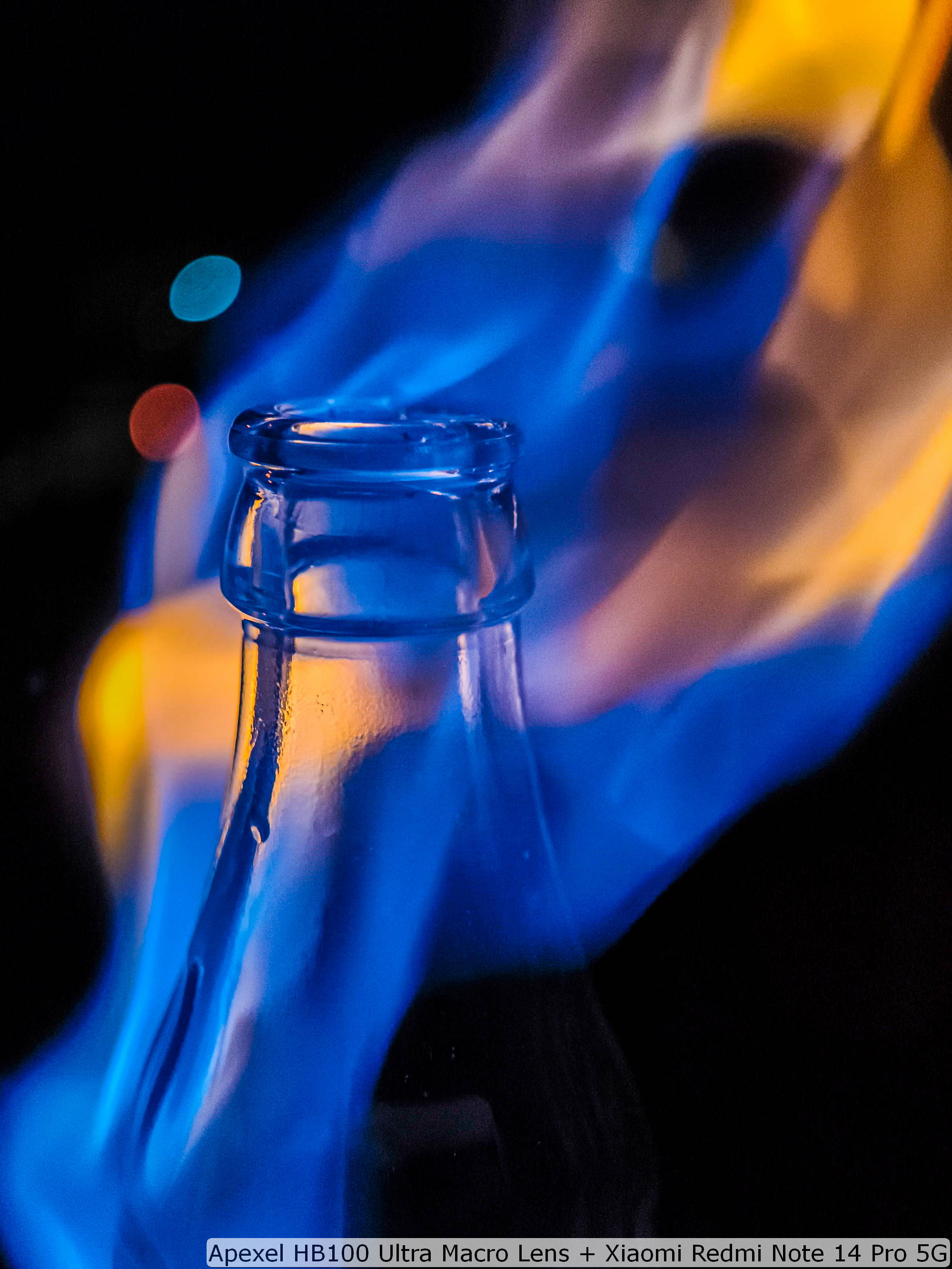
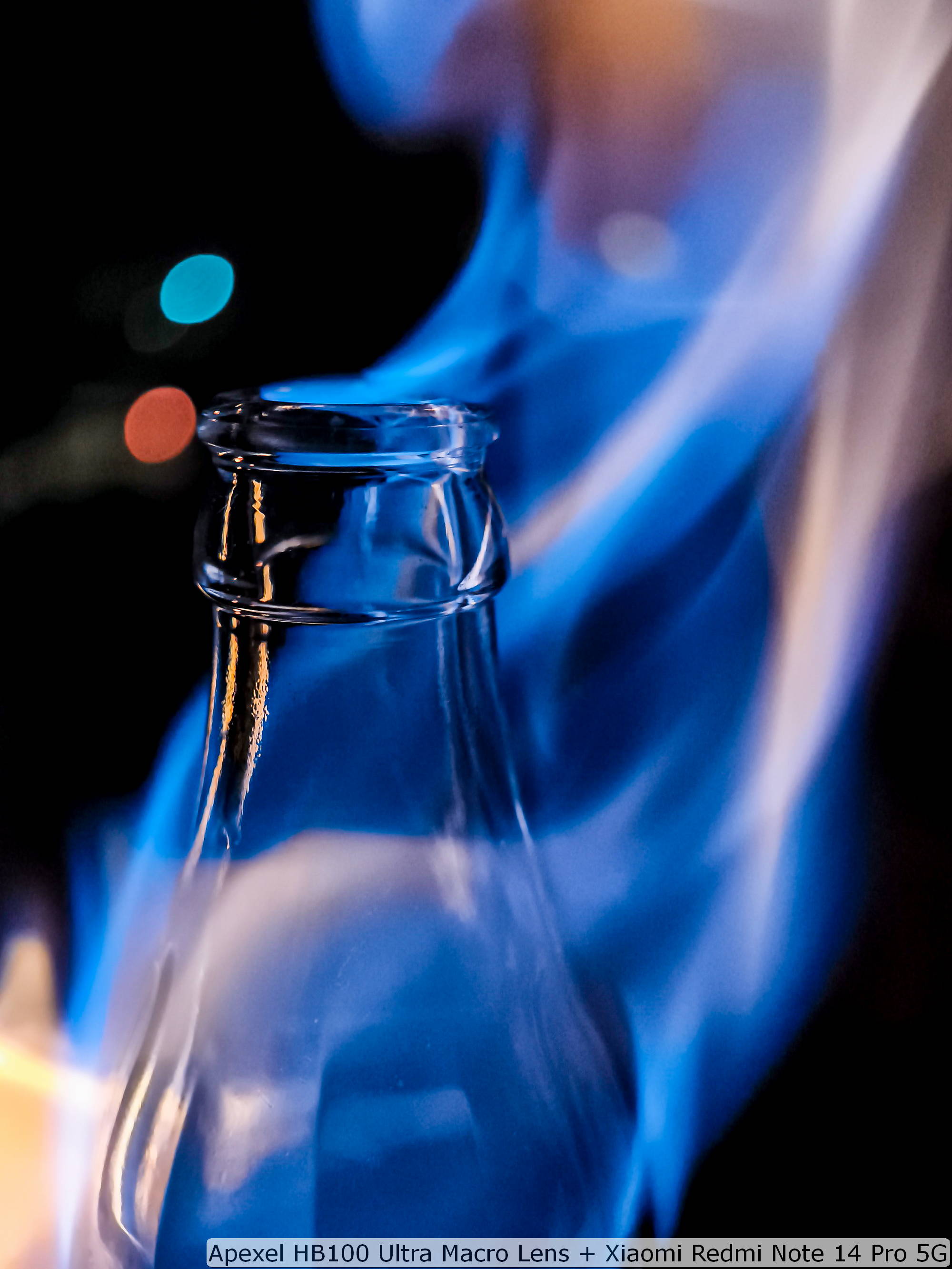
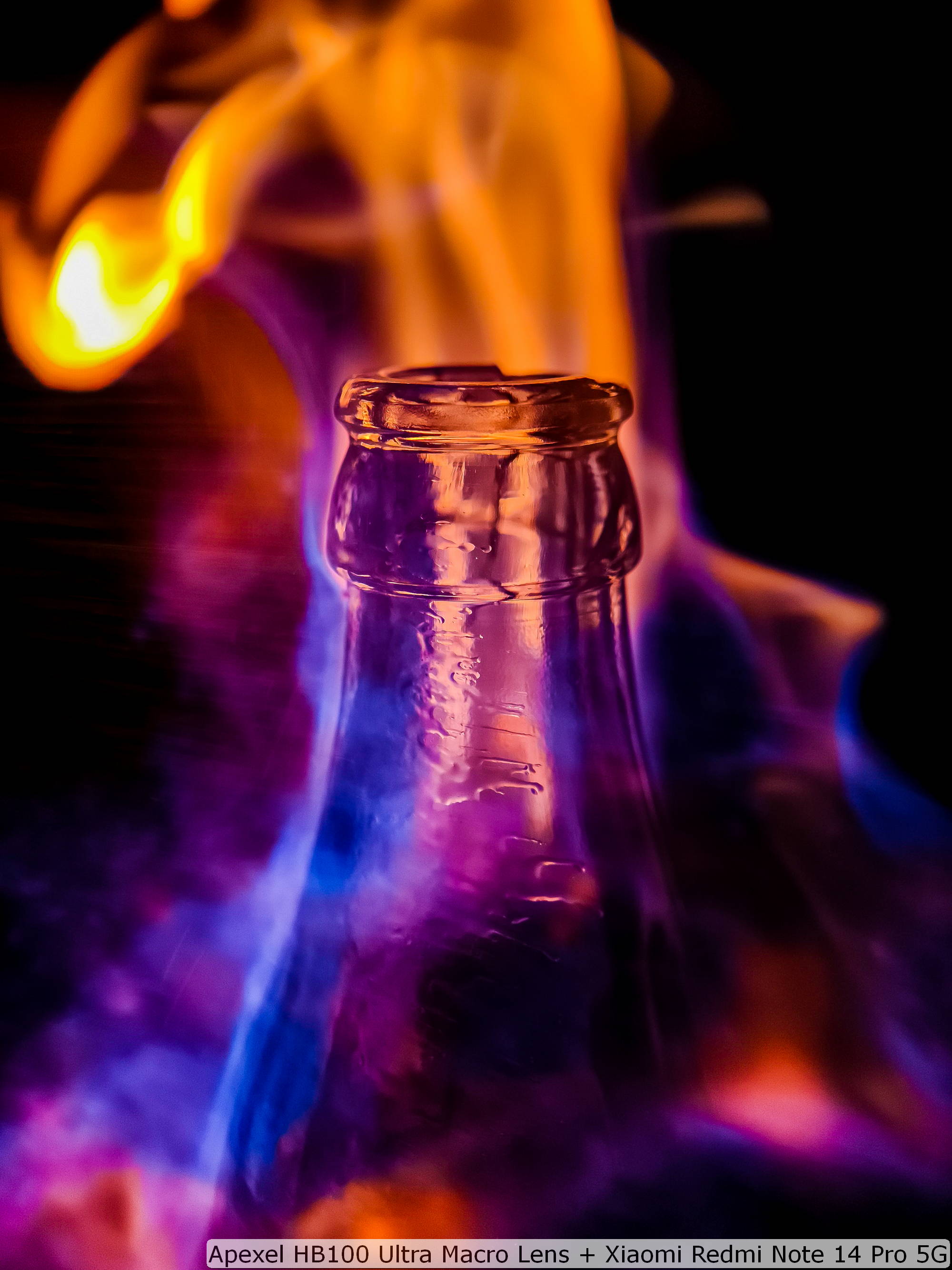
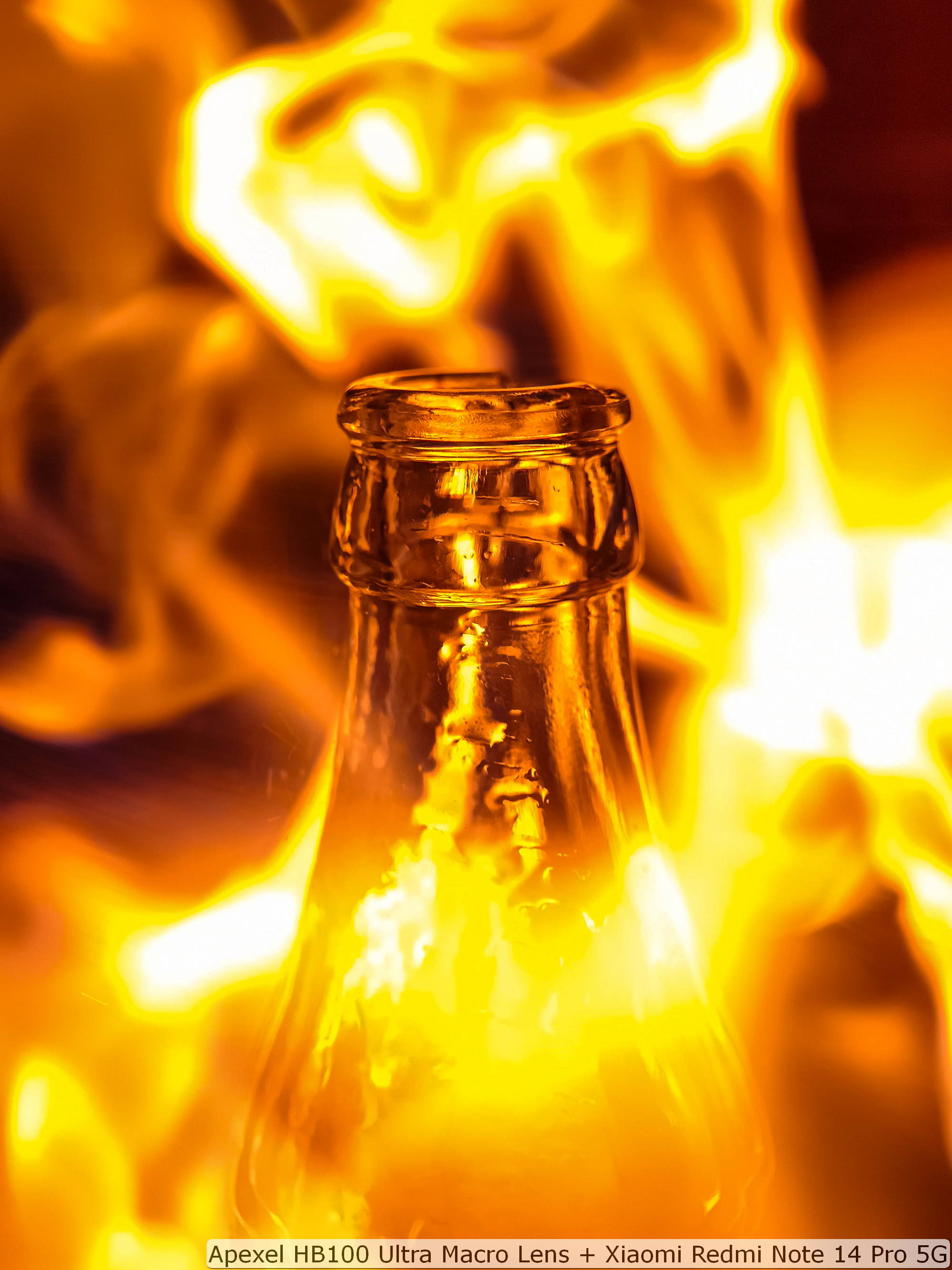

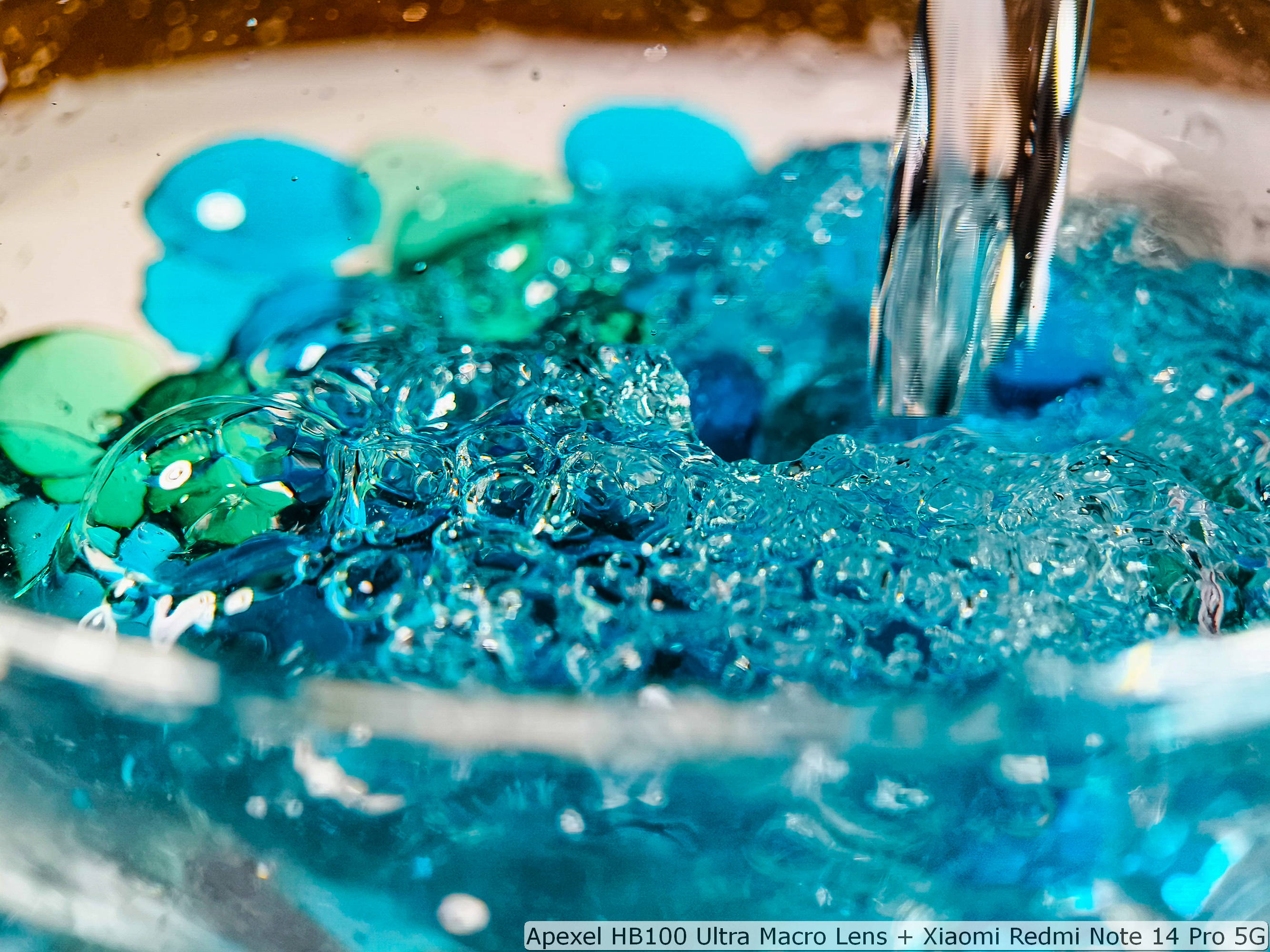
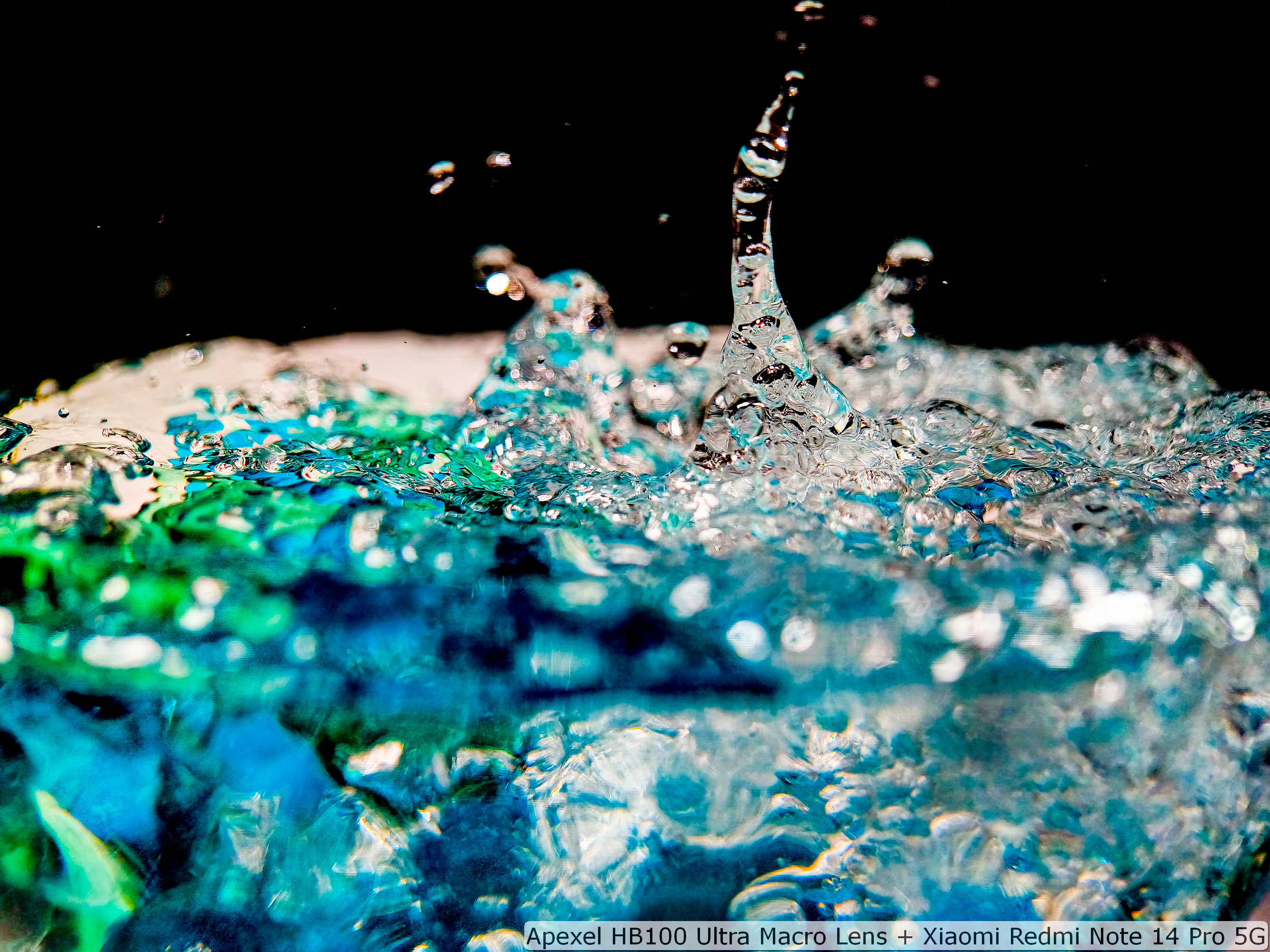
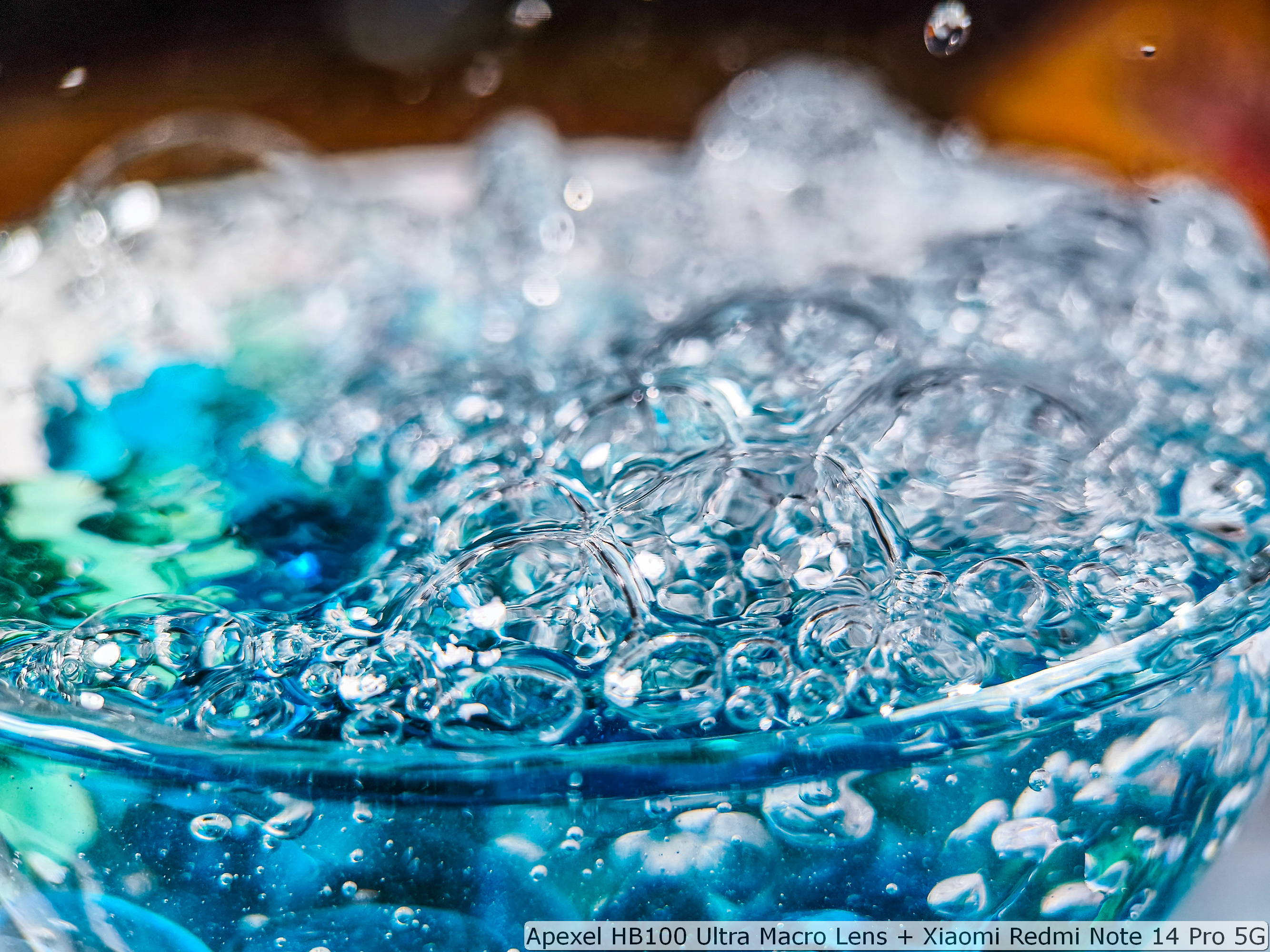
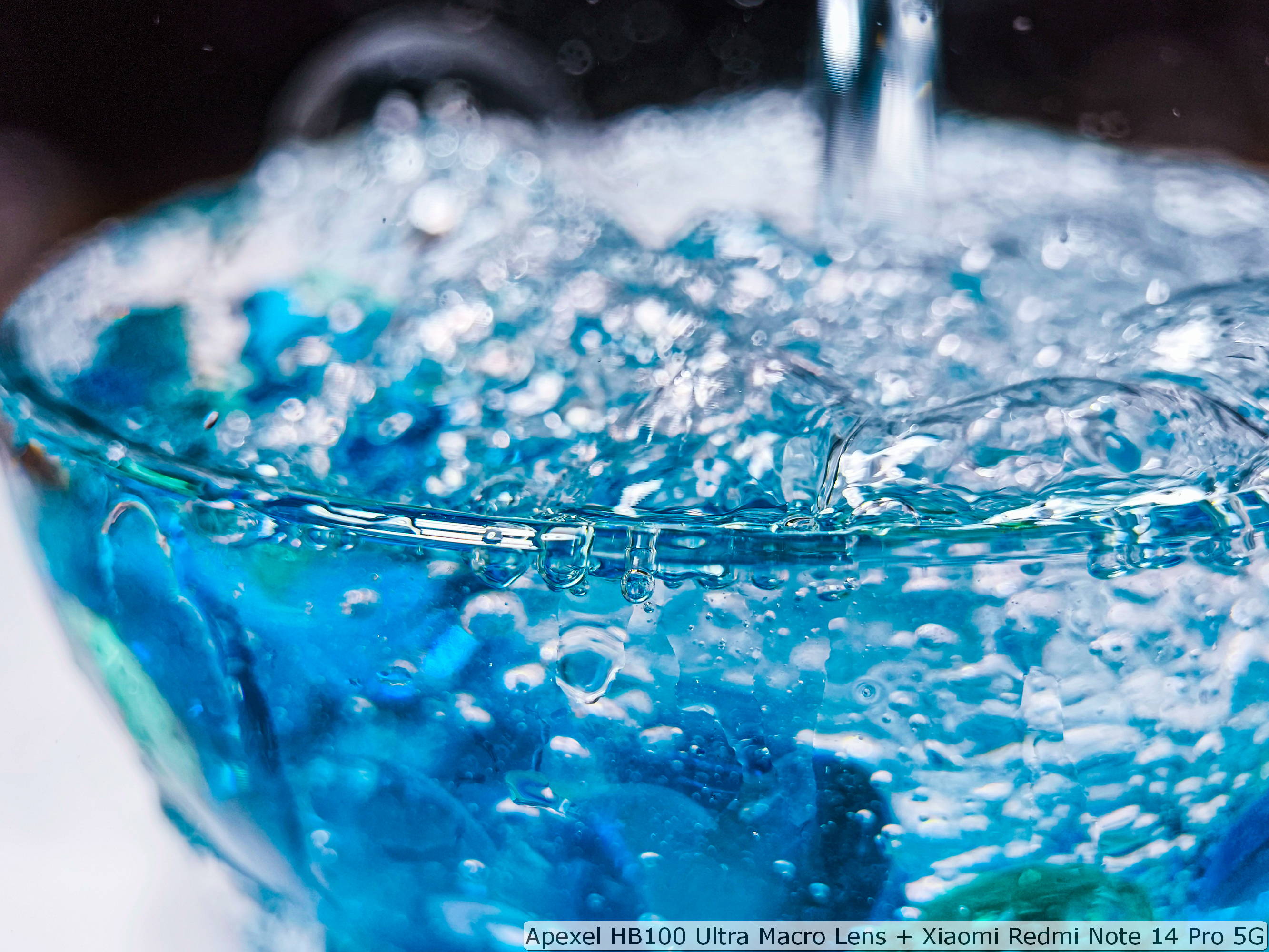
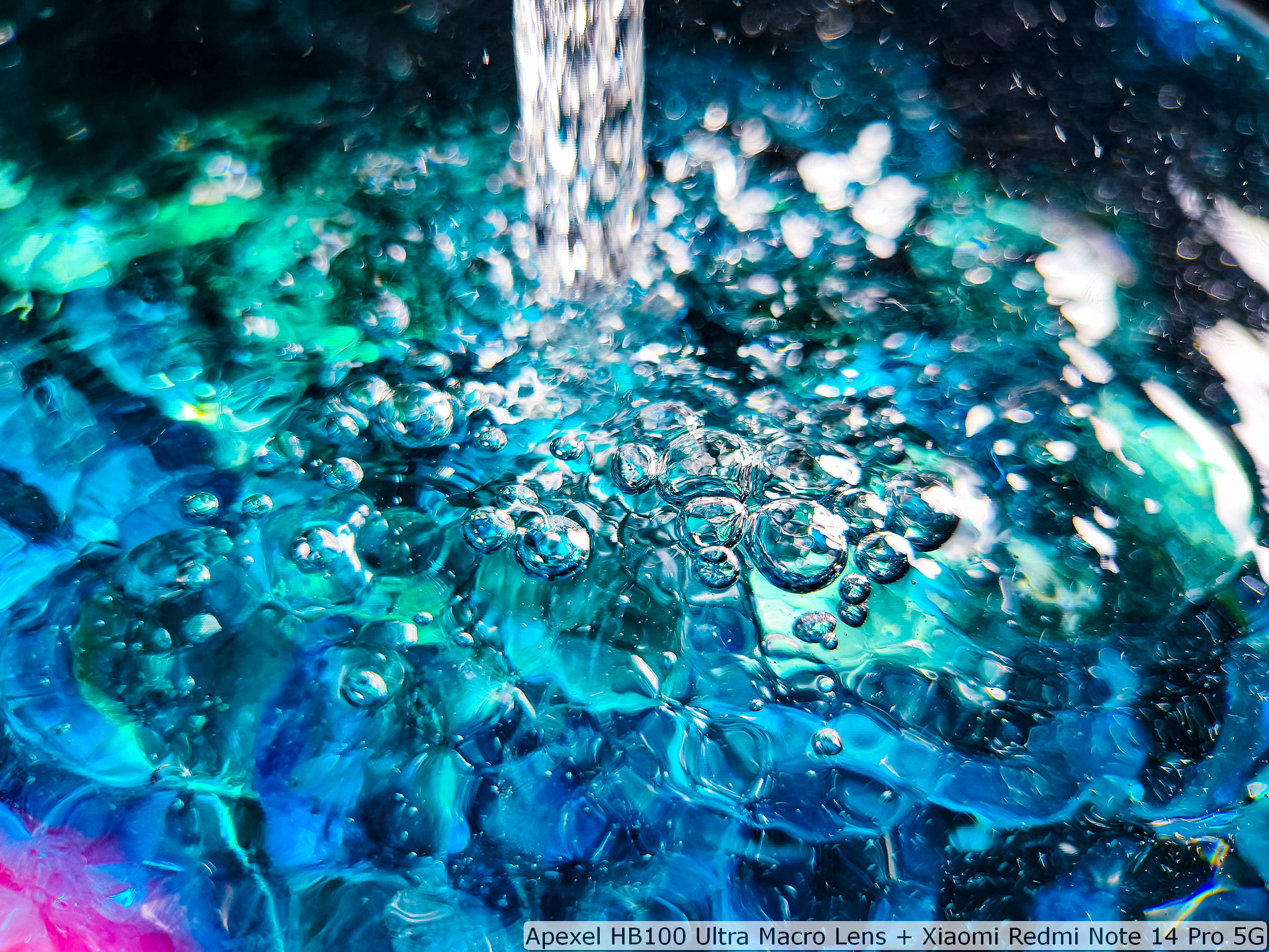
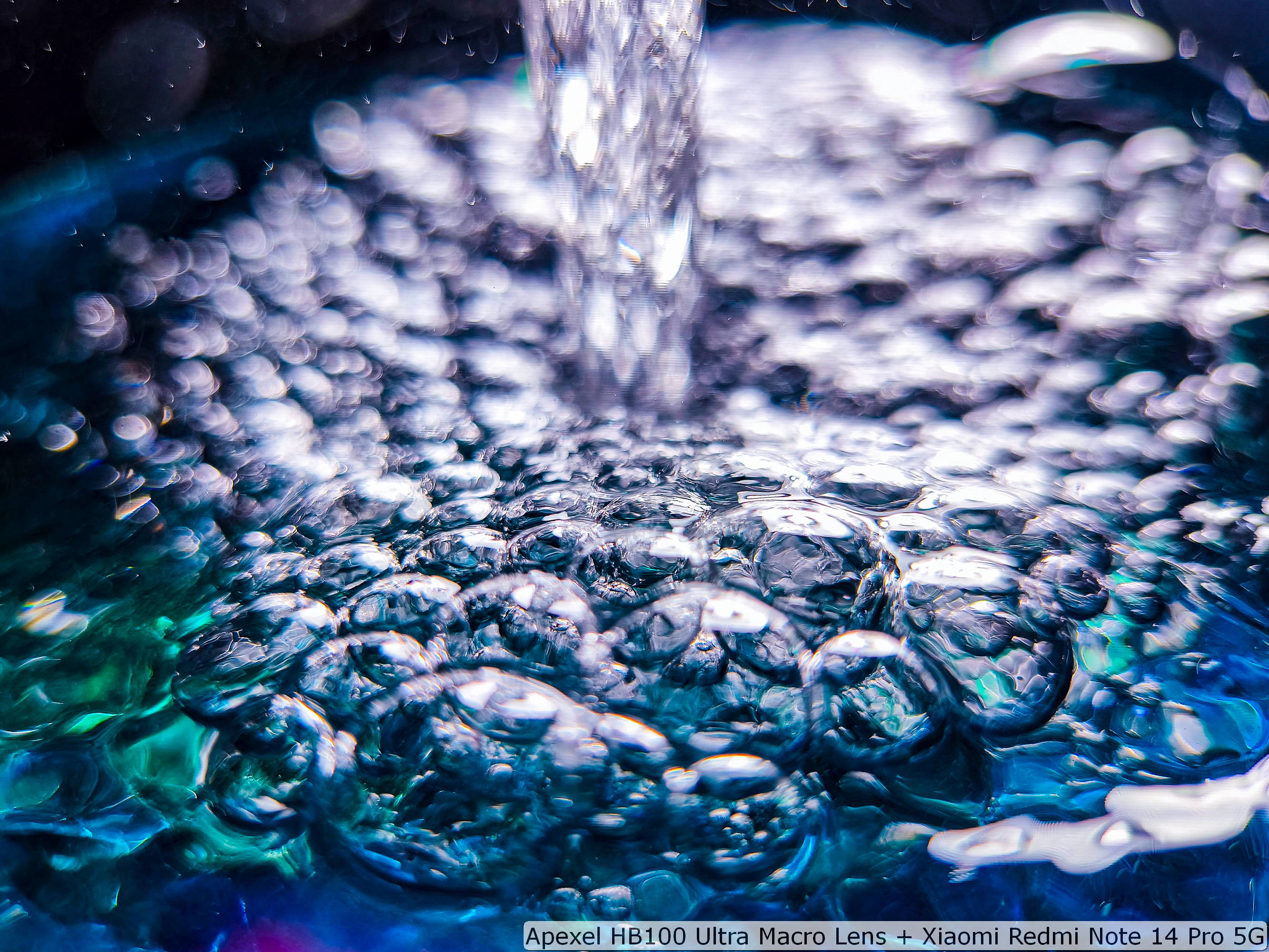
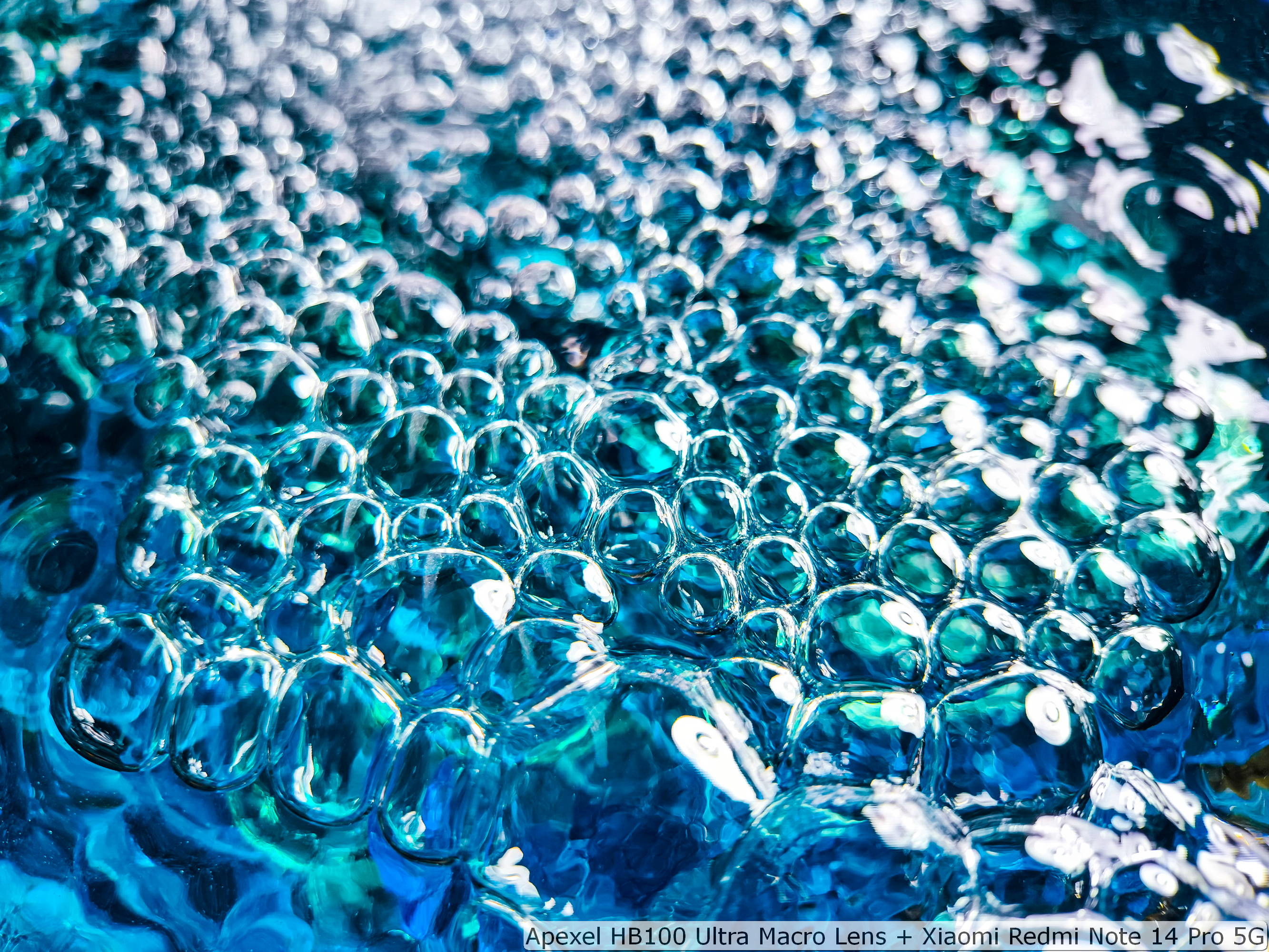
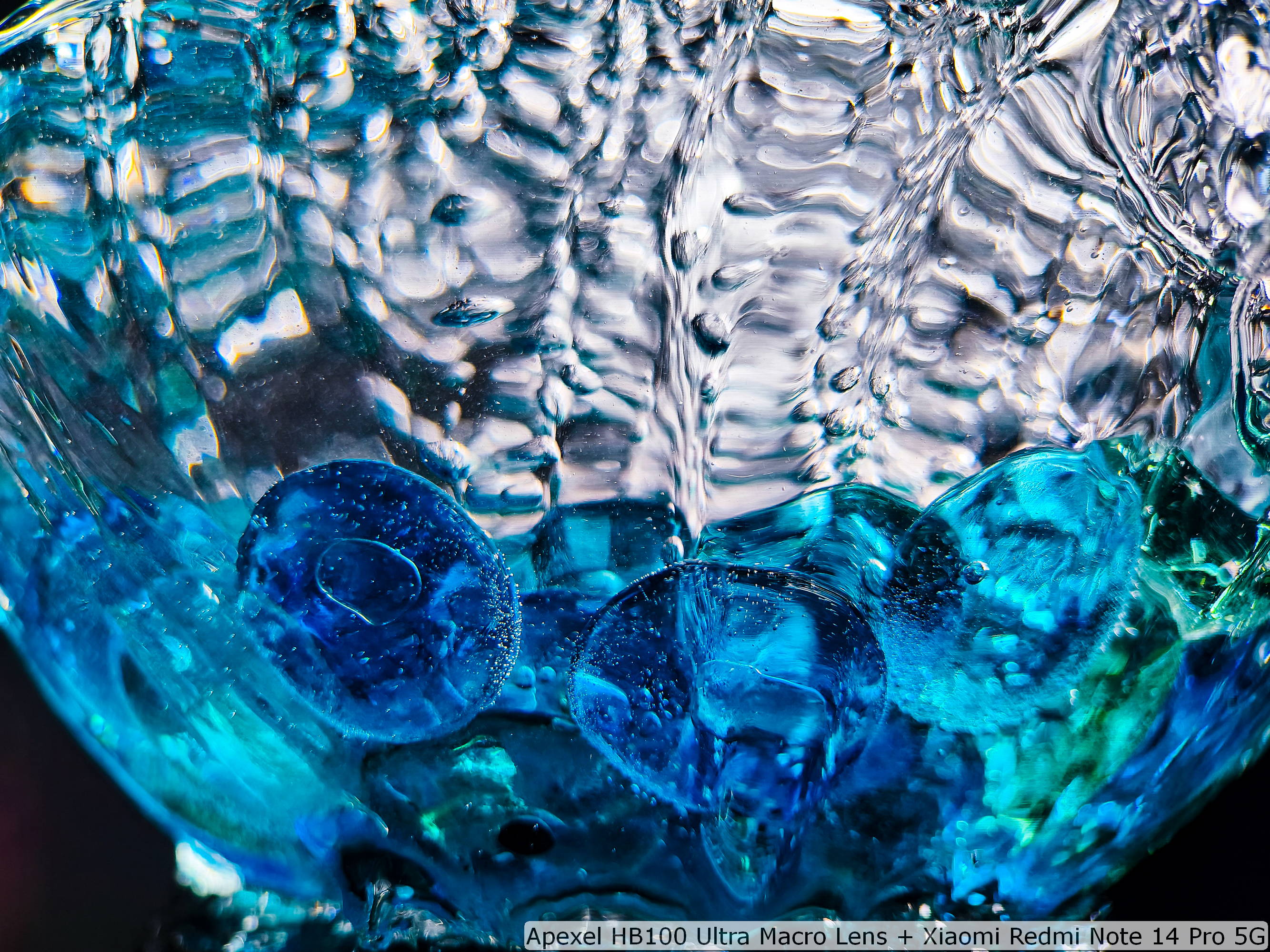
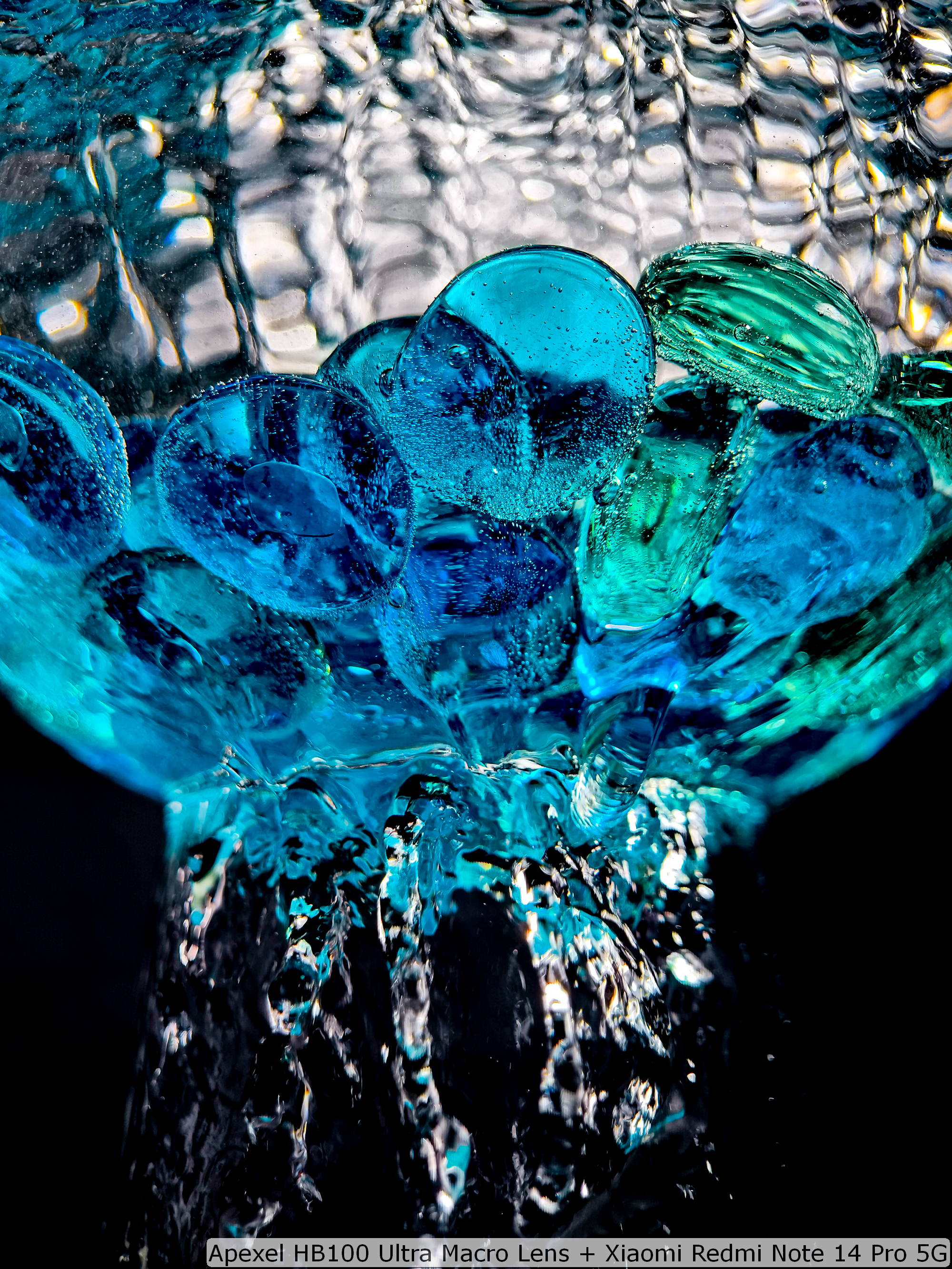
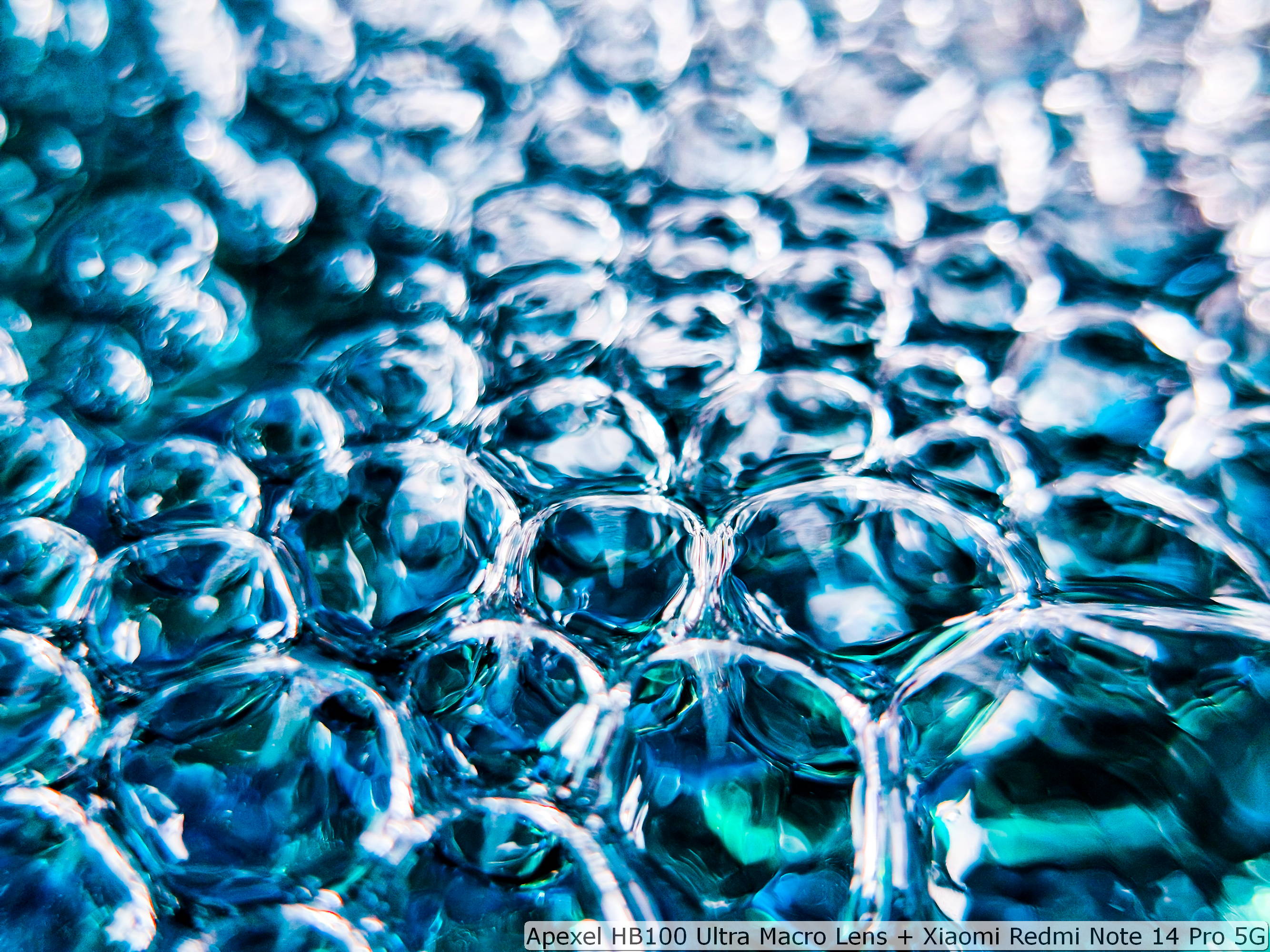
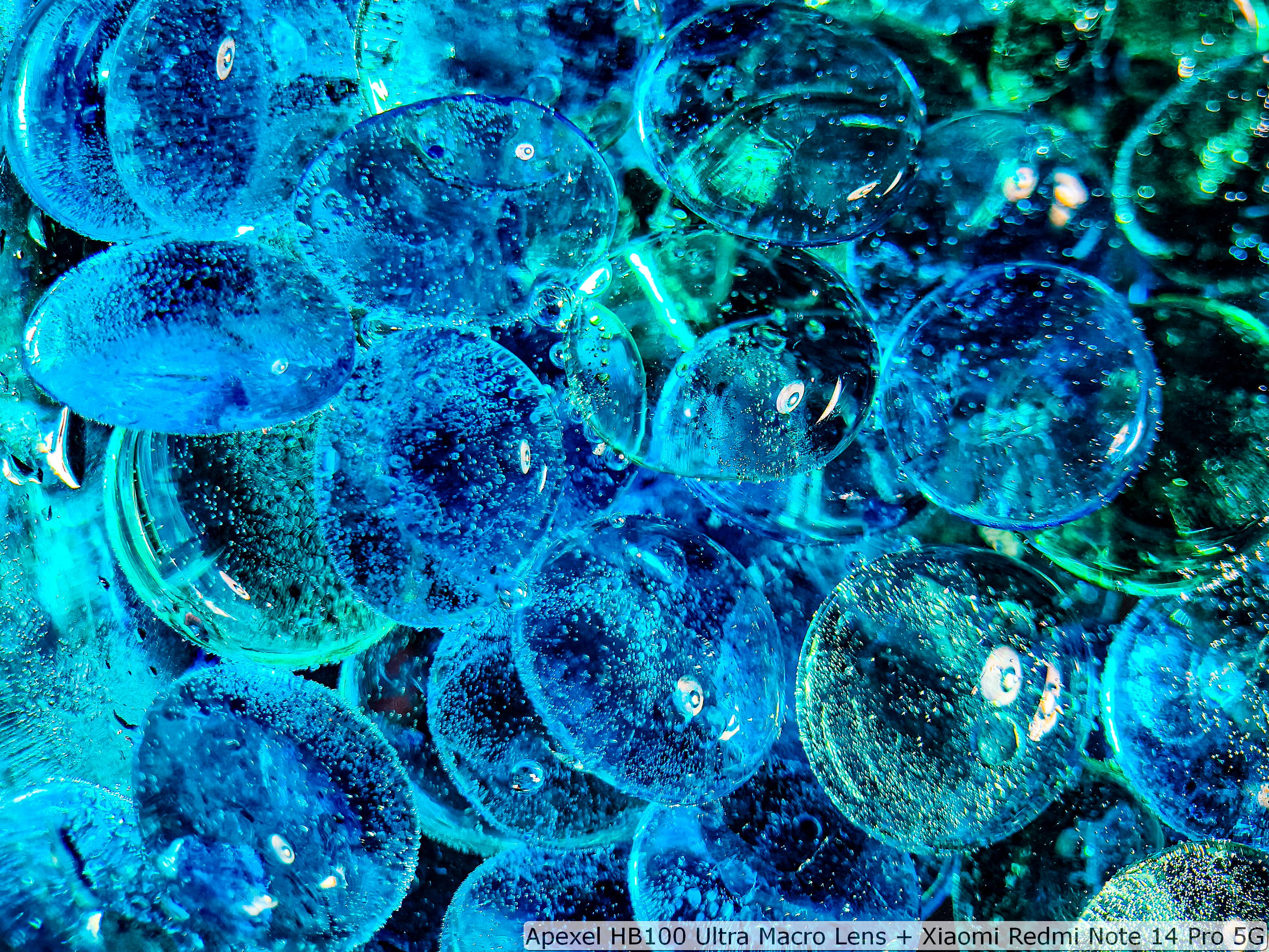
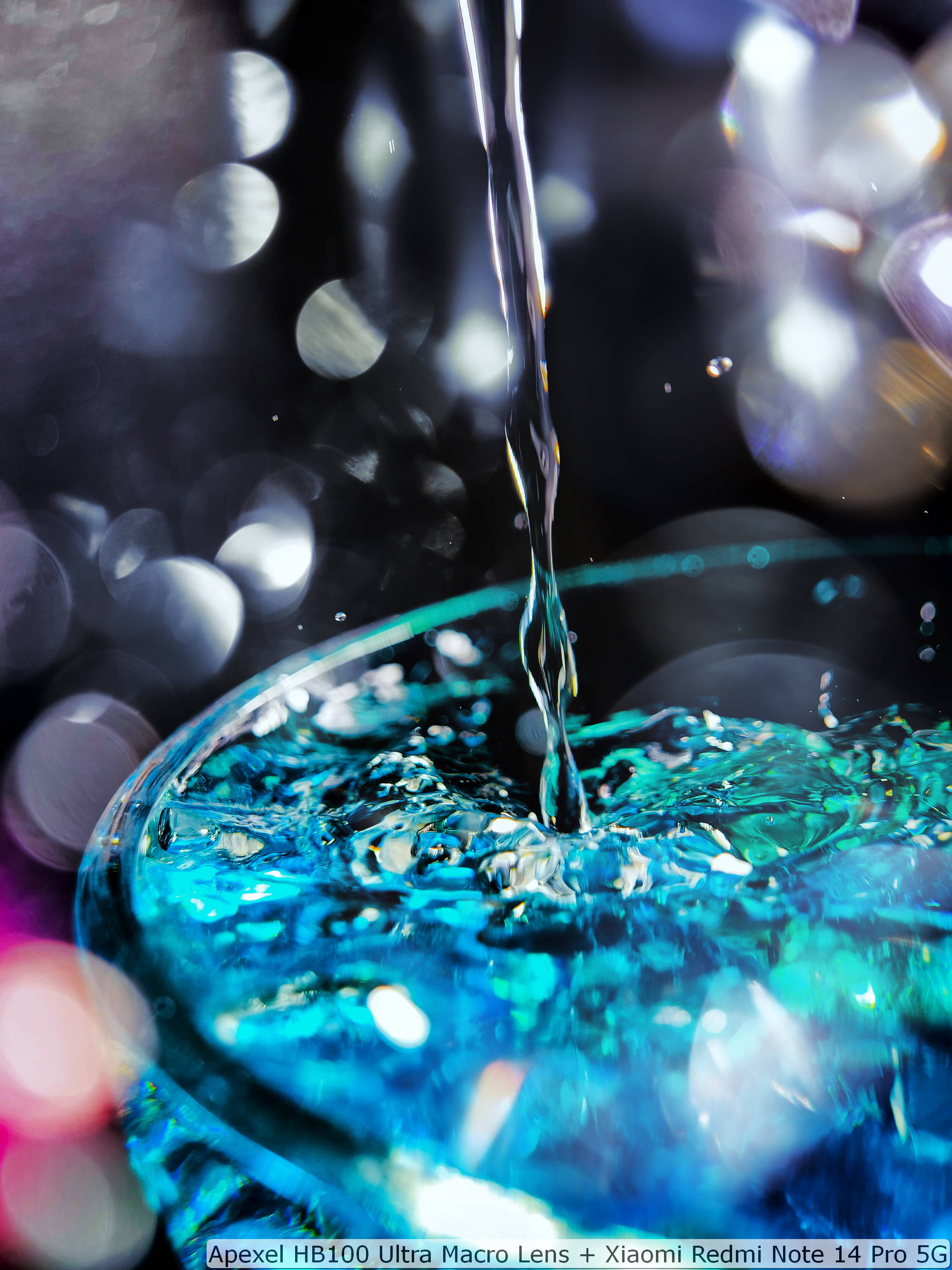
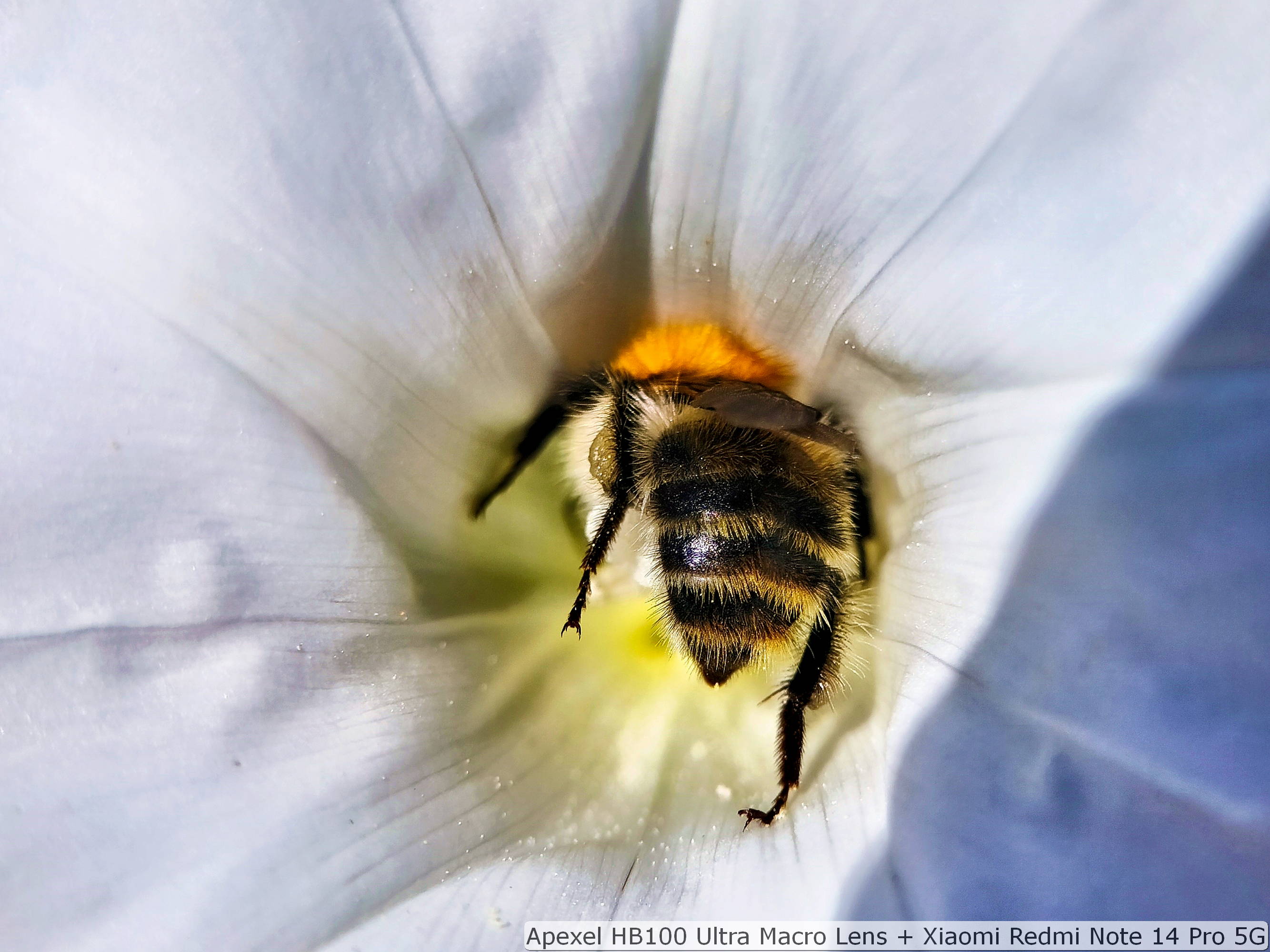
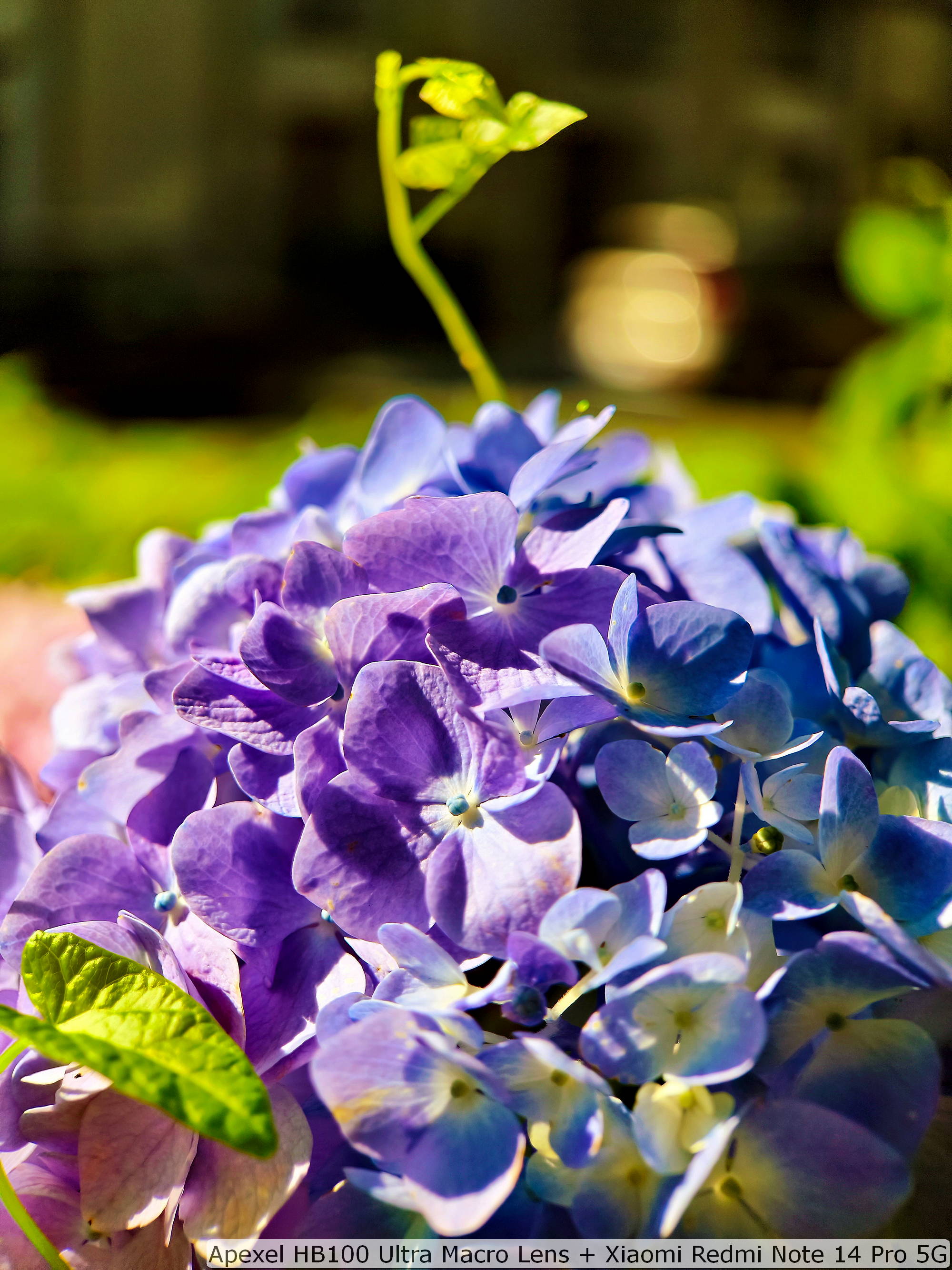
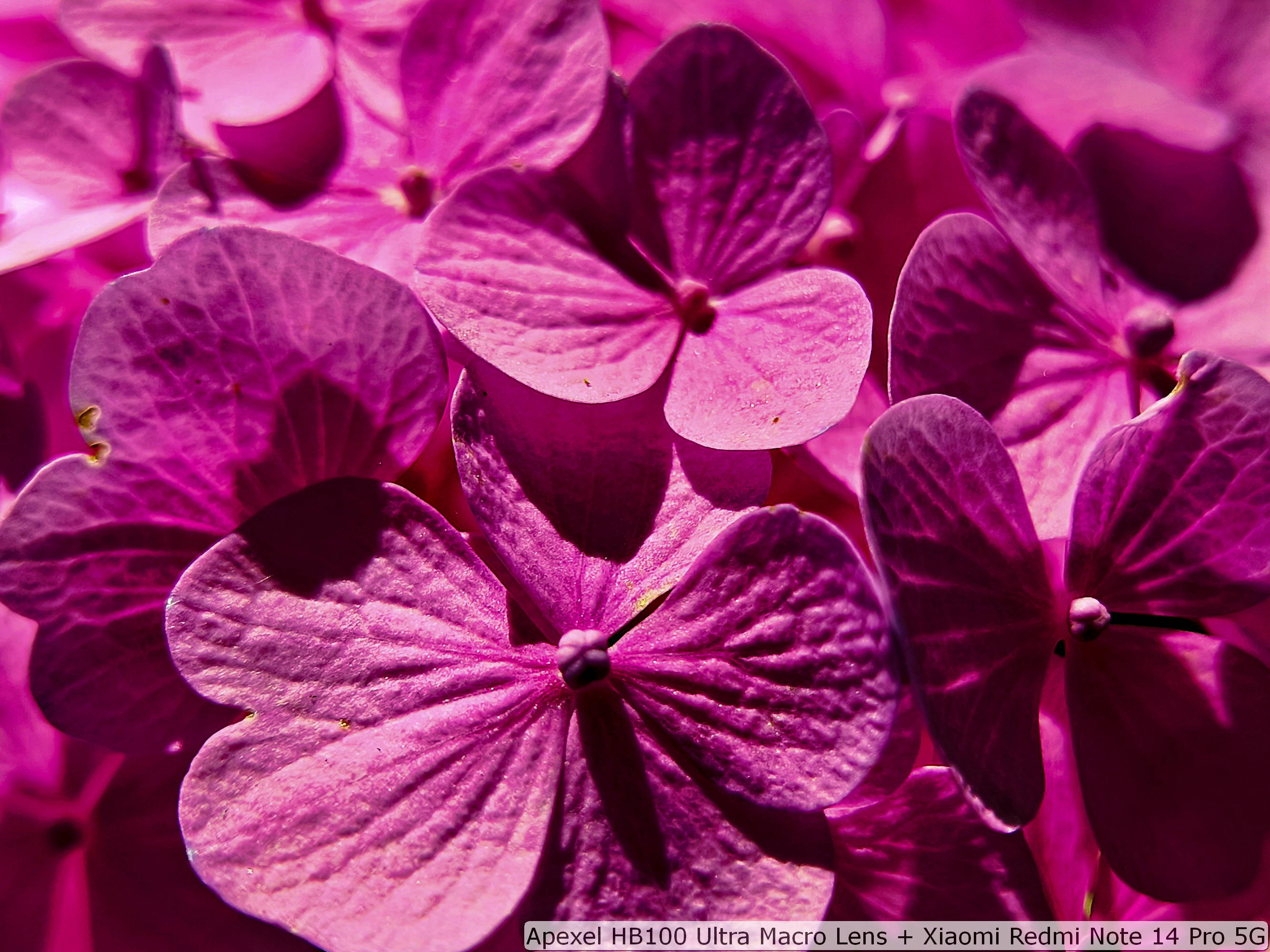
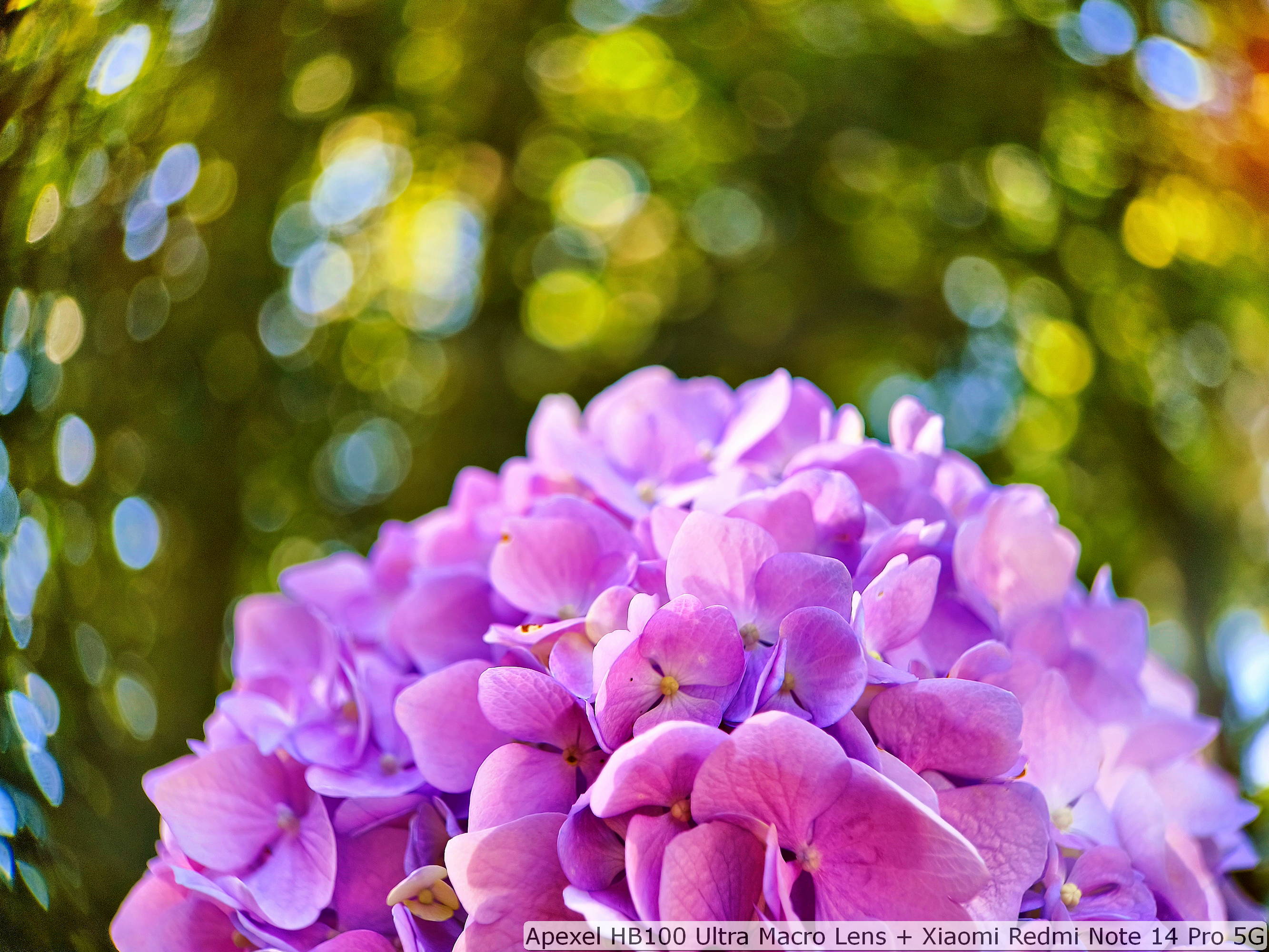
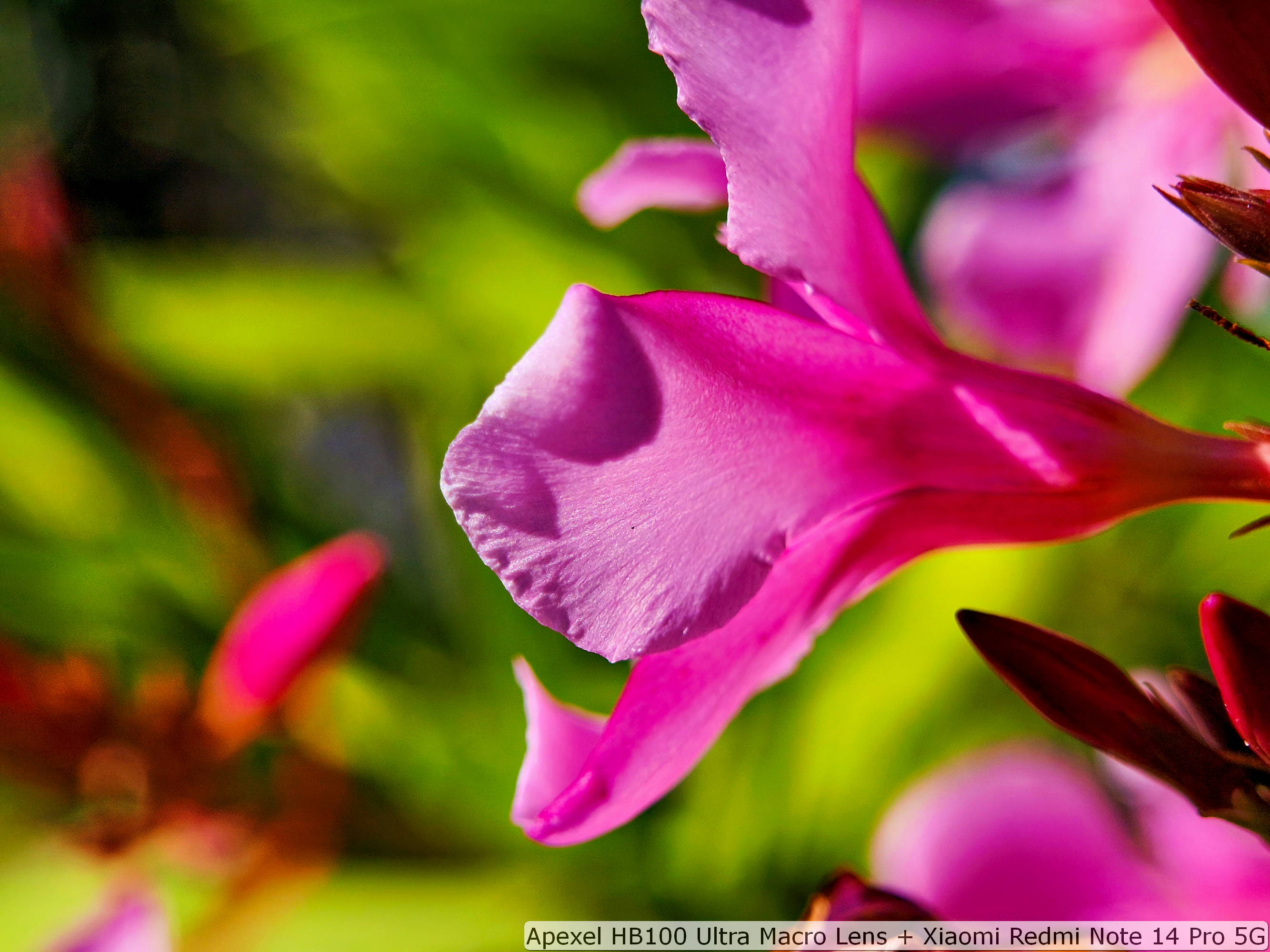
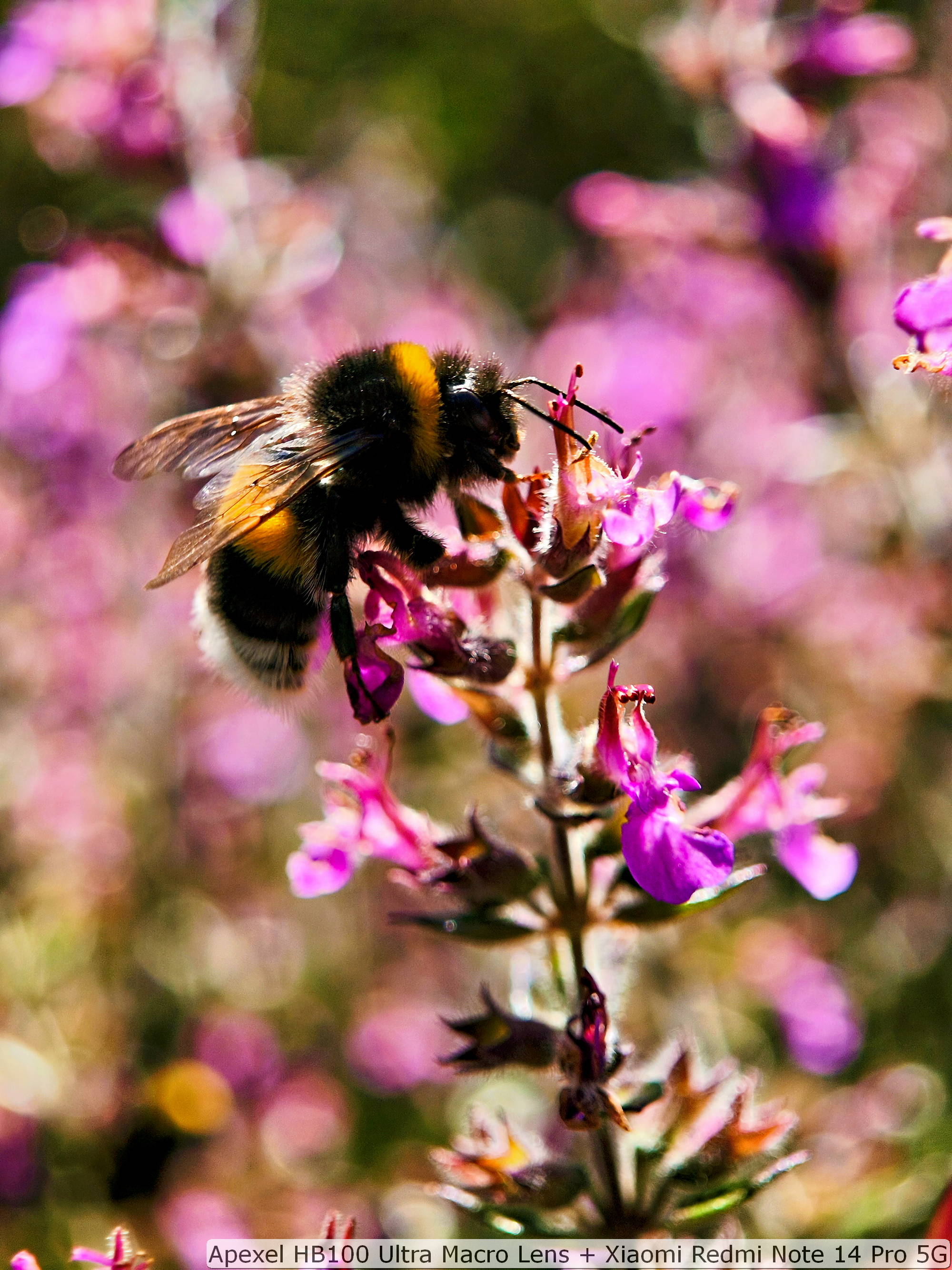
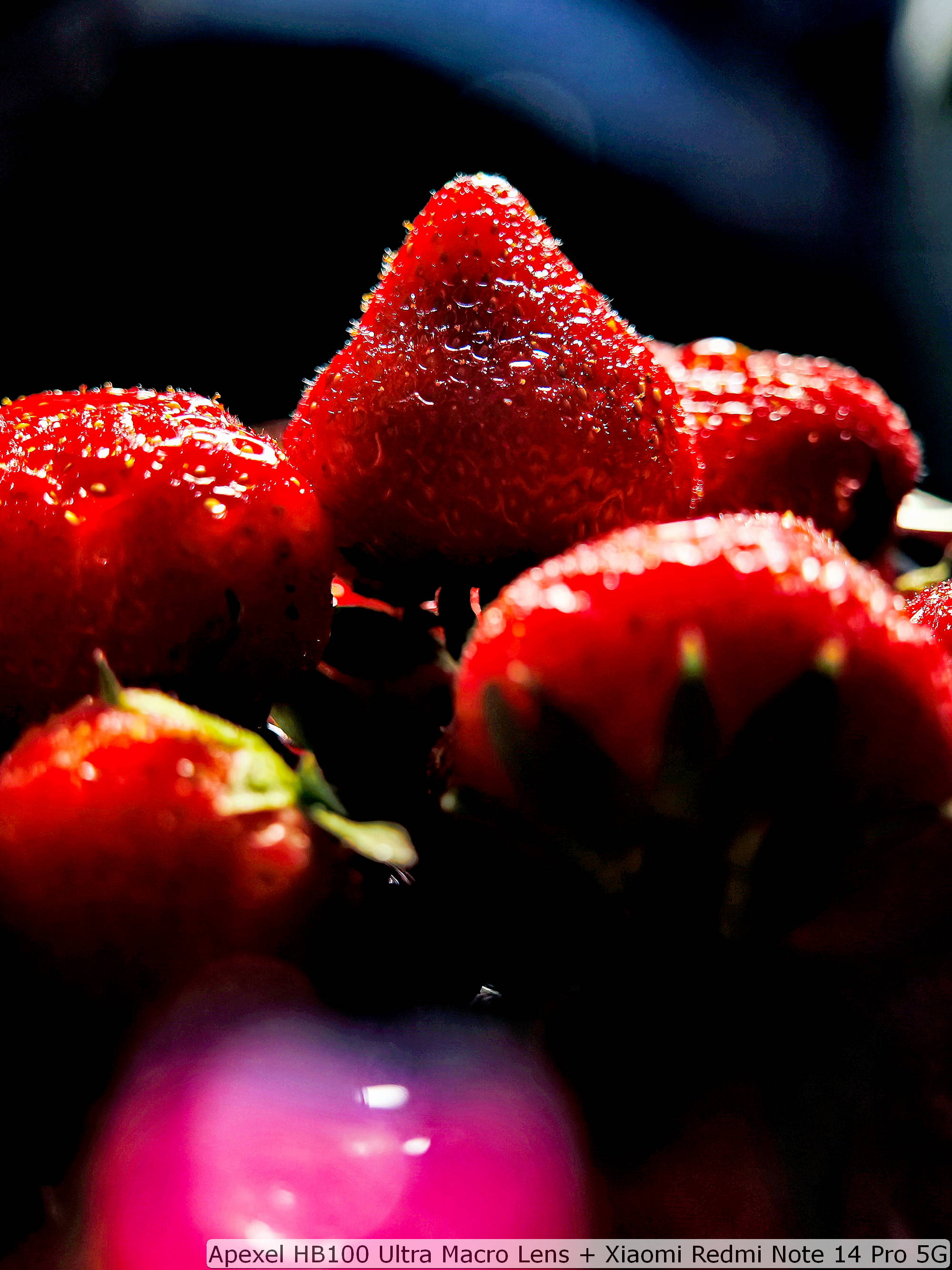
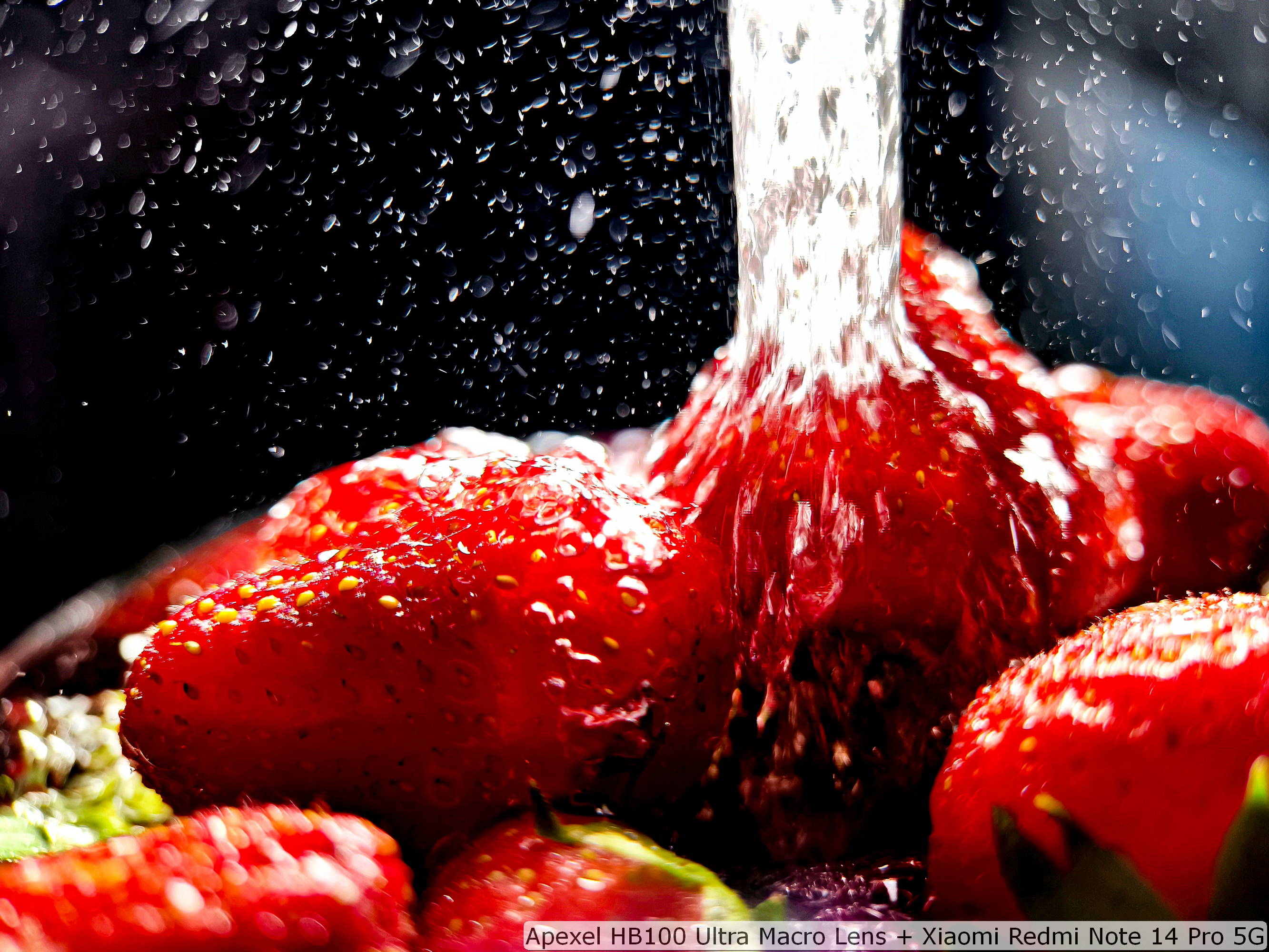
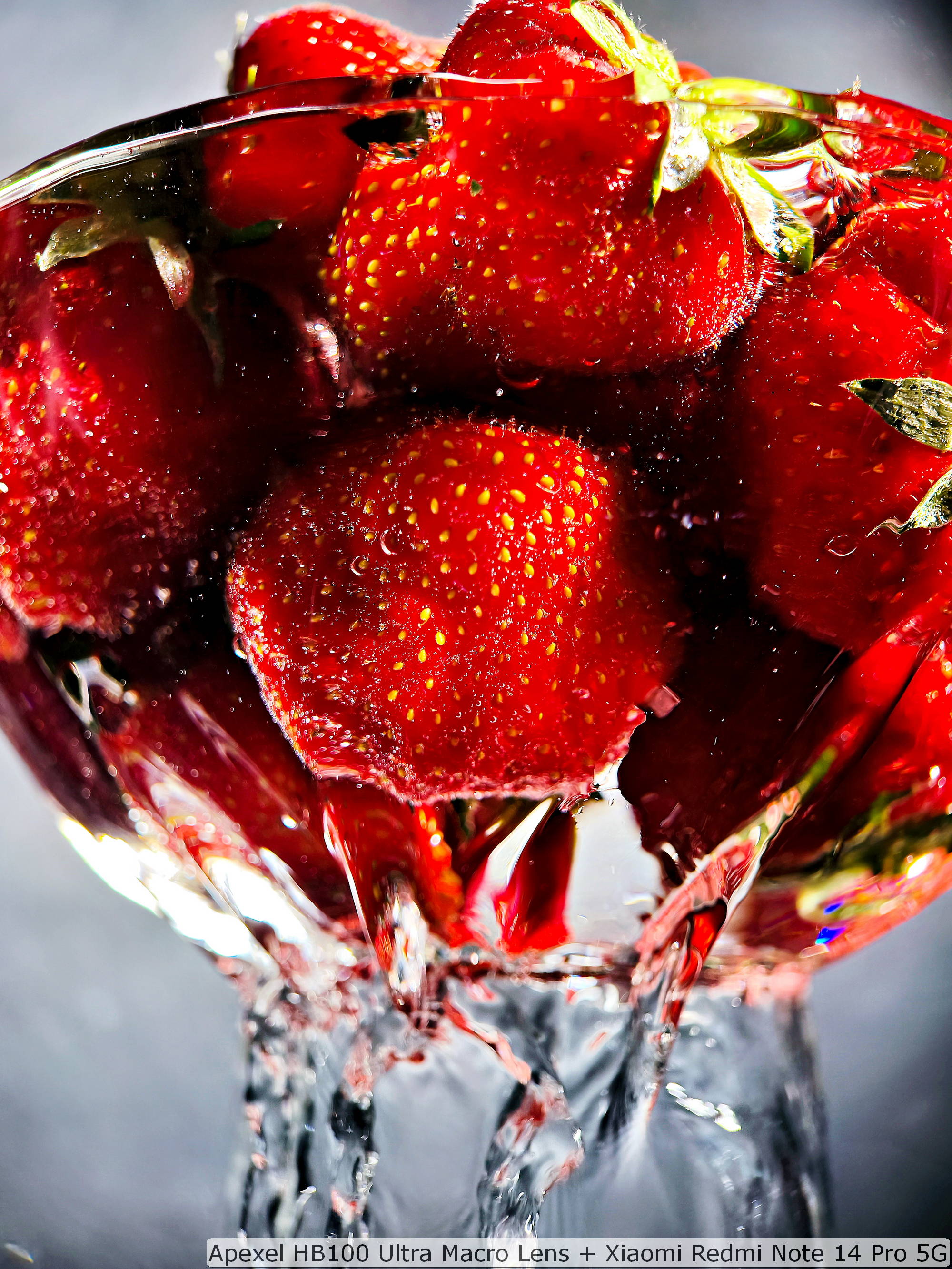
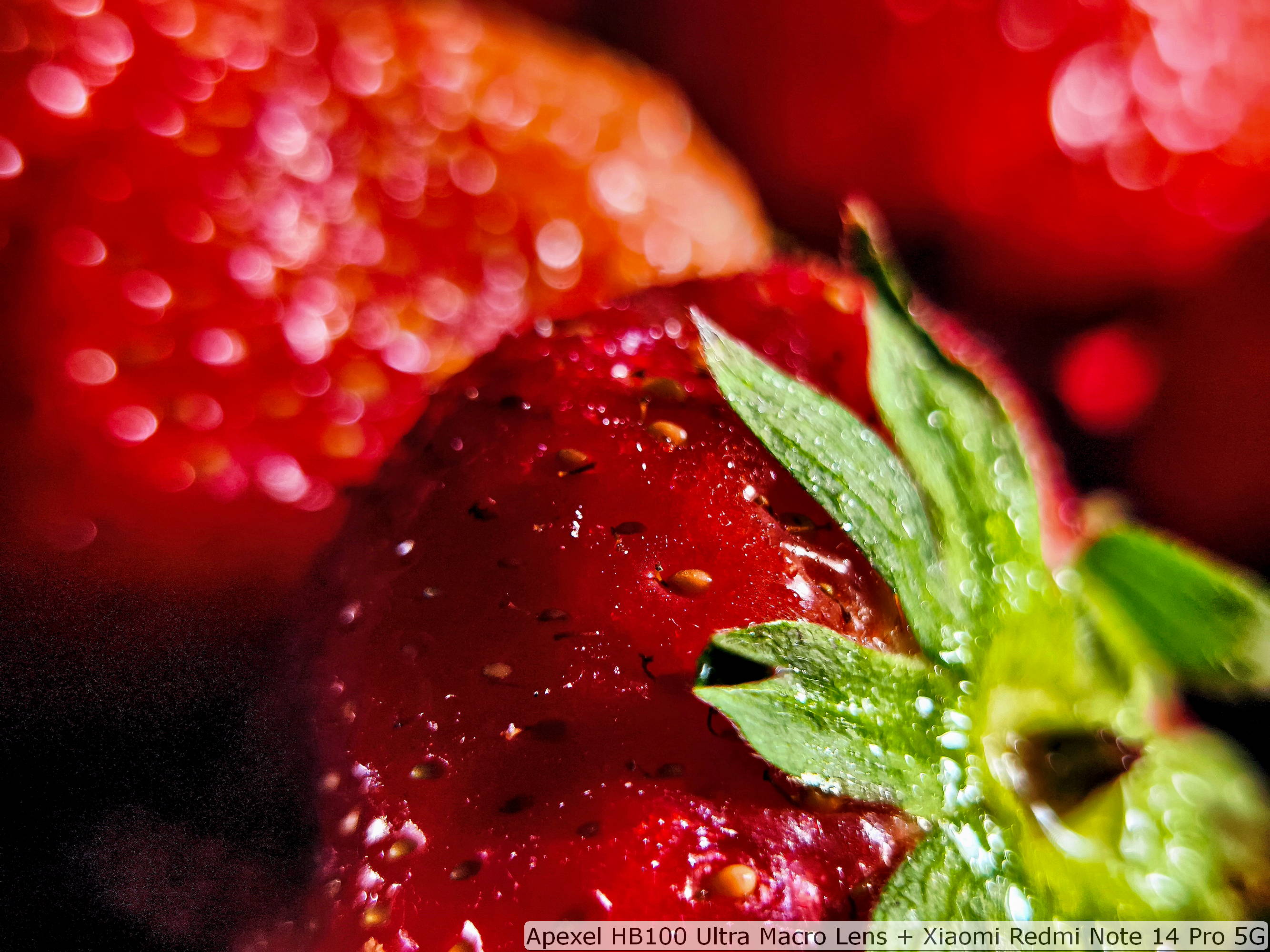
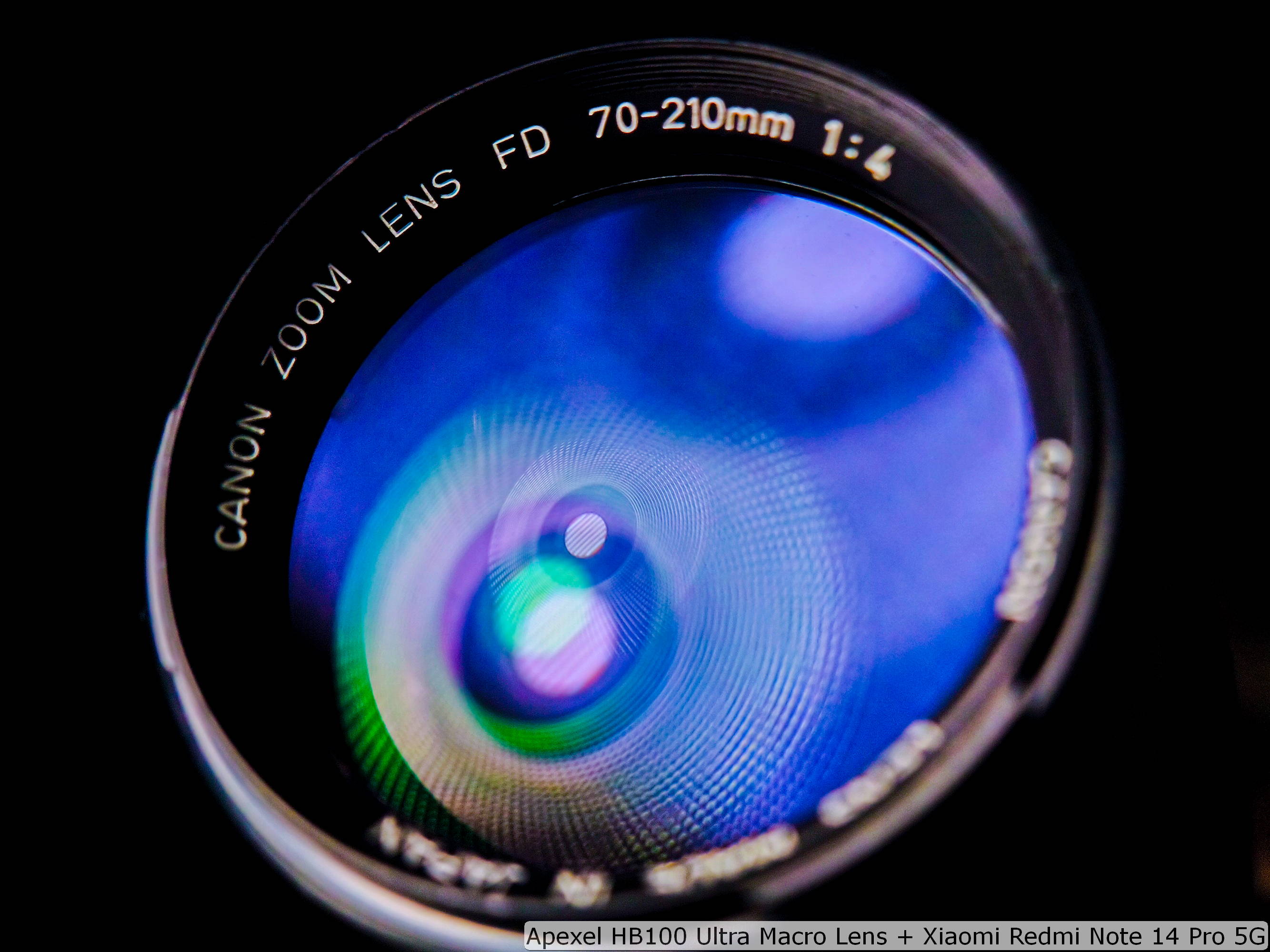
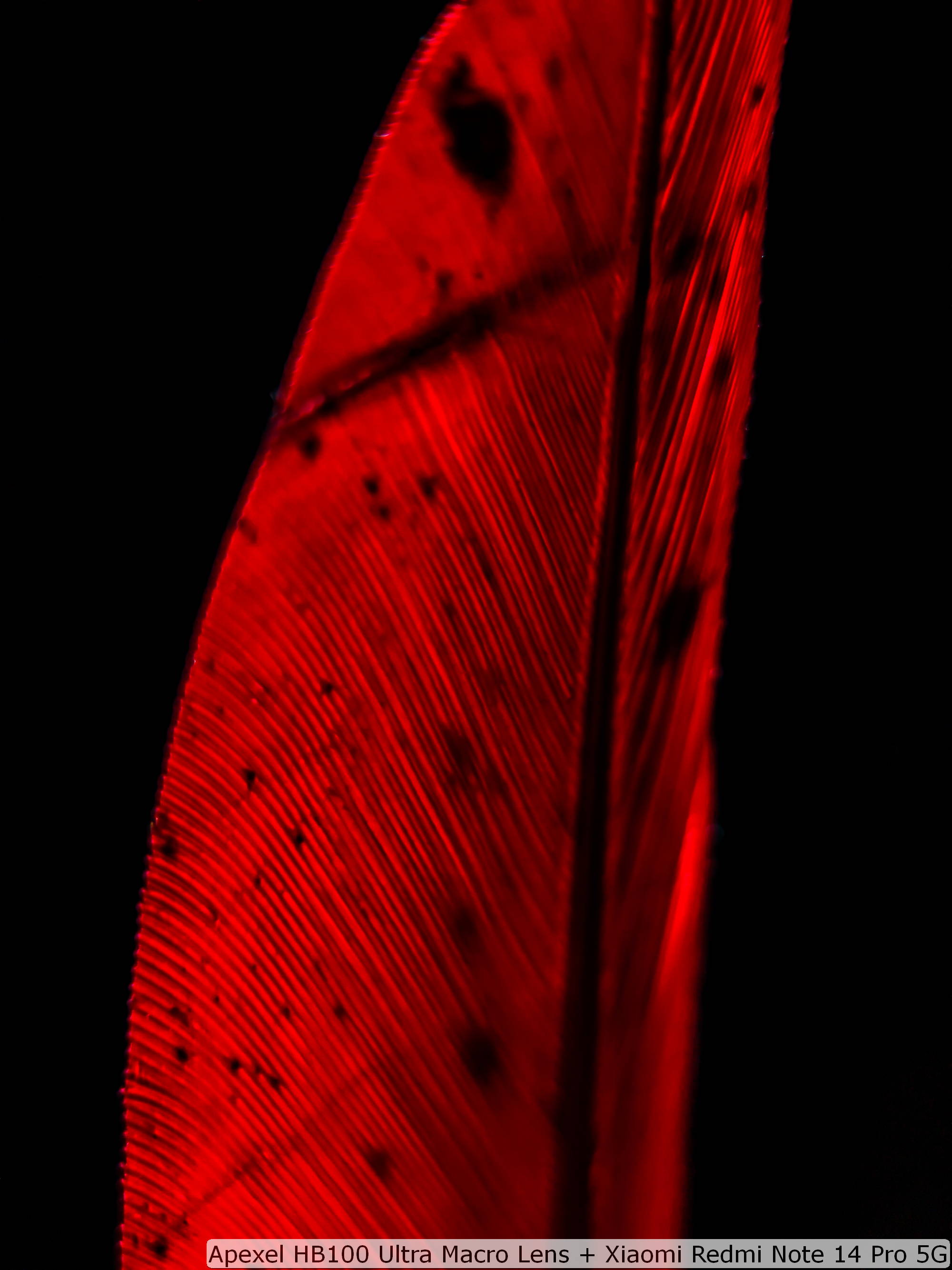
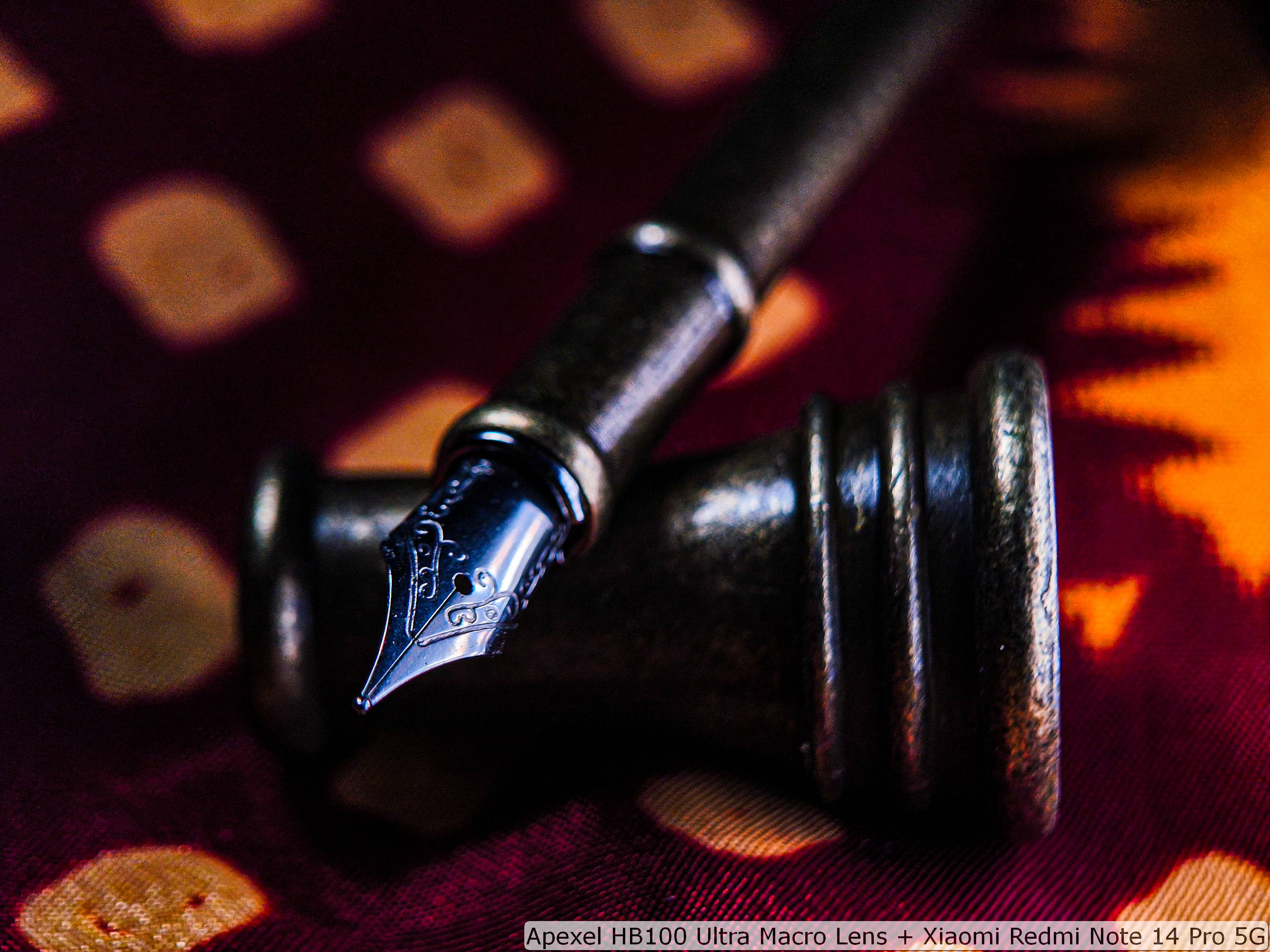
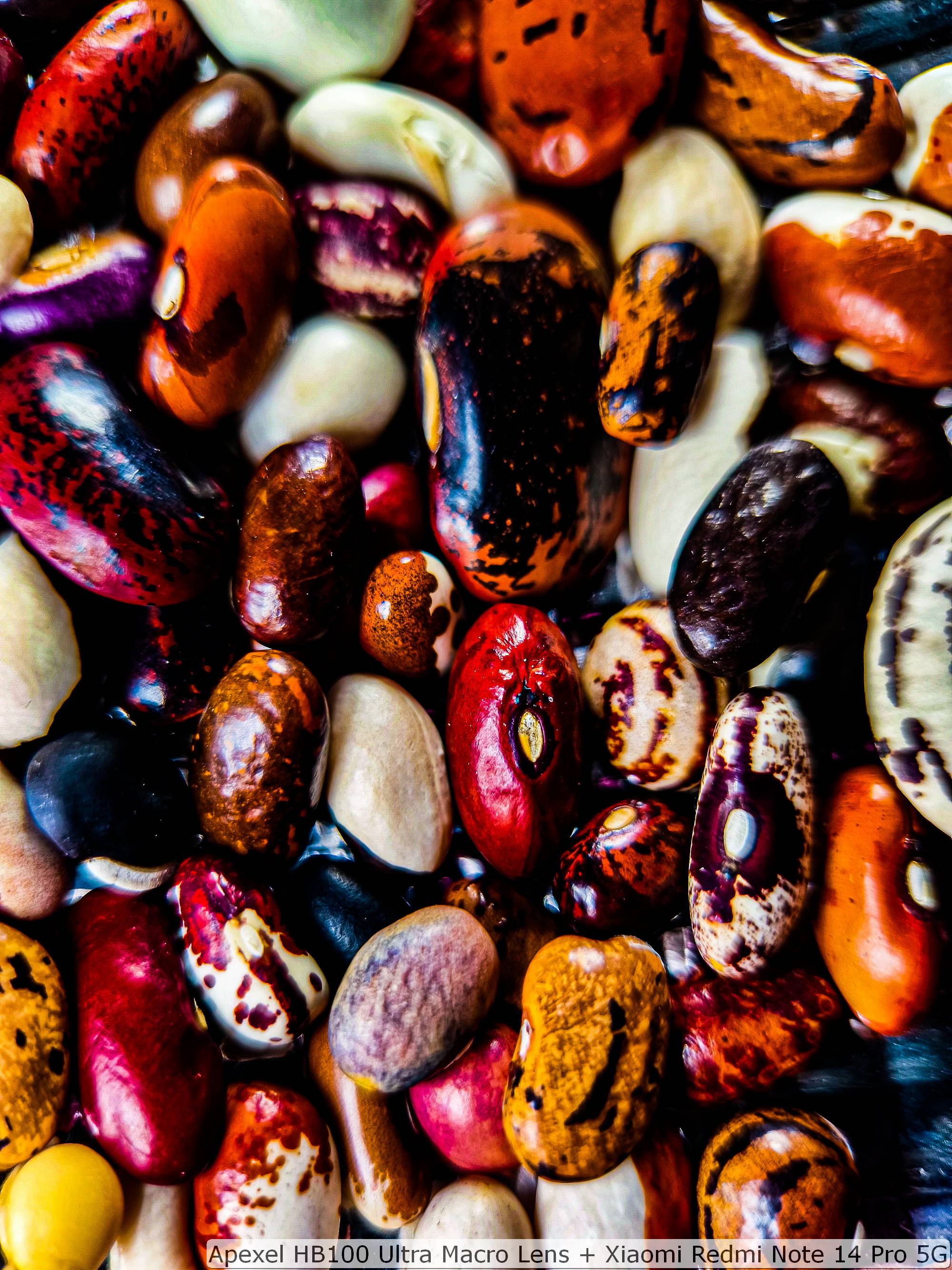
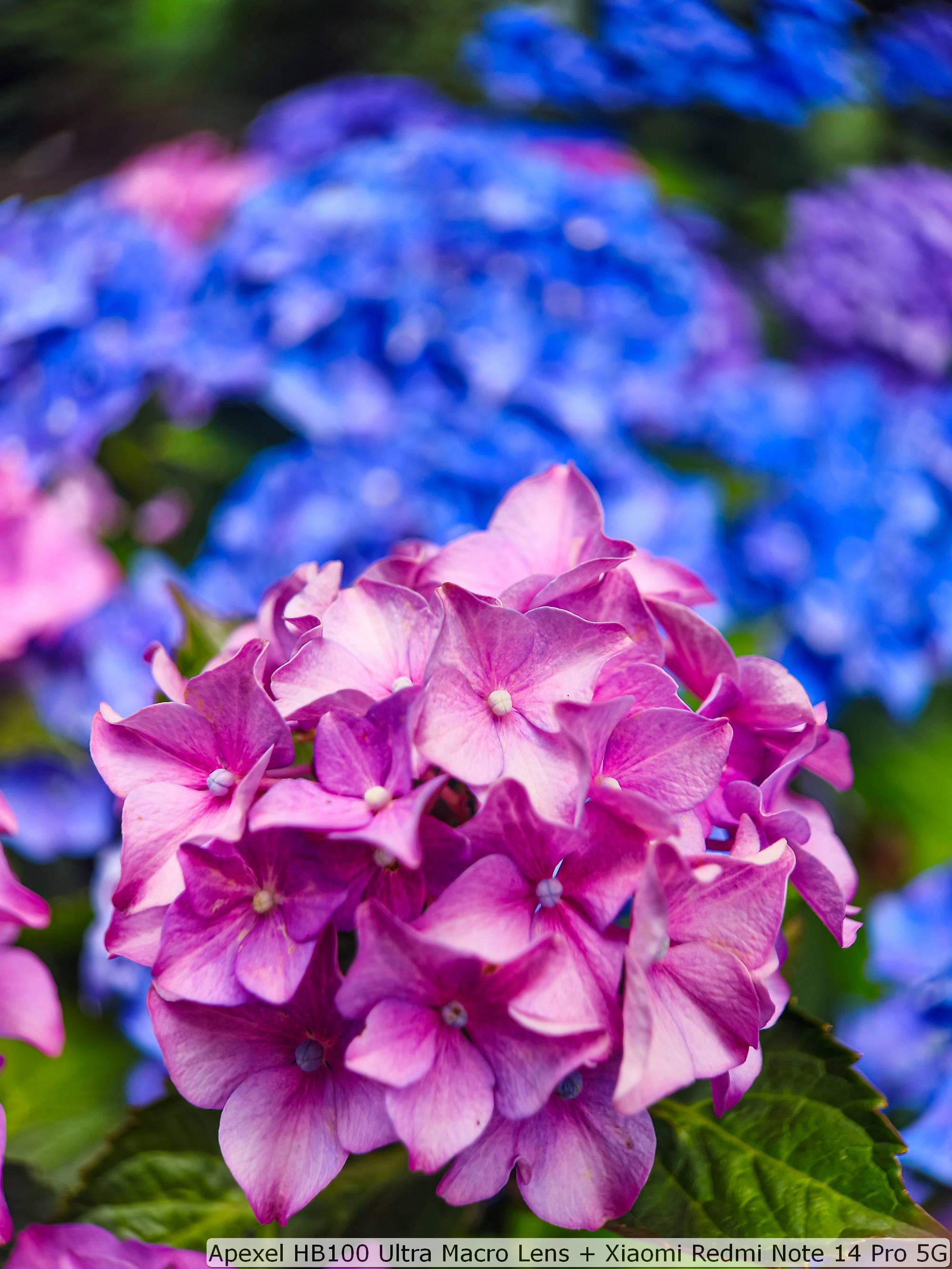
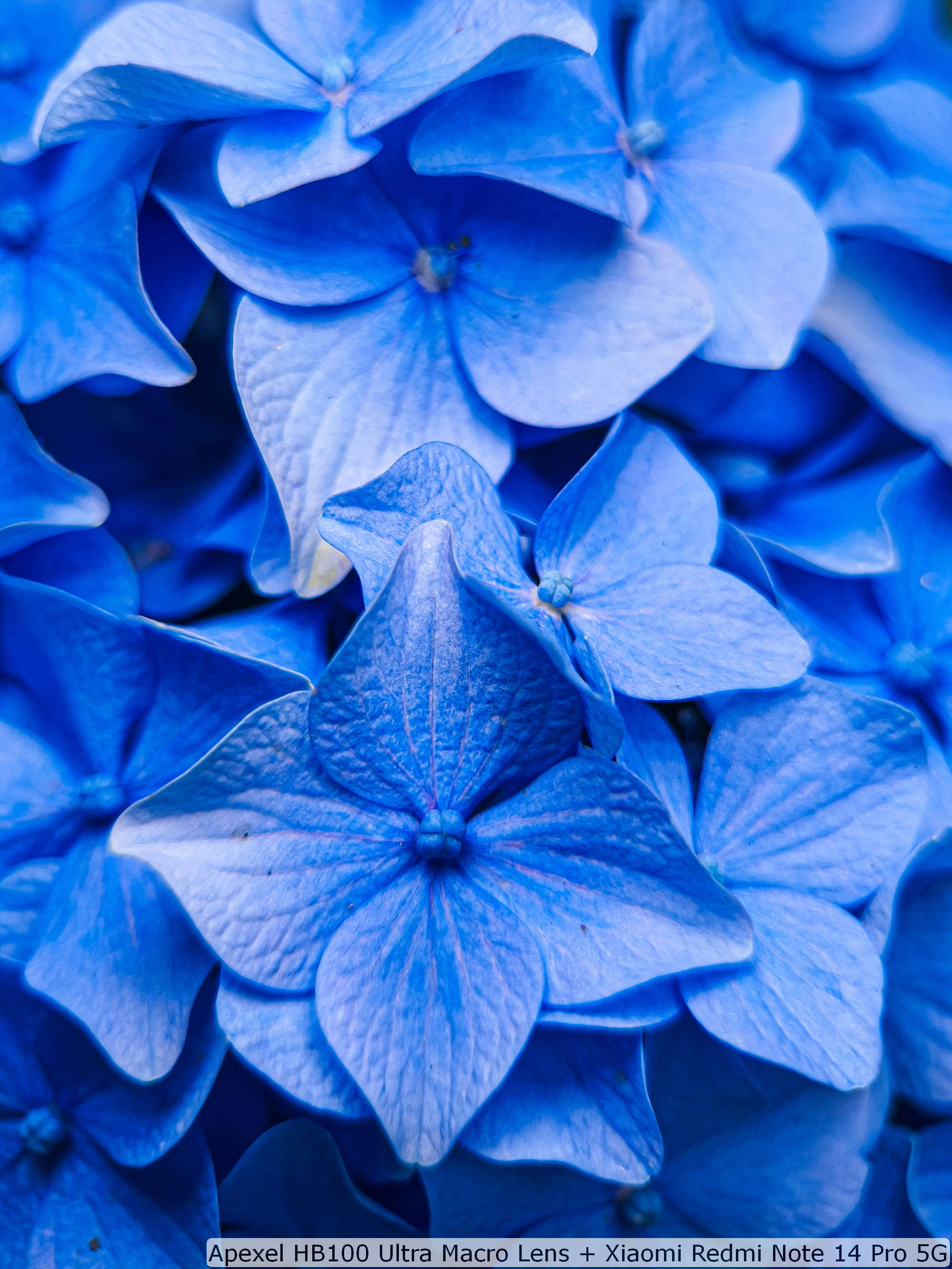
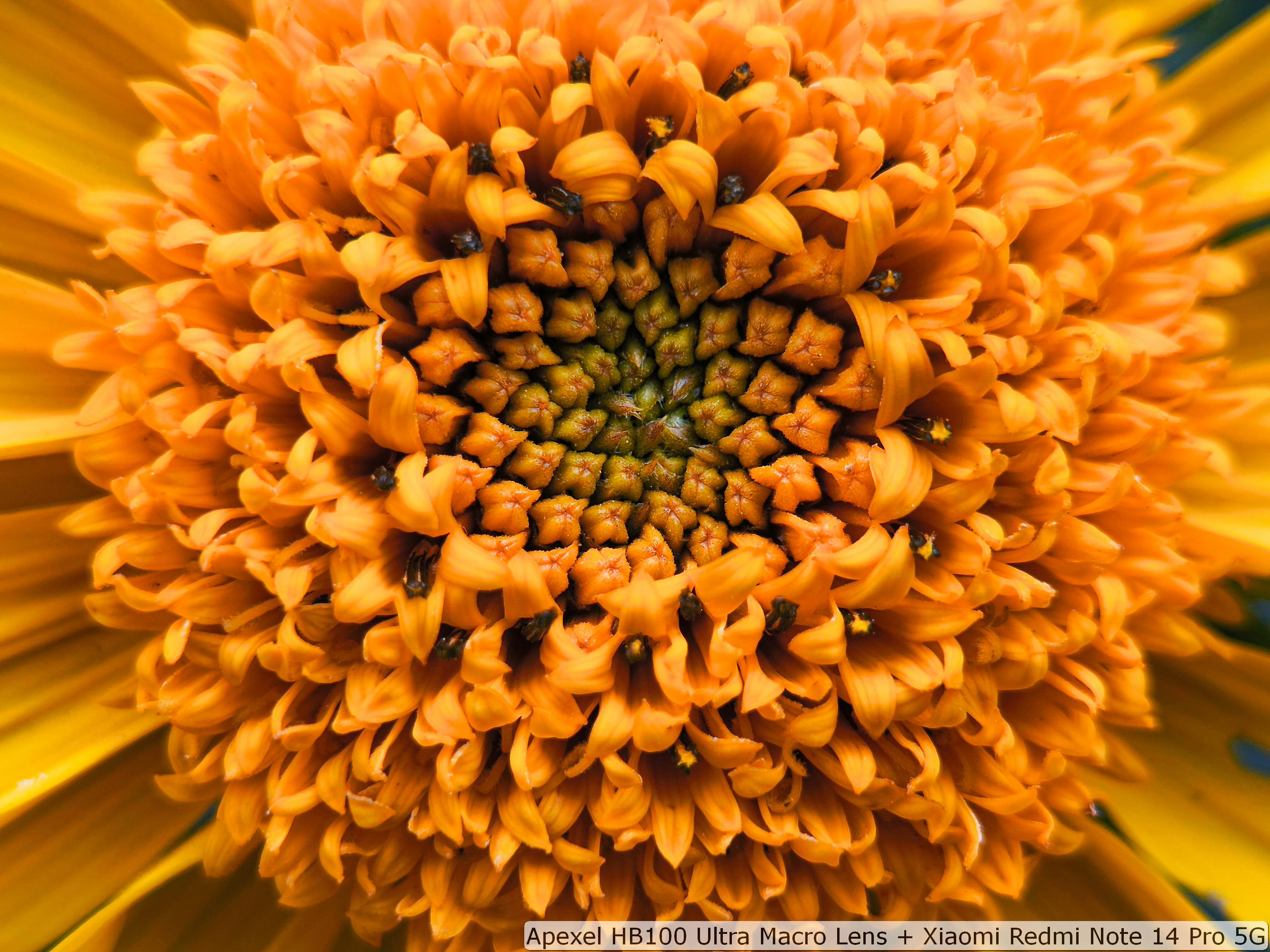
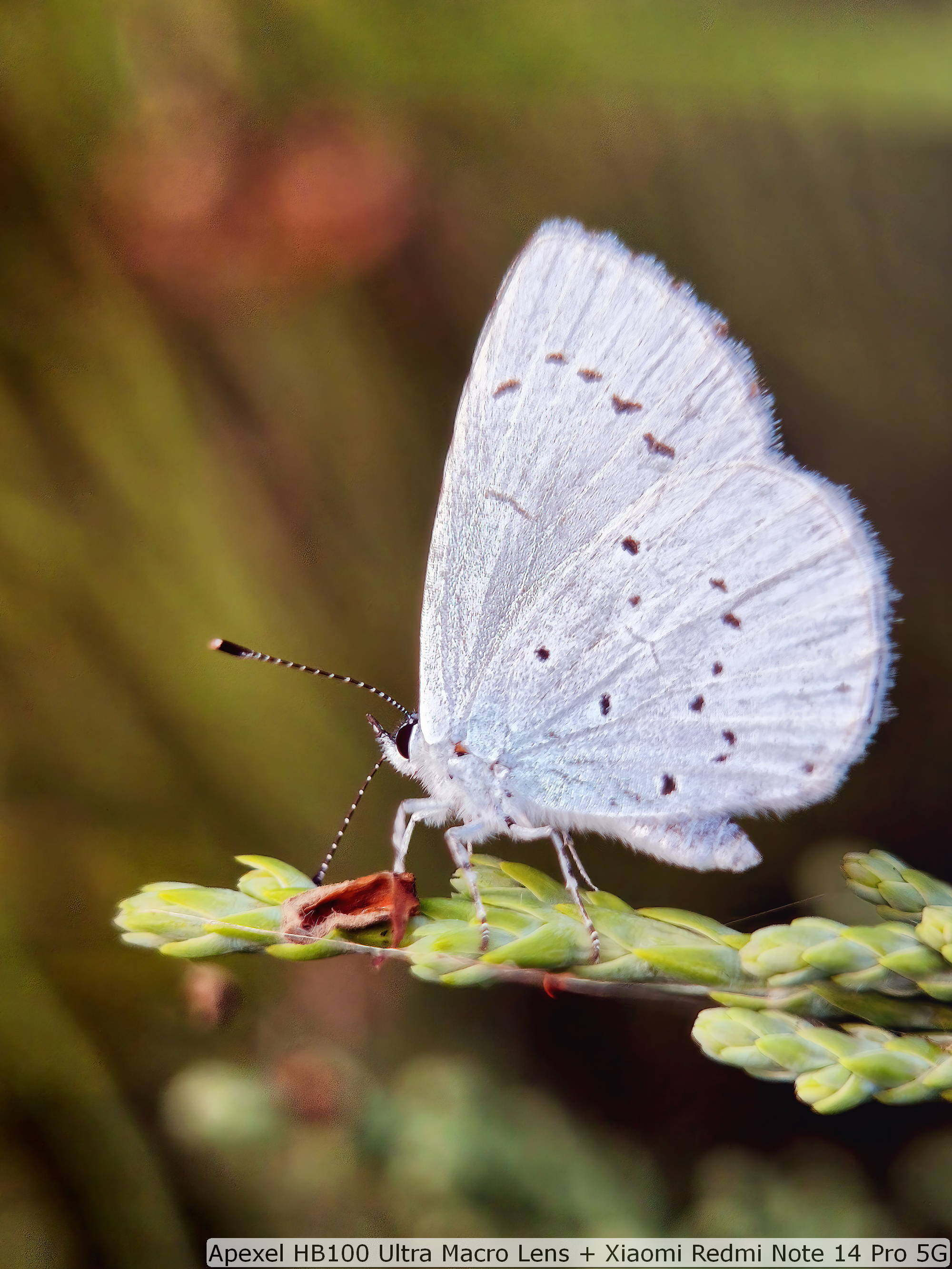


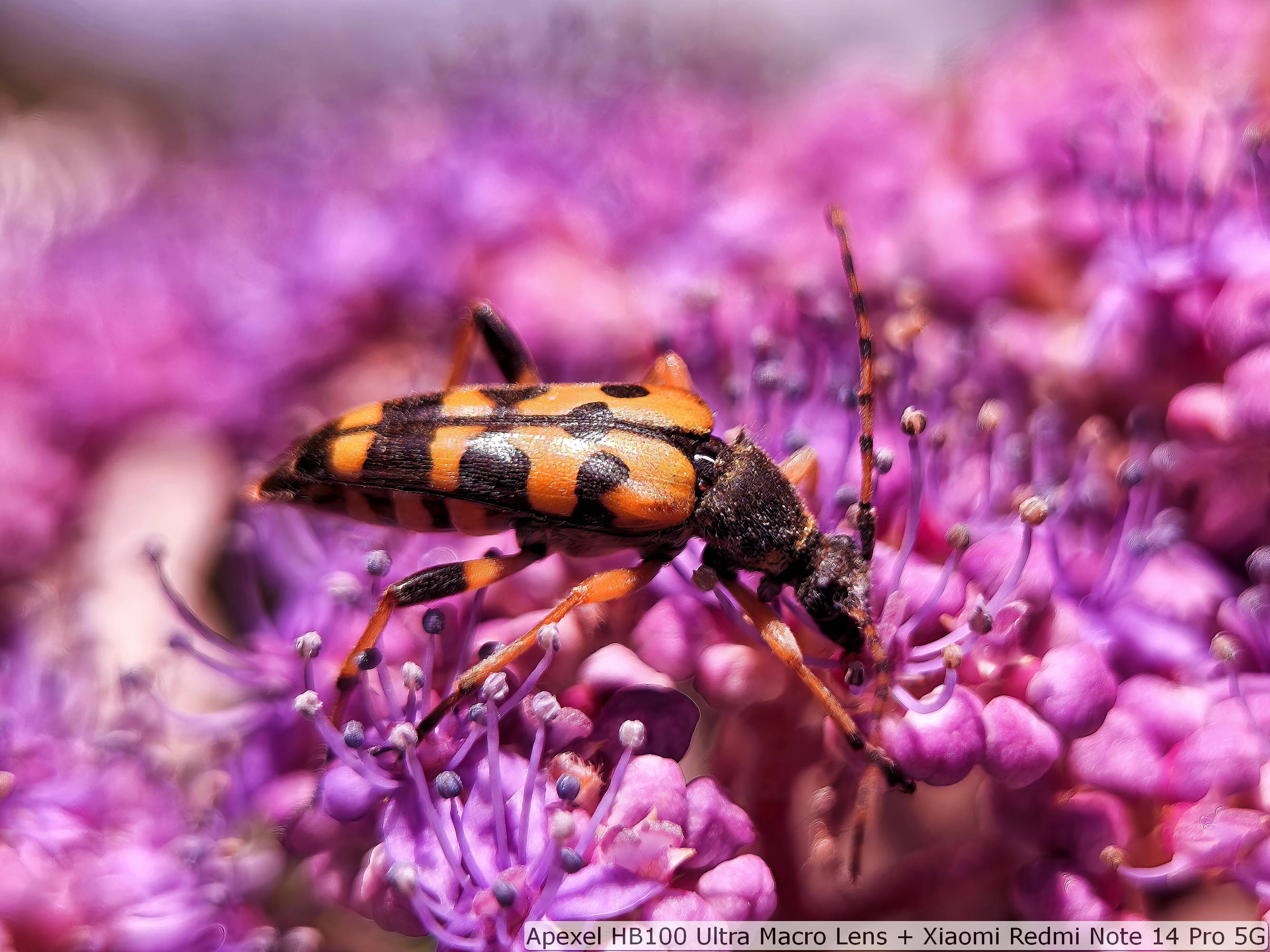
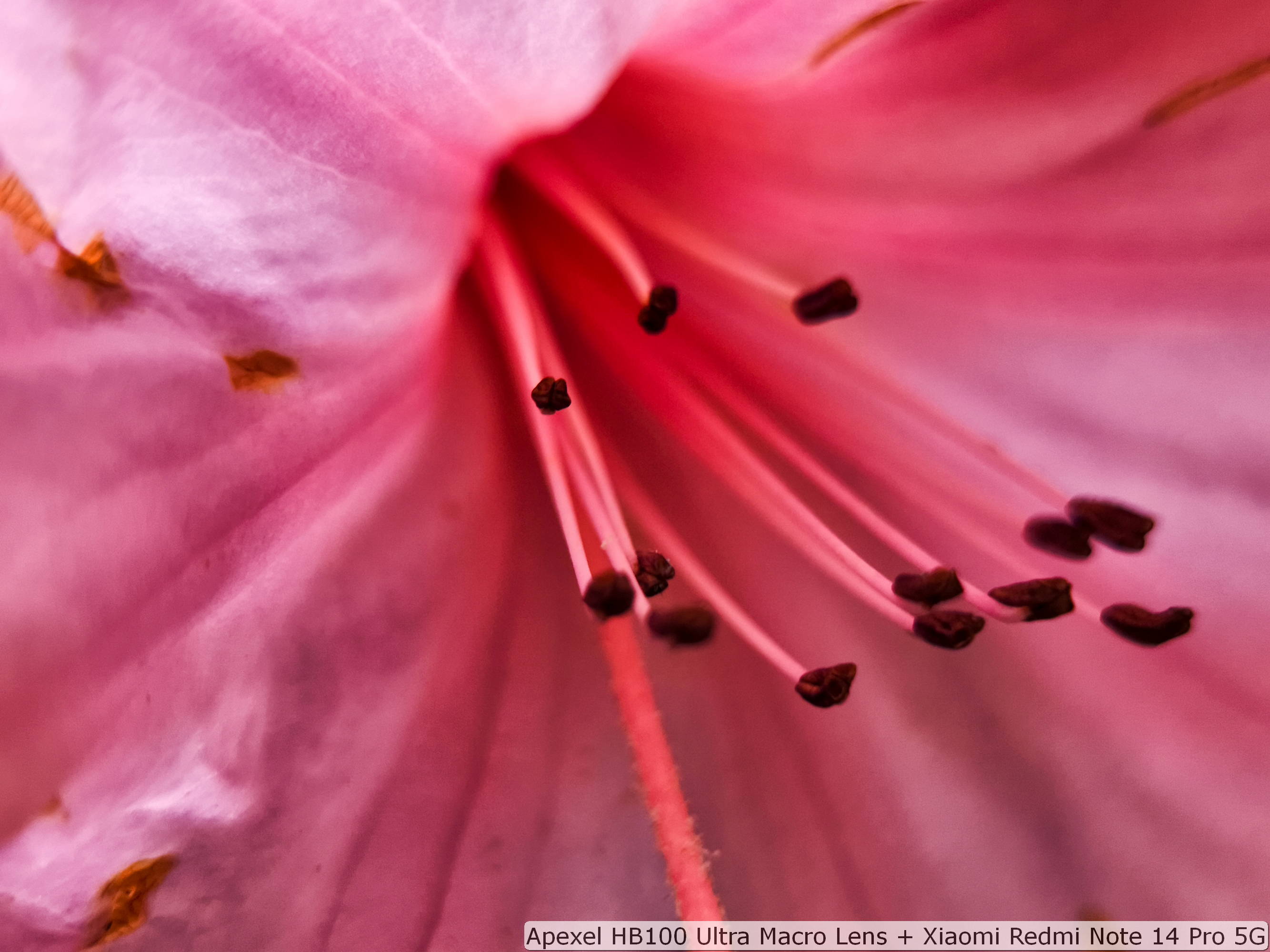
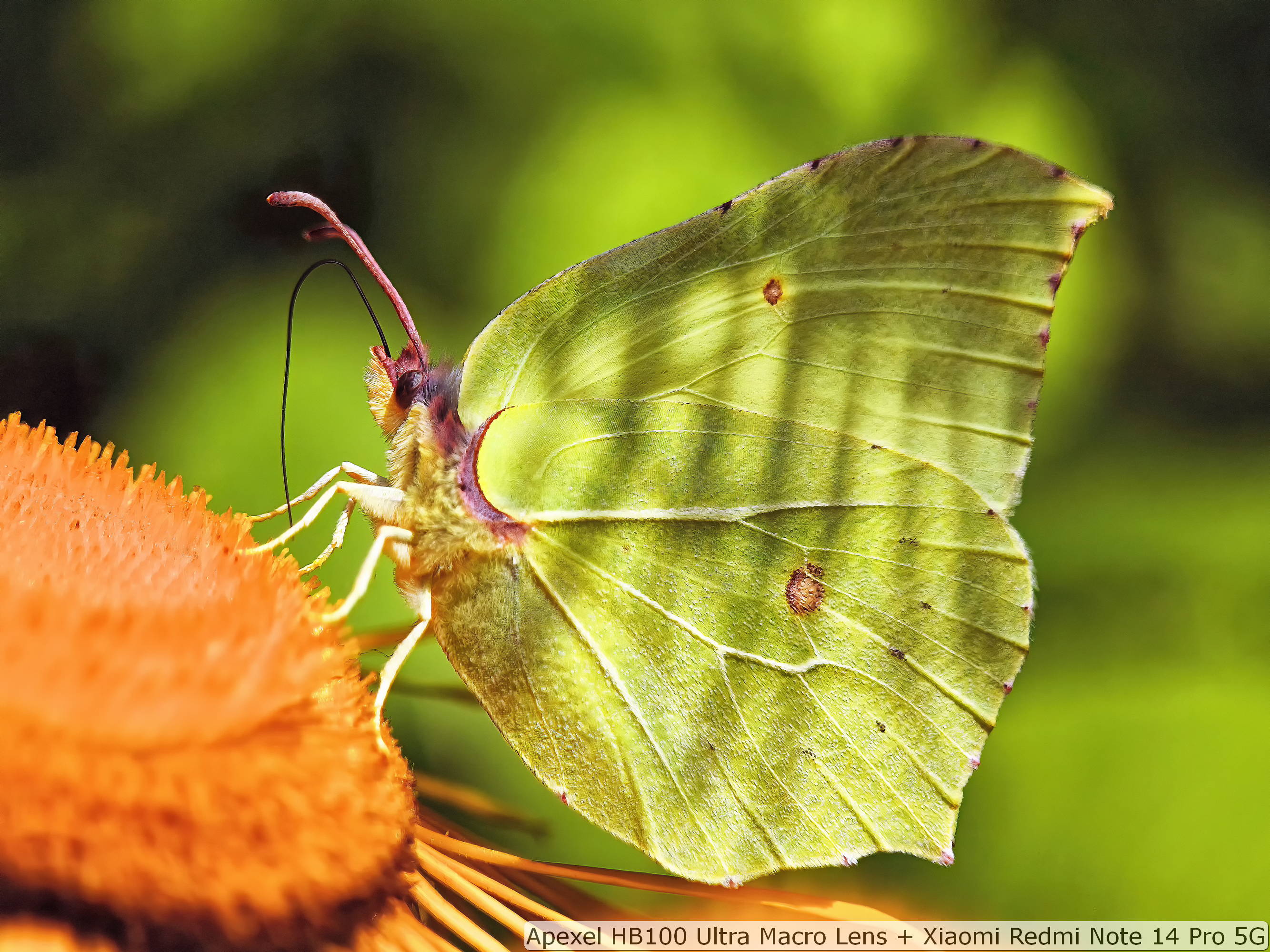
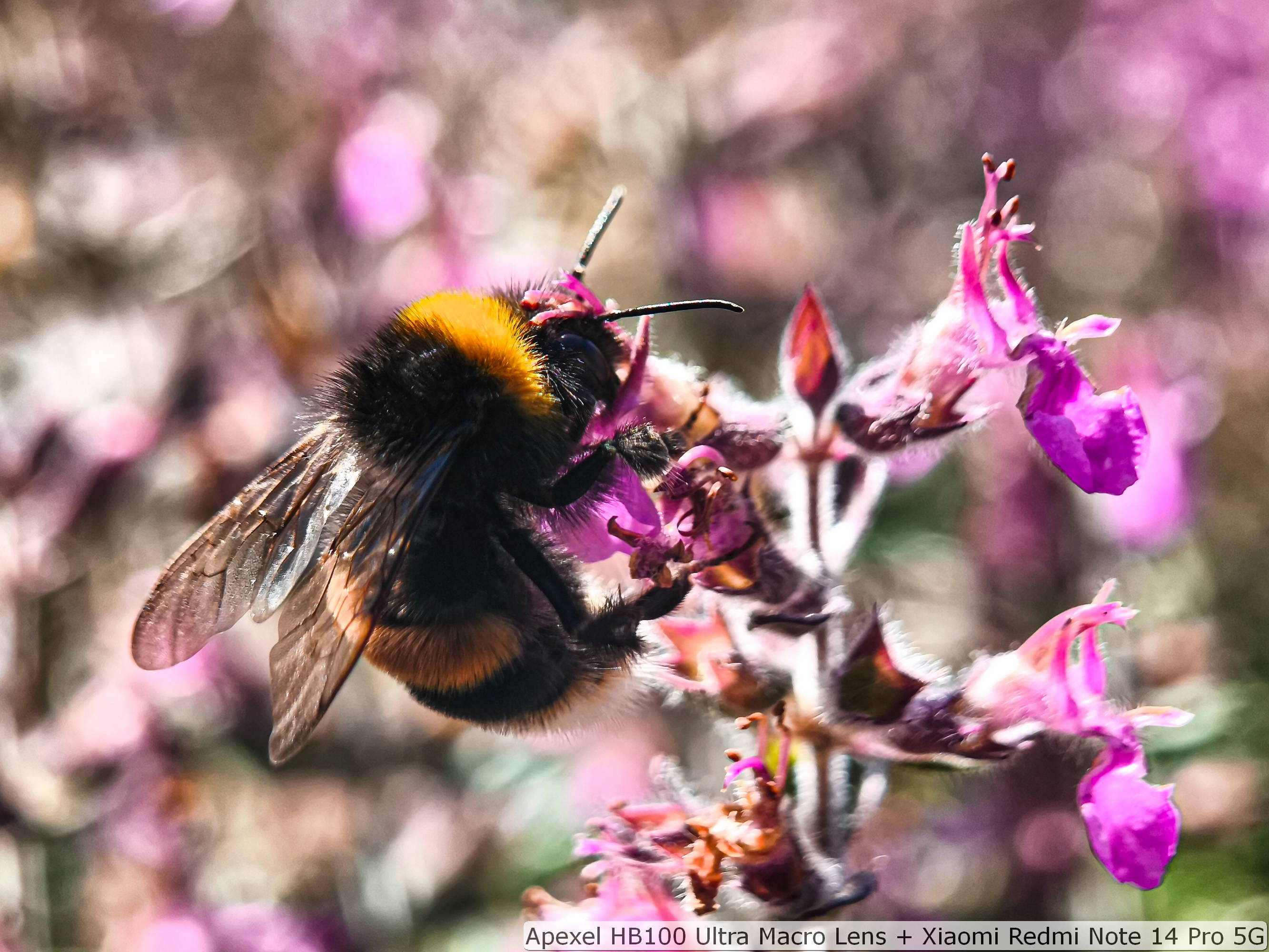
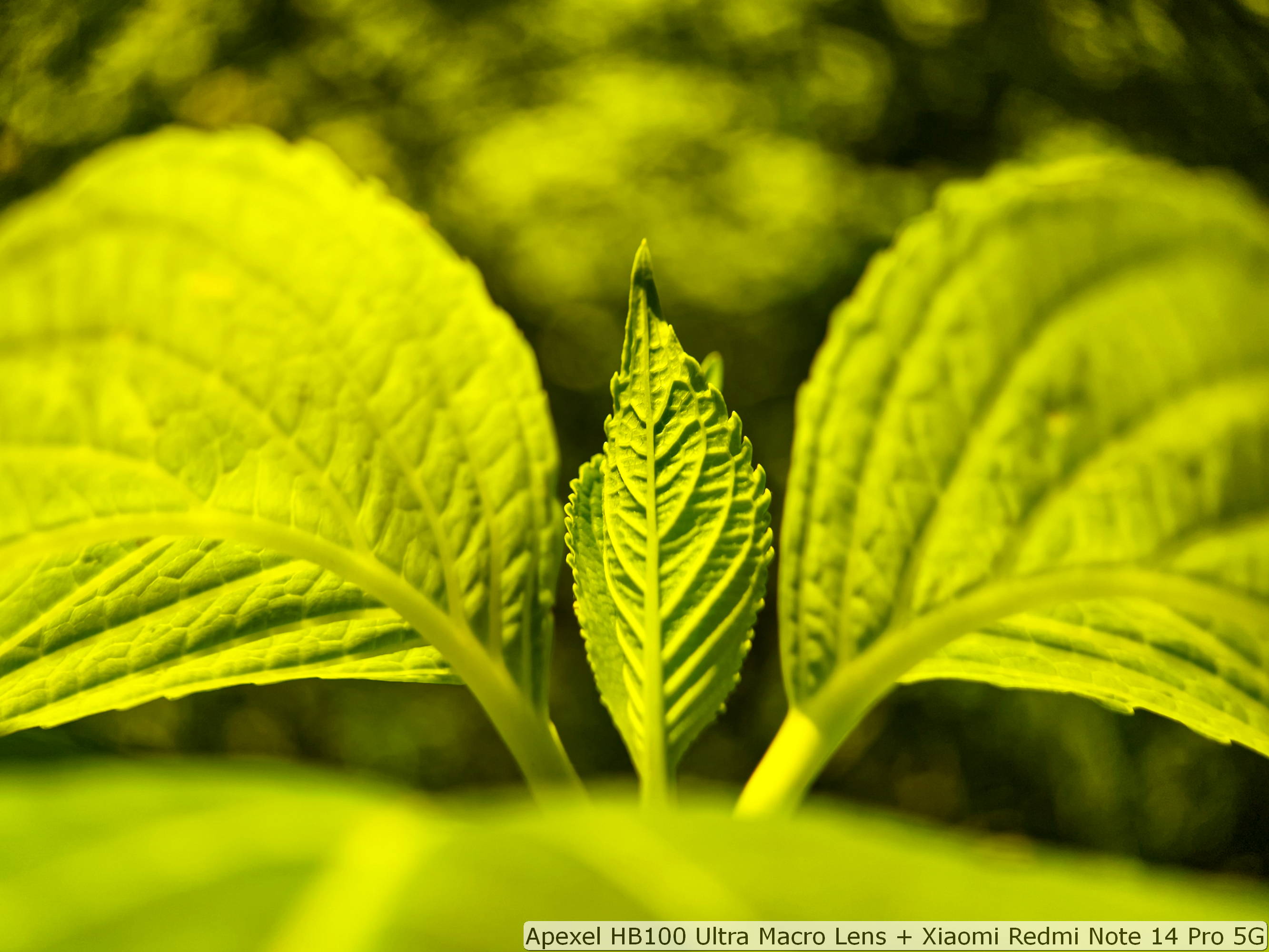
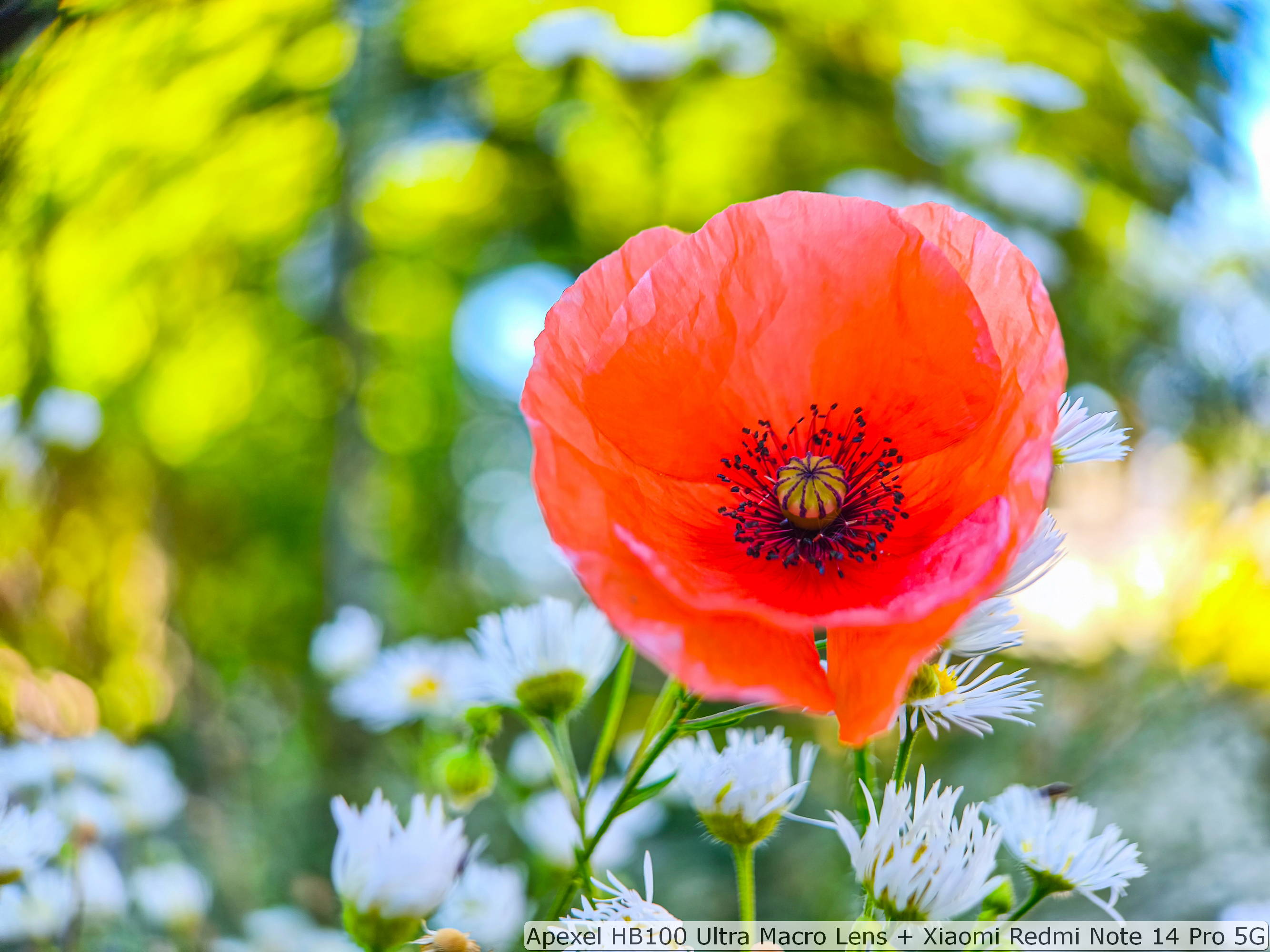
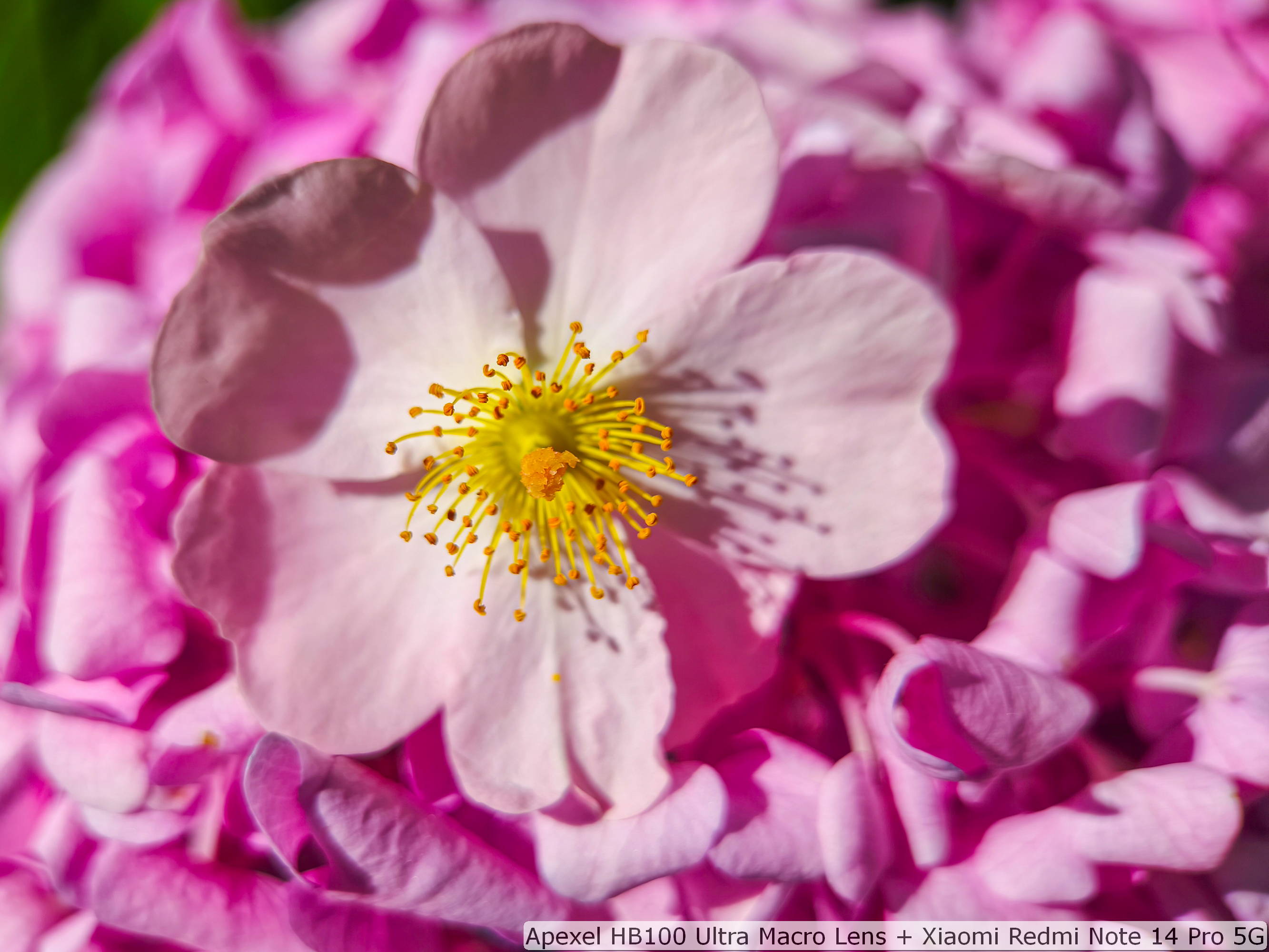
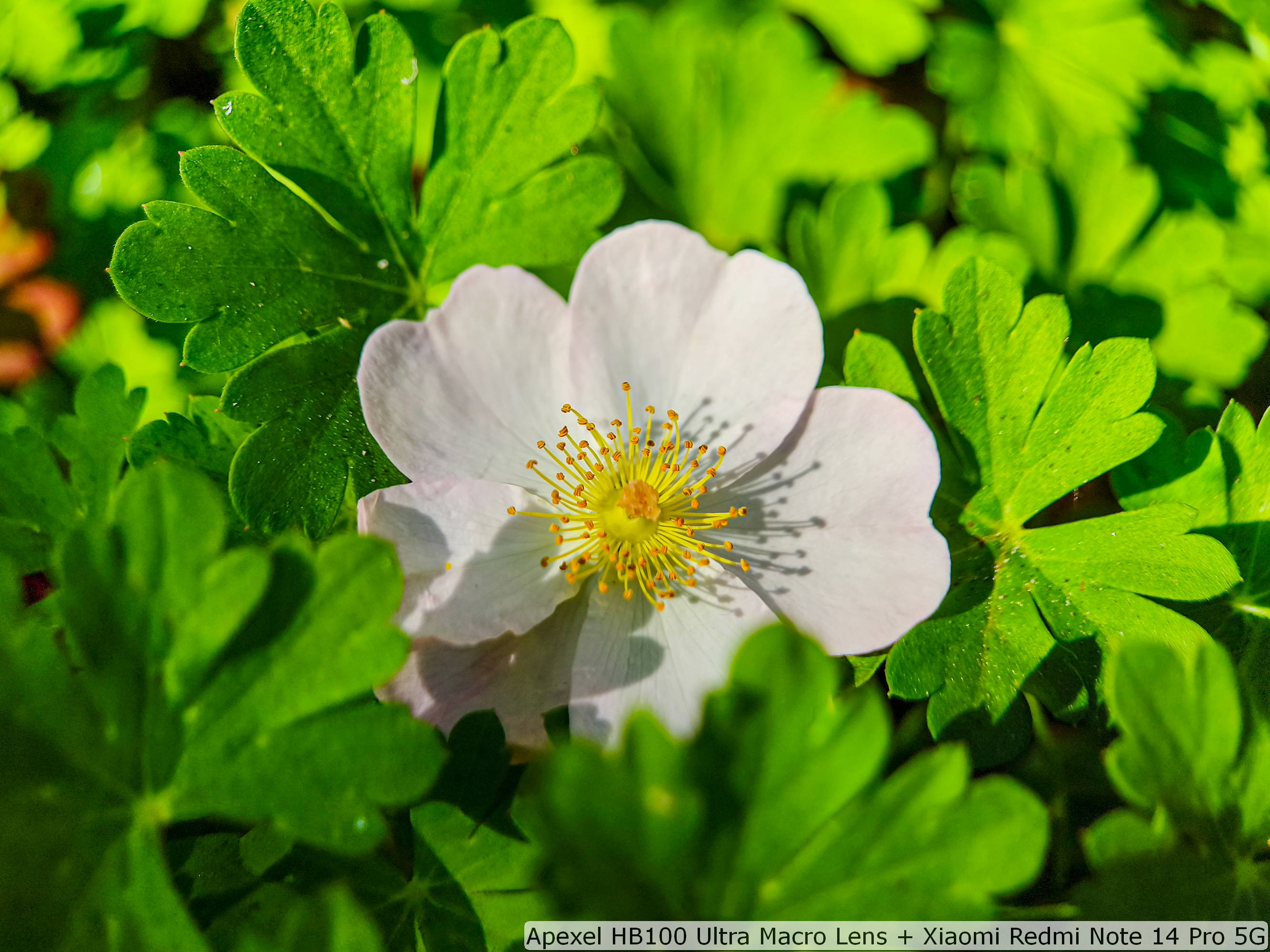
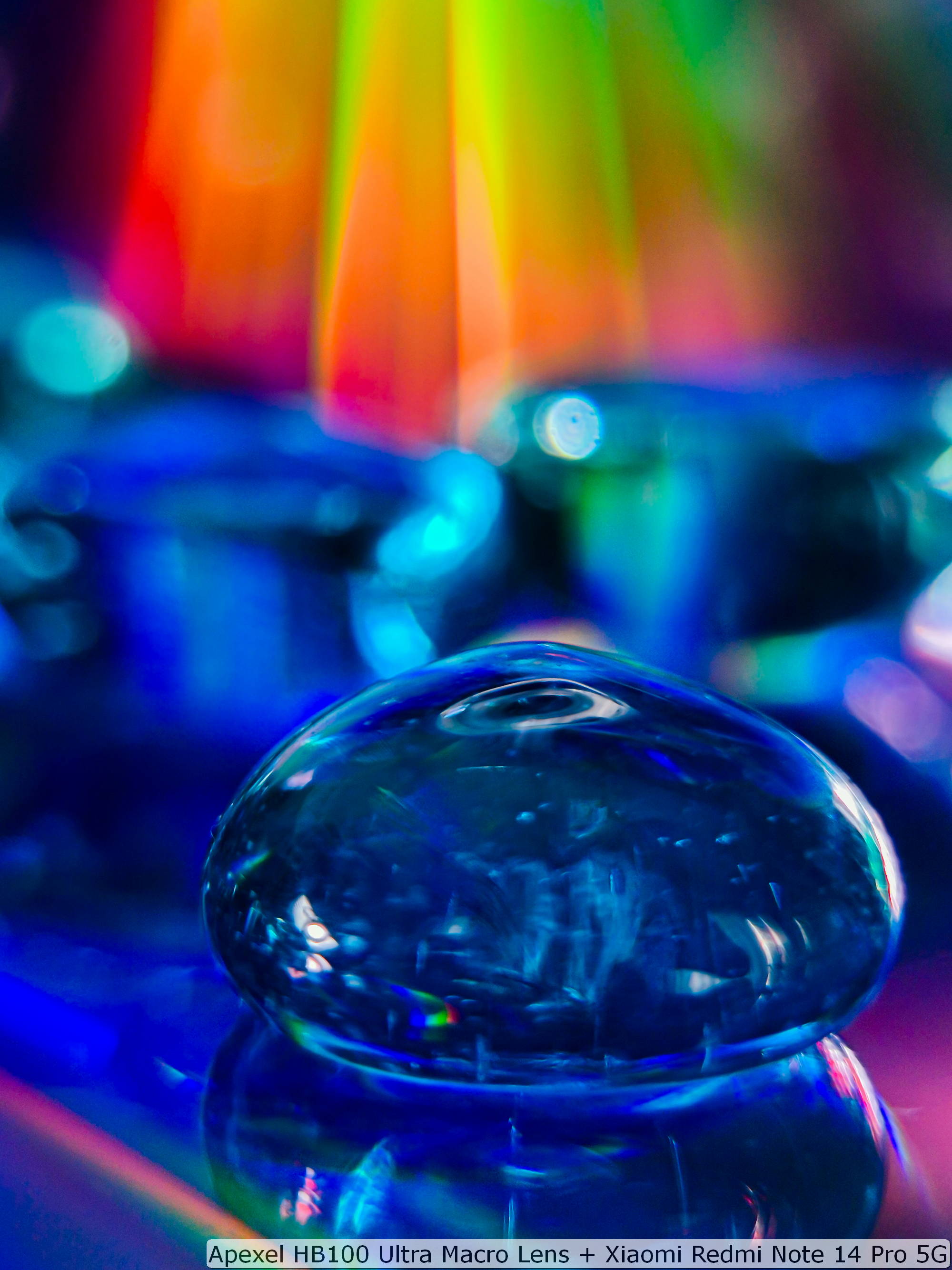
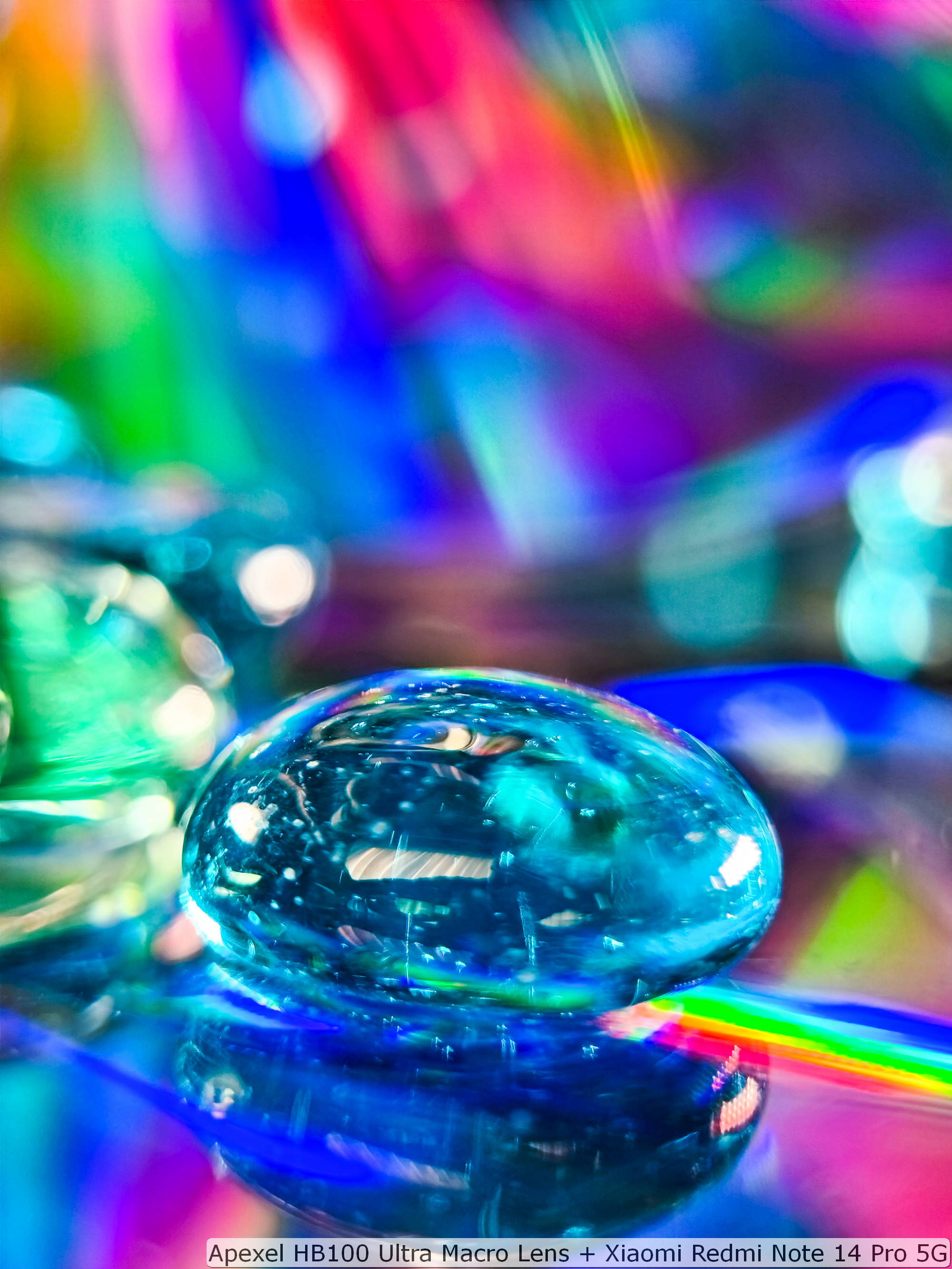
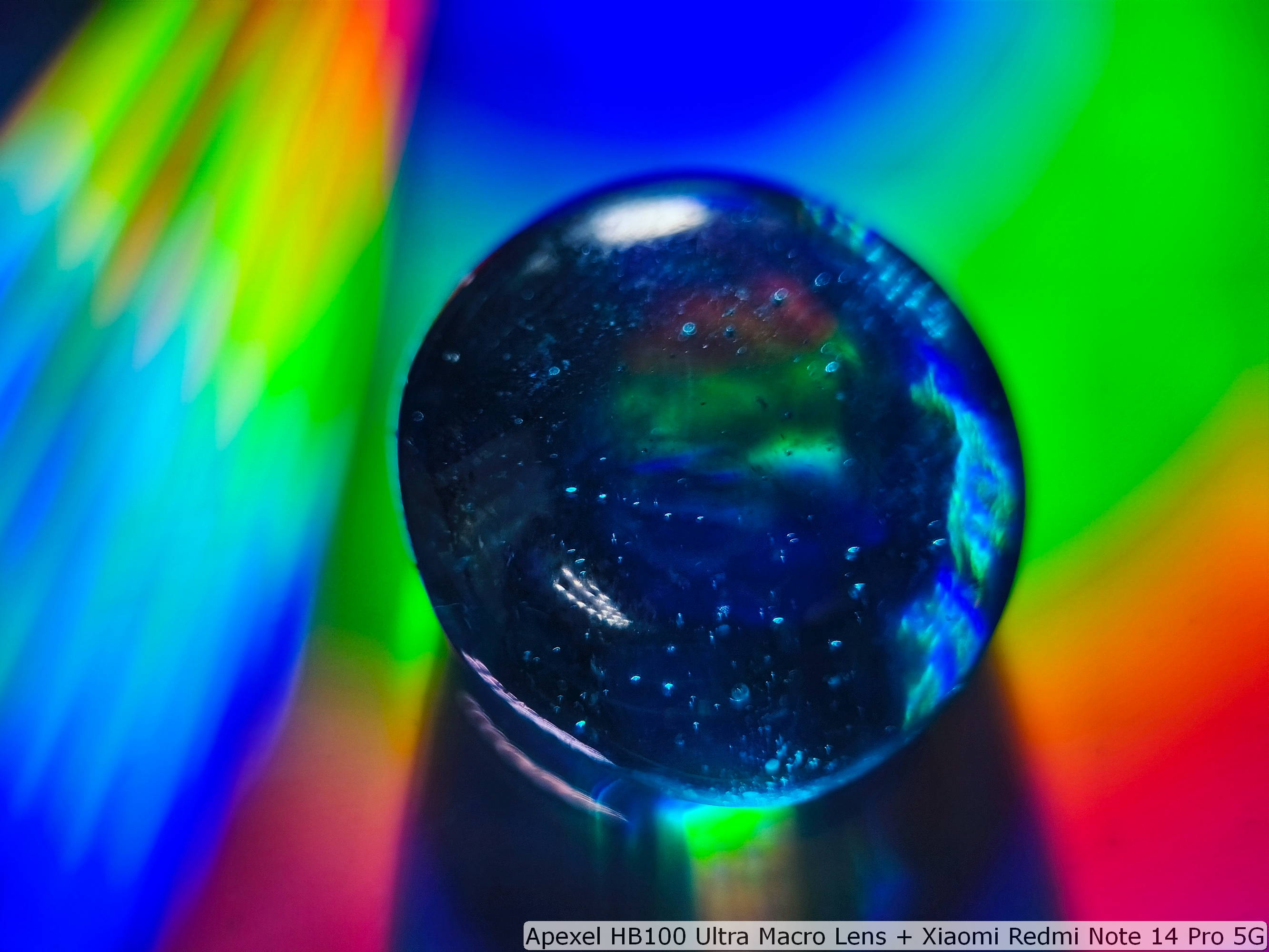
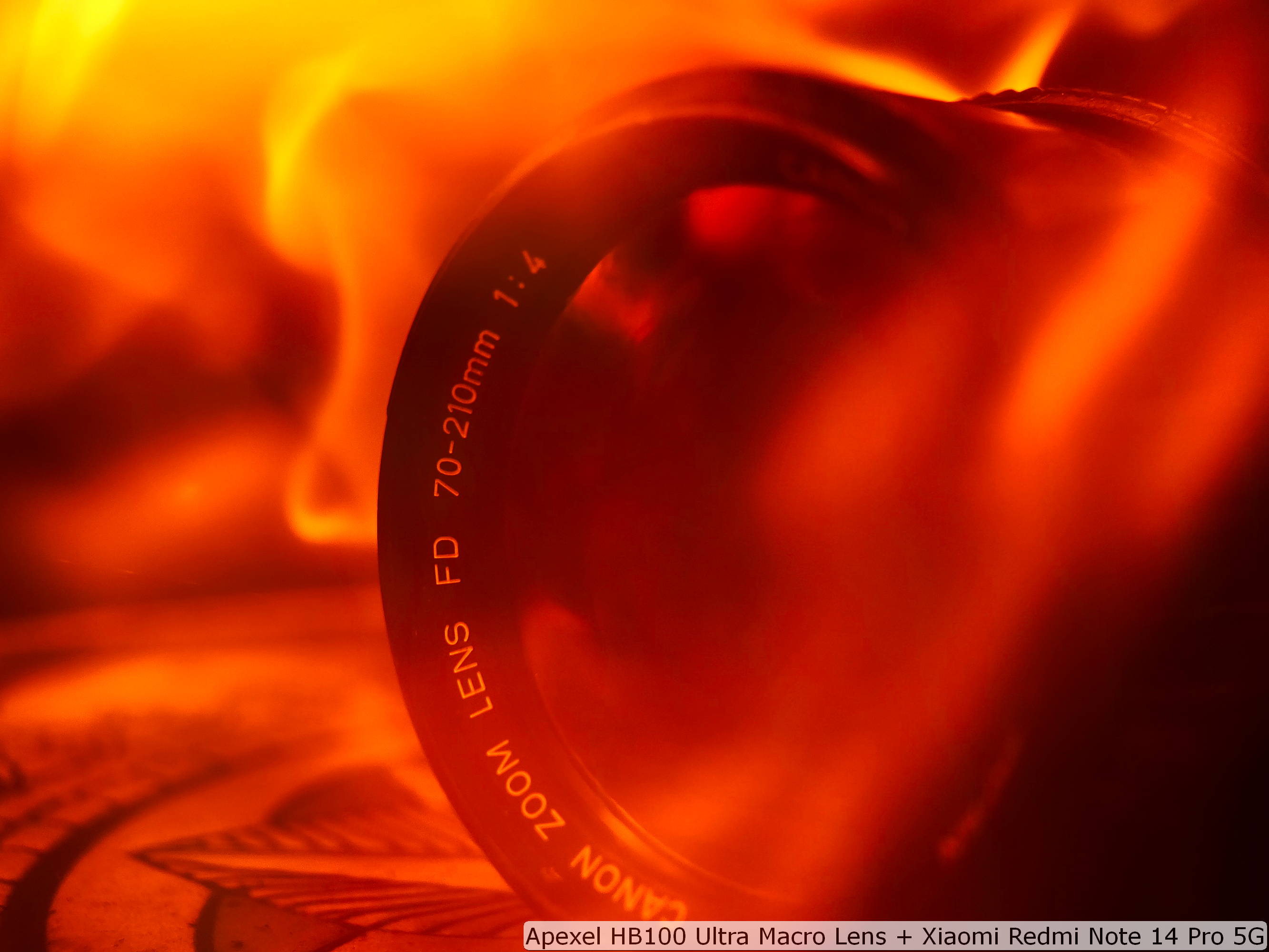
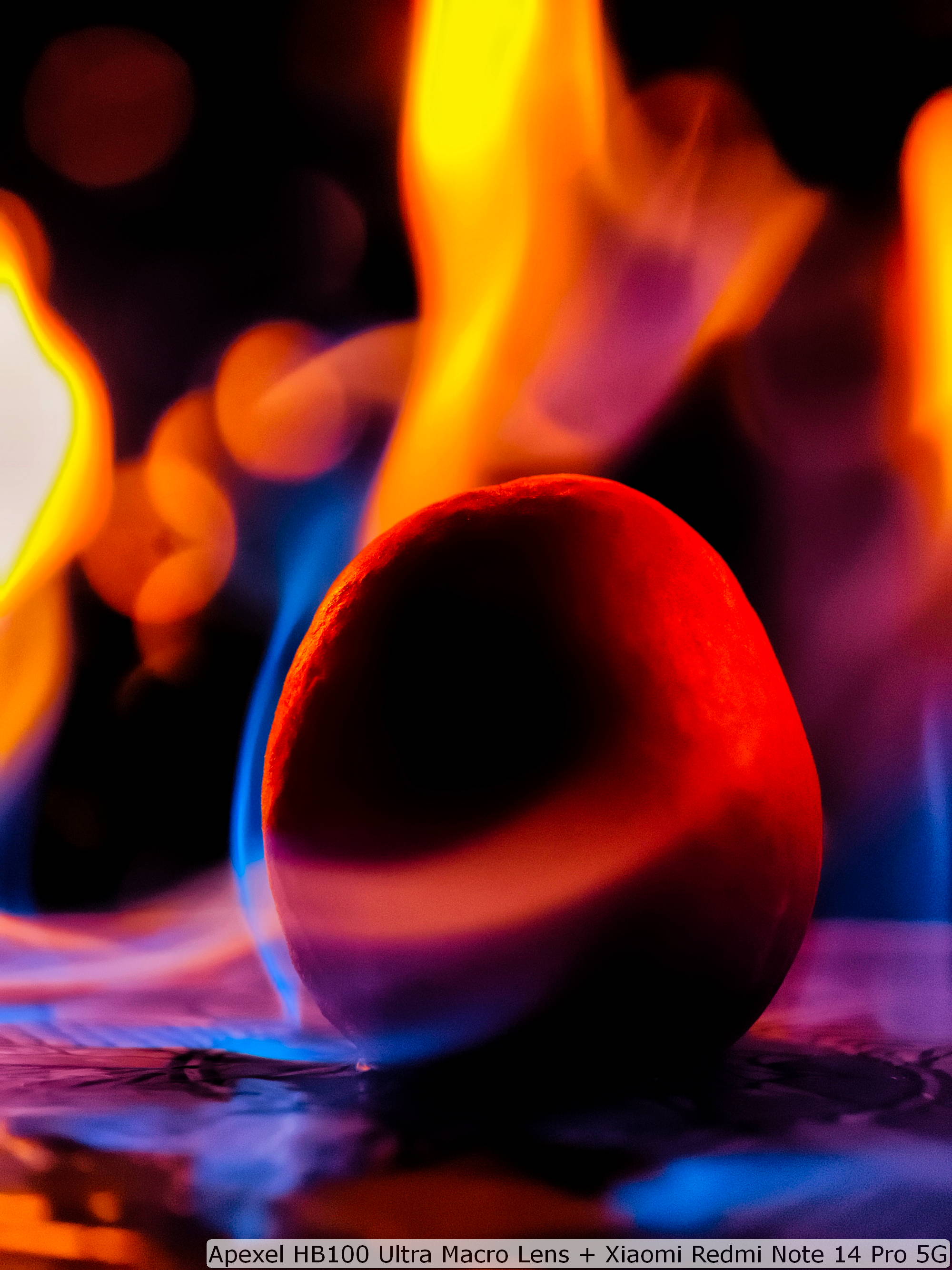
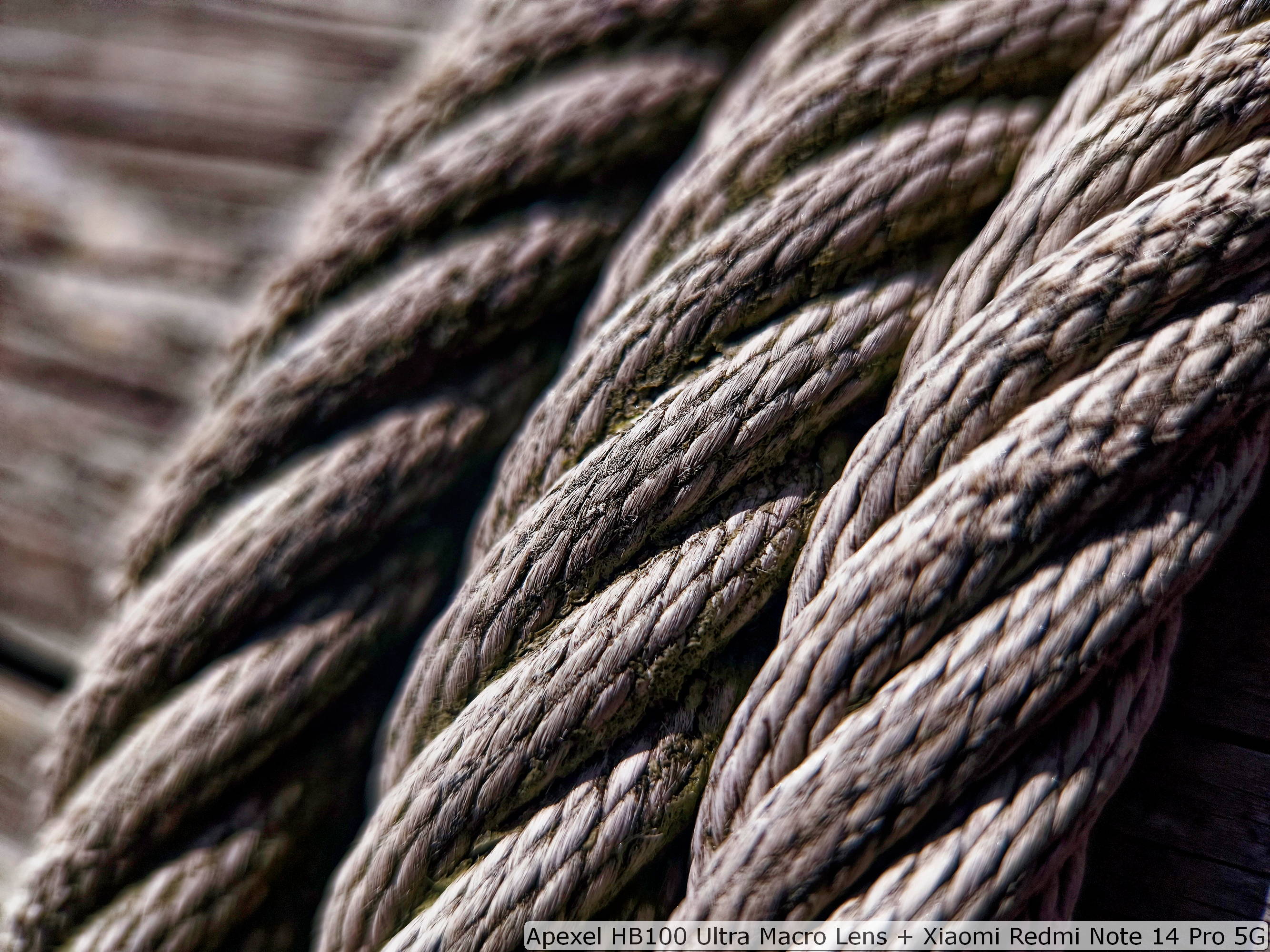
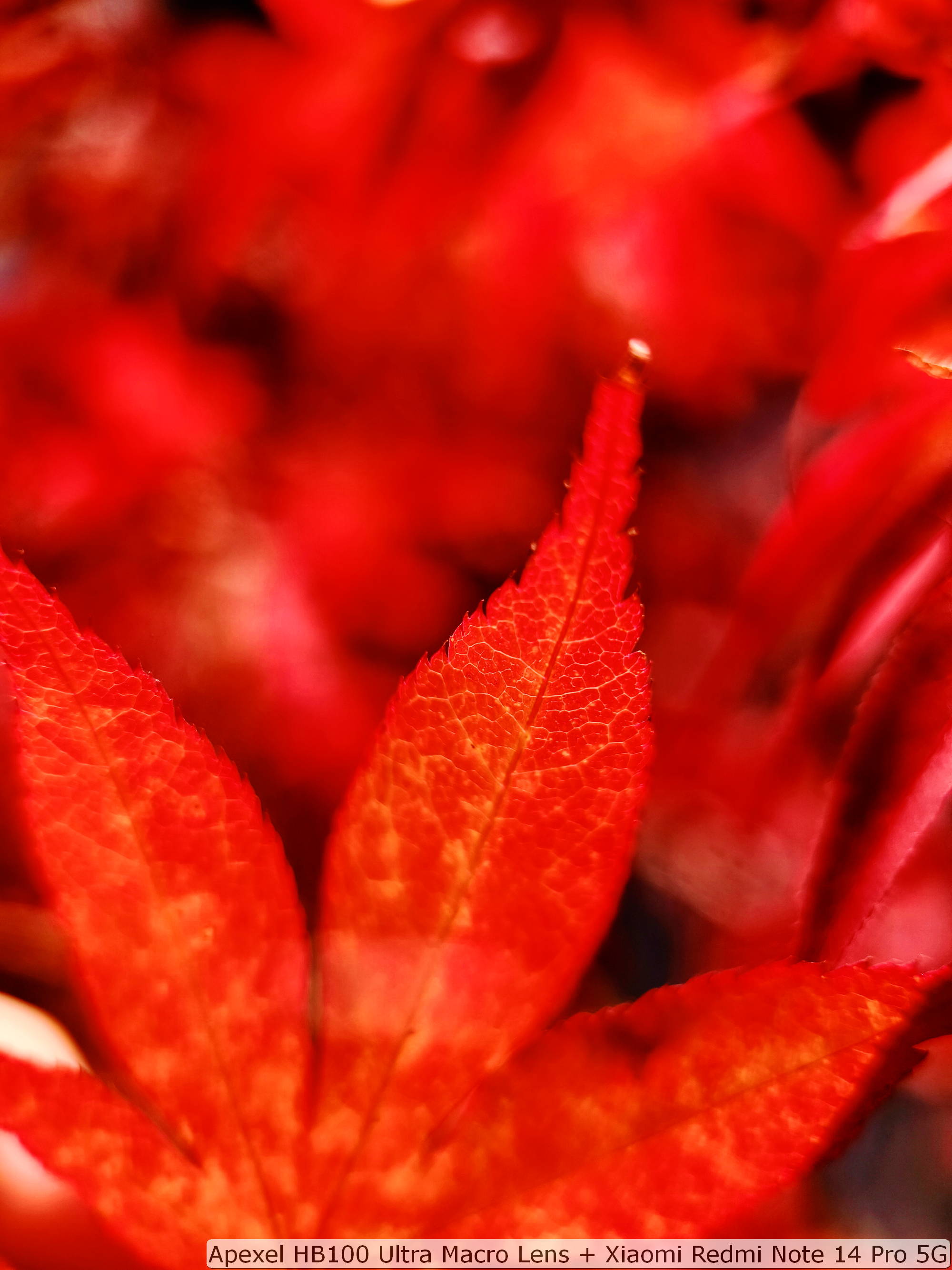
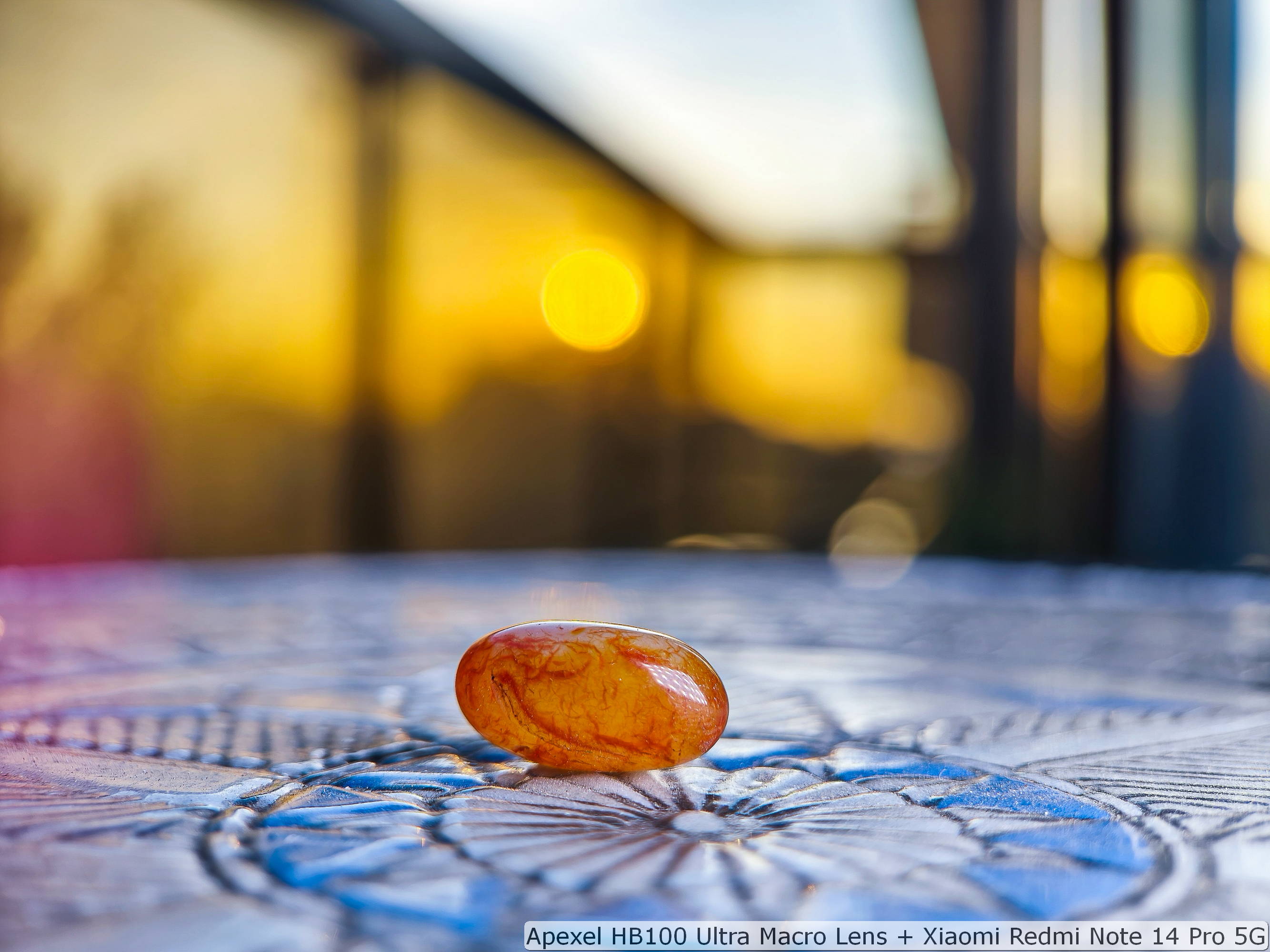
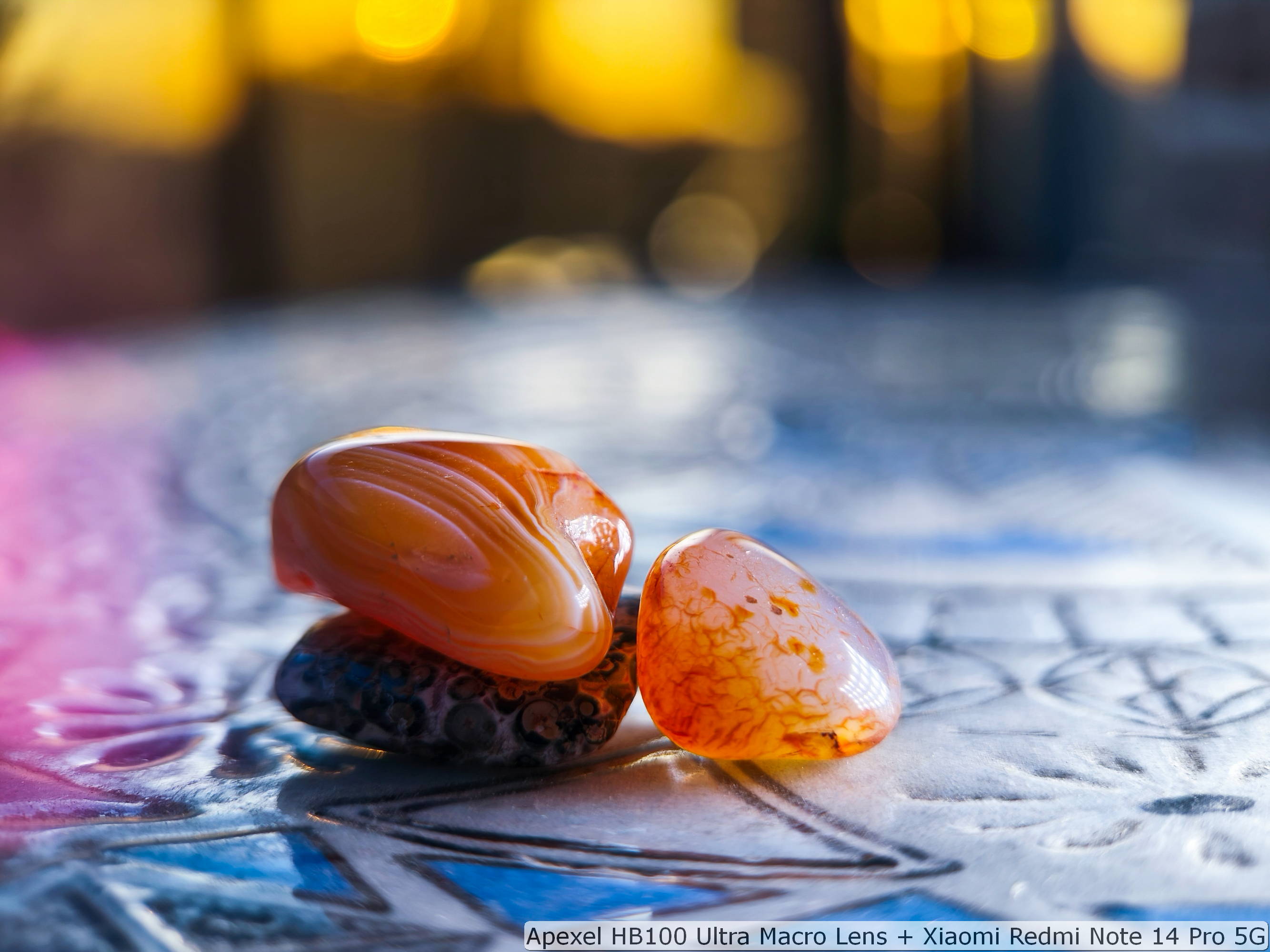
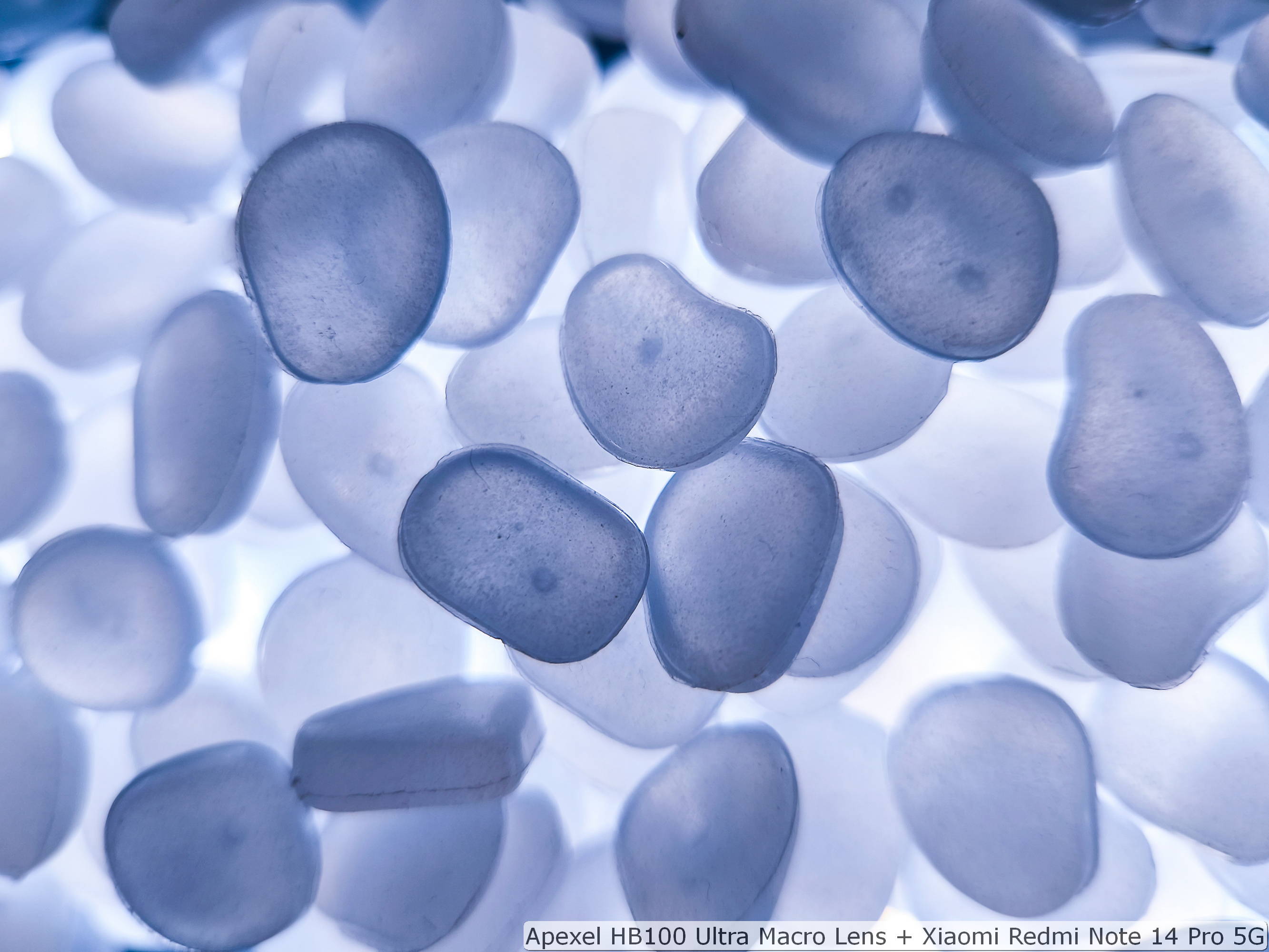
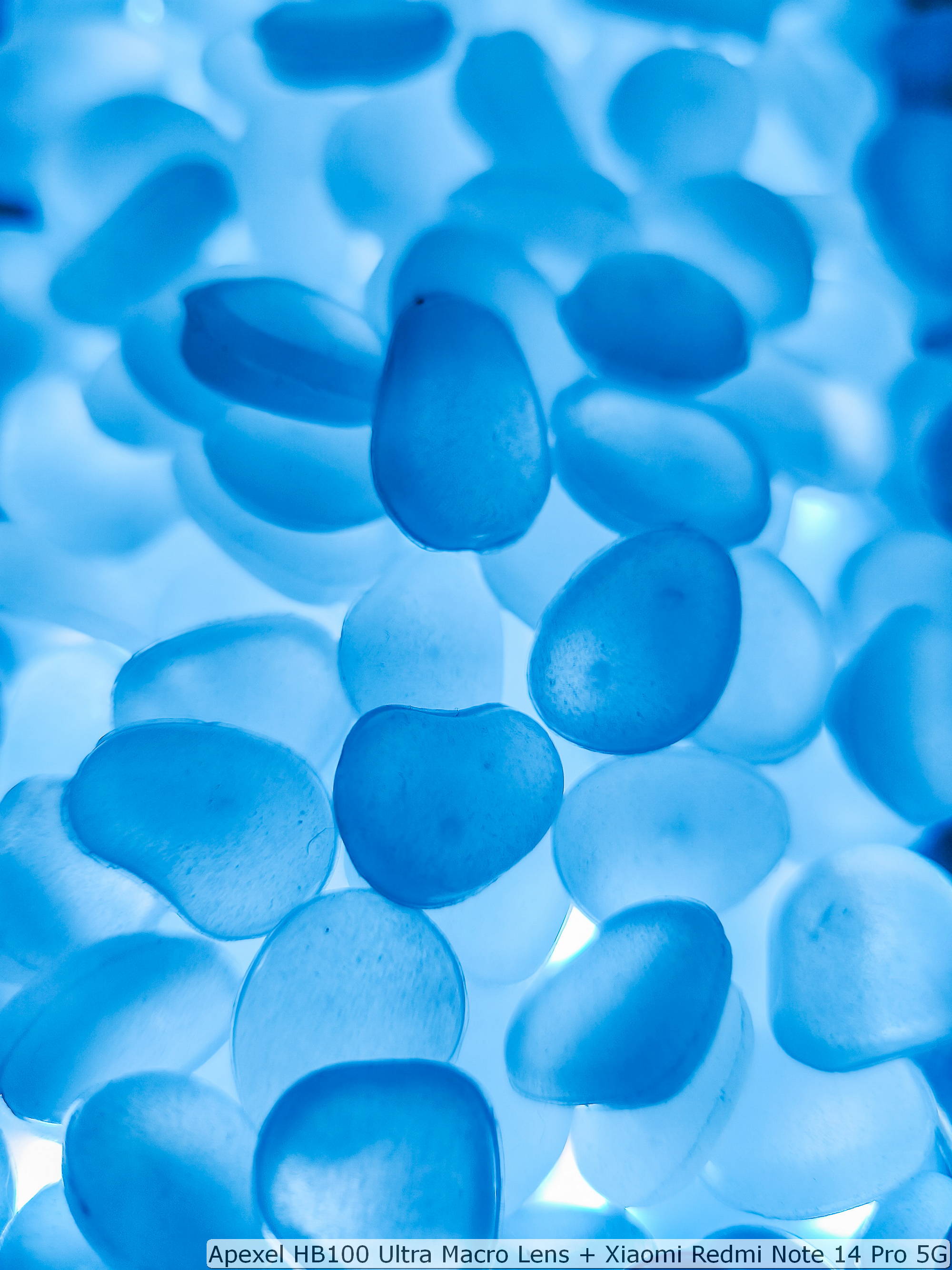
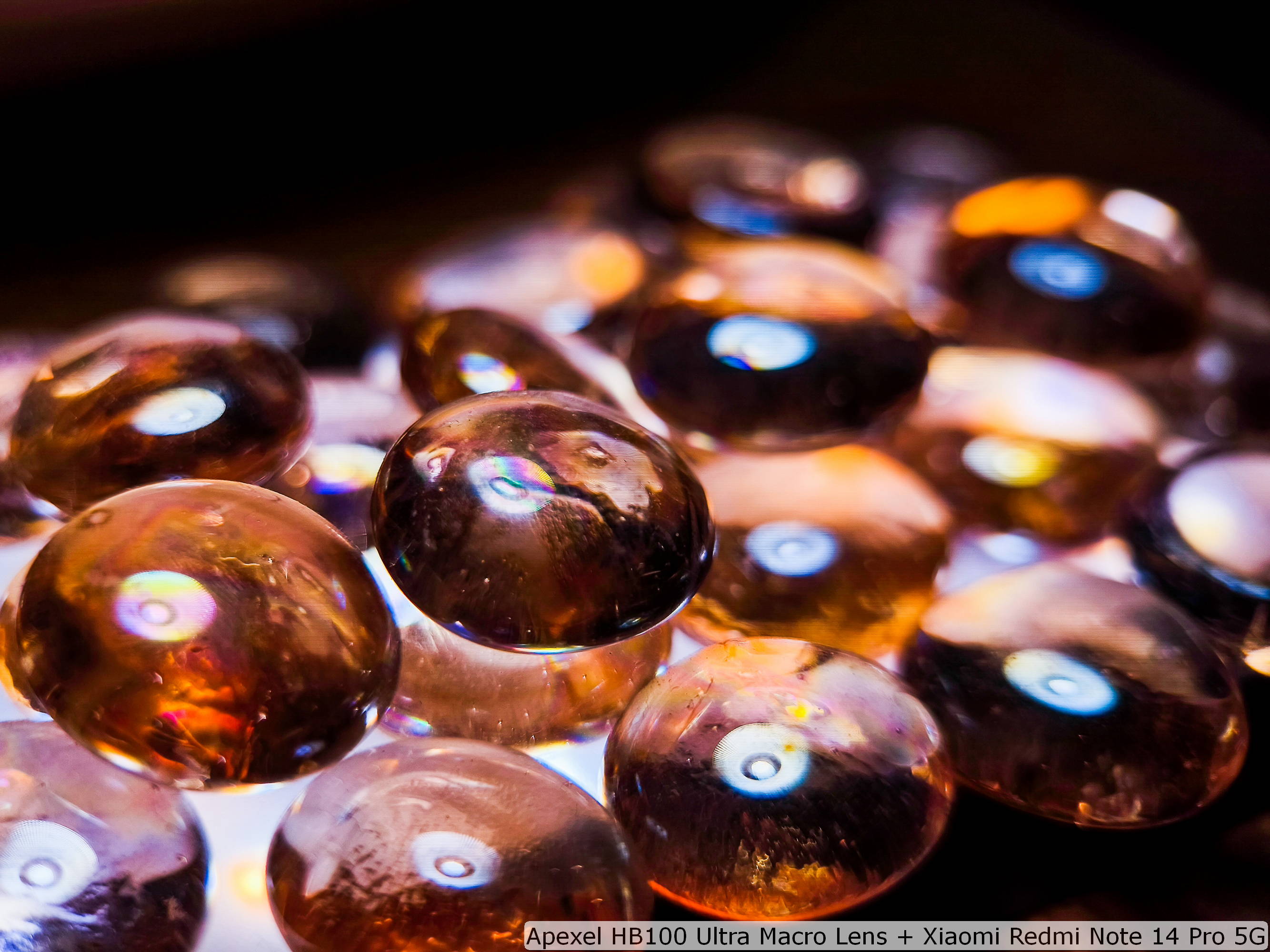
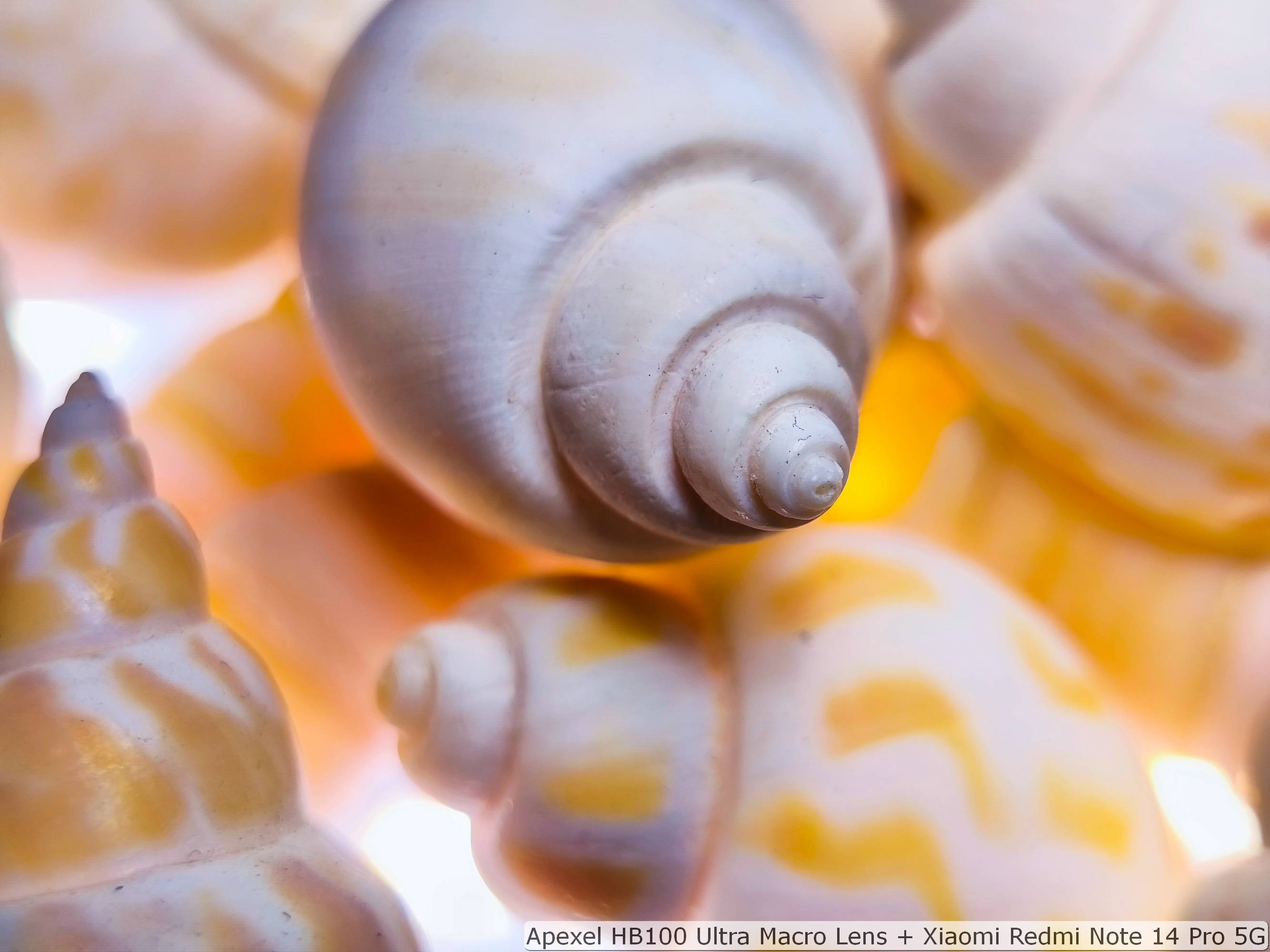
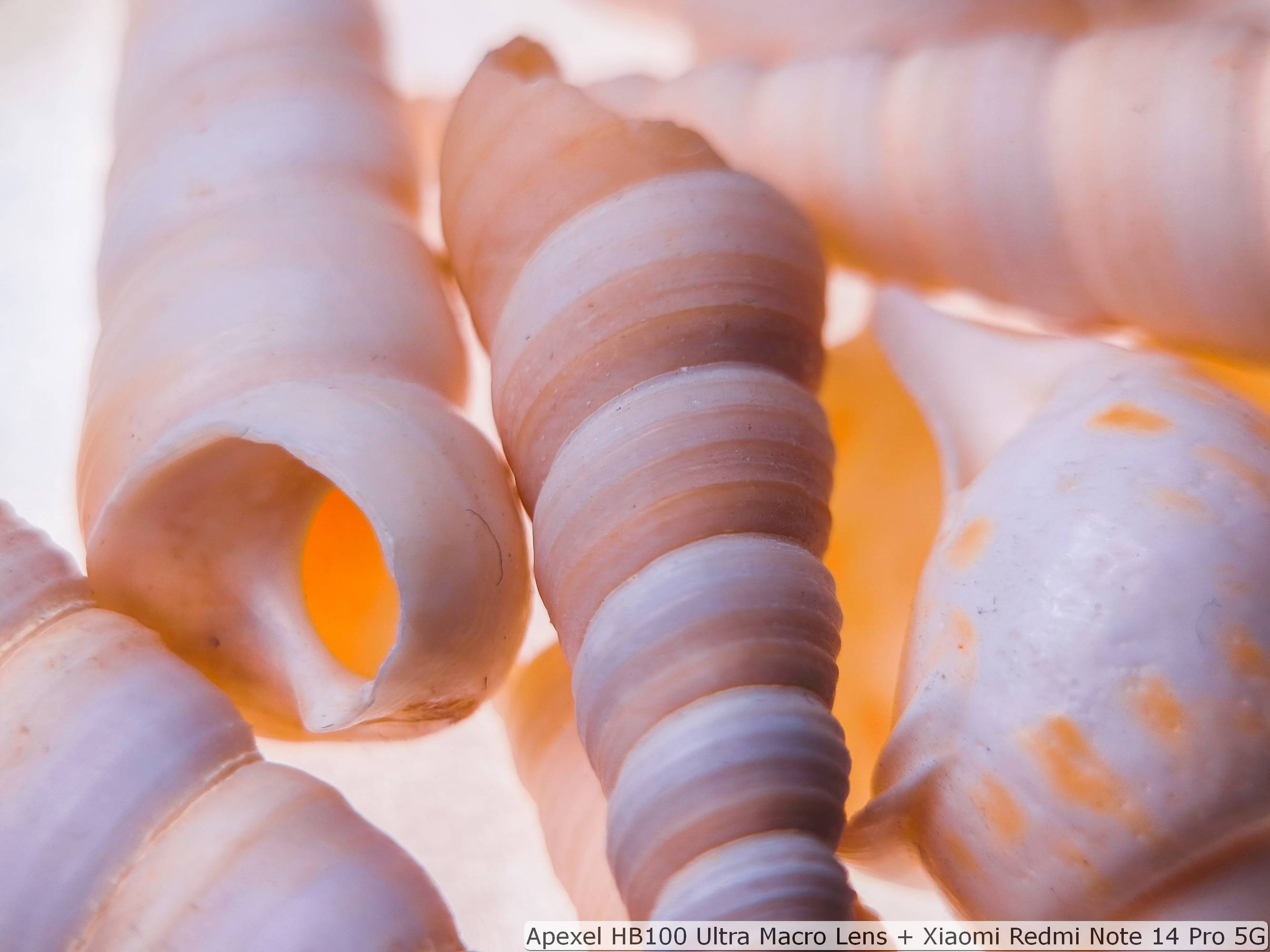
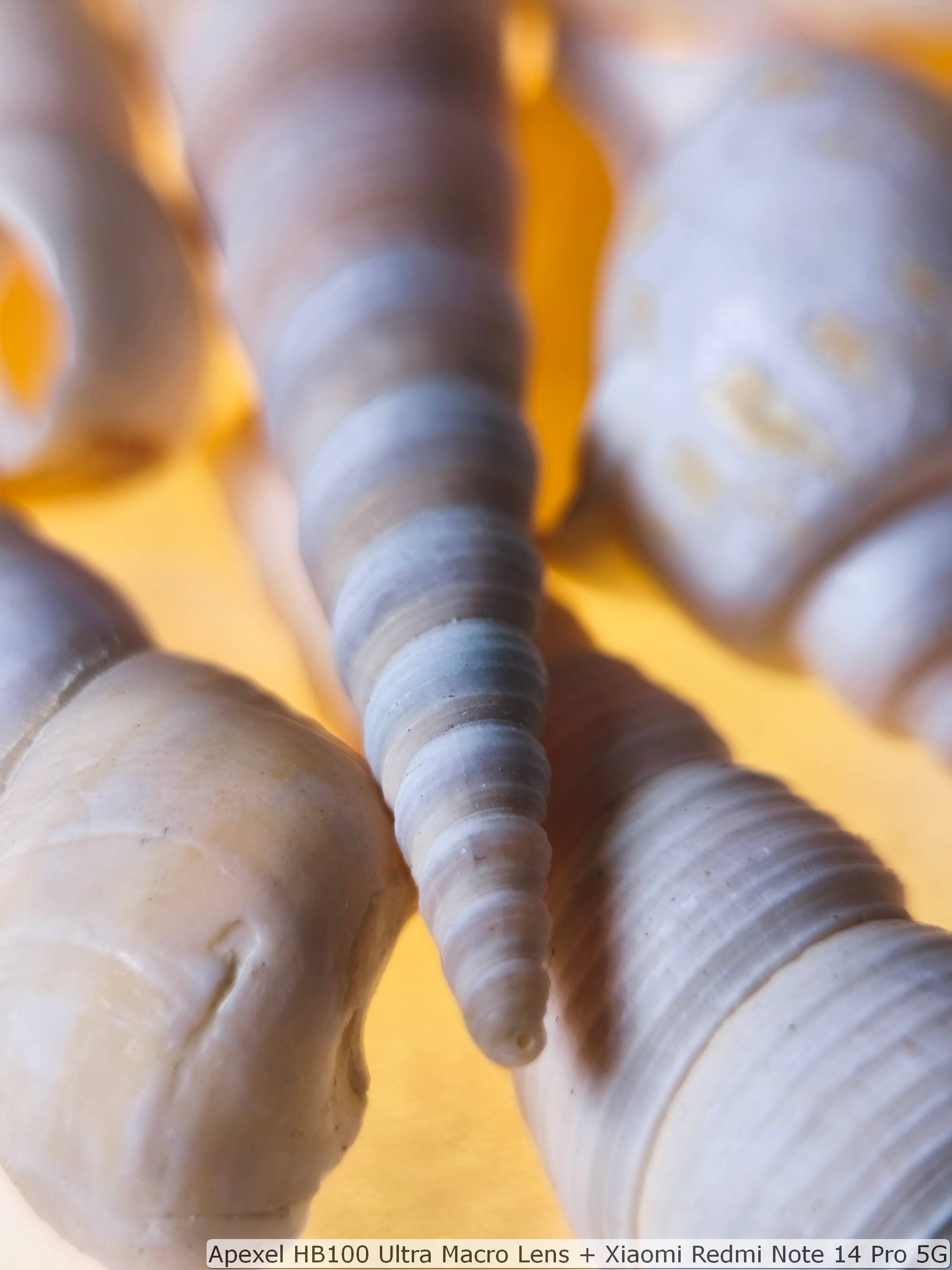
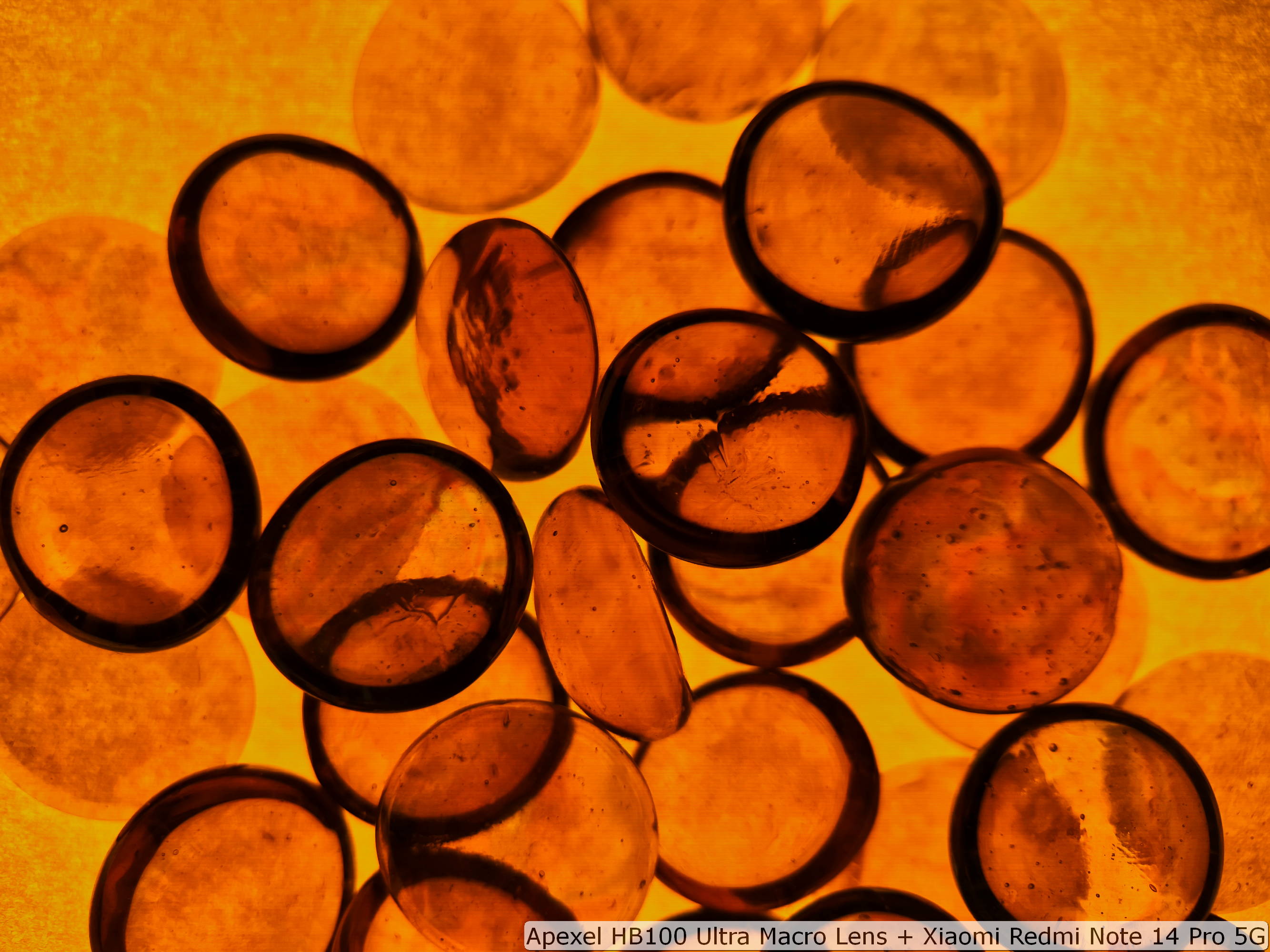
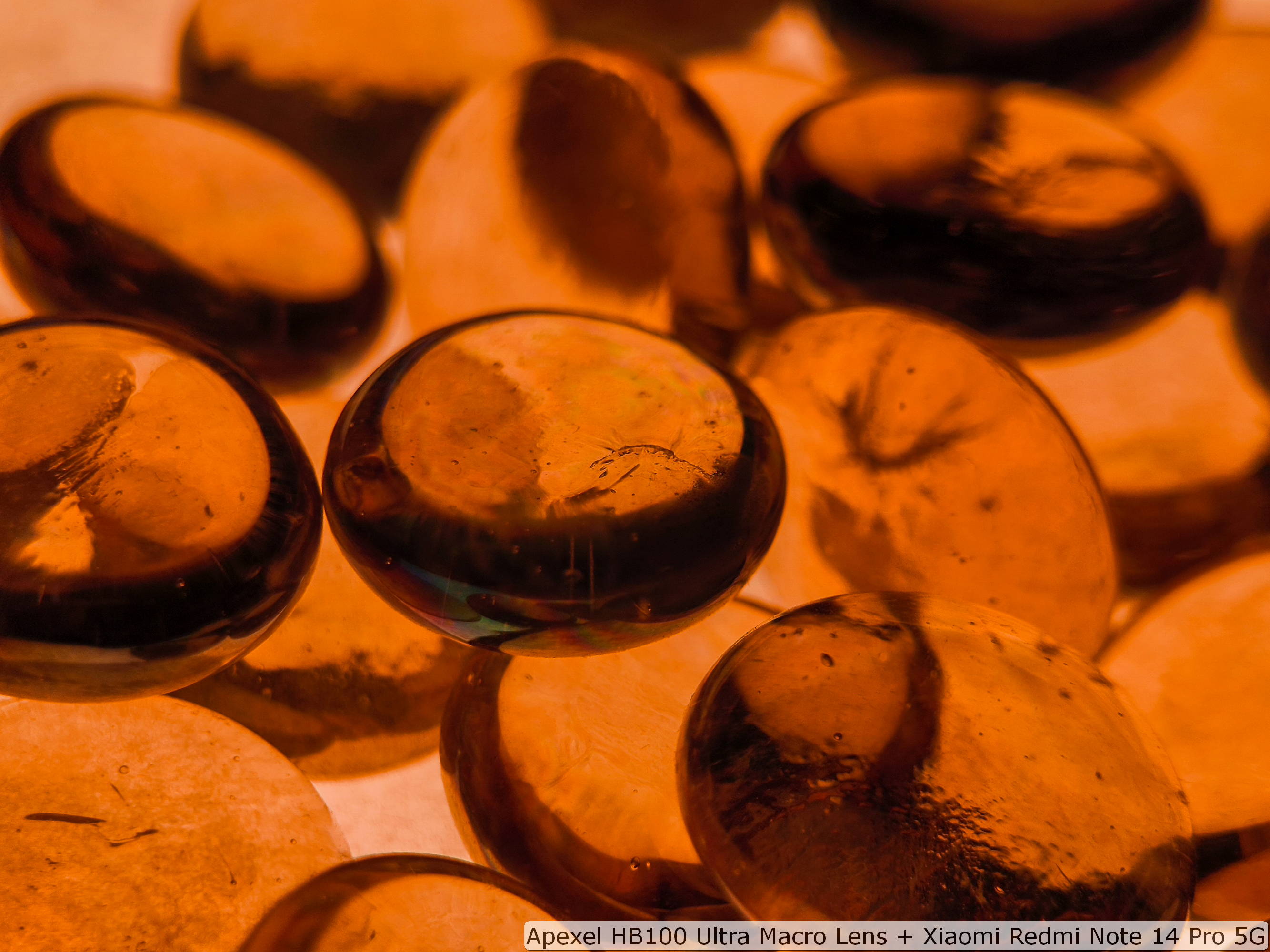
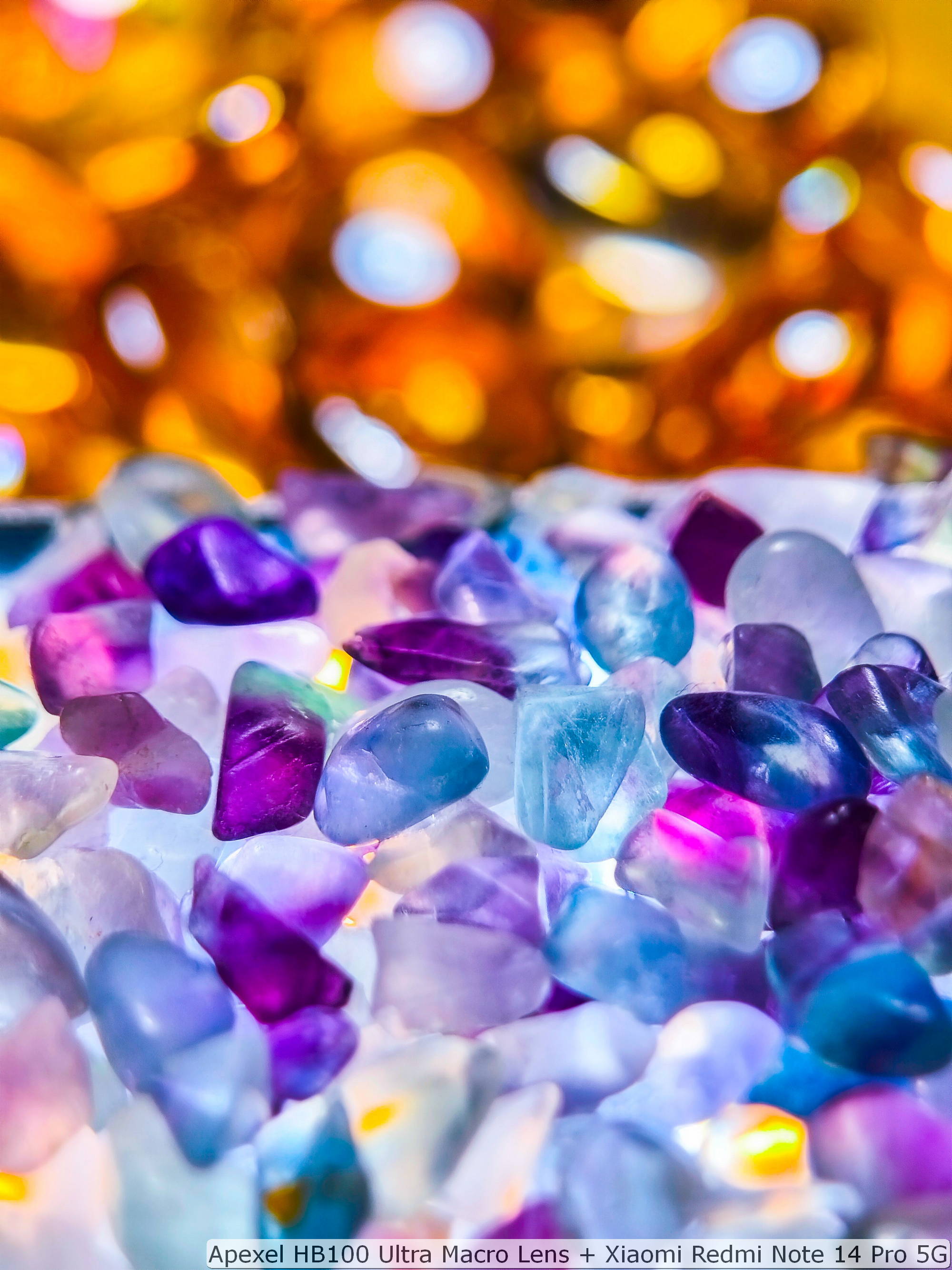
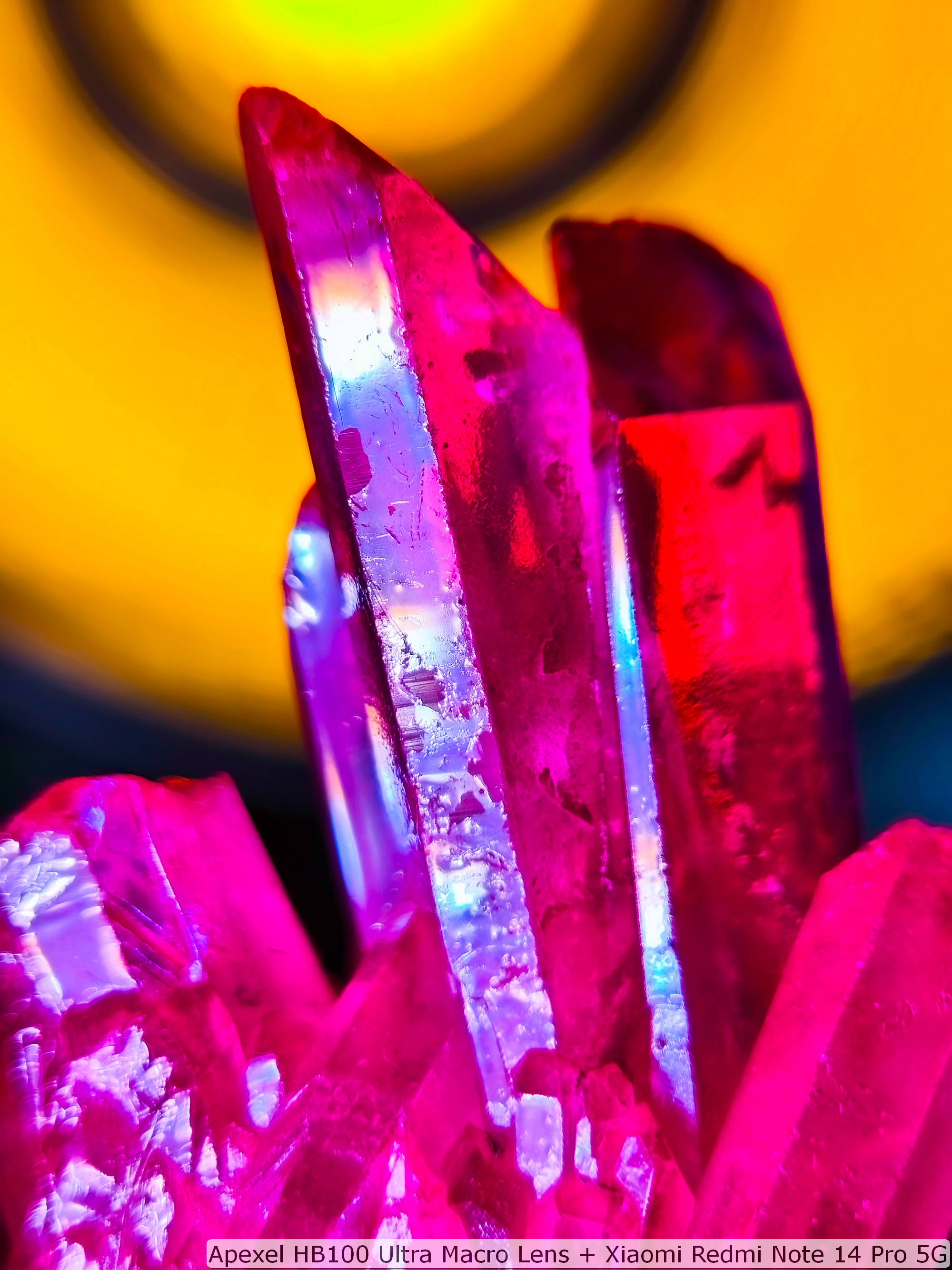
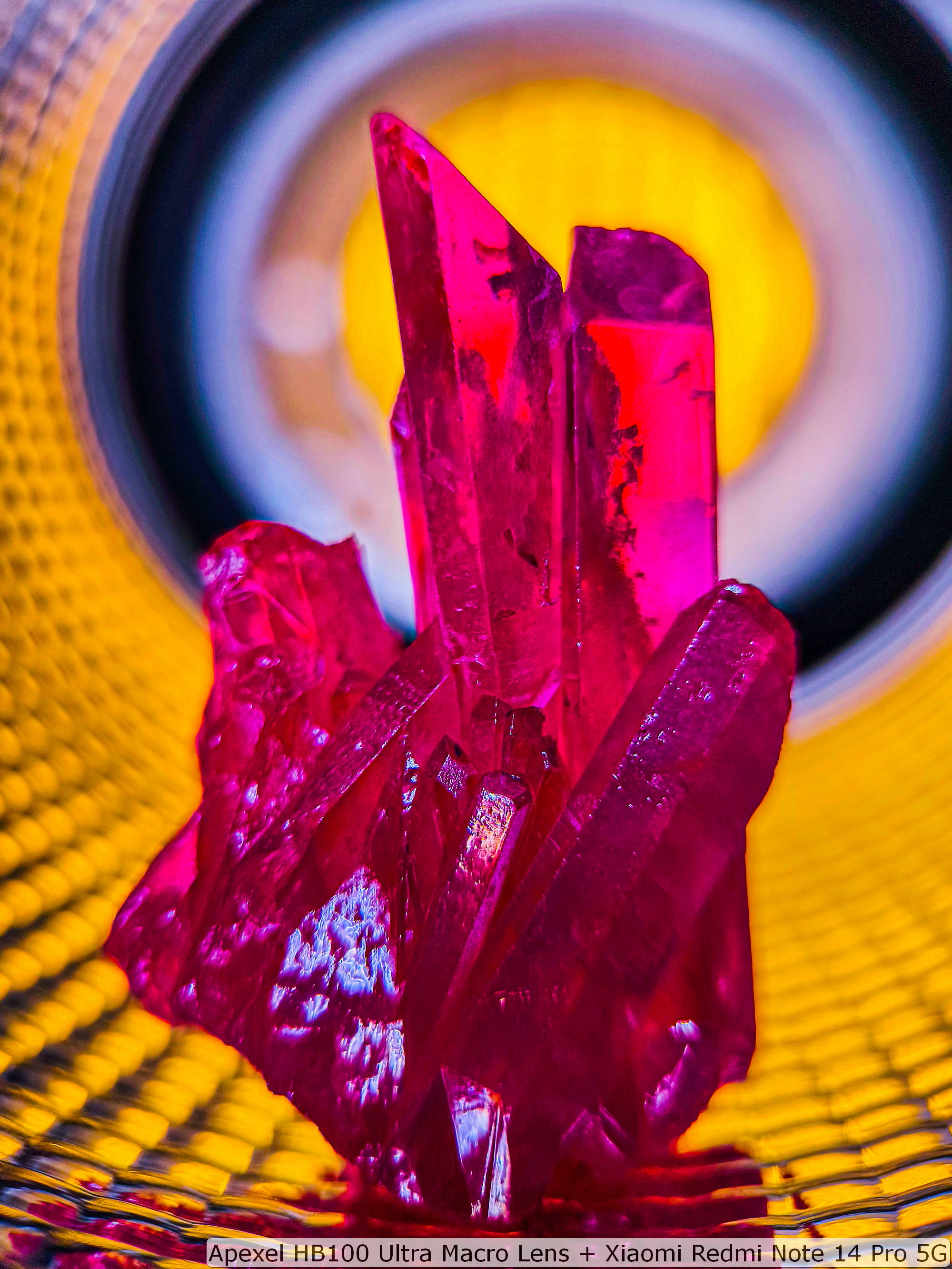
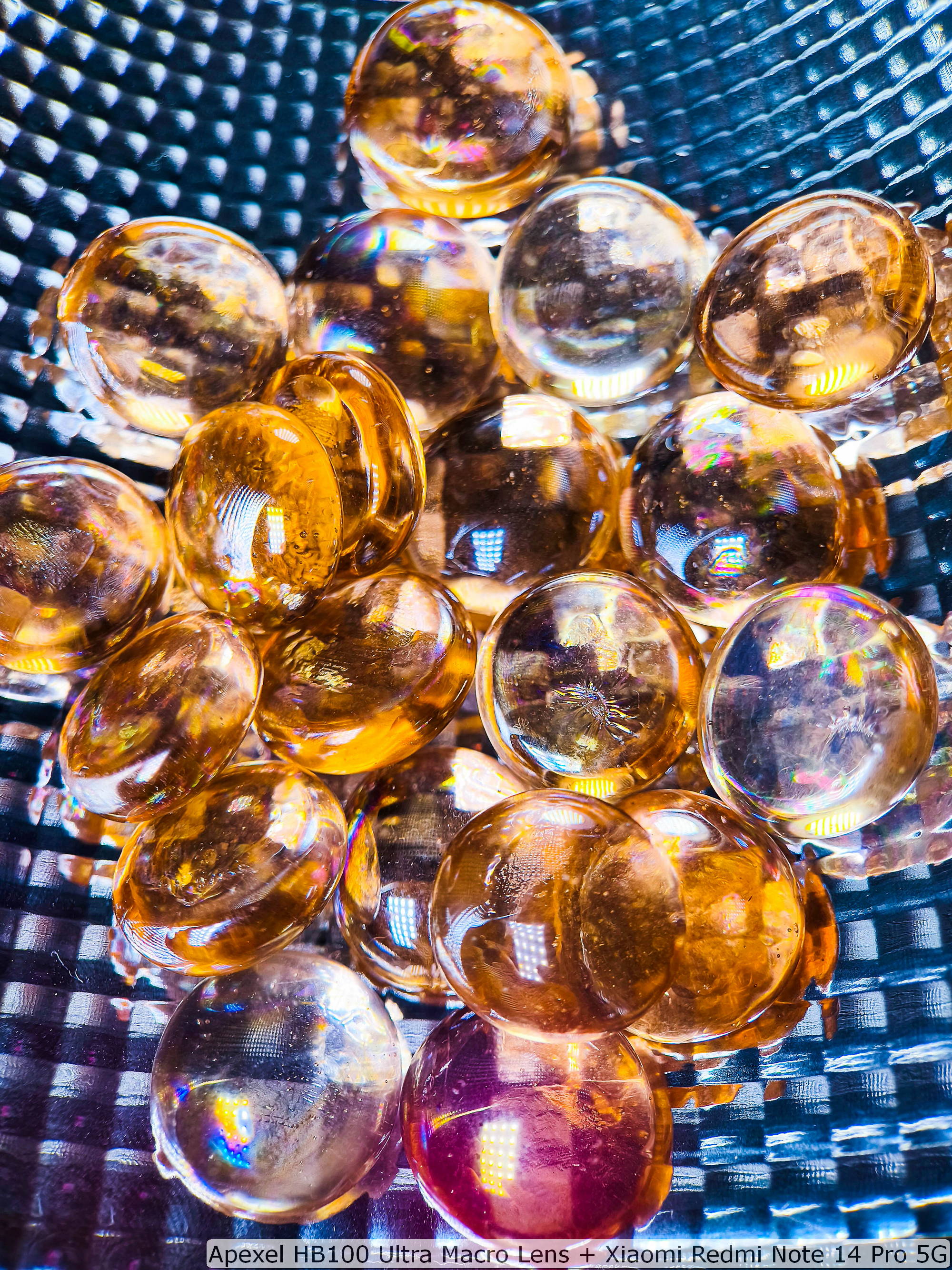
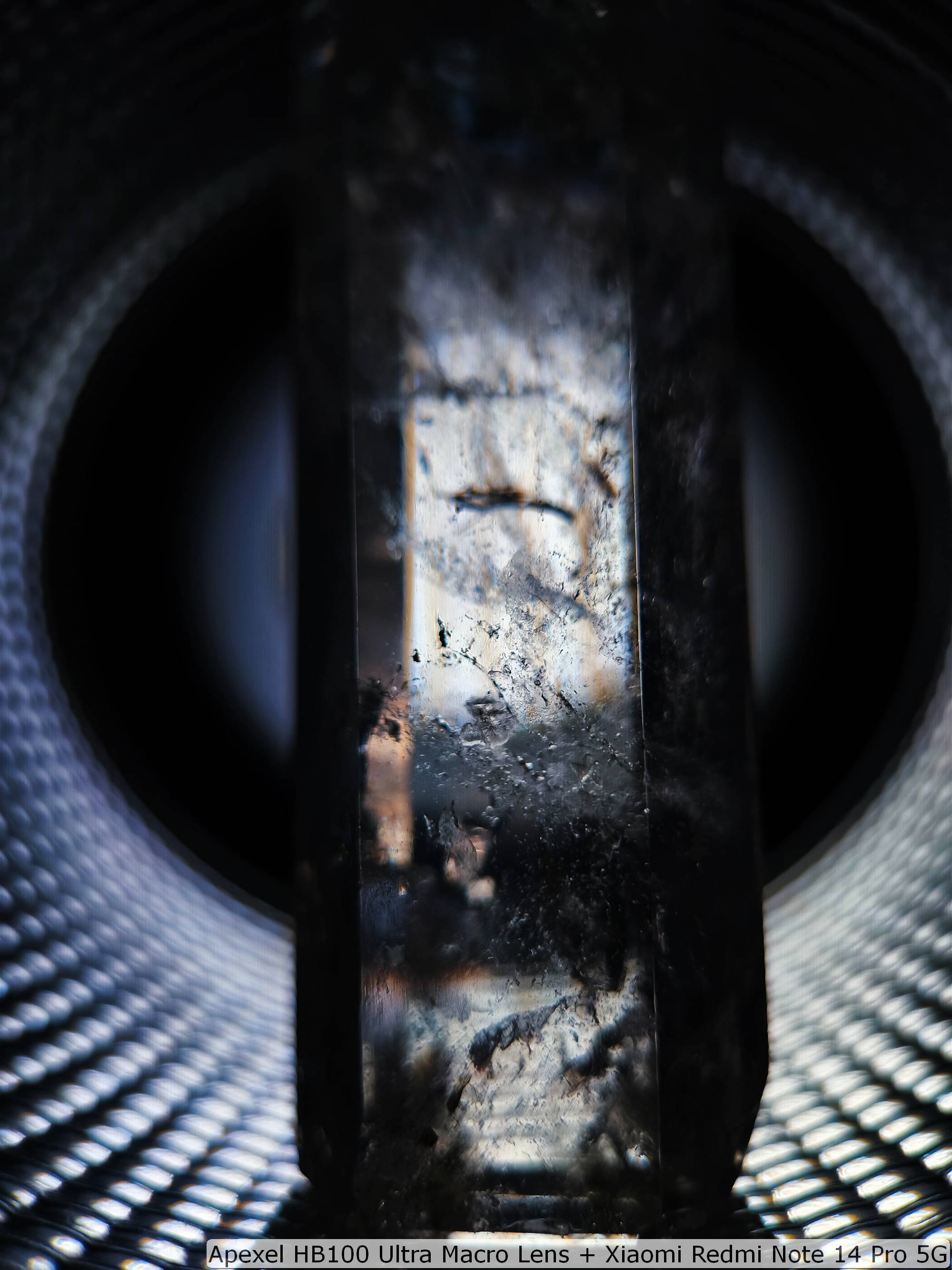
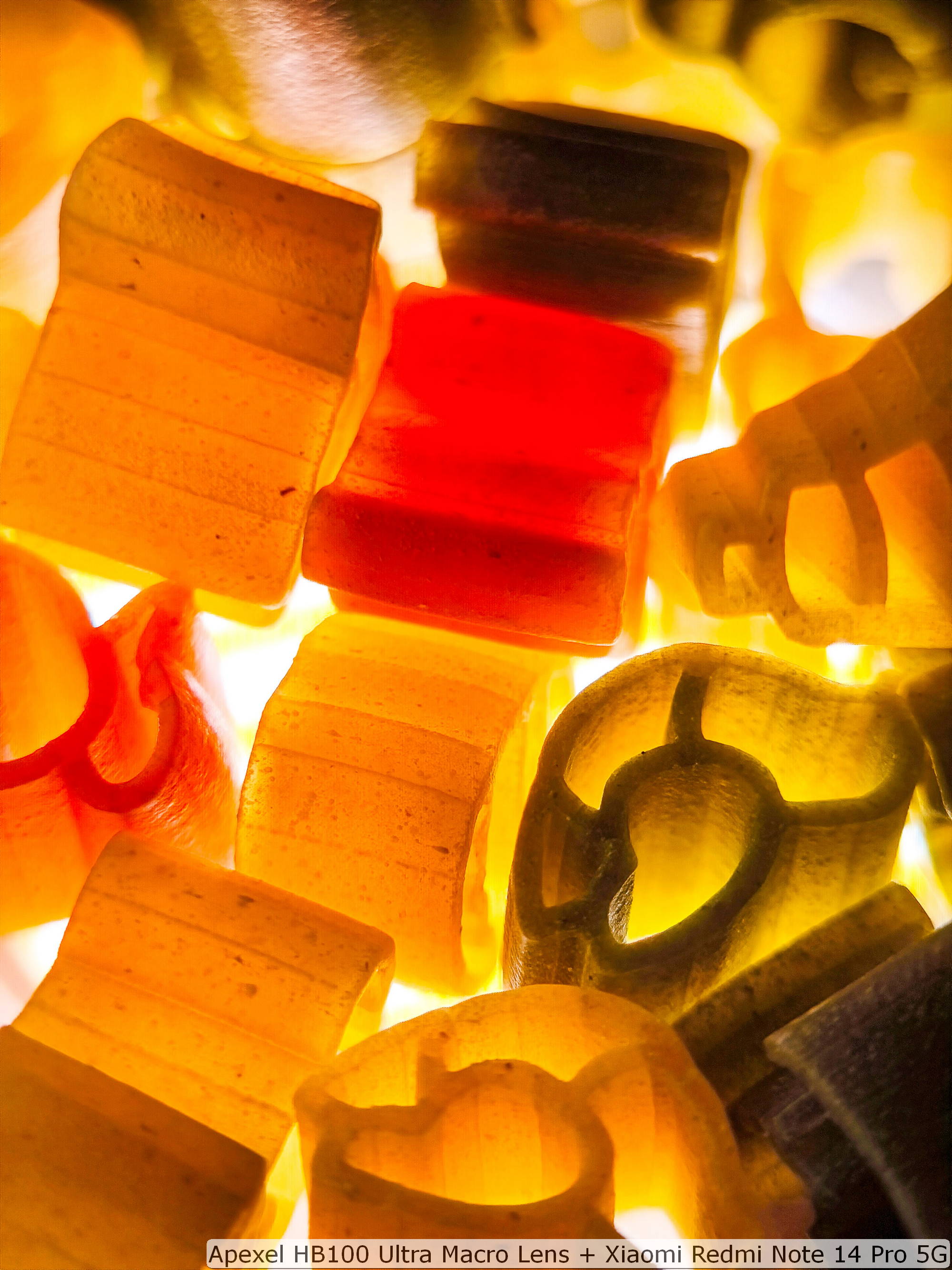
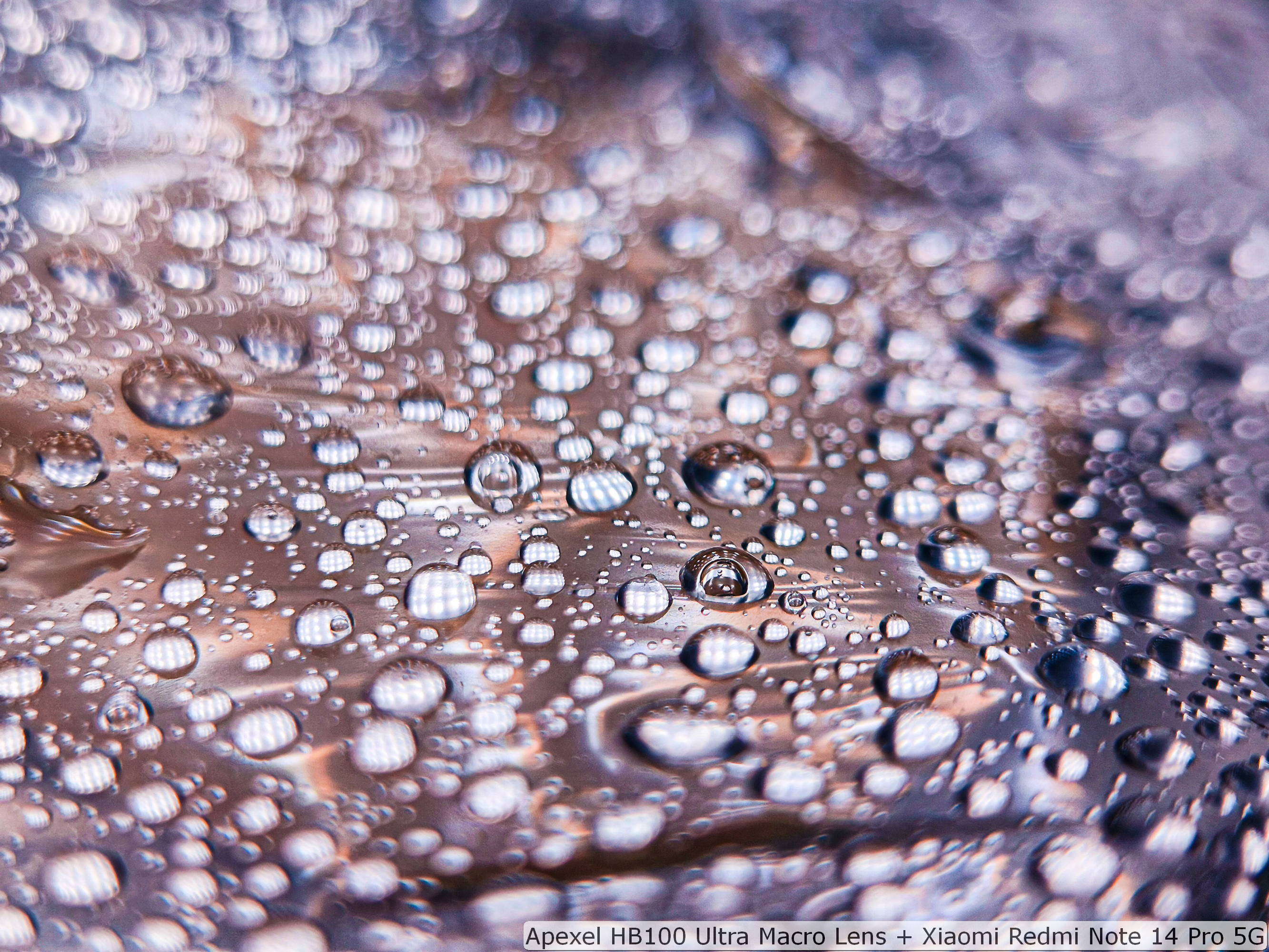
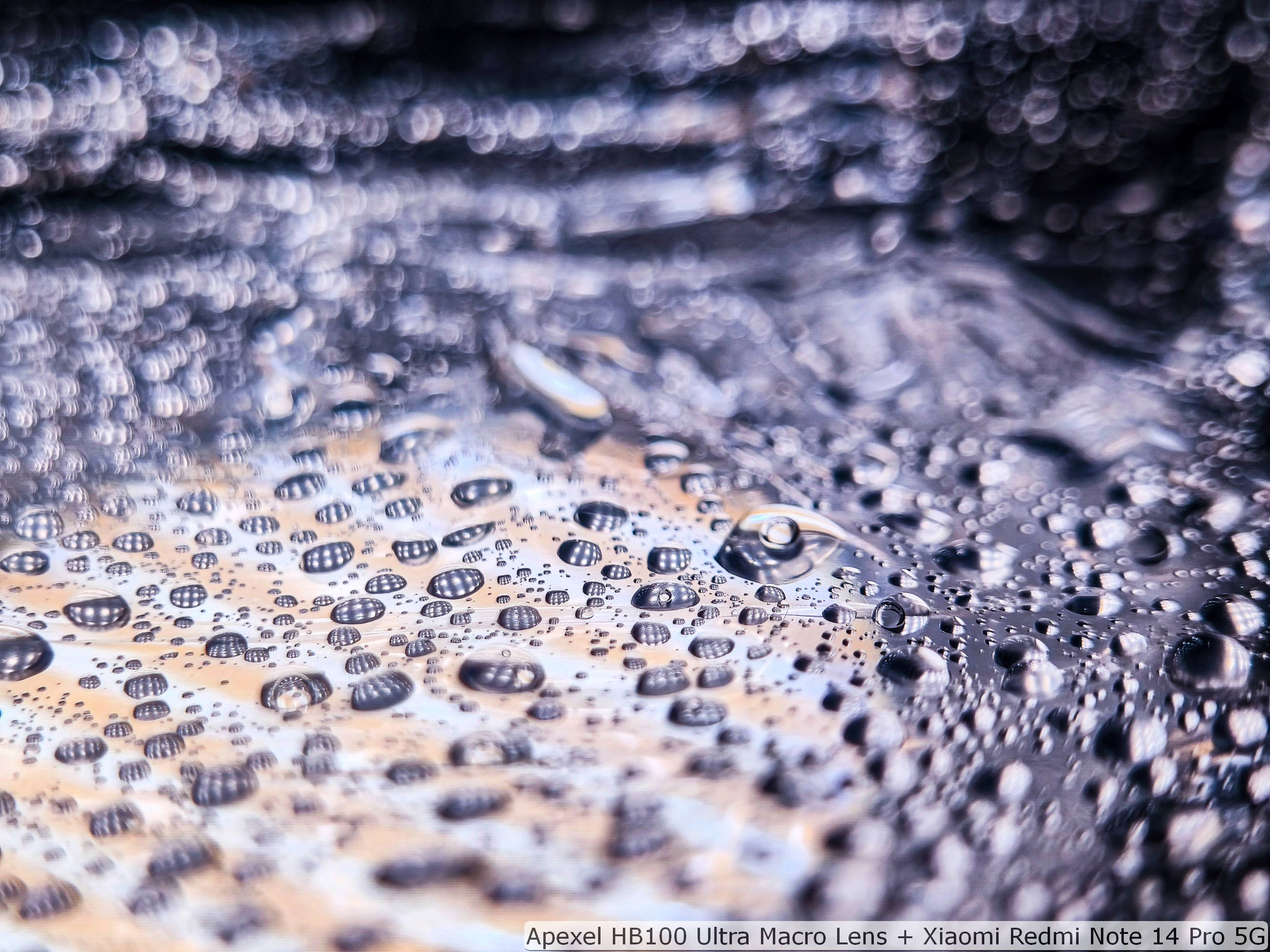
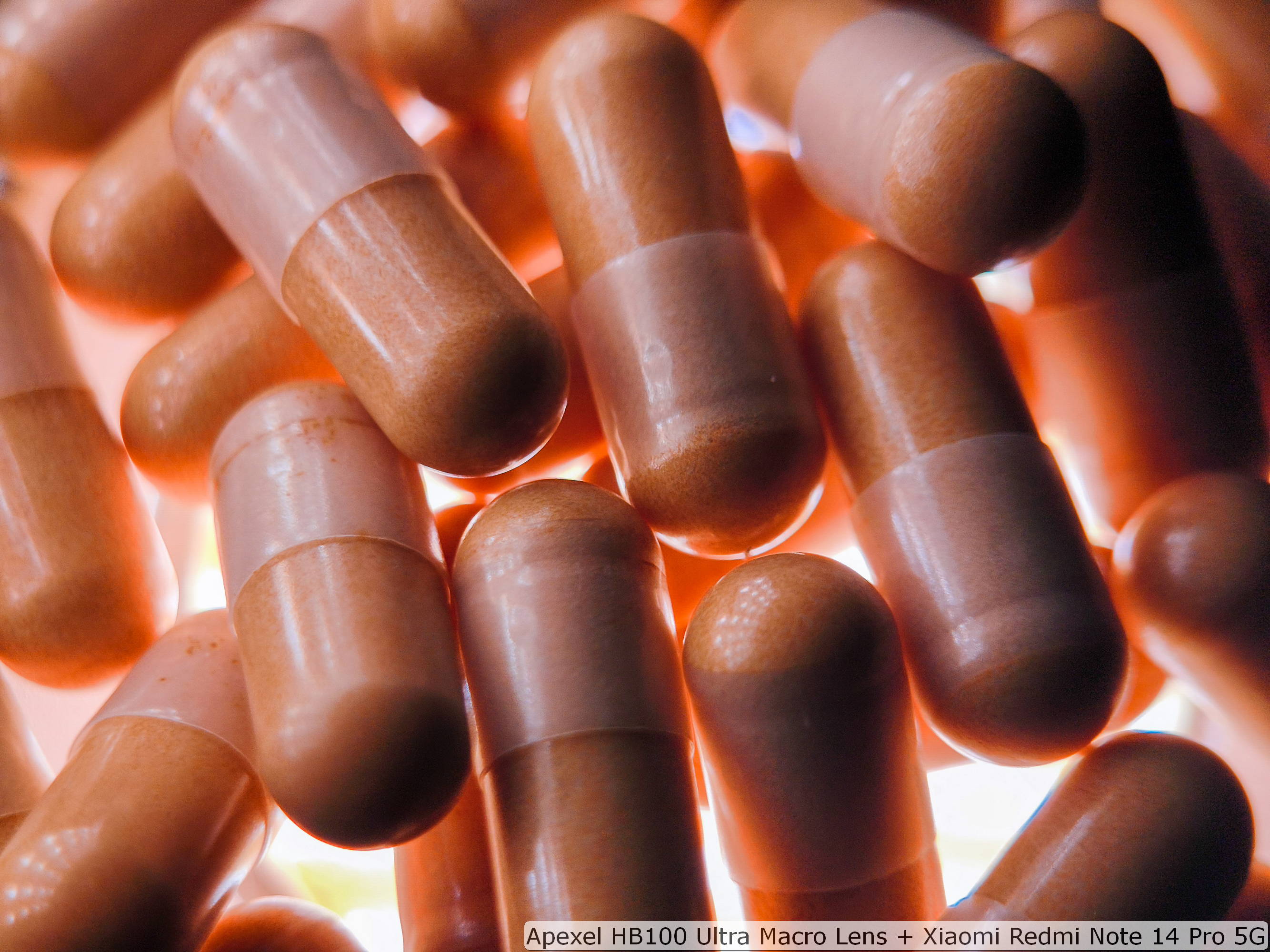
You can download the original examples here (Google Drive, 300+ photos) . The processed ones are here (Google Drive, 100+ photos).
My experience
I've taken over 20.000 photos with the Apexel HB100 Ultra Macro. It's an interesting tool, especially when used on a smartphone with a good focal length combination. I used the Apexel HB100 Ultra Macro on a mid-range Xiaomi Redmi Note 14 Pro 5G smartphone with a 200 MP main camera, f/1.7 aperture, 23 mm equivalent focal length, and a 1/1.4-inch sensor. I got a lot of great shots and had a great time. I can recommend it to anyone who wants to explore the world of macro photography. The Xiaomi Redmi Note 14 Pro 5G only produces pseudo-macro photos and product shots. For true macro and super-macro, you should use a smartphone with a different camera module.
Cost
About $50 on the official website.
Comments on this post do not require registration. Anyone can leave a comment.This material was prepared by Arkady Shapoval . The greatest support for the site is if you use links on this site, such as Amazon , when purchasing anything . It costs you nothing, but for this site, and therefore for my family, it's the main source of support.
It is interesting to compare this branded macro attachment with achromatic attachment lenses (such as AL-4 +4 diopters, Ukrainian production)
The focal length of this one is 2.5 p shorter (100 mm versus 250 for the AL-4). What is there to compare?
Rodion, you can twist two achromatic AL-4 attachment lenses into one. We will get +8 diopters, which is almost equal to the indicator of this Chinese attachment.
And from a loaf of bread and two spokes you can make a trolleybus, but why?
Bonjour, Hi! Thanks for the precise review.
Quote:
« Xiaomi Redmi Note 14 Pro 5G only produces pseudo-macro photos and subject photography. For real macro and super-macro, you should use a smartphone with other photo modules."
– On which lens of the Redmi N14P did you place the Apexel ?
– do you mean that the main lens of your phone (WA 200MP) only produces pseudo-macros with the Apexel Macro attachement installed ? Or is it the dedicated Redmi macro lens by itself ?
– What is “Pseudo-macro”, what does it lack?
– And what are the “other photo modules” we should be looking for?
PS: I'am waiting for my HB100 Ultra actually, to mount on a Xiaomi 14-Ultra.
“Pseudo-macro” means that the actual scale of image is less than 1:1 and even 1:2, which are usually related to “true macro”. If image scale exceeds 2:1 – 3:1 it could be classified as microphotography. If you want to have an image scale about ~1:1 you should have macrolens with focal length ~30 mm, but not 100 mm (focal length of Apecel 100).
Macrolens + smartphone realizes “infinite microscope” design, where phone lens plays as a microscope tube lens and macroattachment as a microscope objective lens. If tube lens focused on infinity, than actual magnification is a ratio: tube lens focal length : Objective lens focal length. For example, if your smartphone camera has 25 mm focal length of lens, you will get 25 : 100 = 0.25x magnification. However, if you smartphone camera lens focused in nearest distance, than its working focal length increases and you will get slightly bigger magnification.
On Aliexpress this device is currently on sale for 1240 rubles, which makes purchasing this device a rather tempting offer.
https://aliexpress.ru/item/33054596830.html
By the way, only three components are visible on the optical diagram.
This is a different model.
Thank you Arkady,
That's right. This is the previous model, but very similar in characteristics. Same 100mm, weight 158 grams, five lenses in three components.
Probably became much cheaper with the release of the new version.