
A huge thank you to ProFotoSale for providing the AUTO TAMRON 1:2.8 f=135mm lens. They offer a wide selection of new and used lenses for various systems, including similar manual lenses.
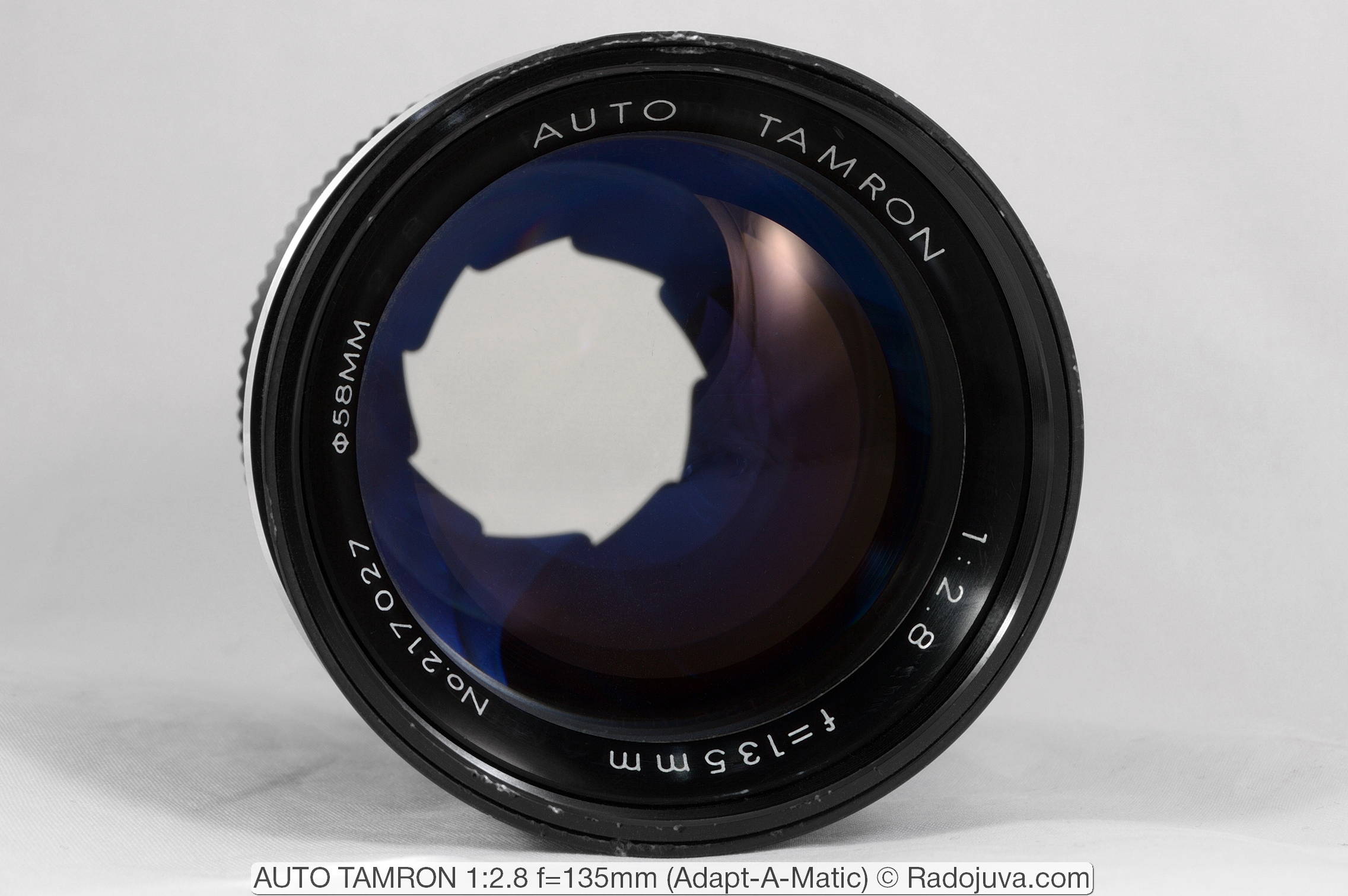
AUTO TAMRON 1:2.8 f=135mm (Adapt-A-Matic). Enlarge
In short
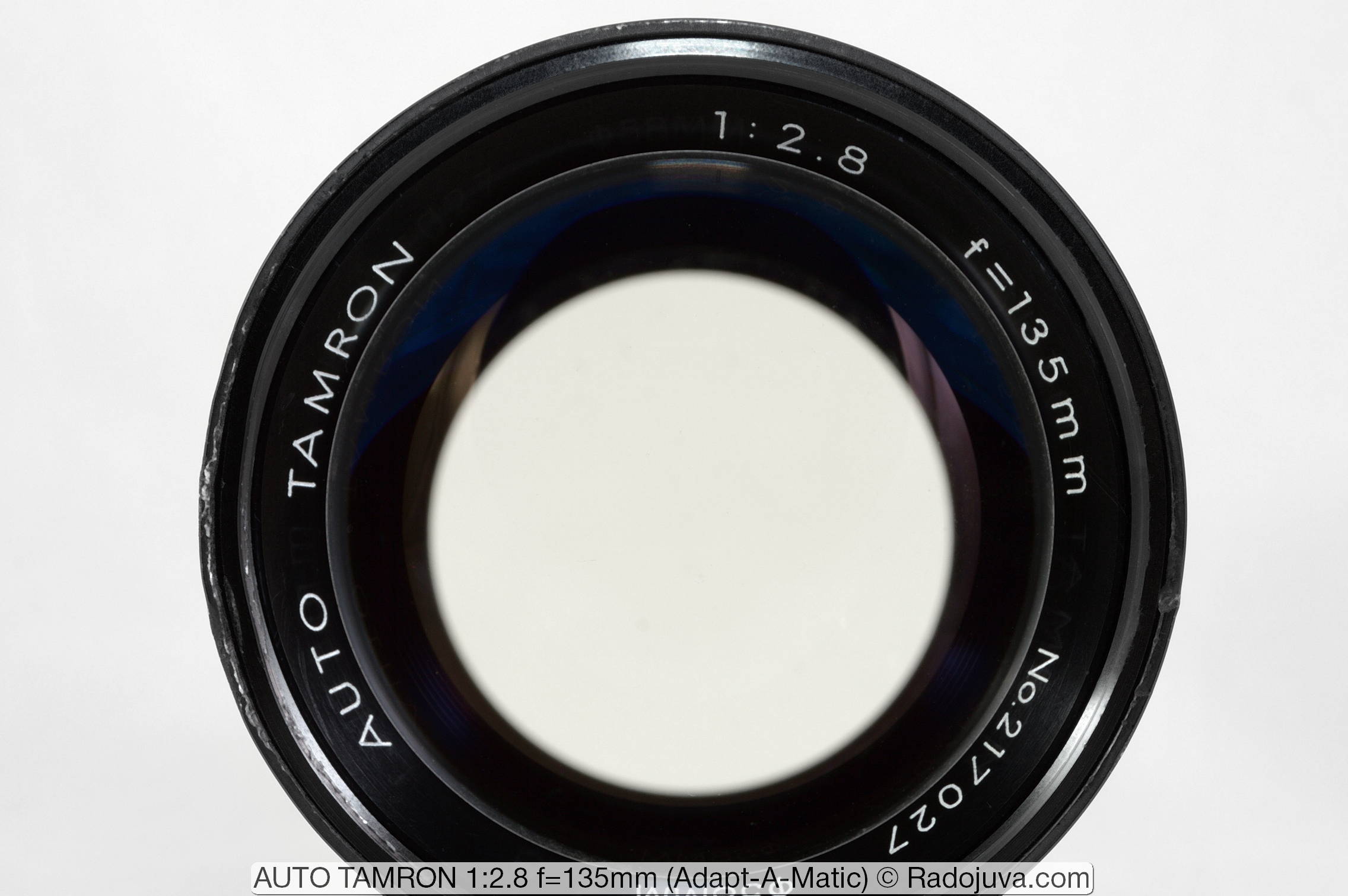
The Tamron Auto 1:2.8 f=135mm is an older manual-focus prime lens designed for film cameras and part of the Tamron Adapt-A-Matic series . This review shows the version for cameras with an M42 thread, but this lens could also have used one of the many popular mounts of the time.
AUTO TAMRON 1: 2.8 f = 135mm is primarily interesting as a portrait lens, and it can also be used as a creative lens wherever it is advisable to use a short telephoto.
The AUTO TAMRON 1: 2.8 f = 135mm is well built, with a built-in retractable metal hood and pleasant (but not good) image quality. Unfortunately AUTO TAMRON 1: 2.8 f = 135mm does not use multi-coating.
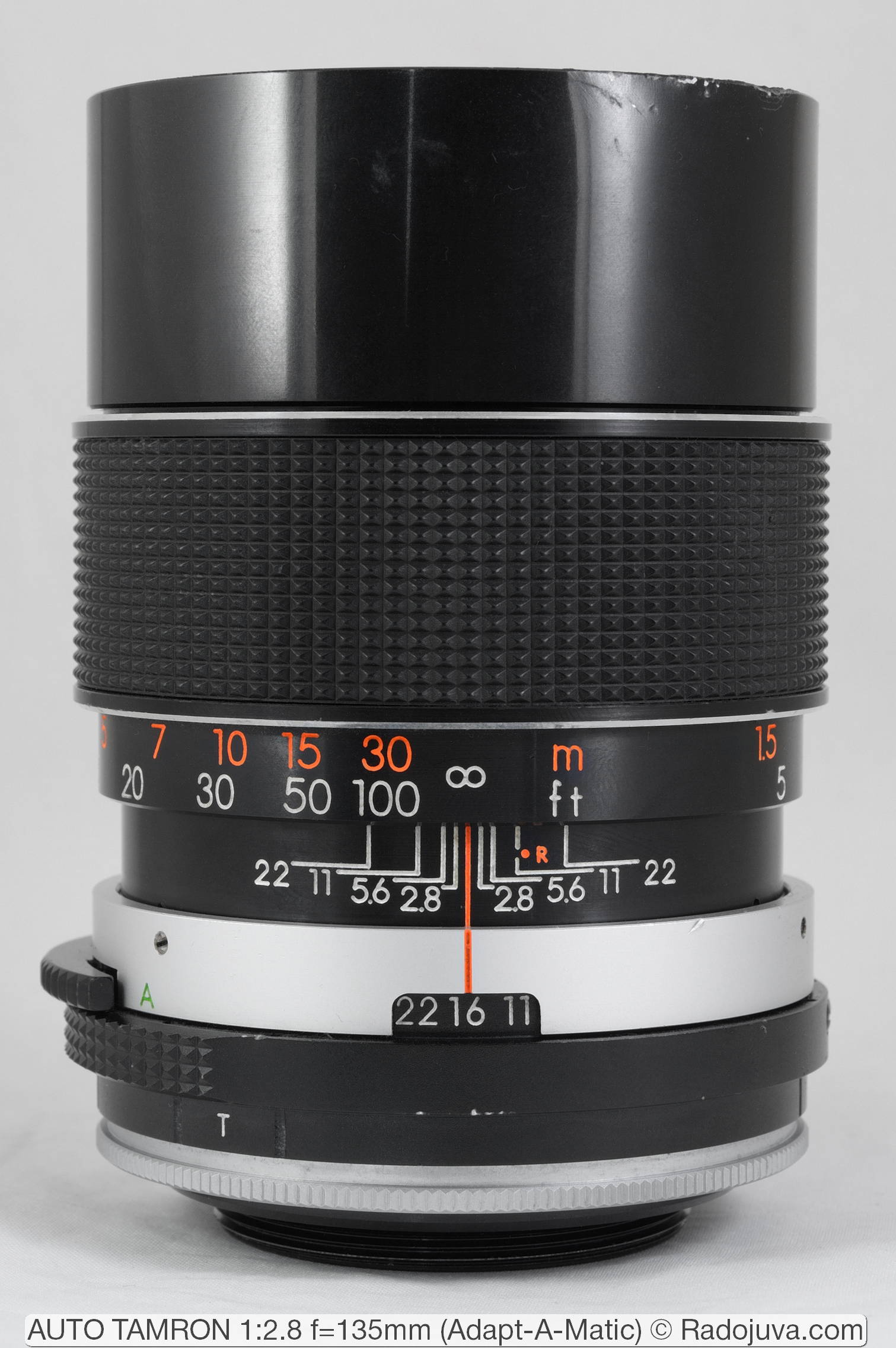
AUTO TAMRON 1: 2.8 f = 135mm (Adapt-A-Matic)
History
AUTO TAMRON 1: 2.8 f = 135mm belongs to the Tamron Adapt-A-Matic series of lenses. The key difference of this series was the possibility of changing the mount, high-quality assembly and the use of fairly simple optical schemes without multi-enlightenment. Some Tamron Adapt-A-Matic lenses came immediately with a fixed mount (without the possibility of replacing it). The Tamron Adapt-A-Matic line lasted a short period of time from 1969 to 1973 and was subsequently replaced by Tamron Adaptall.
AUTO TAMRON 1:2.8 f=135mm was produced from approximately 1972 to 1973.
The Tamron Adapt-A-Matic series includes the following lenses: 21/4.5, 24/3.5, 28/2.8, 35/2.8 , 105/2.5, 135/2.8, 200/3.5, 300/5.6, 70-220/4, 80-250/3.8, 85-205/3.5 and 200-500/6.9
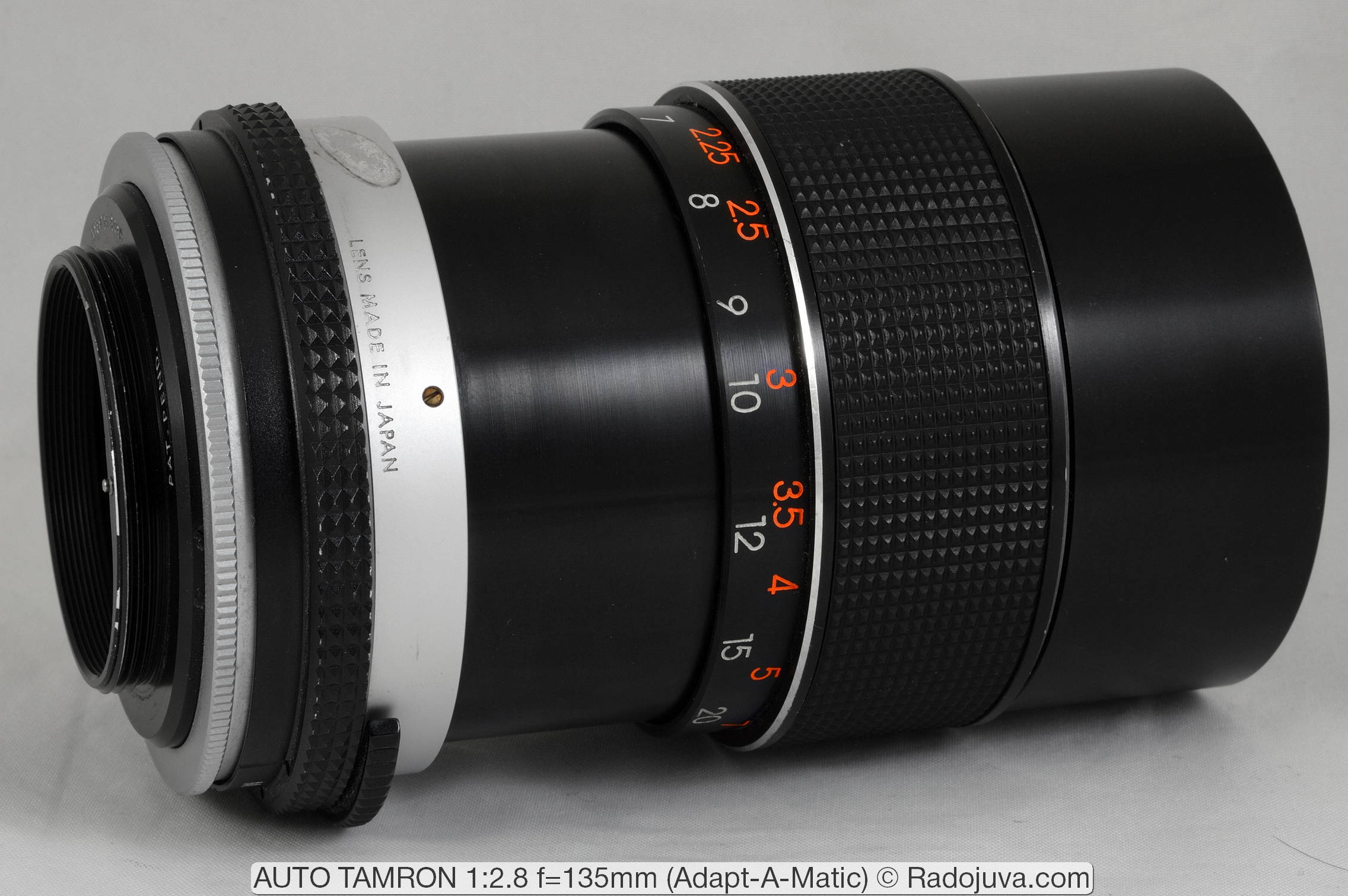
AUTO TAMRON 1: 2.8 f = 135mm (Adapt-A-Matic)
Main technical characteristics of AUTO TAMRON 1: 2.8 f = 135mm
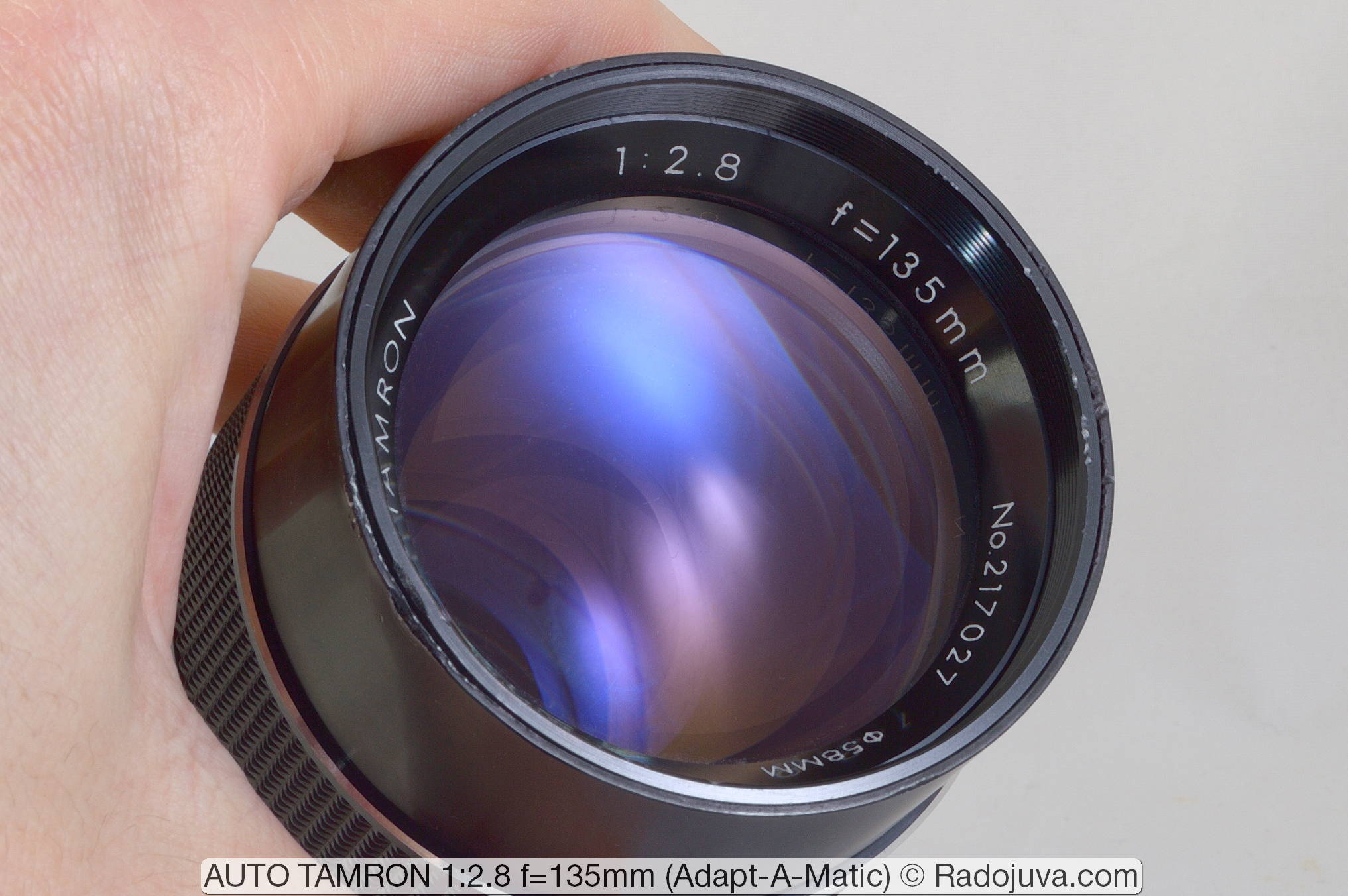
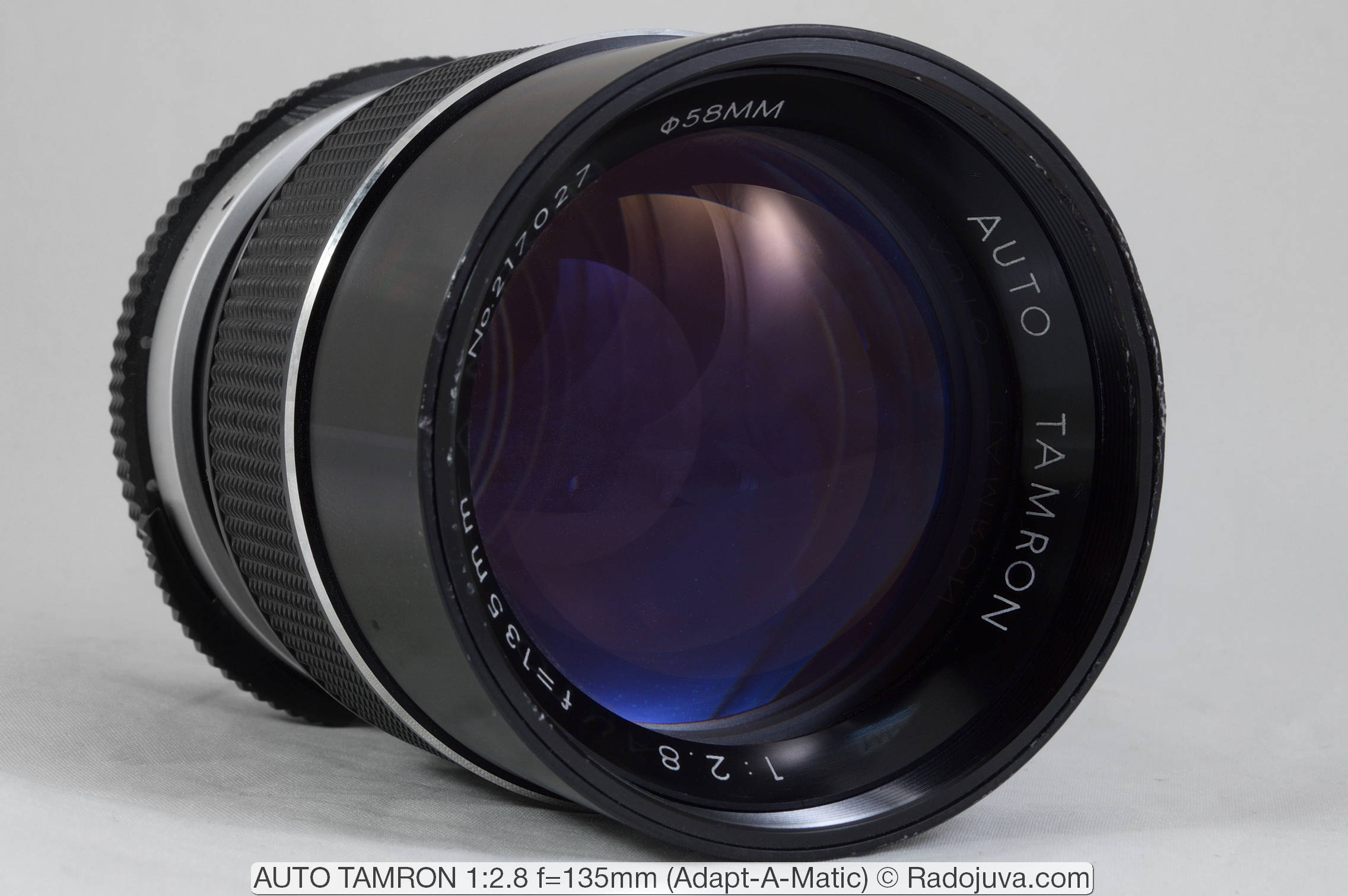
| Name of instances from review | Near the front lens 'AUTO TAMRON 1: 2.8 f = 135mm ø58mm No.217027'
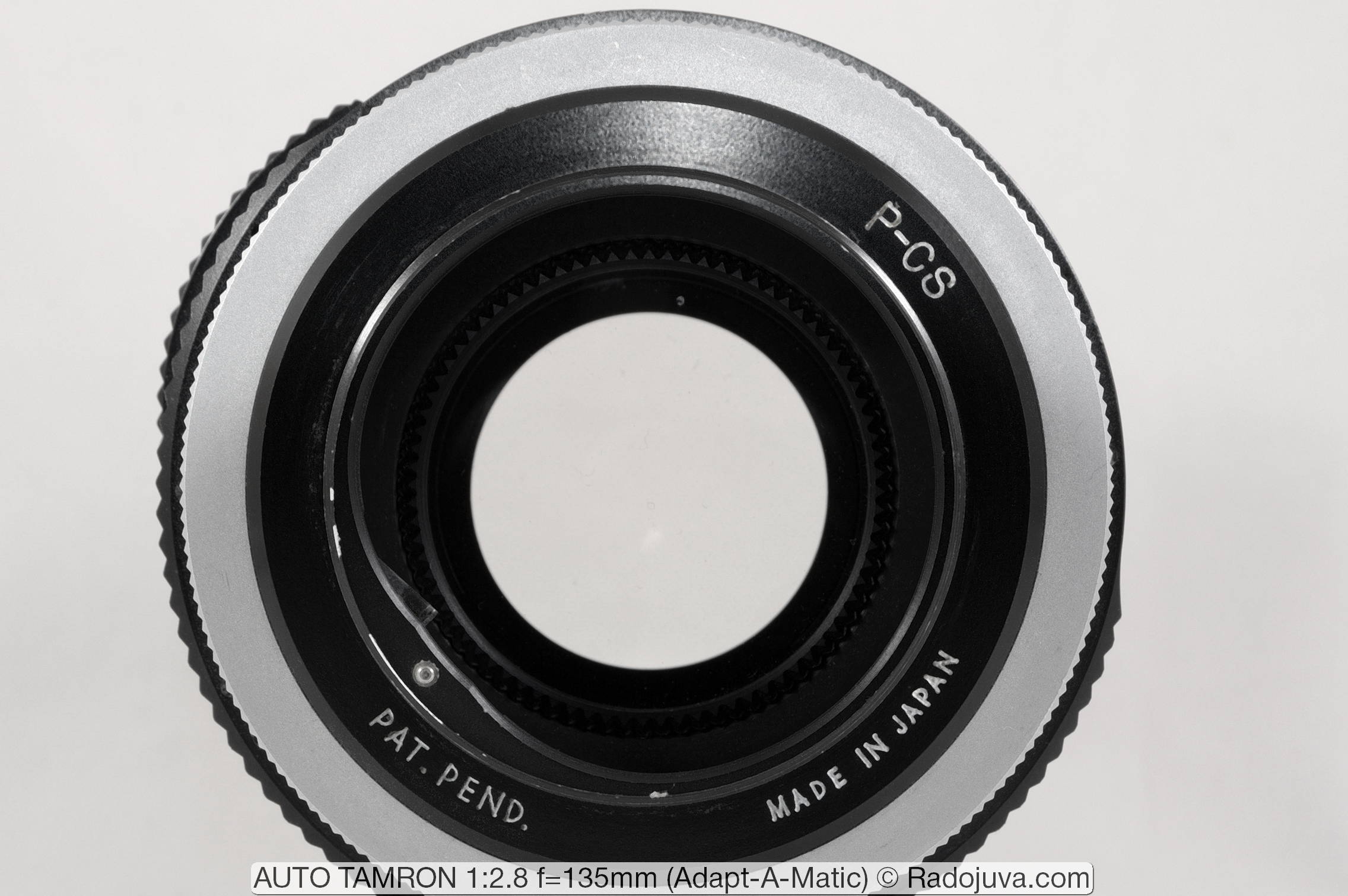
On the case 'Made in Japan, P-CS, PAT. PEND. SRT LENS MADE IN JAPAN ' |
| Basic properties |
|
| Front Filter Diameter | 58 mm |
| Focal length | 135 mm |
| Zoom ratio | 1 x (this is fix) |
| Designed by | for film cameras with different mounts. In the review, a lens with a M42 x 1 / 45.5 thread mount |
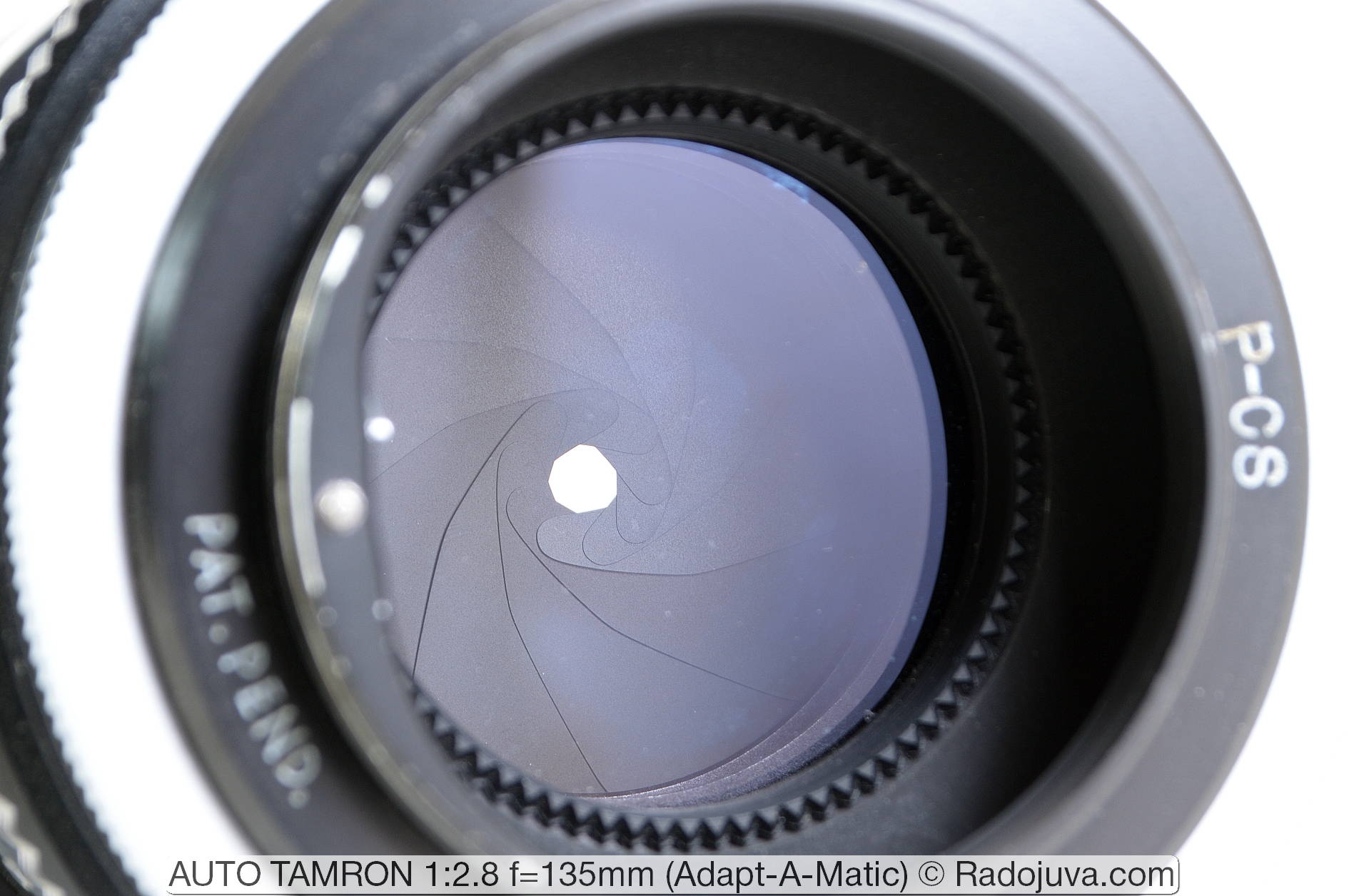
| Number of aperture blades | 9 straight (not rounded) petals |
| Tags |
|
| Diaphragm | F / 2.8 to F / 22
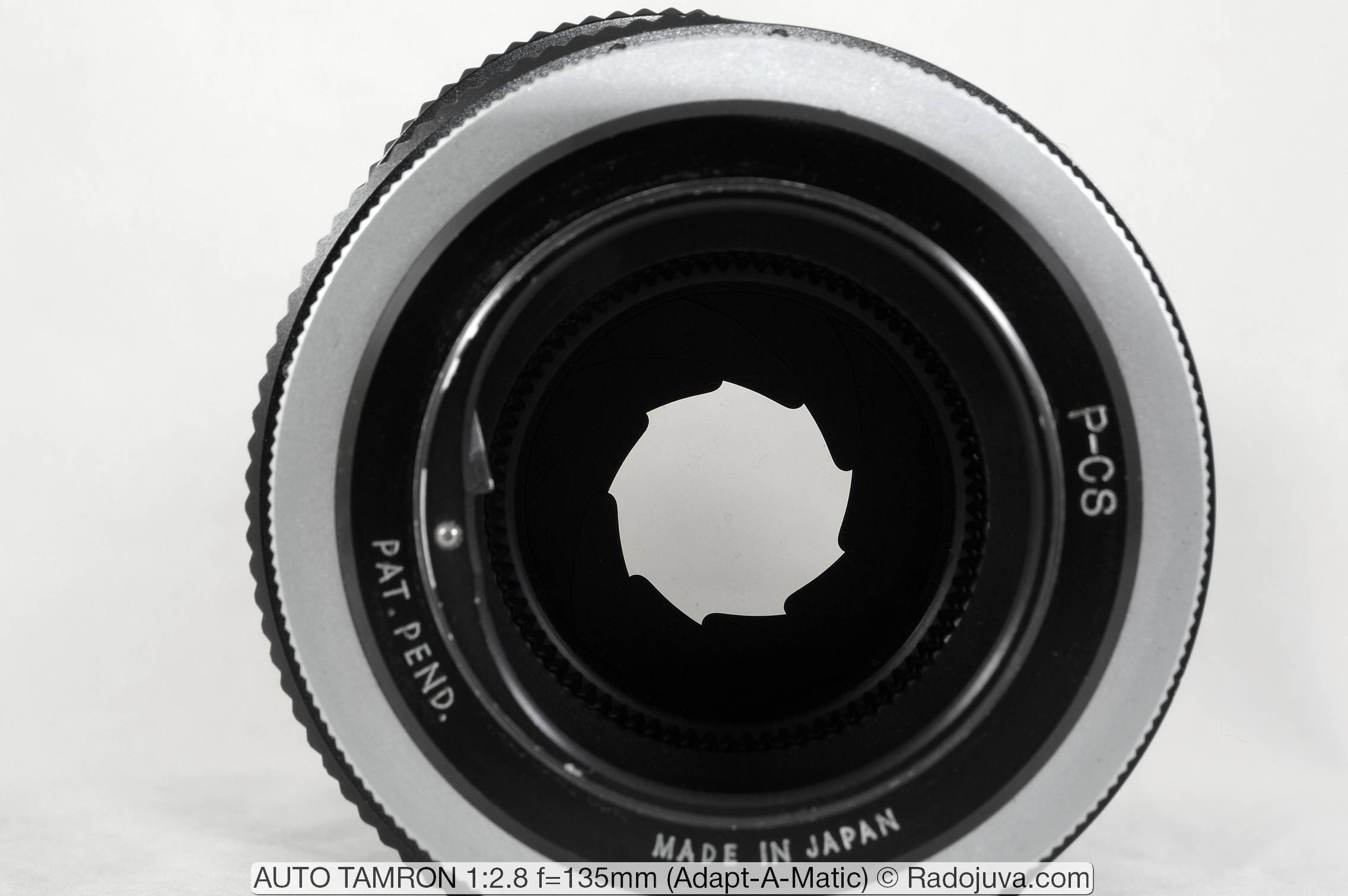
At values from F / 2.8 to F / 8 (not inclusive), the aperture has pronounced notches (there is a photo in the review). At other values, the hole takes the shape of an irregular hexagon. |
| MDF (minimum focusing distance) | 1.5 meters |
| The weight | 415 grams (measured) |
| Optical design | 4 elements in 4 groups |
| Lens hood | Built-in telescopic, metal |
| Period | With 1972 on 1973 |
| Manufacturer country | LENS MADE IN JAPAN / MADE IN JAPAN (Lens made in Japan). |
| Price | New do not sell. In a variant B. at. about 70 cu
Prices for modern Tamron lenses can be found here. |
The AUTO TAMRON 1: 2.8 f = 135mm version from this review, with an M42 mounting thread, is easy to install with almost any modern digital camera. How to do this - ask in the comments.

AUTO TAMRON 1: 2.8 f = 135mm (Adapt-A-Matic)
Appearance
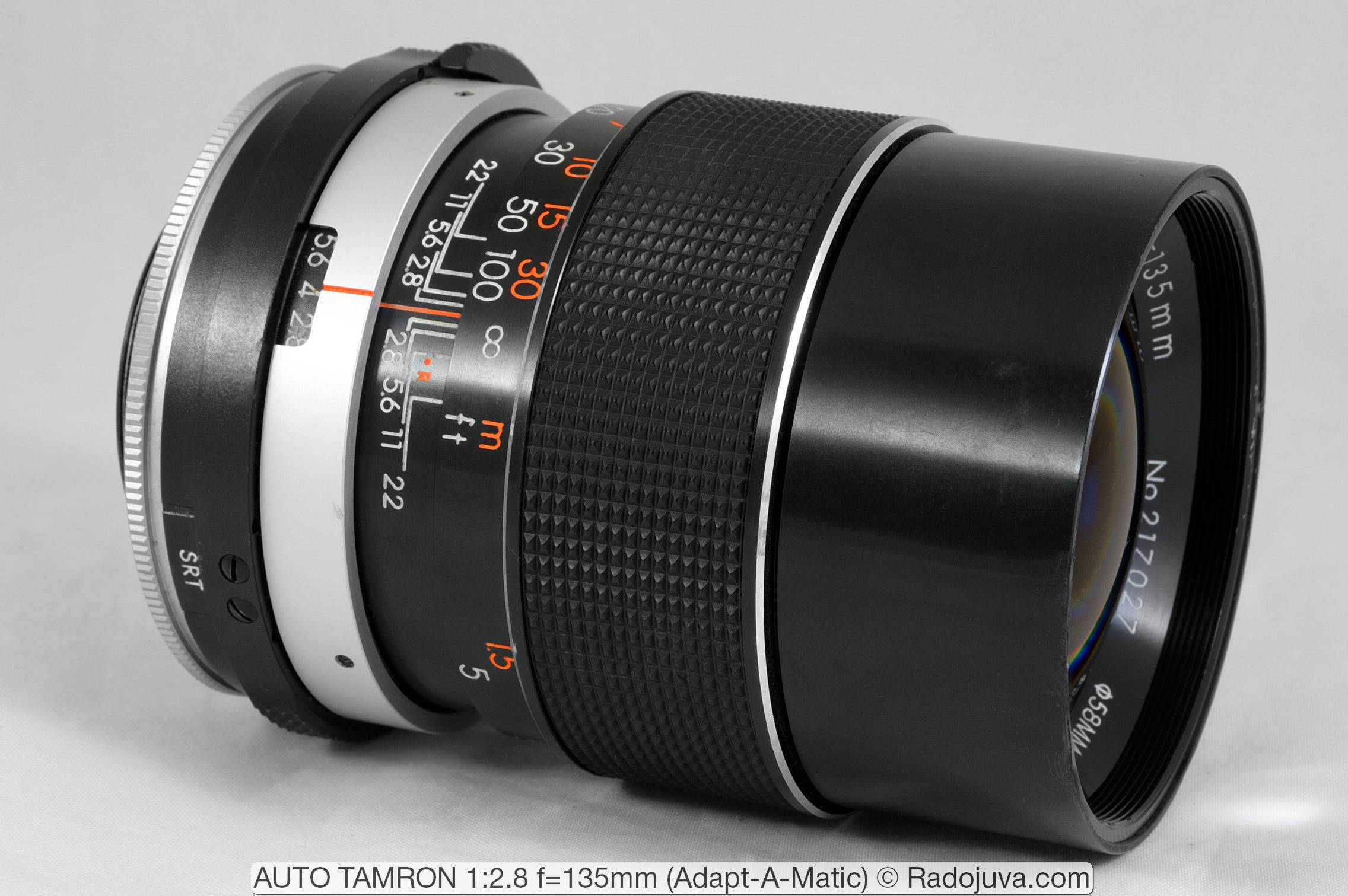
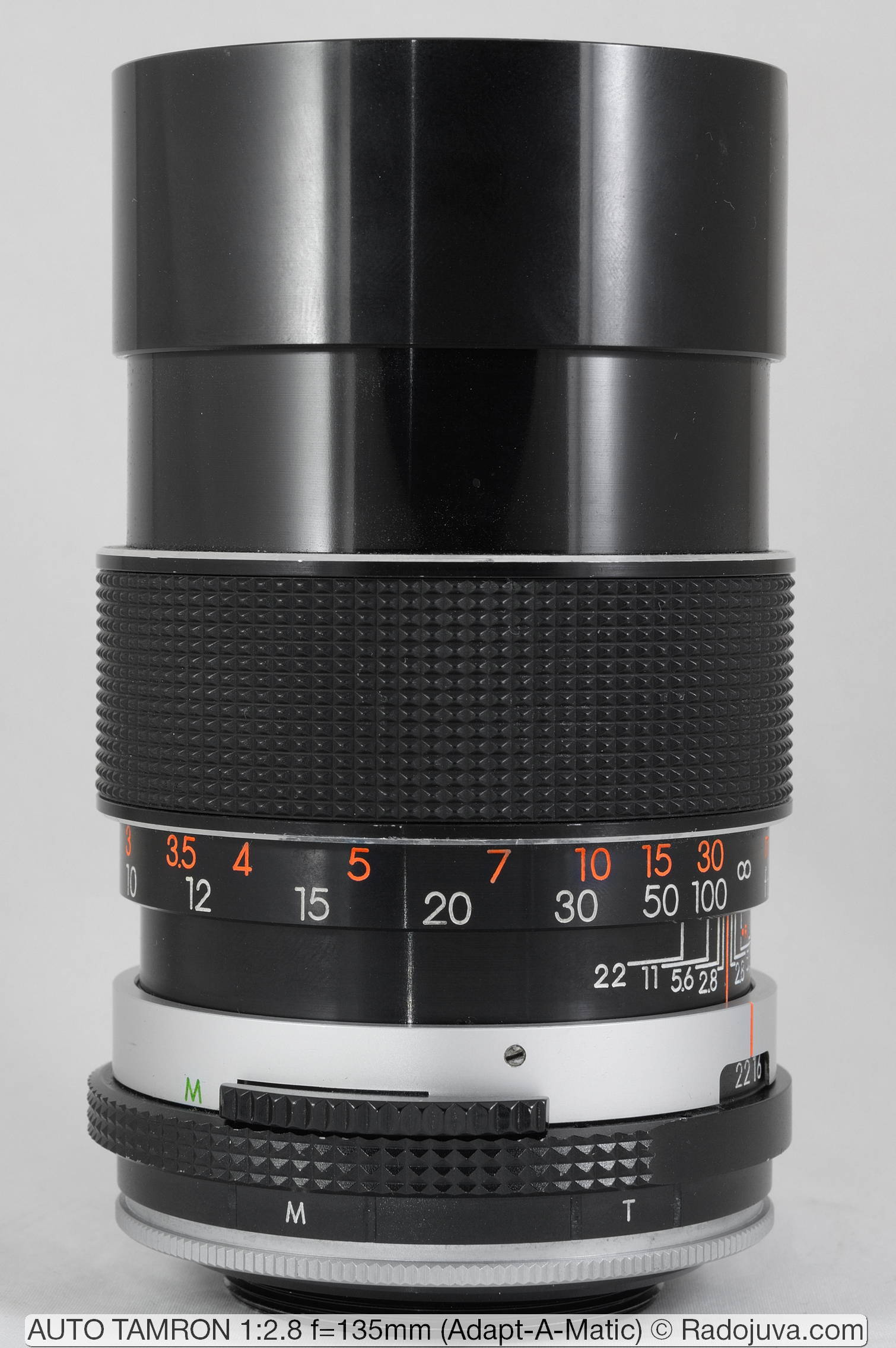
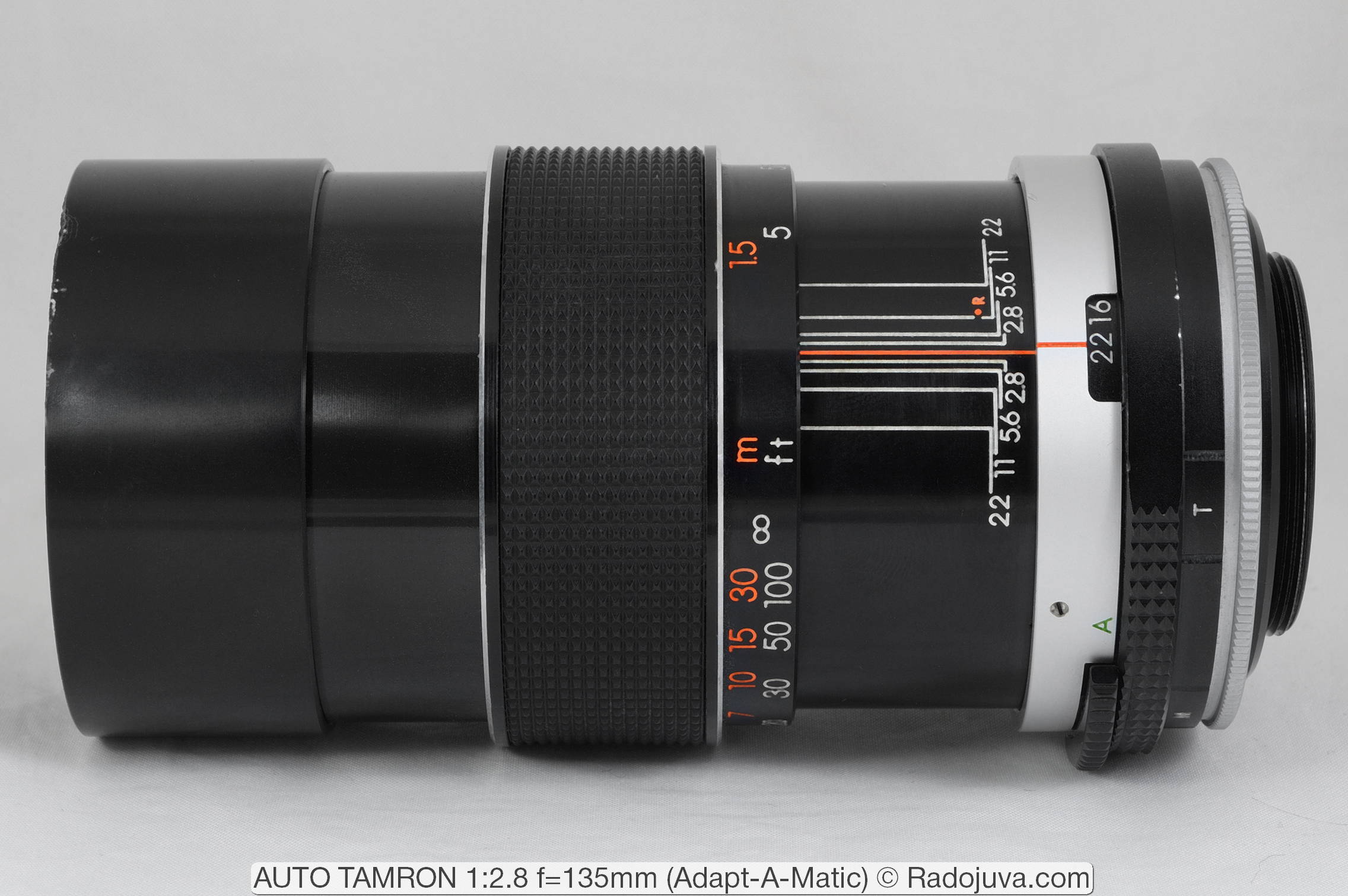
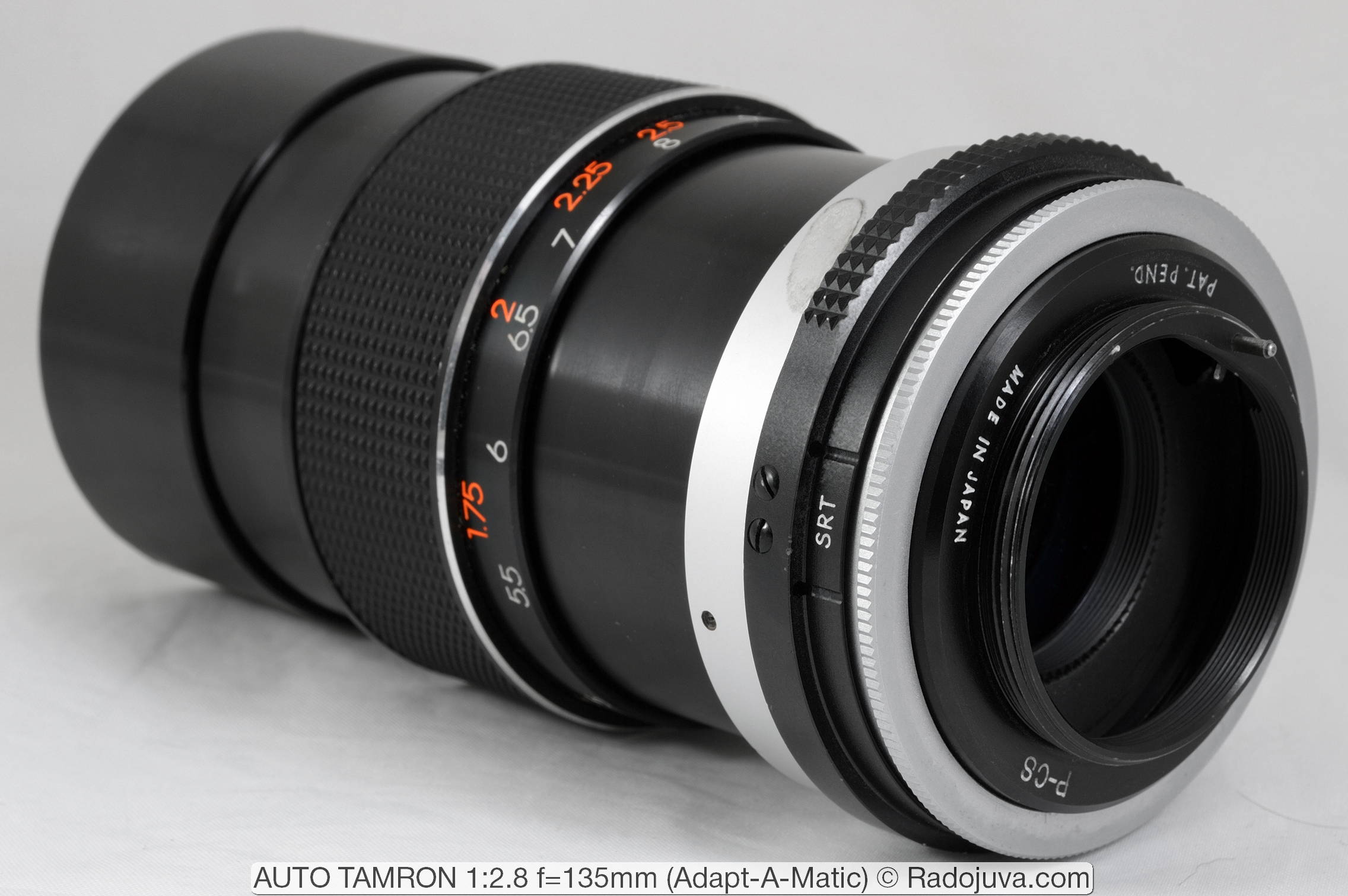
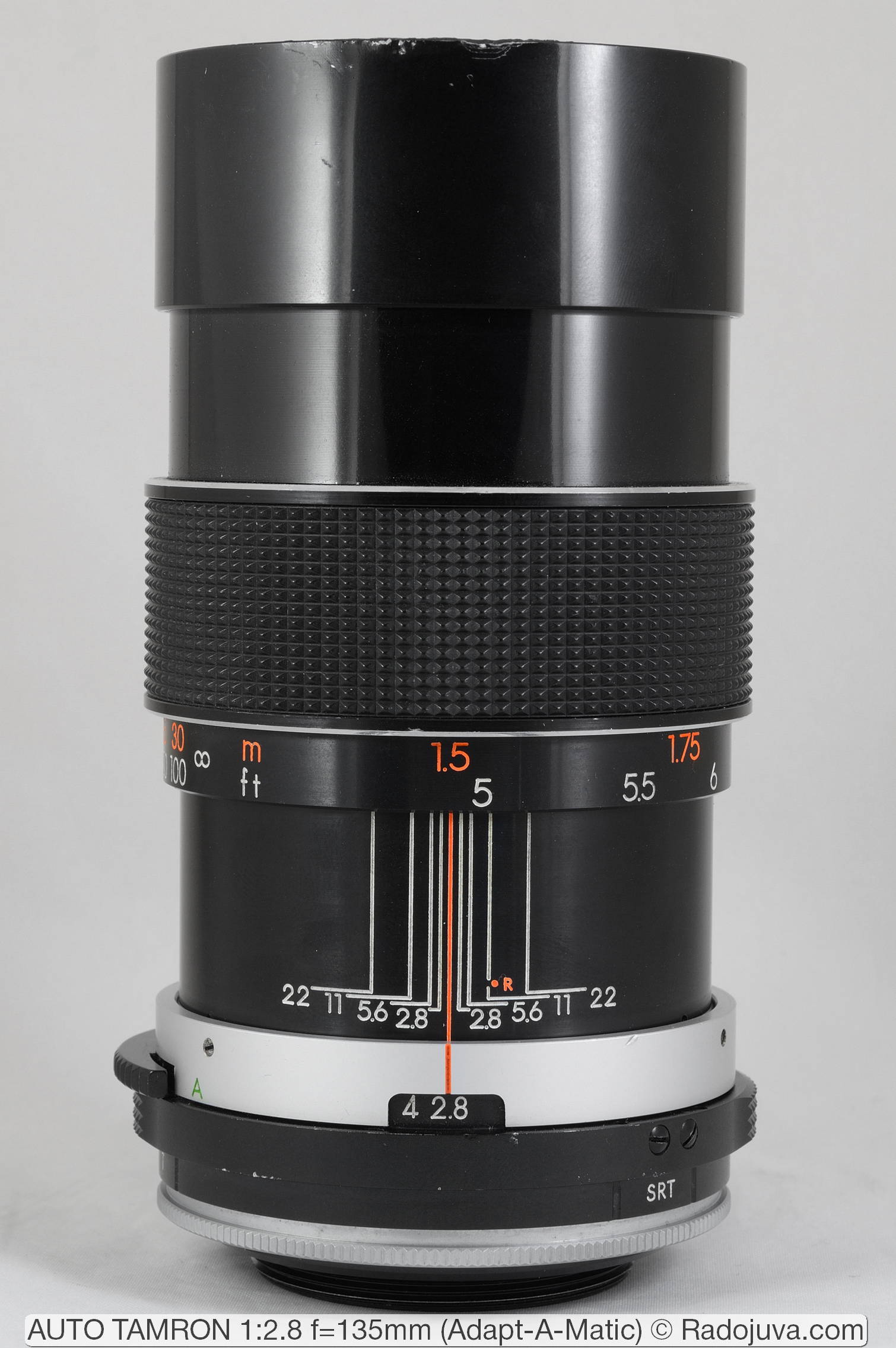
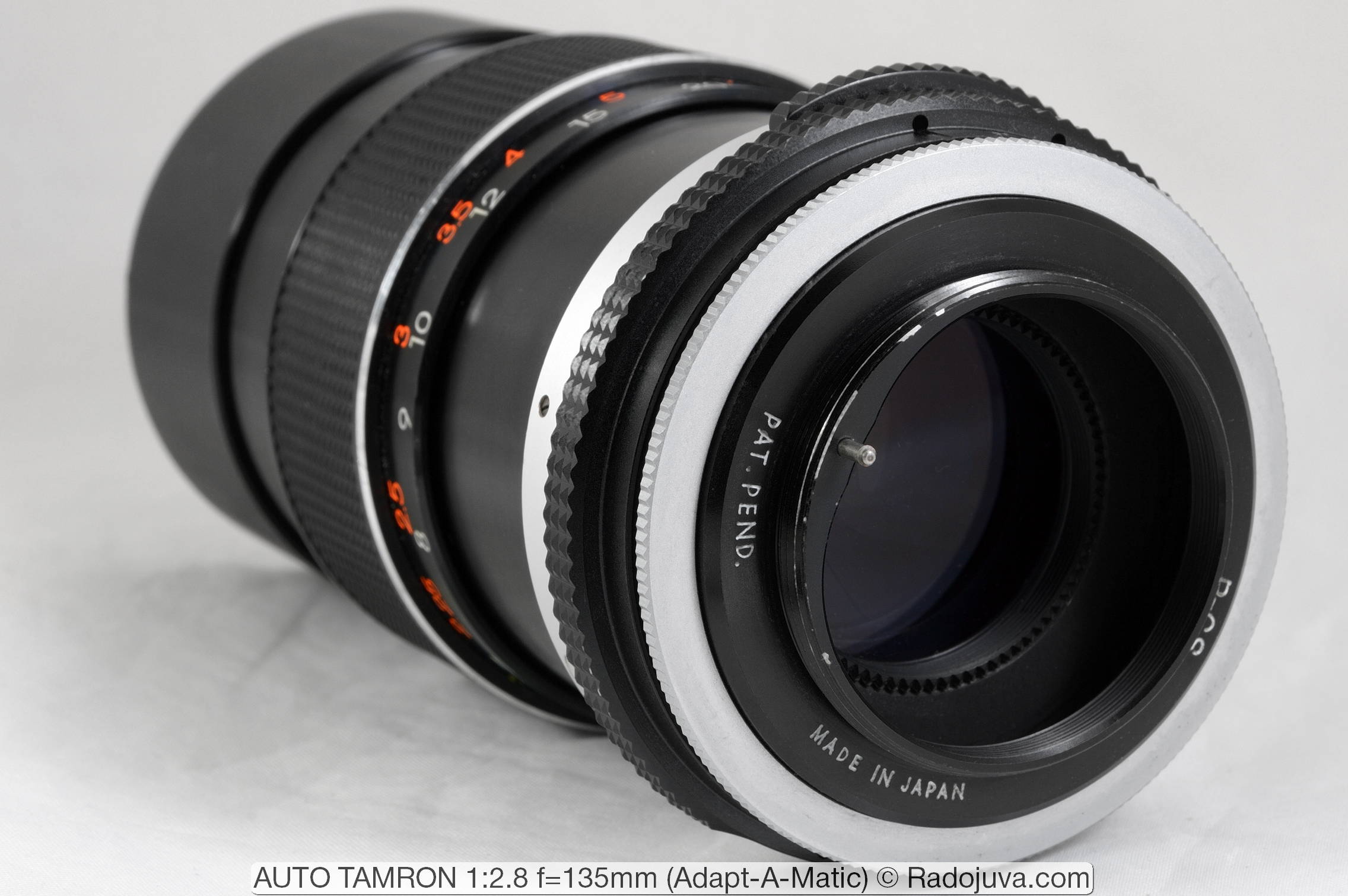
AUTO TAMRON 1: 2.8 f = 135mm has a rather interesting and catchy design typical of the entire Adapt-A-Matic line:

Assembly, control, focus
The lens barrel is well-made. The focusing ring has a wide, non-slip insert made of hard rubber or similar material. The lens has a built-in, retractable, telescopic lens hood . The hood locks securely in both the active and transport positions.
A special window is provided for the aperture values, such an implementation is quite rare. A window-shaped scale is usually used only for focusing distances.
There is an A / M aperture control mode switch. The diaphragm consists of nine petals. At values from F / 2.8 to F / 8, the diaphragm blades form a hole with pronounced notches (the shape of a circular saw).
AUTO TAMRON 1: 2.8 f = 135mm uses small filters with a diameter of 58 mm.
The AUTO TAMRON 1:2.8 f=135mm's focusing ring rotates approximately 320 degrees (almost a full rotation). During focusing, the barrel extends forward and rotates along with the front element and filter threads. The rear element remains stationary during focusing (or is that a protective glass element?). The focusing ring rotates very smoothly and comfortably, with a buttery feel, allowing you to focus with just one finger. This lens is a pleasure to use.
On the case there is a focus distance scale, a depth of field scale and a mark for working in the infrared spectrum.
AUTO TAMRON 1: 2.8 f = 135mm (Adapt-A-Matic)
Image quality
The AUTO TAMRON 1:2.8 f=135mm produces decent image quality, especially considering it's an older Four-Quarter design. It offers moderate sharpness in the center of the frame at f/2.8, no distortion, and moderate vignetting. Sharpness is high even at smaller apertures. Chromatic aberrations and backlight sensitivity are present, of course. The built-in lens hood does a good job of maintaining contrast in side light. The serrated aperture sometimes produces jagged bokeh. Despite its age and lack of multi-coating, the AUTO TAMRON 1:2.8 f=135mm doesn't produce a noticeable yellow/green tint in photos, which is common with some older lenses.
AUTO TAMRON 1: 2.8 f = 135mm (Adapt-A-Matic)
Sample photos on Nikon FX
Photographer Natalia Romanenko (500px) prepared sample photos with original RAW files for this review . Converting original RAW files from a Nikon D700 using the original Nikon Capture NX-D v 1.4.6 utility.
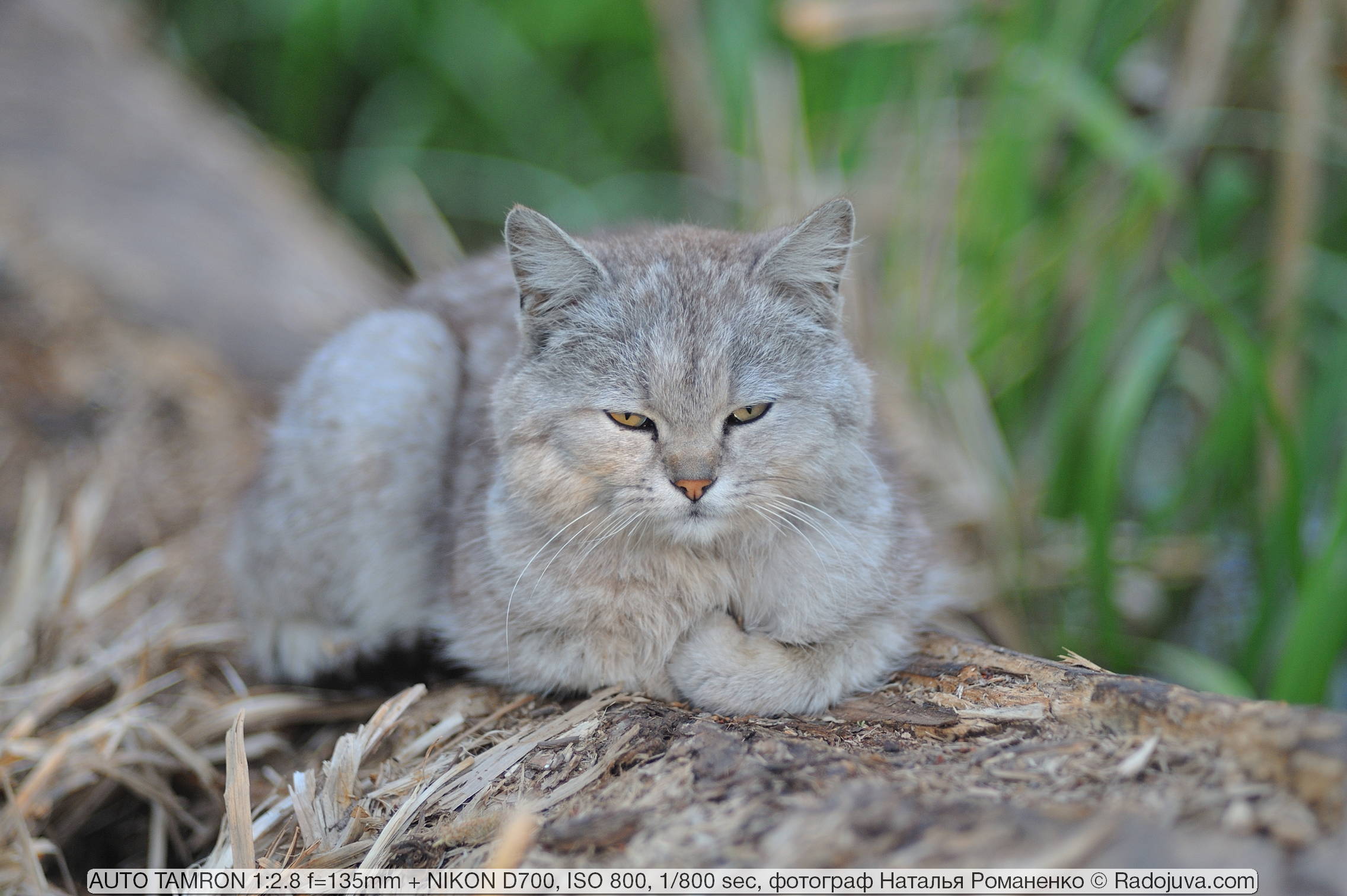
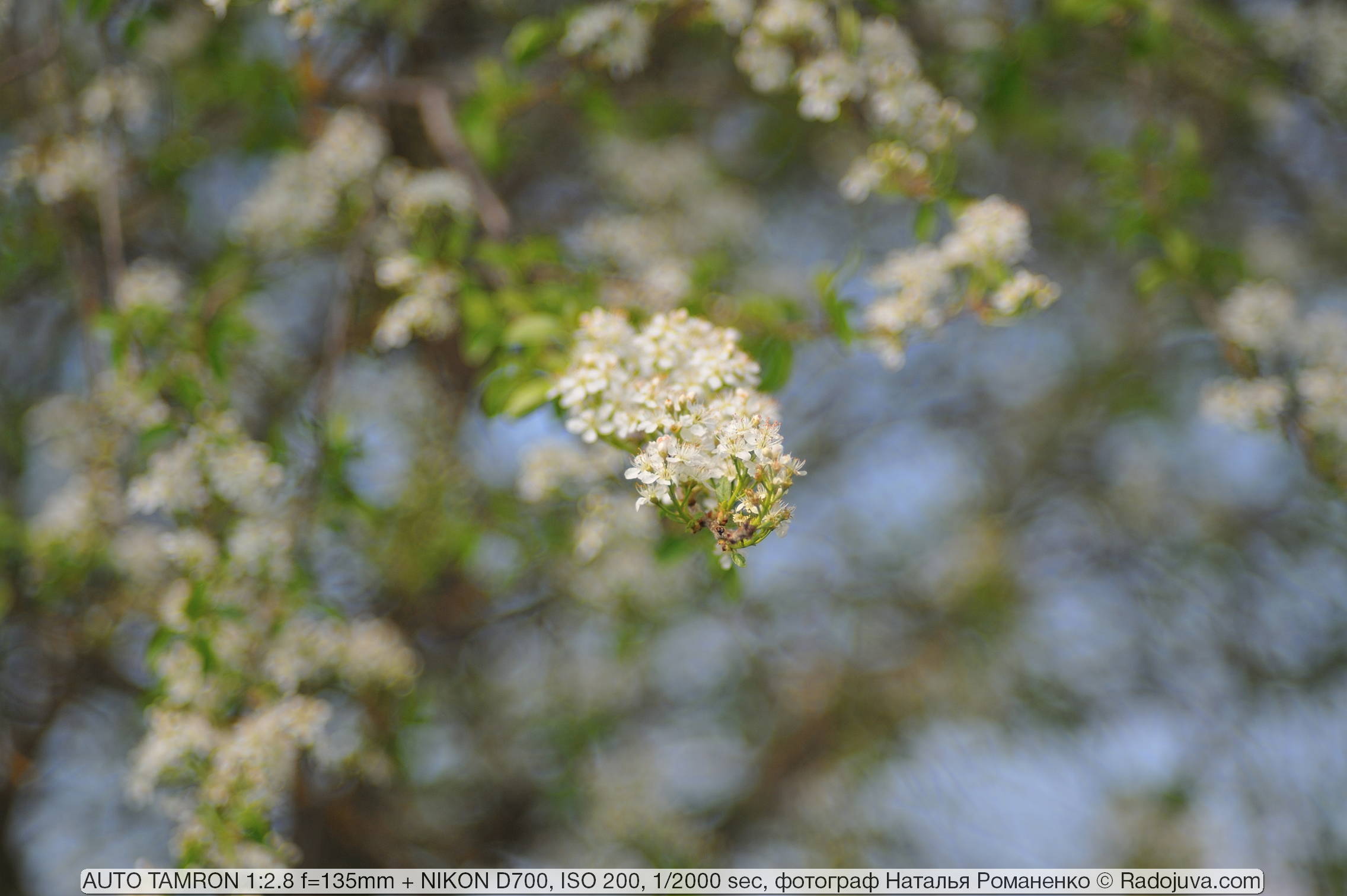
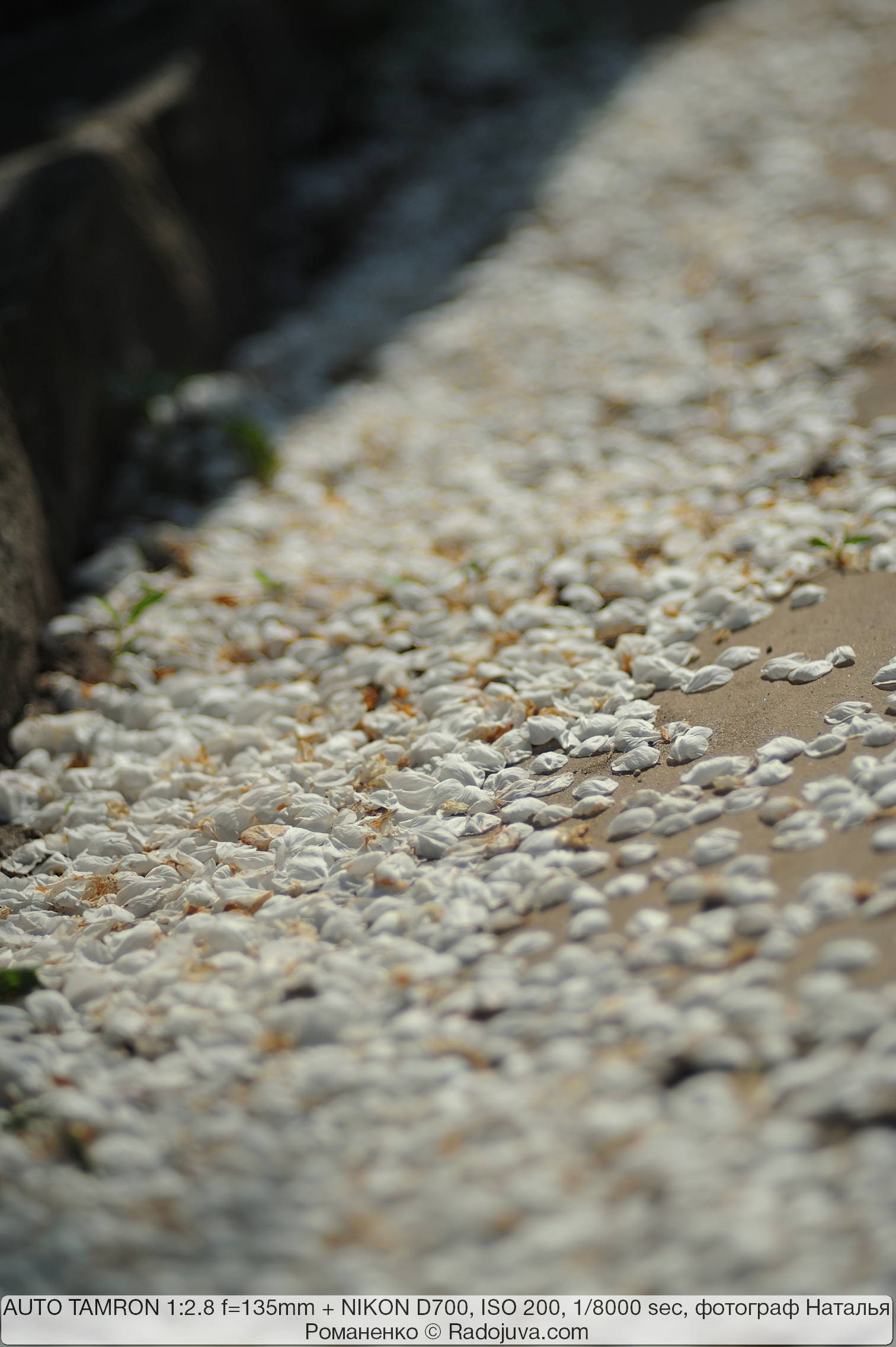


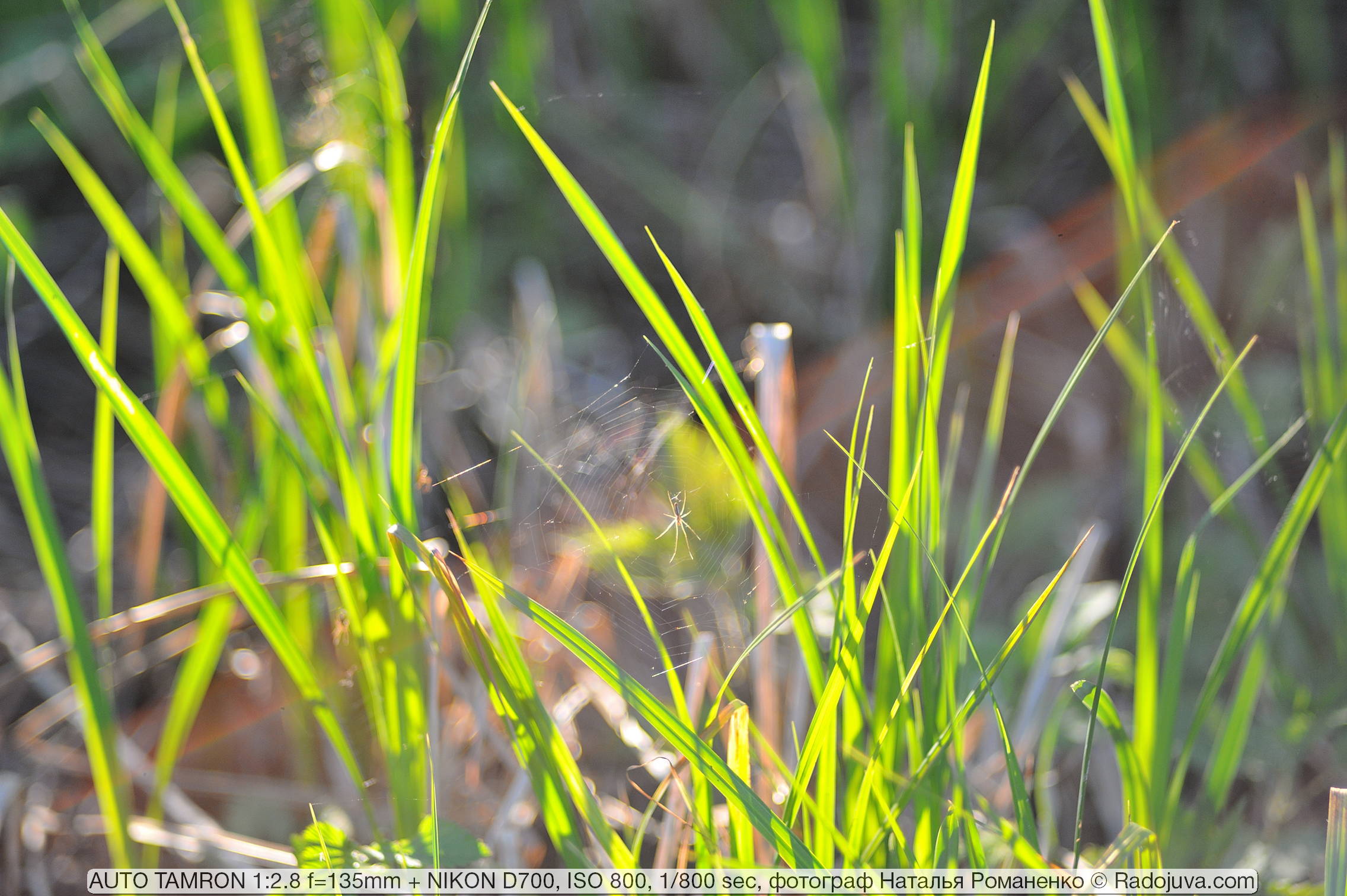
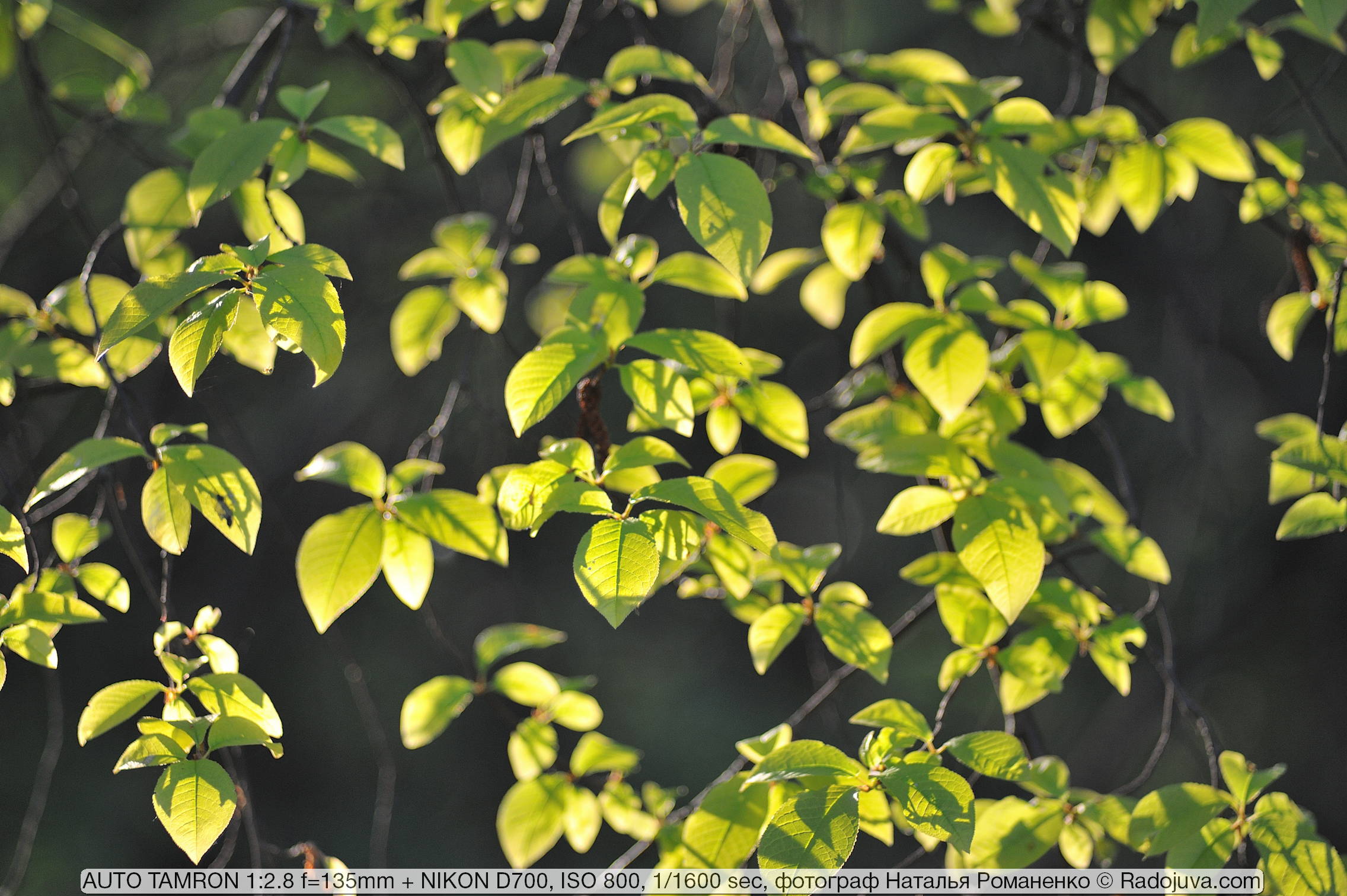
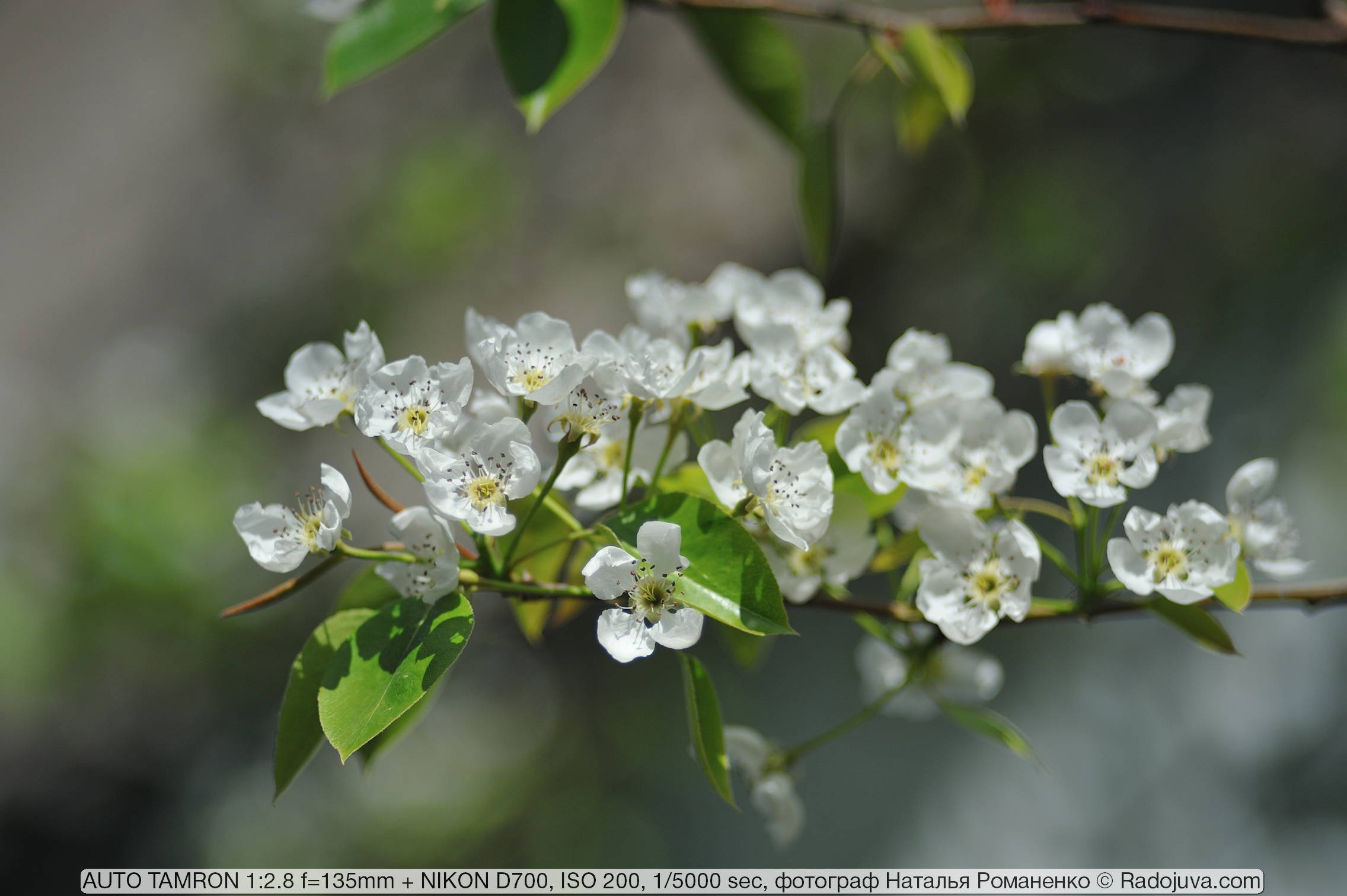
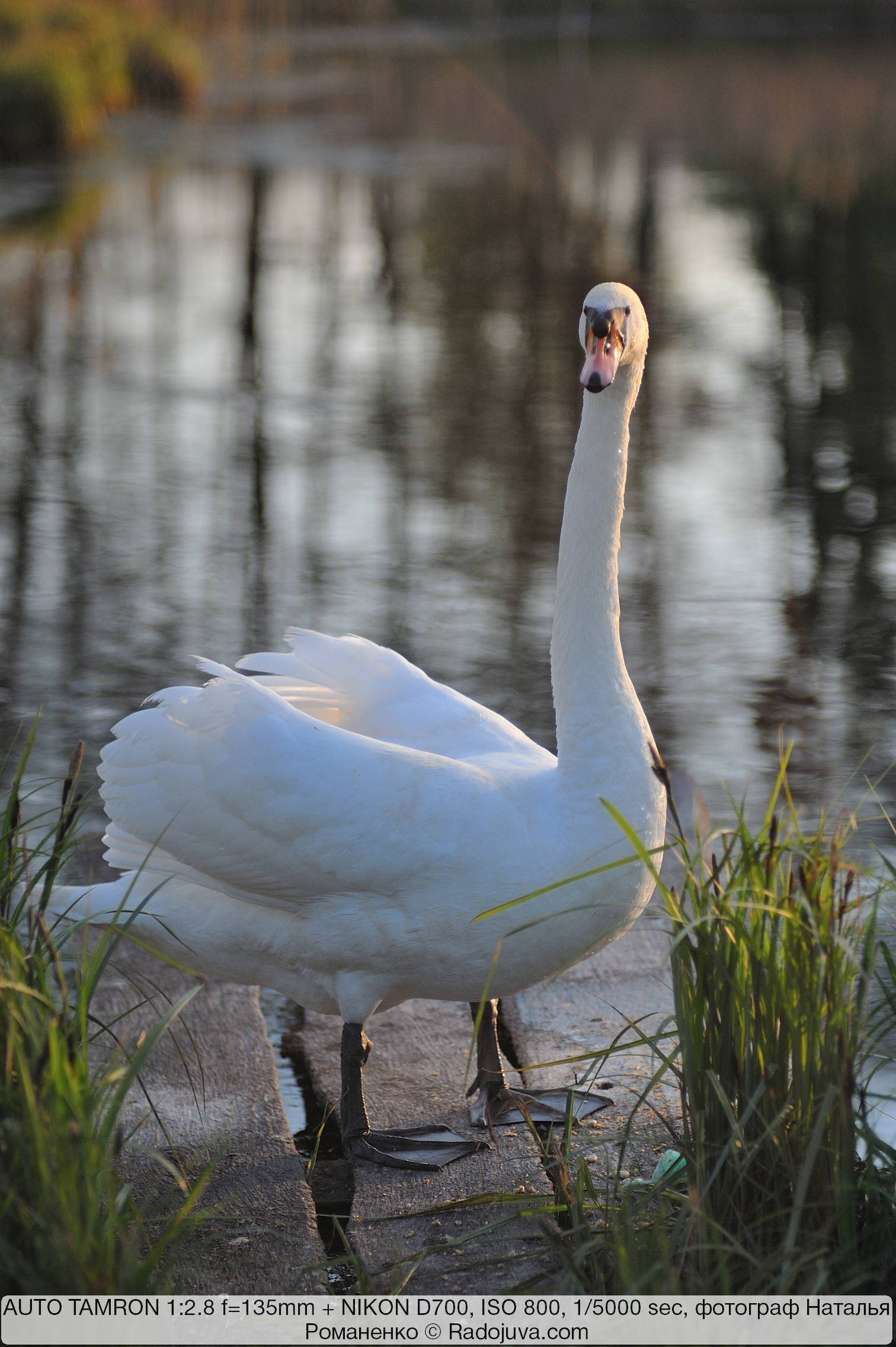
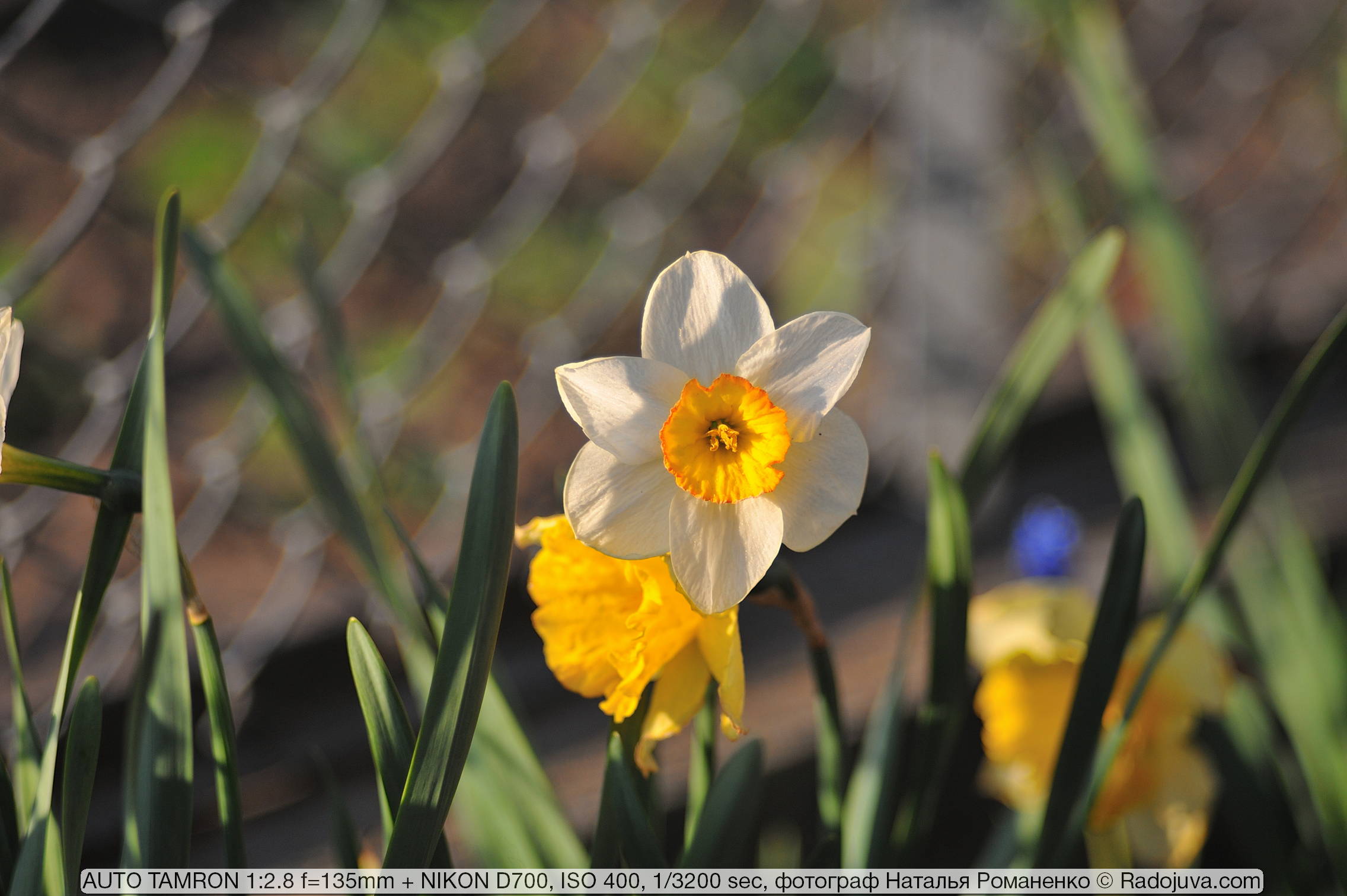


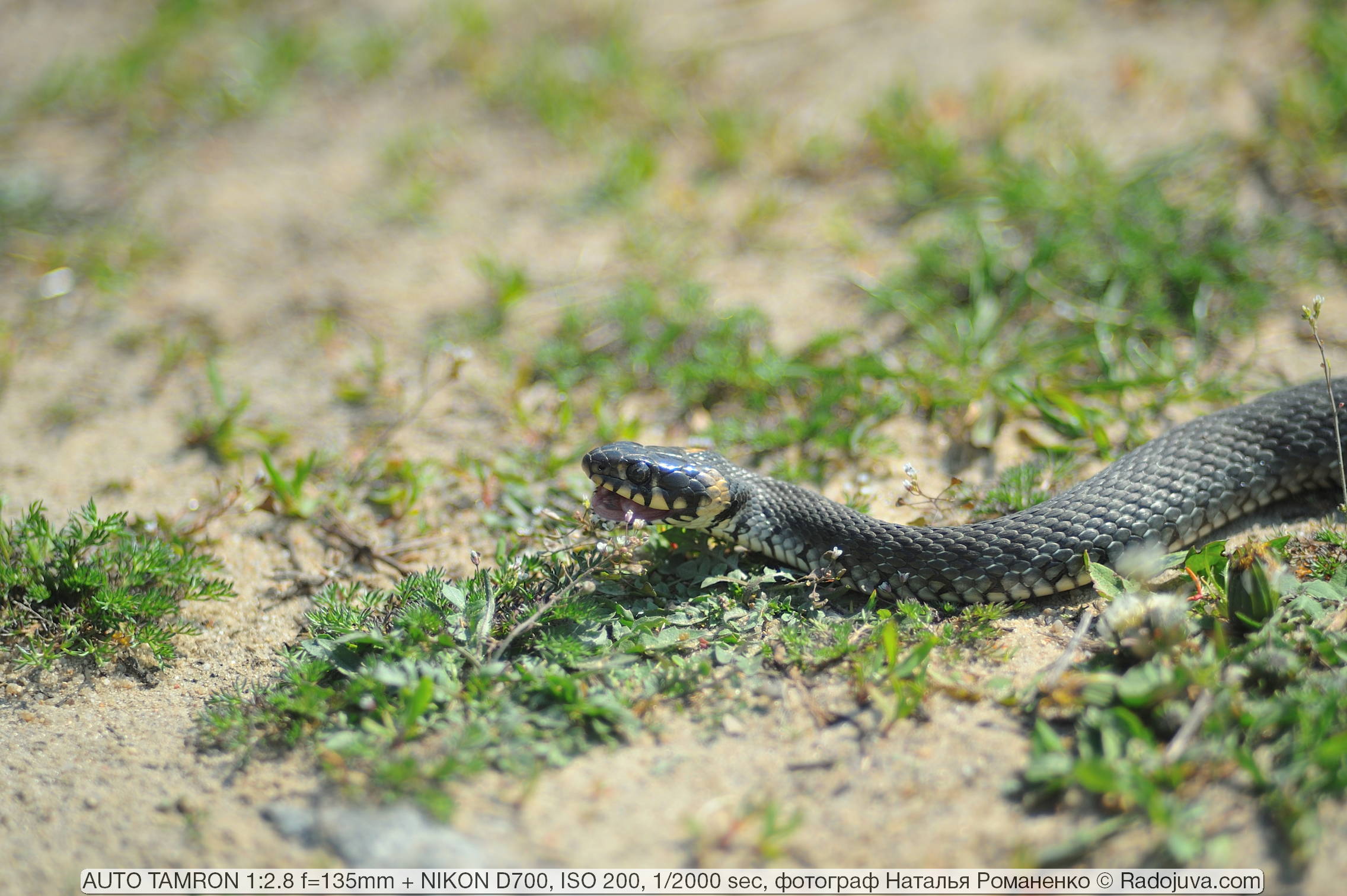
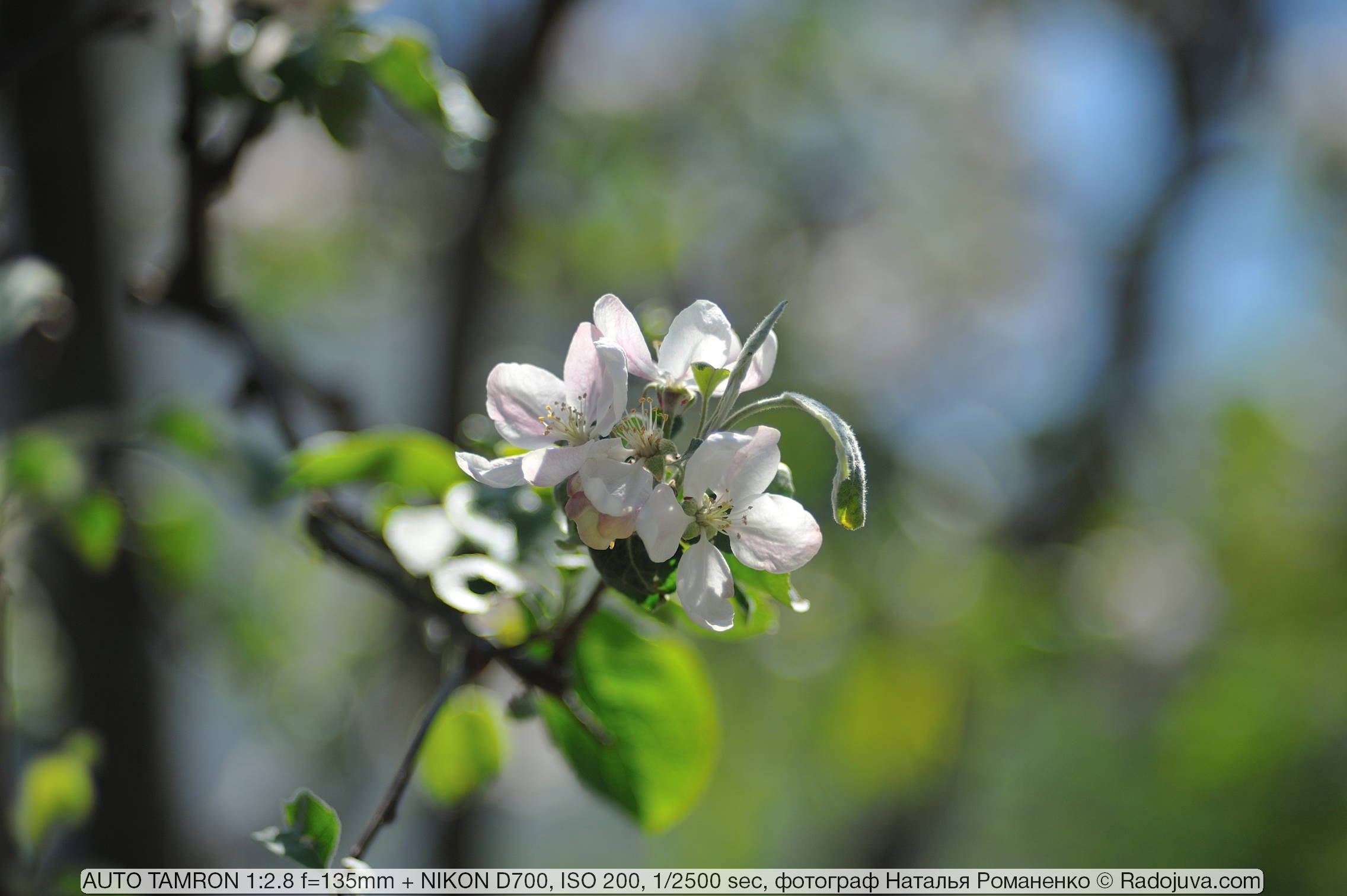
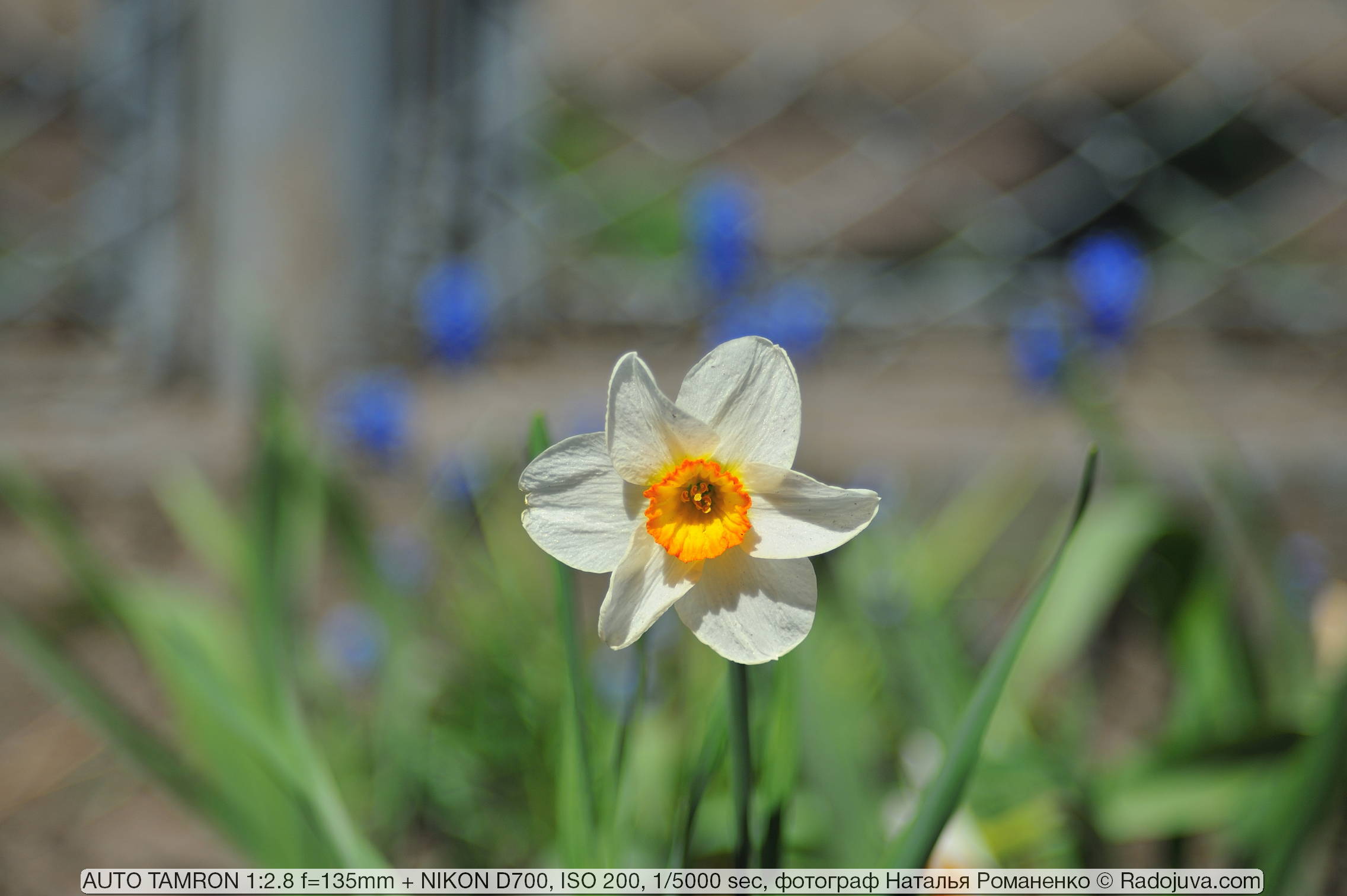

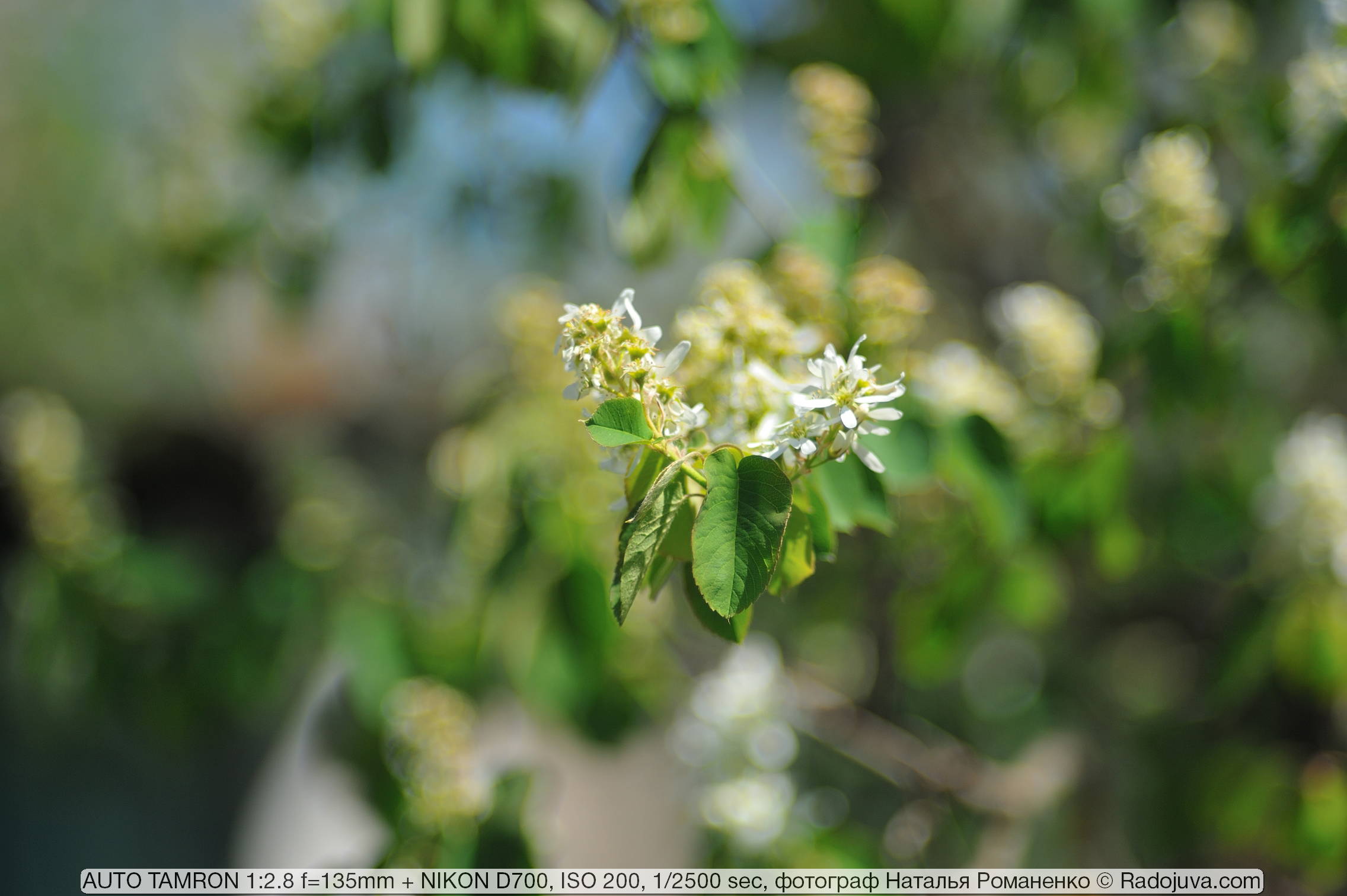
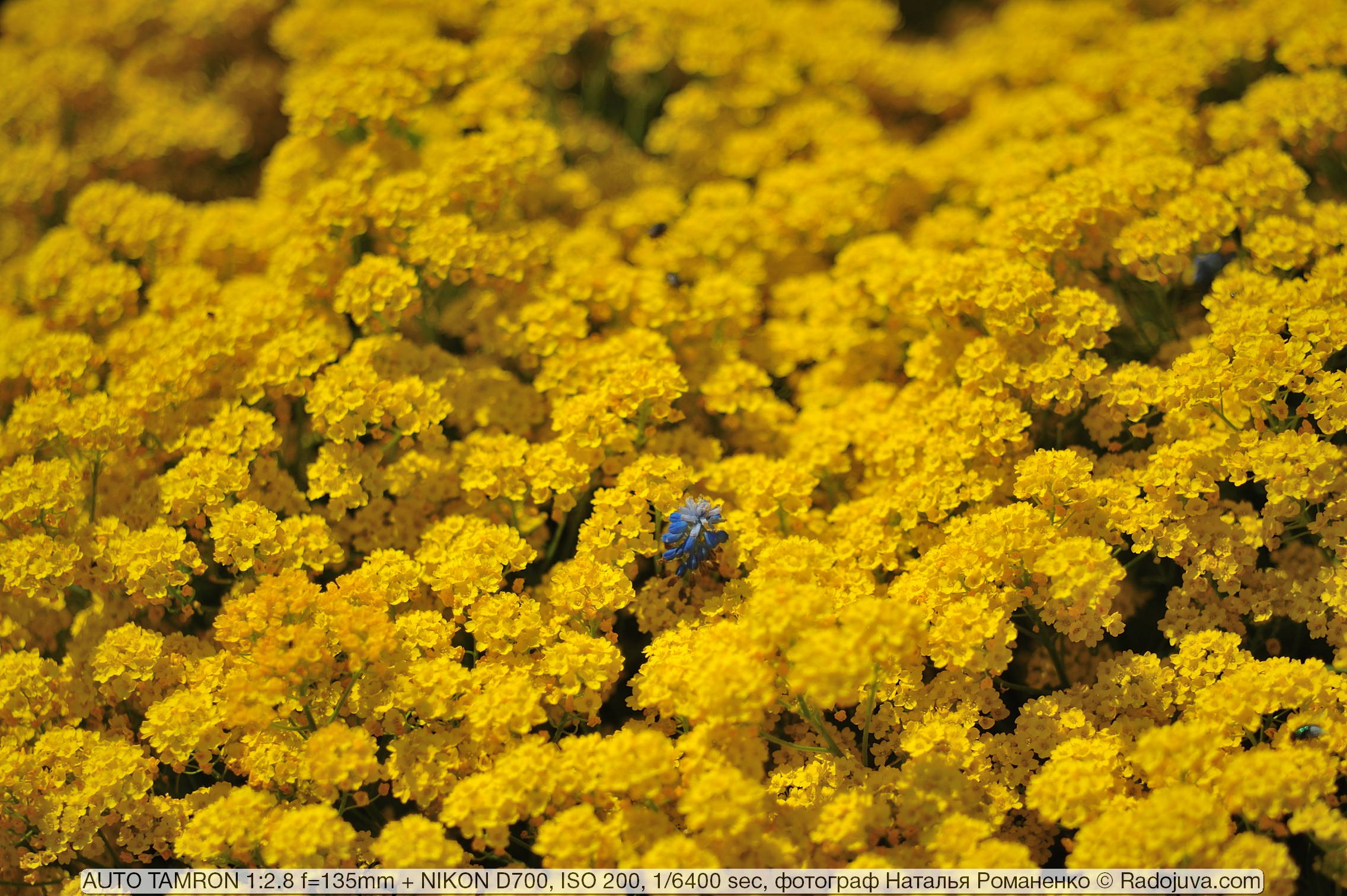
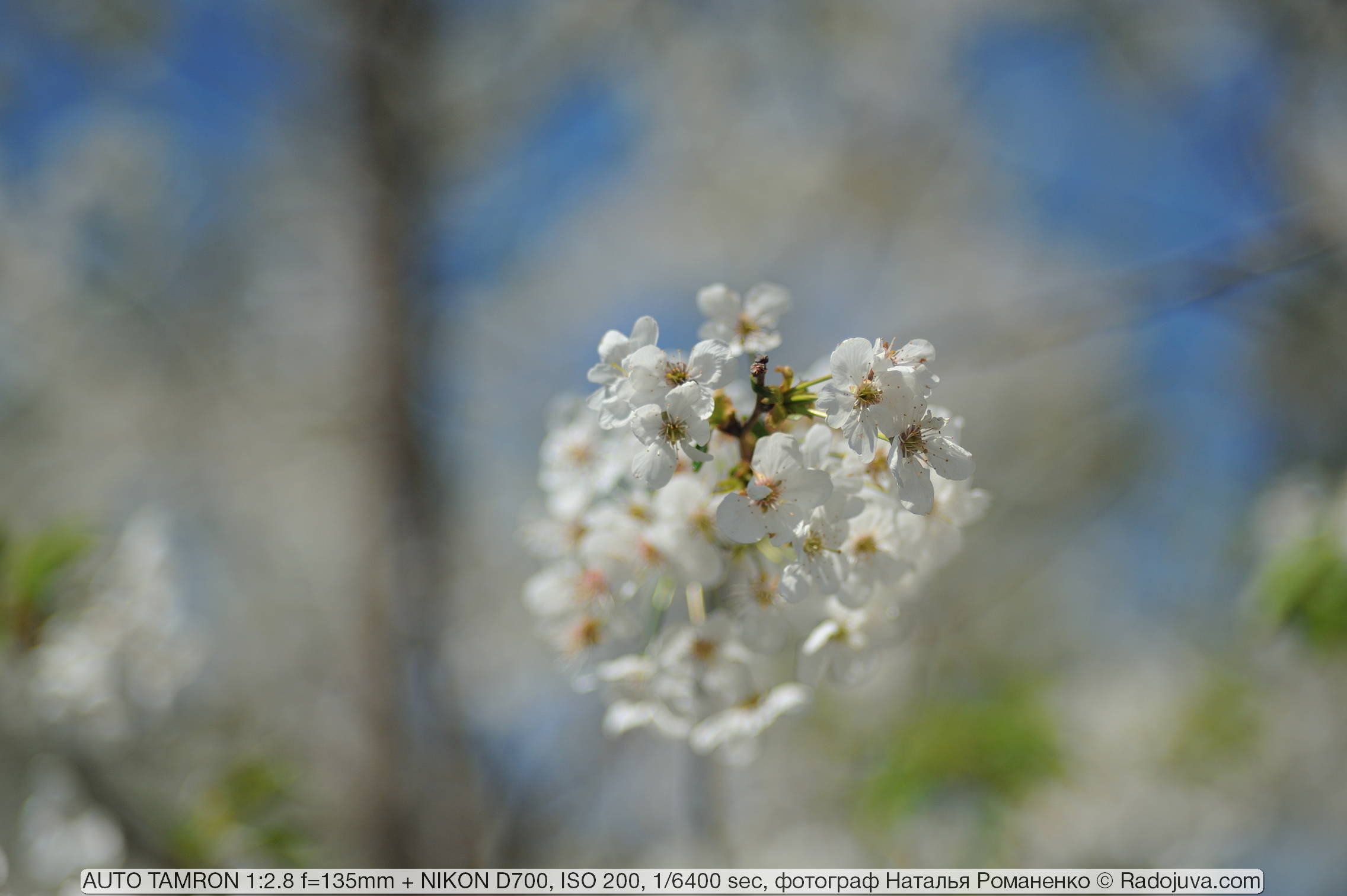
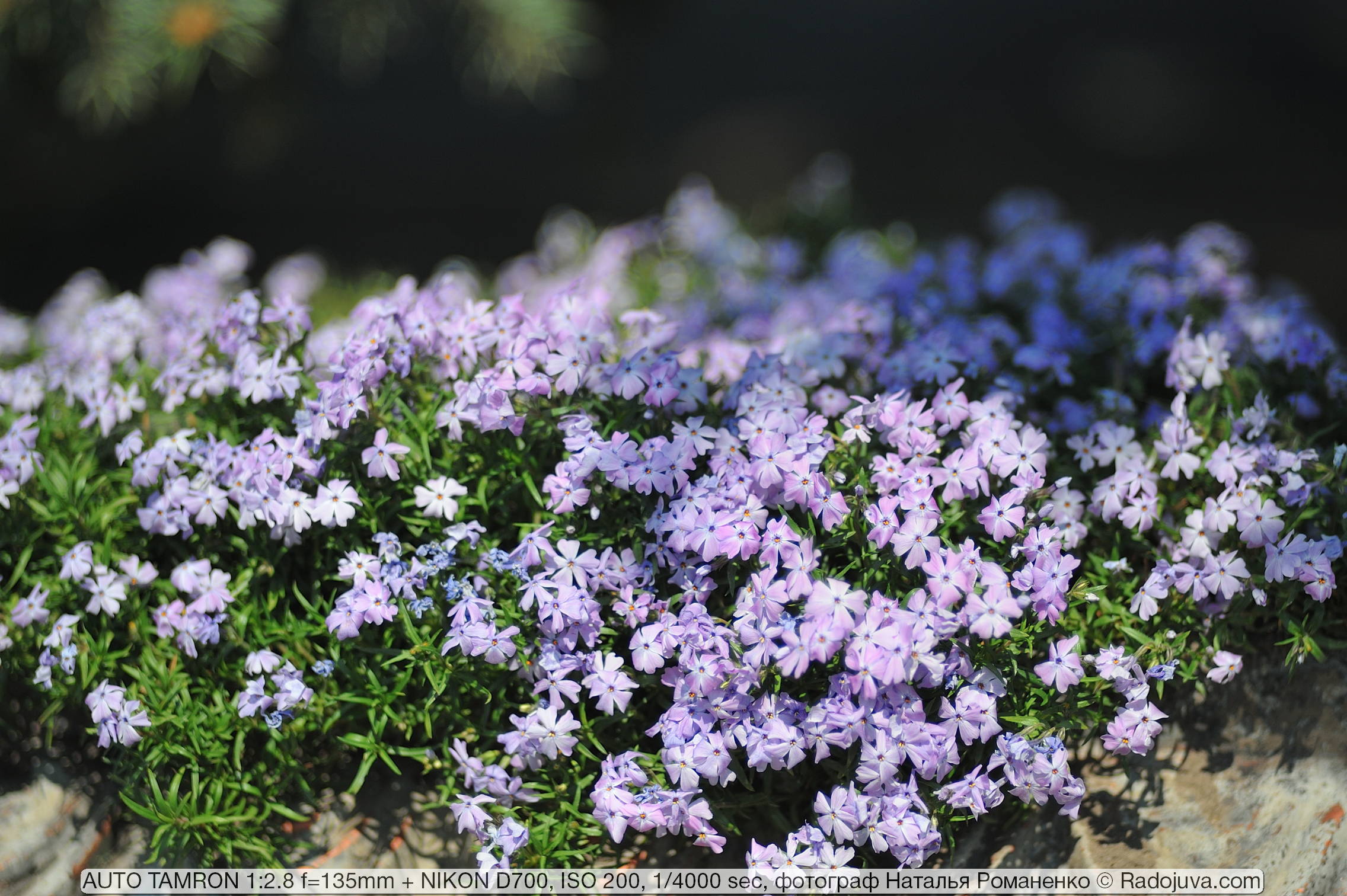
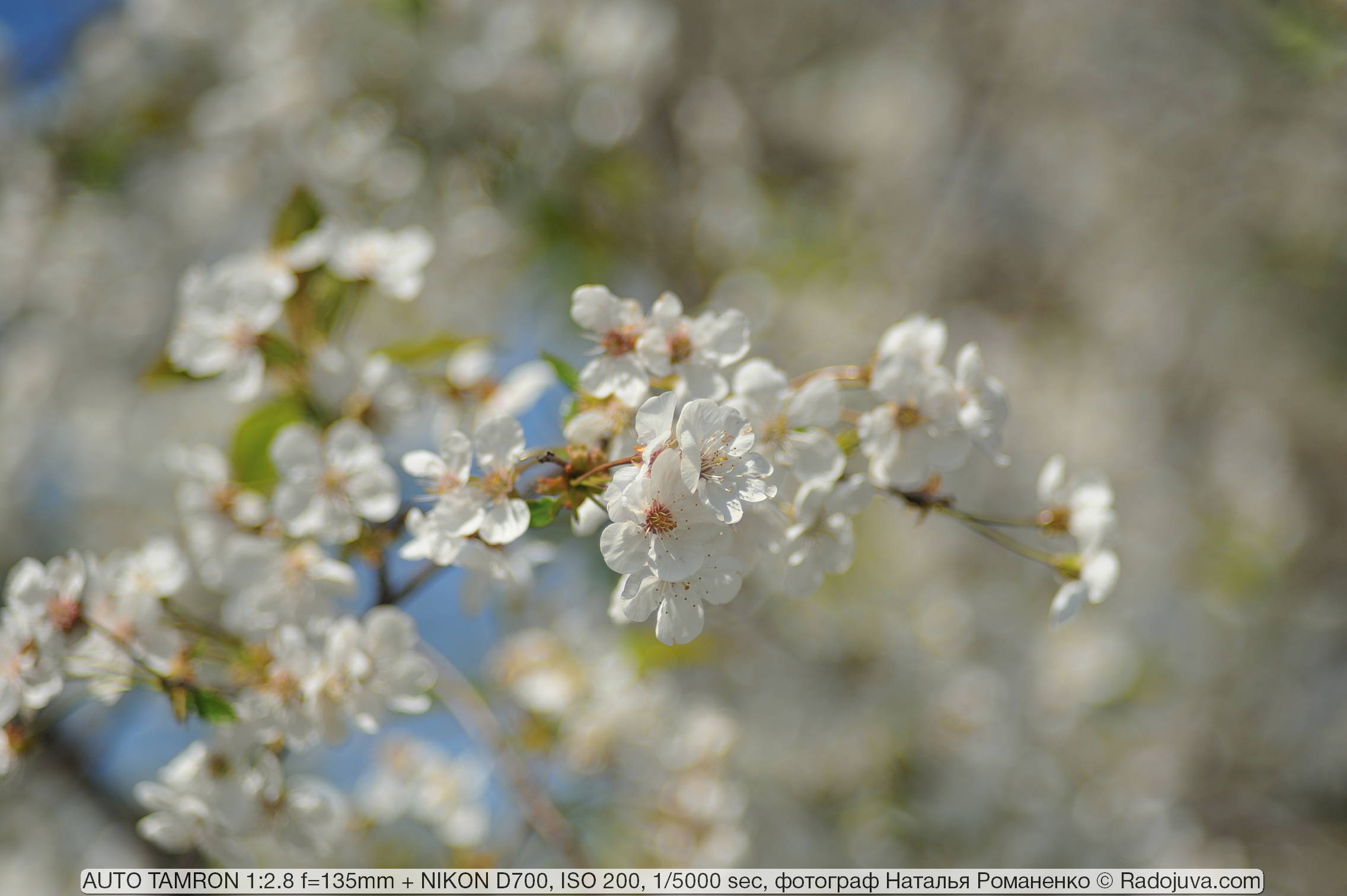
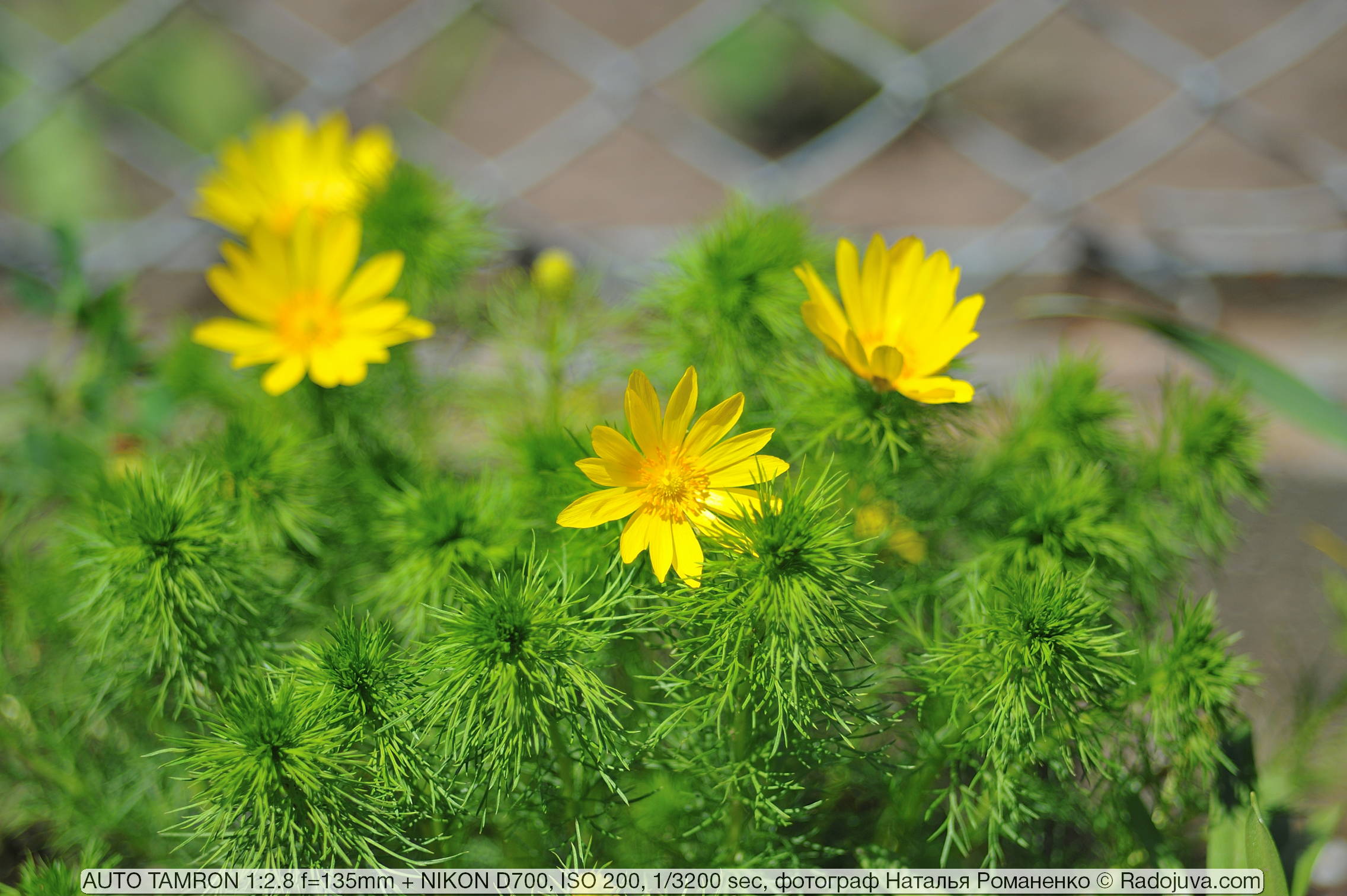
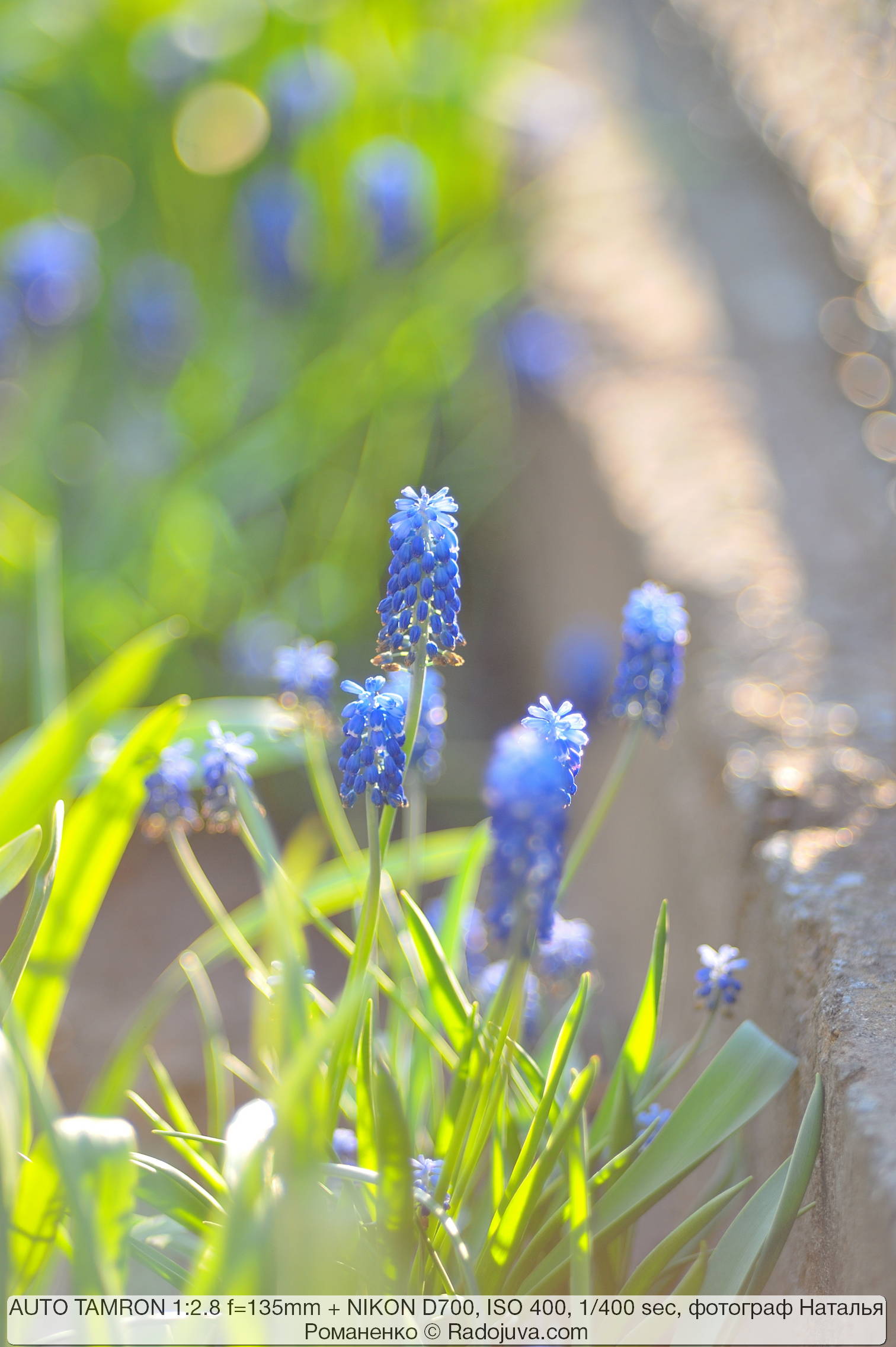

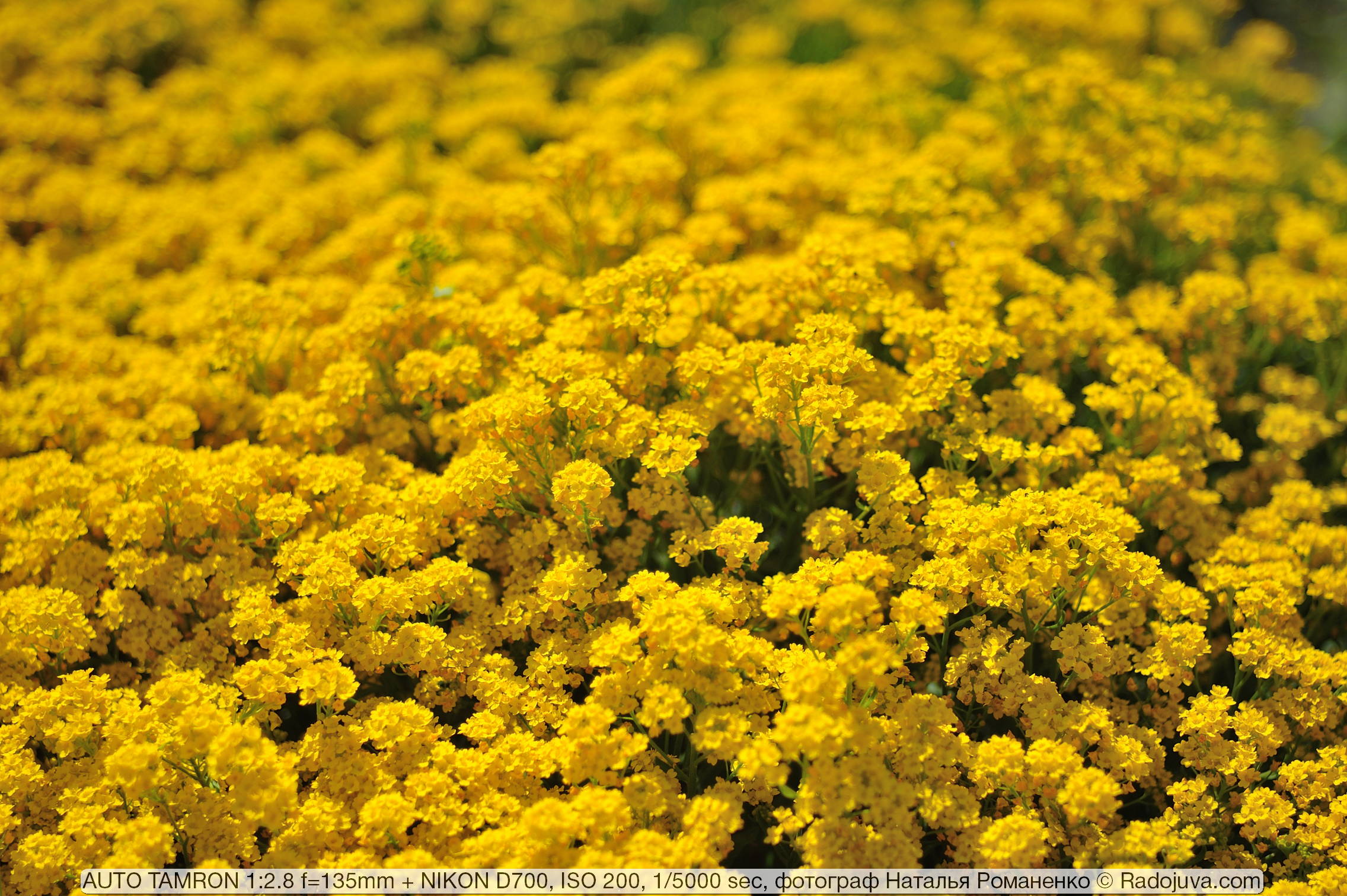
You can download the original RAW photos from the Nikon D700 at this link (45 files, 600 MB). Note that the EXIF data always shows F/2.8, but the images were taken at different apertures.
AUTO TAMRON 1: 2.8 f = 135mm (Adapt-A-Matic)
How to use with modern cameras?
Lenses with mounting thread M42 (M42 X 1 / 45.5), such as the lens from this review, are very easy to use on almost any modern digital camera (both SLR and mirrorless), for this it is enough to choose the right adapter (adapter). You do not need to carry out any additional steps to modify the lens.
There are adapters with a chip that provide greater convenience during shooting. These chips are typically used for focus confirmation and/or exposure metering, as well as for generating correct EXIF data. The presence of a chip does not affect image quality in any way.
For some SLR cameras (for example, with the Nikon F-mount), you need to use adapters with a corrective lens, which allows you to focus correctly at all focusing distances. For any mirrorless cameras, such a lens is not needed, and the adapter is a simple decorated hollow metal tube with an appropriate mount.
For SLR cameras
- CANON EF/EF-S: Adapter M42 -> EF/EF-S [AMAZON]
- NIKON: M42 adapter -> Nikon F/Nikon AI [AMAZON]
- PENTAX: Adapter M42 -> Pentax K [AMAZON]
- SONY/MINOLTA: Adapter M42 -> Sony A [AMAZON]
- OLYMPUS/PANASONIC/LEICA: adapter M42 -> 4/3 [AMAZON]
For mirrorless cameras
- SONY: M42 -> Sony E [AMAZON].
- OLYMPUS / PANASONIC / KODAK / XIAOMI: M42 -> MFT [AMAZON].
- Canon EF-M: M42 -> EF-M [AMAZON].
- CANON R and RF-S: M42 -> EOS R [AMAZON].
- Nikon 1: M42 -> N1 [AMAZON].
- Nikon Z: M42 -> Z [AMAZON].
- FUJIFILM X: M42 -> X [AMAZON].
- FUJIFILM GFX: M42 -> GFX [AMAZON].
- SAMSUNG NX: M42 -> NX [AMAZON].
- SIGMA / PANASONIC / LEICA: M42 -> Leica L [AMAZON].
- LEICA: M42 -> Leica M [AMAZON].
If you have any questions on compatibility and adapters - ask in the comments (comments do not require any registration at all).
Conclusion
AUTO TAMRON 1: 2.8 f = 135mm a brilliant representative of its time. Another old 135-piece, quite suitable for use today. Very smooth focusing, built-in retractable hood, unique design, nine aperture blades - all this makes the AUTO TAMRON 1: 2.8 f = 135mm lens with its own charm.
Comments on this post do not require registration. Anyone can leave a comment.This material was prepared by Arkady Shapoval . The greatest support for the site is if you use links on this site, such as Amazon , when purchasing anything . It costs you nothing, but for this site, and therefore for my family, it's the main source of support.
I love tamrons. They have released a lot of useful things ... Thanks Arkady for the review!
It seems that this one will be better than Japanese-Korean know-names. And even more interesting than Soviet Tahir, perhaps)
Arkady, thanks for the review! I thought that this lens is so rare that there will be no review on it :) I got this one a year ago, a man was selling all his old lenses from the 1960s-1970s. It was cheap and in excellent condition. Indeed, he is assembled perfectly. The focus ring travel is one of the best I have tried. Perhaps, only the Yashika ML 50mm f / 1.4 has the same oil stroke as this Tamron. The image gives a peculiar, great for portraits, but otherwise so-so. The aberrations are bothering, often there is not enough sharpness in the open, but you do not want to cover up, because spoil boke. In general, the lens is more for the collection and for the enthusiast who wants something artistic rather than commercially correct.
“The image gives a peculiar, for portraits is great, but otherwise so-so. The aberrations are bothering, often there is not enough sharpness in the open, but you do not want to cover up, because spoil boke. In general, the lens is more for the collection and for the enthusiast who wants something artistic rather than commercially correct. ”
In my opinion, you just described Tair-11) The only thing is that the bokeh does not deteriorate due to the circular diaphragm.
The majority of 135mm lenses of the 1970s can be characterized in approximately the same way :) But the property of Tair's boke, which has a multi-blade diaphragm, characterizes it very positively among other similar ones. Plus Tamron - build quality and “oily” focusing - here he is definitely better than Tair
Yes, and about the Soviet Tair - no, no, Tair is very good in its own way, I would not trade him for Tamron. No wonder it costs a little more. His boke is definitely nicer for portraits.
Tsikaviy ob'єktiv, ale mayuchi MC Jupiter-37AM 3,5 / 135 or Jupiter-37A 3,5 / 135, it is possible for mothers purely for a collection of uninvited objects.
So does he still yellow or not yellow?) First, one is indicated, then another.
> Unfortunately AUTO TAMRON 1: 2.8 f = 135mm does not use multi-coating and slightly yellows / warms the picture.
> Despite its age and lack of multi-coating, AUTO TAMRON 1: 2.8 f = 135mm does not create the noticeable yellow / green tint in photographs that some older lenses do.
Fixed
Interesting lens, thanks for the review!
I have a copy of this lens labeled multi-c. how can you know this lens with interchangeable mount or not?
hello Lyudmila,
If your lens is marked multi- c it is very likely not an Adapt-a-matic but a Tamron Adaptall 1 type, which all had interchangeable mounts. If you look at your lens at the rear mount, there is a small lever (usually silver in colour). If you press that lever down towards the center of the mount and twist anti-clockwise, then that should release the Adaptall mount from the lens. To refit it, just line up the green dot on the mount and on the lens and turn clockwise.
I recently found this lens in my collection and I'd love to get an adapter to Nikon F mount so I can play with it on my Nikon D810.
Would anyone know where I may find an adapter?
It currently has a bayonet type adapter but it's larger than Nikon, may be an older Canon mount (not EOS), I'm not sure. I collect cameras but don't have any old Canon 35mm bodies I can try it on.
Hello Leo,
Some of the Adapt-a-matic lenses had fixed mounts, but some could be removed and a different camera mount put in its place. This is something I have never tried to do myself though I have read that it is not too difficult. However I also do not know if the Adapt-a-matics had a Nikon F mount at all. However I did find this (link below). You'd have to ask the seller if it is a Nikon F mount.
https://www.ebay.co.uk/itm/394145529897
There was an f/ 3.5 version of the 135mm Adapt-a-matic lenses though you won't find it listed here or on the excellent adaptall2.com website but it does exist. I'm fortunate enough to own one. It
I do also have the f/3.5 version.
There is hardly any information available about this lens.
I presume is a bit older than f/ 2.8 version
Lensnumber 673570. Any suggestions to find info?
Tell me, which manual 135 2.8 or 2.5 is the sharpest?
The newer, the better the brand, the usually sharper.