
FilmexPro is the only official Sigma distributor in Ukraine. You can purchase any Sigma lens at a low price and with an official two-year warranty.
The Sigma AF 14mm 1:3.5 for Nikon lens was provided for review by Crazy Nikolay.
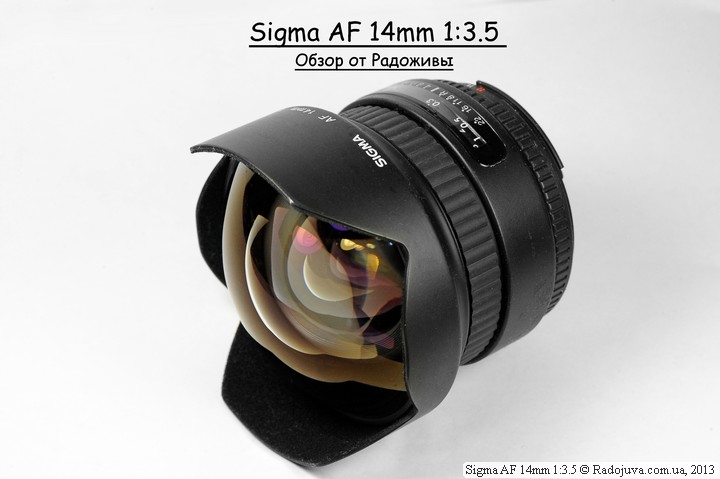
Sigma AF 14mm 1: 3.5 review
The Sigma AF 14mm 1:3.5 is a super-wide-angle lens for film cameras. A 14mm focal length is truly wide. The lens has a huge convex front element , which draws unnecessary attention to itself. This convex element prevents the use of filters with this lens.
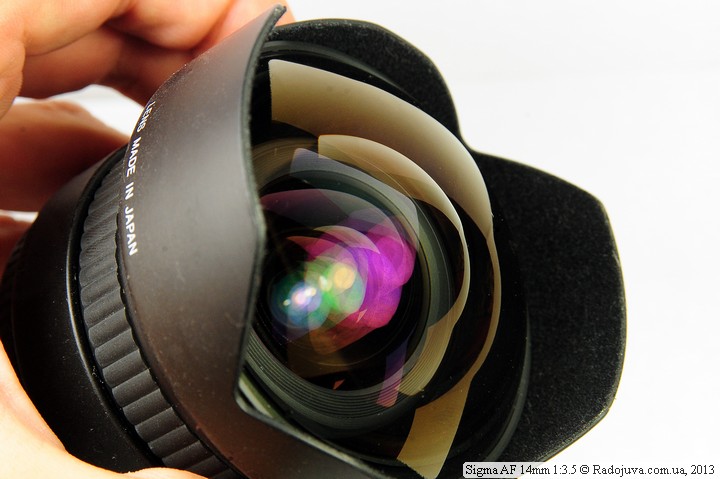
Sigma AF 14mm 1: 3.5 front convex lens
The lens has a very interesting front cap , which consists of two parts. The first part fits onto the lens like a "sleeve," and the second part is a regular 72mm diameter lens cap that fits over the "sleeve." The first part has fabric and rubber inserts that help the sleeve fit snugly onto the lens, but these same inserts make it a bit awkward to attach and remove. At first, I thought the lens might use filters that screw into the sleeve instead of a cap, but the first few shots with the sleeve (without the cap) produced strong vignetting across the entire image field. But there's great news: when using the Sigma AF 14mm 1:3.5 on a Nikon DX camera, the vignetting from the front cap's "sleeve" disappears, allowing the lens to accept 72mm diameter filters.
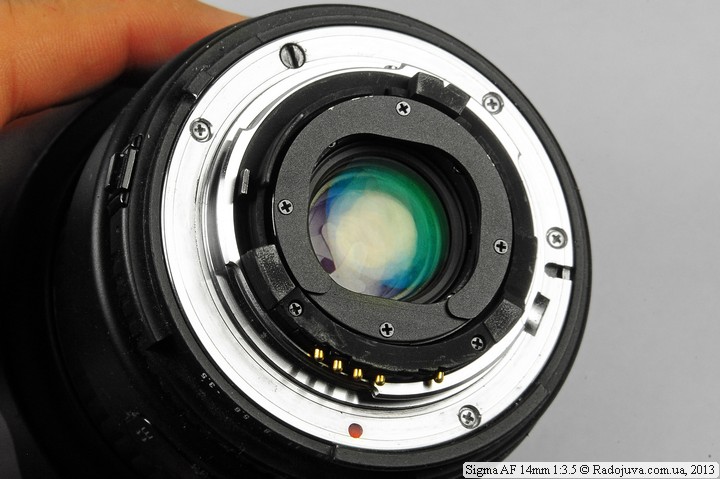
Sigma AF 14mm 1: 3.5 rear view
It is convenient to shoot landscapes, architecture with such a lens, and can be used for creative play with perspective. I was pleased that the lens has a slight distortion, especially considering the 14mm focal length.
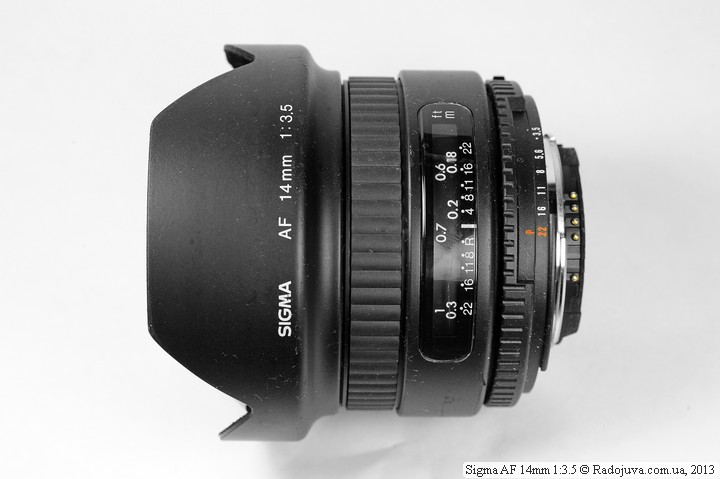
Sigma AF 14mm 1: 3.5 lens view
Autofocus speed is above average. The focus ring is rubberized and rotates 90 degrees. The lens features internal focusing ; only the rear element moves when focusing. The lens has a focusing distance scale and a depth-of-field scale. Infinity on the lens scale begins at 1 meter. The MFD is only 18 cm. There is an infrared shift mark. The lens has six aperture blades. The lens is very well assembled (made in Japan), is quite heavy, and looks very good on the camera.
Important : Autofocus with this lens is only available when used on cameras with a built-in focus motor.
The exact list of Nikon DSLR cameras with a built-in focus motor on which this lens will autofocus:
- D1, D1h, D1x, D2x, D2xs, D2h, D2hs
- D3, D3x, D3s, D4, D4s, D5, D6
- Df
- D50, D70, D70s, D80, D90
- D7000, D7100, D7200,D7500
- D100, D200, D300, D300s,D500
- D600, D610, D750, D780
- D700, D800,D800E, D810, D810a, D850
- Fujifilm FinePix S1 Pro, S2 Pro, S3 ProS3 Pro UVIR, S5 ProIS Pro
- Kodak DCS PRO 14n, DCS Pro SLR/n
The exact list of Nikon DSLRs without a built-in focus motor on which this lens will not autofocus:
Only auto focus and sound confirmation of focus will not work with these cameras, all other important functions, such as automatic exposure metering and automatic iris control, will work well.
You can find a lot of useful information about Nikon camera types and lenses here.
For the lens to work properly on modern Nikon cameras, you need to set the F / 22 value using the iris control ring on the lens itself and snap the aperture lock button.
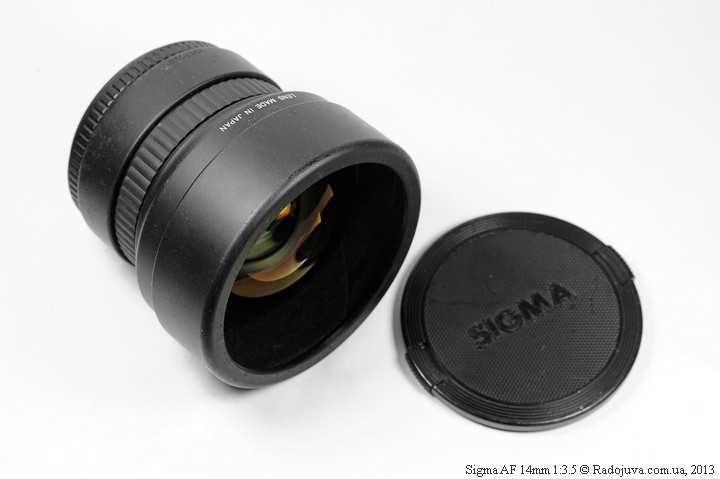
Sigma AF 14mm 1: 3.5 with the first part of the cap on
Sample Photos
The lens is sharp in the center of the image, but sharpness drops off noticeably towards the edges. Sharpness also drops off across the entire image field at f/22. The Sigma AF 14/3.5 exhibits significant vignetting, even at stopped-down apertures. The lens's weakest point is low contrast and its strong sensitivity to backlight and side light. Light sources in the frame create a strong haze. My Nikon D700 had serious metering issues. It seems to me that the lens's true aperture is much slower than f/3.5. Perhaps I just got a defective copy.
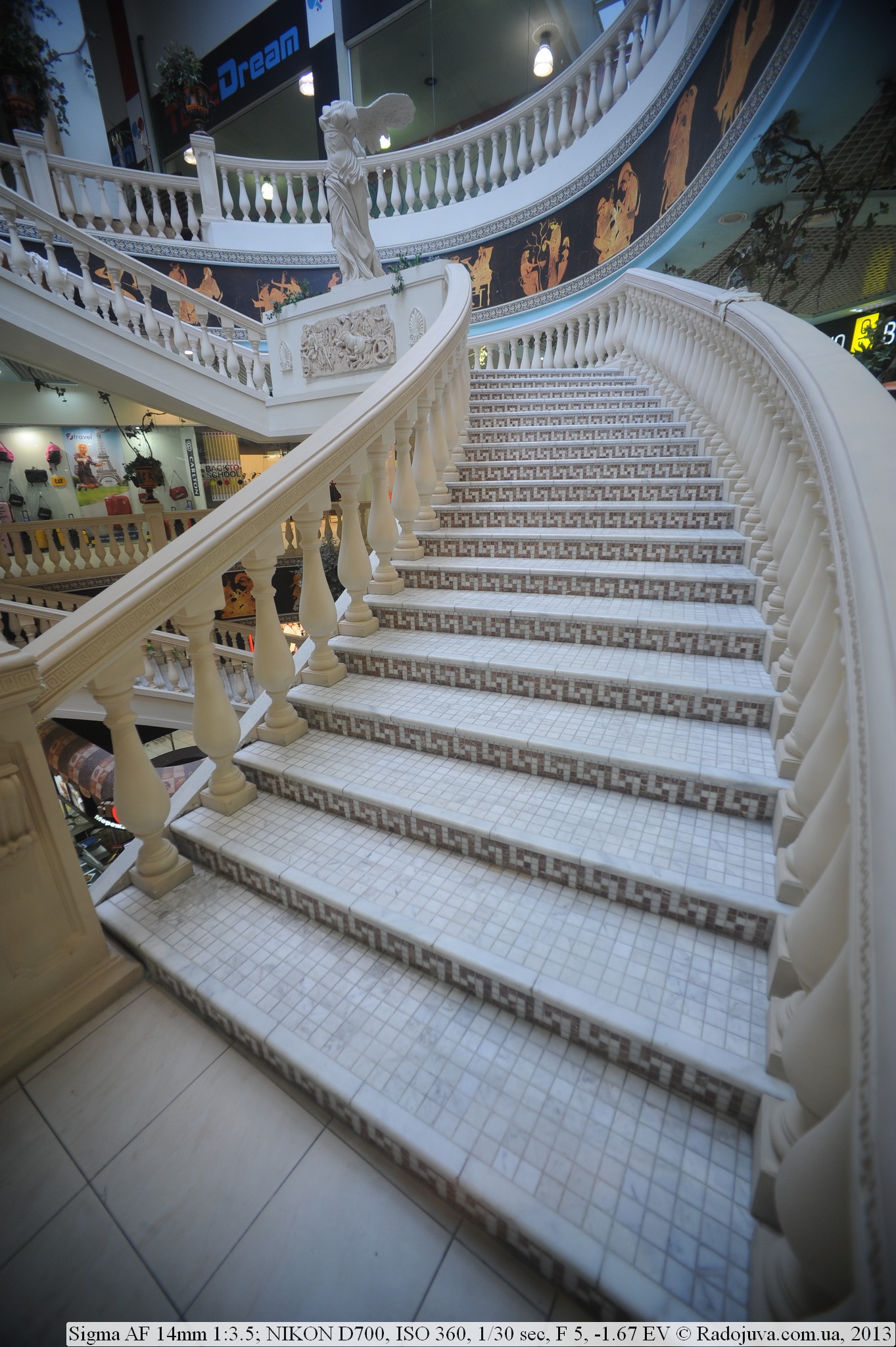
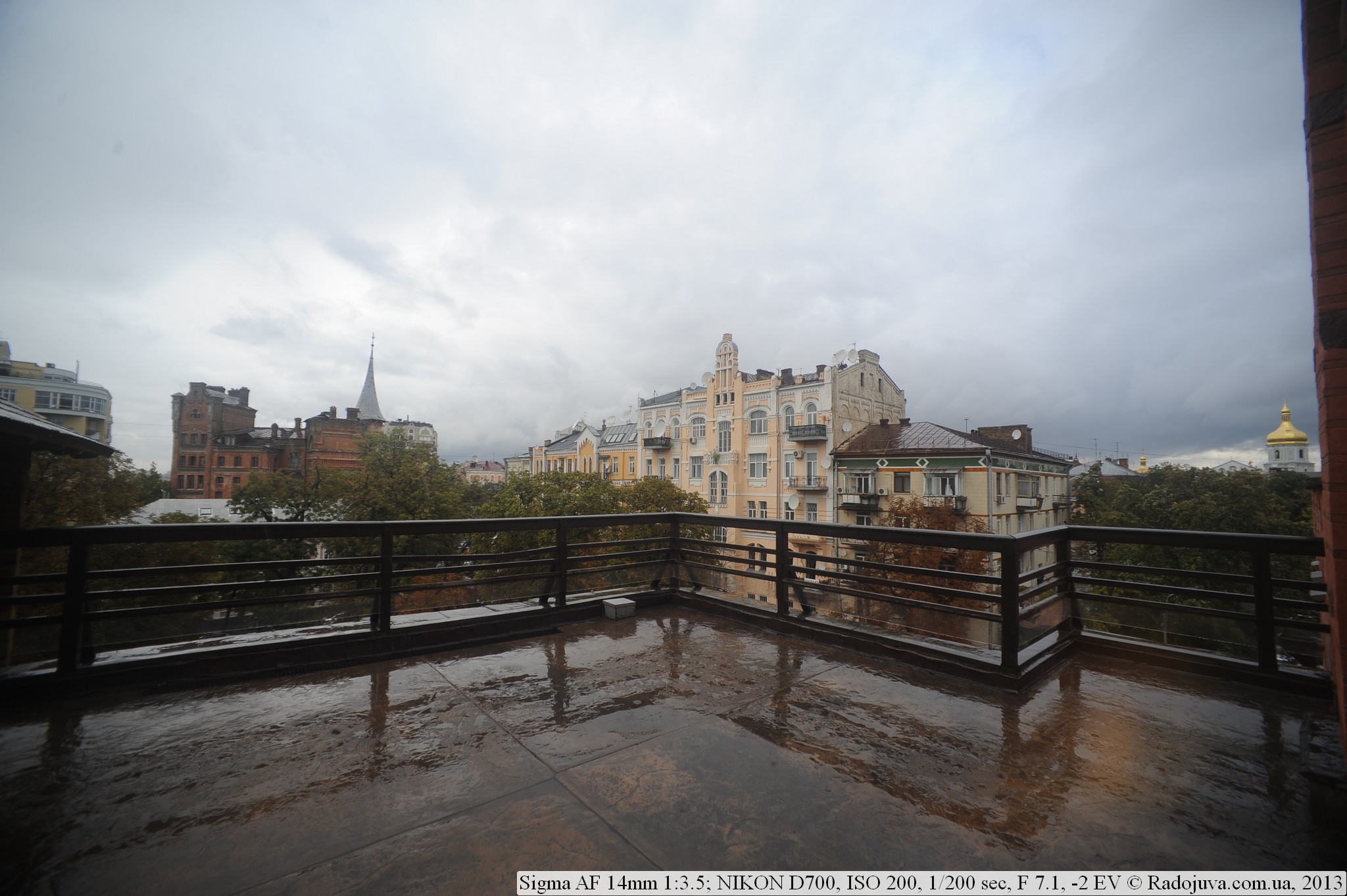
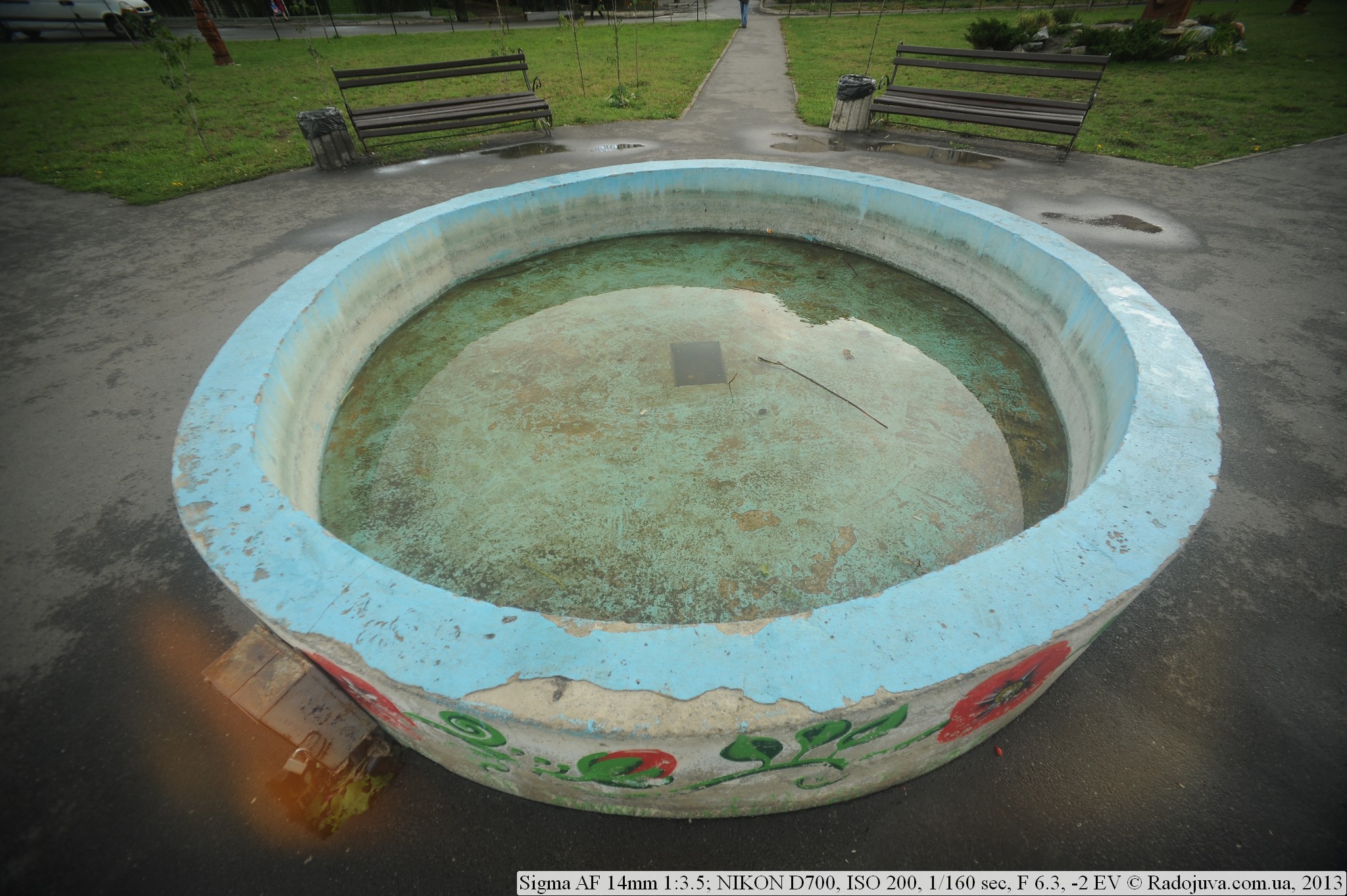
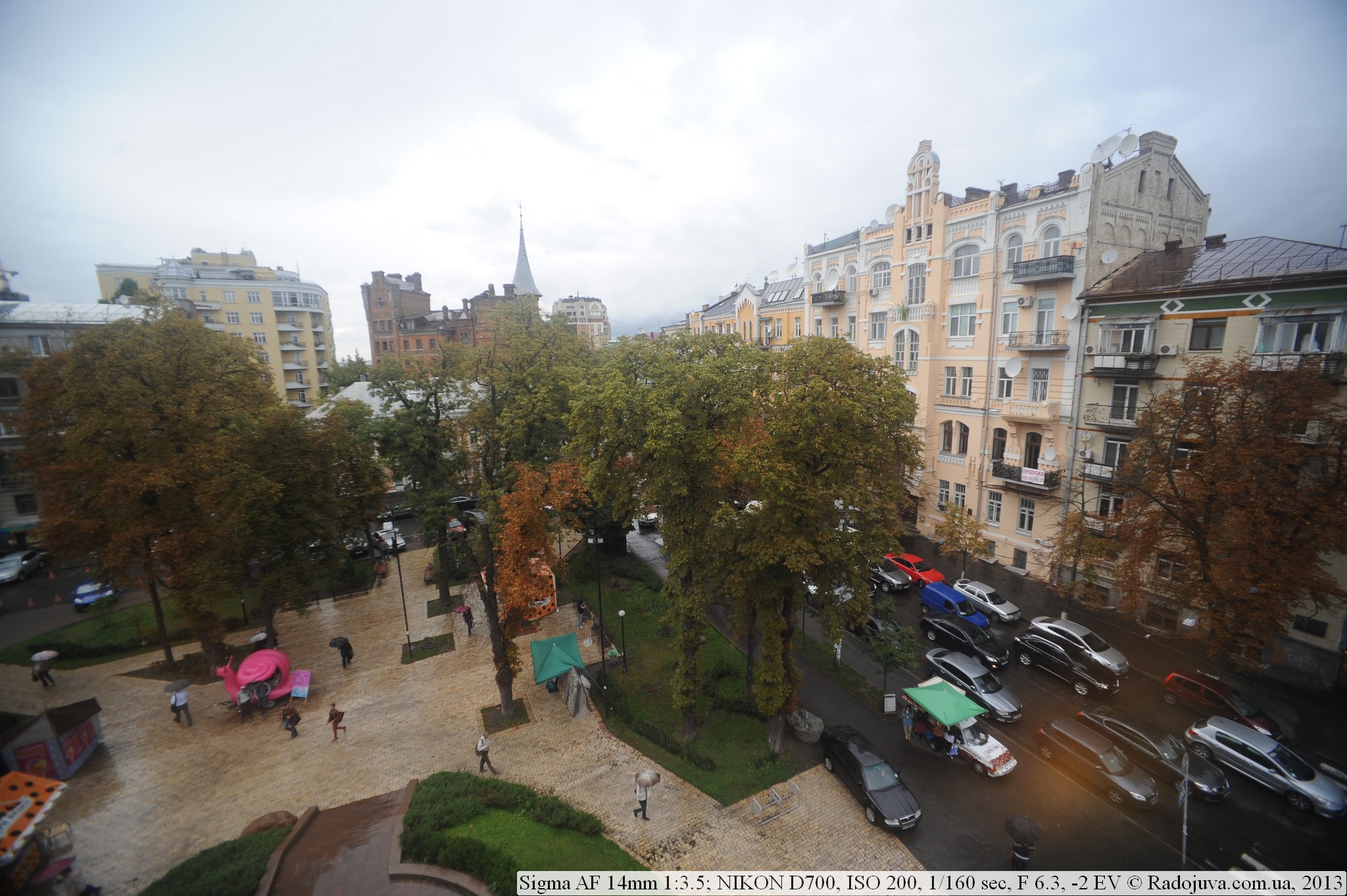
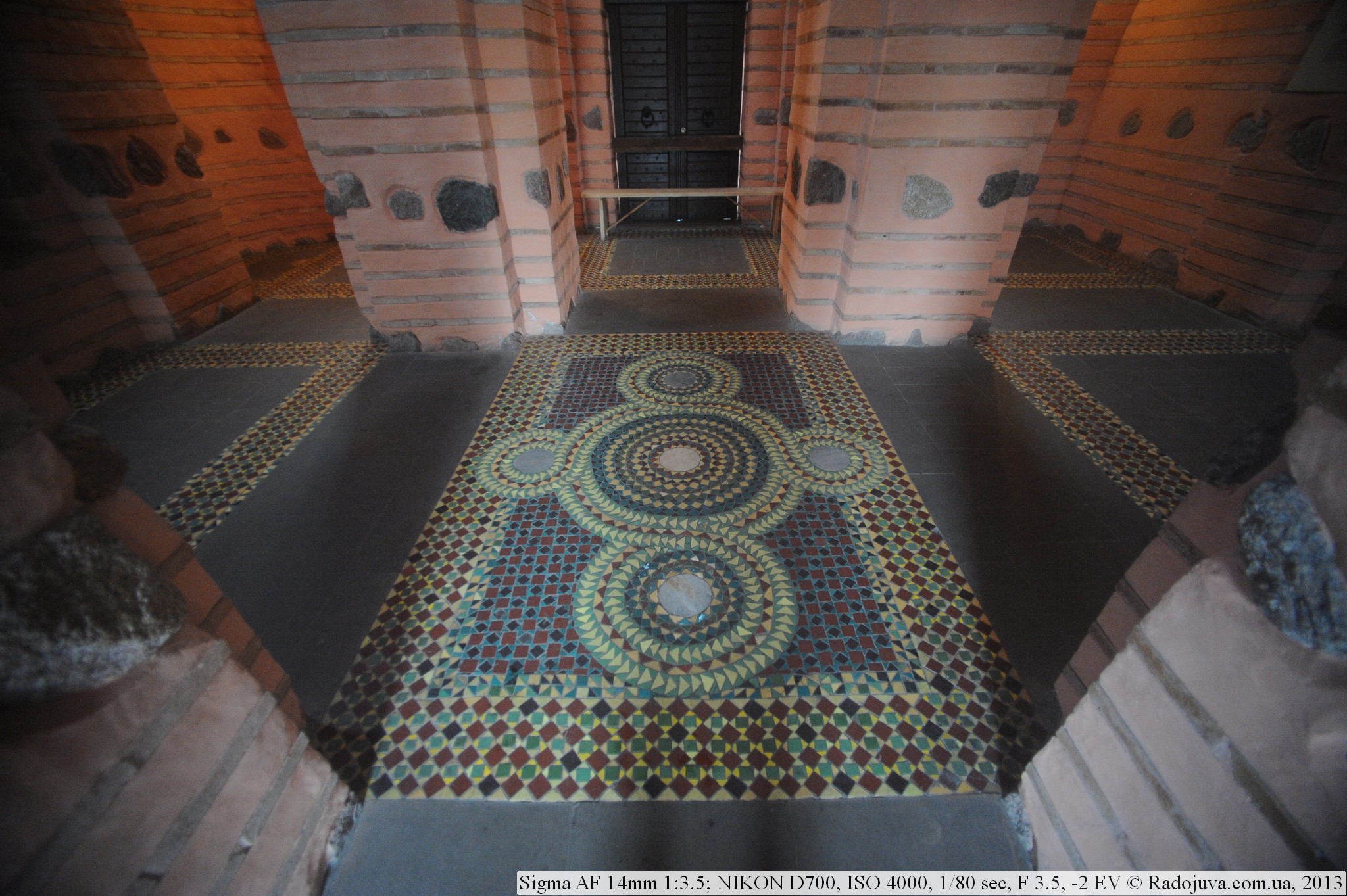
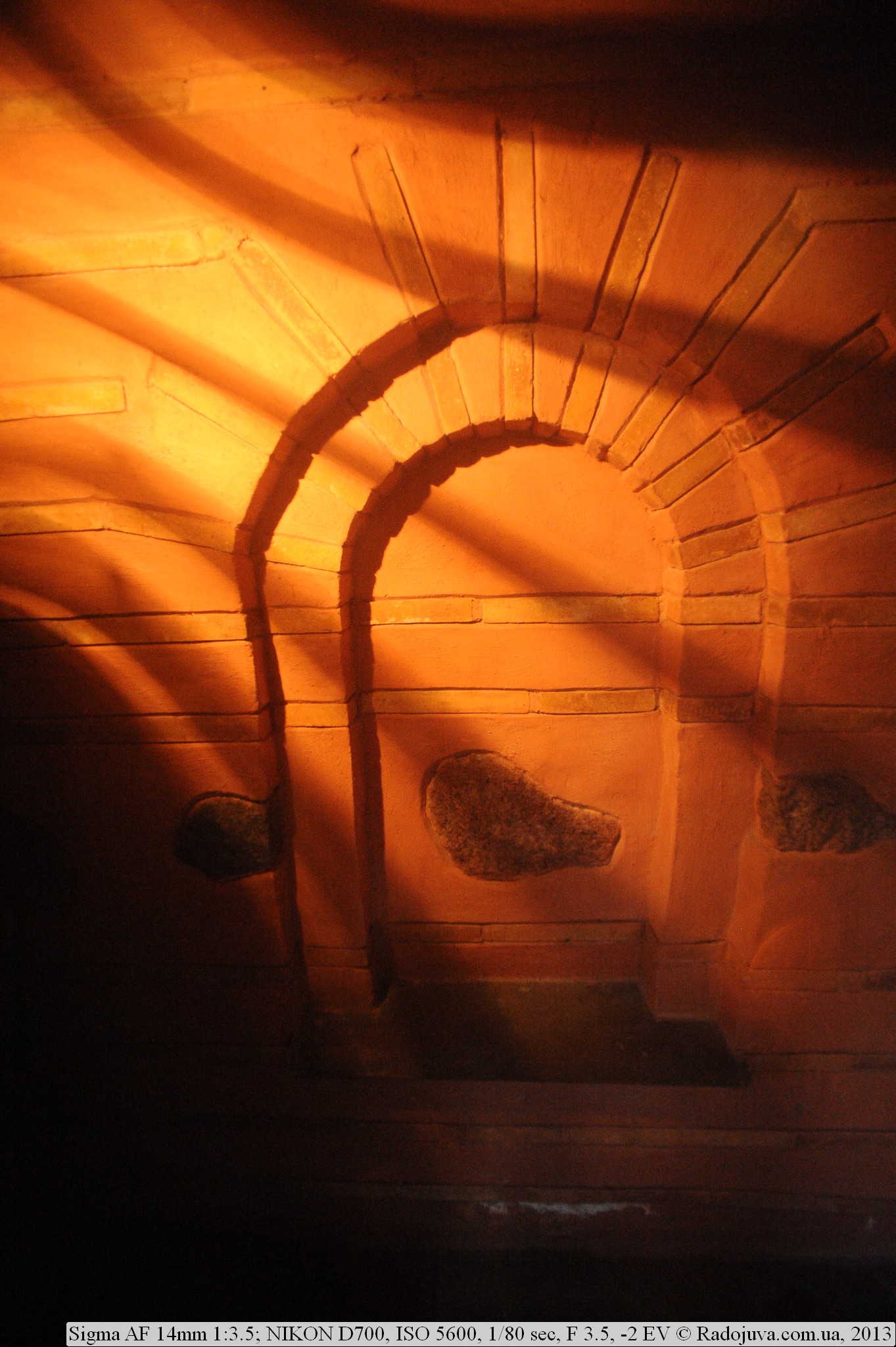

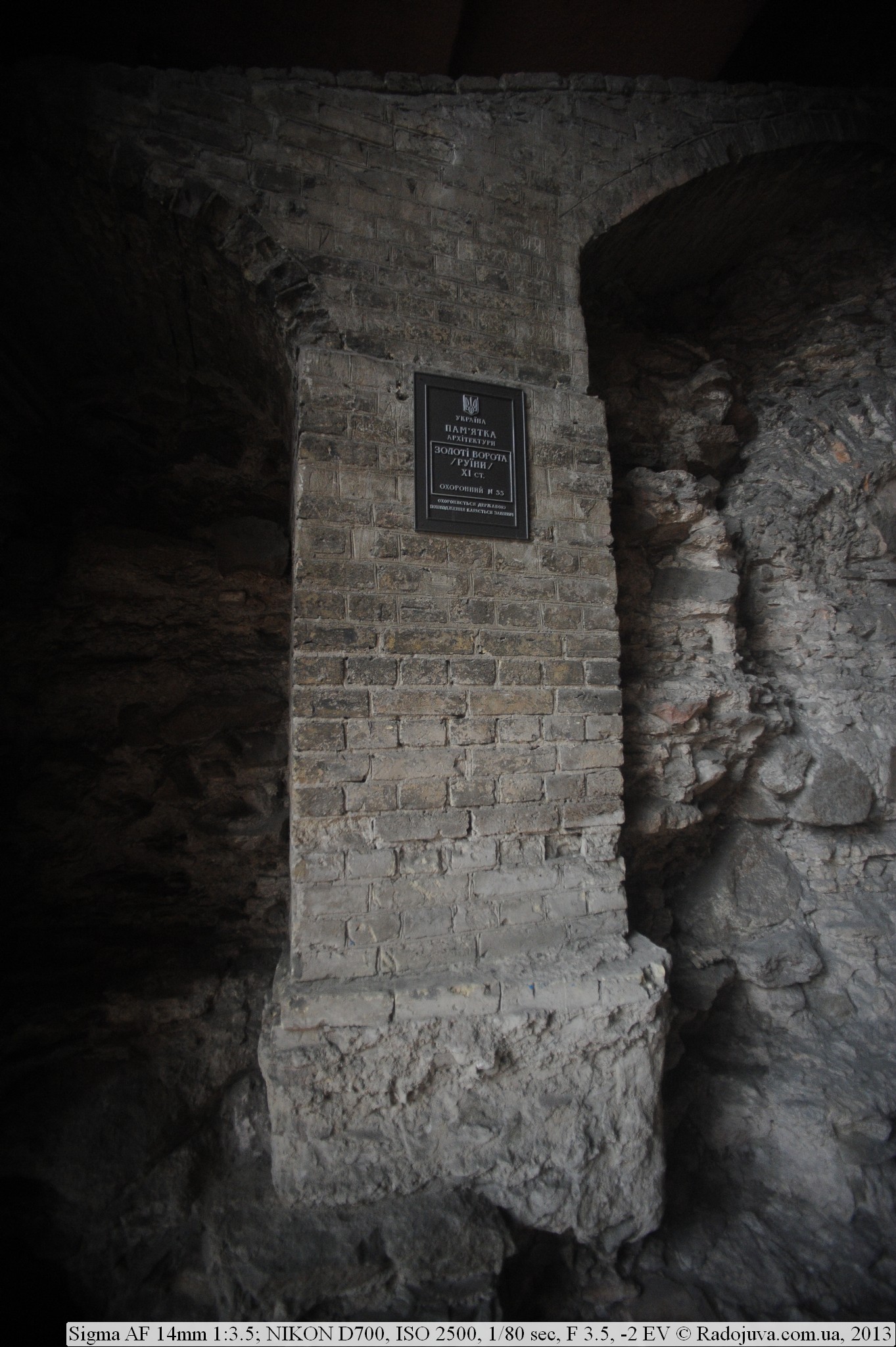
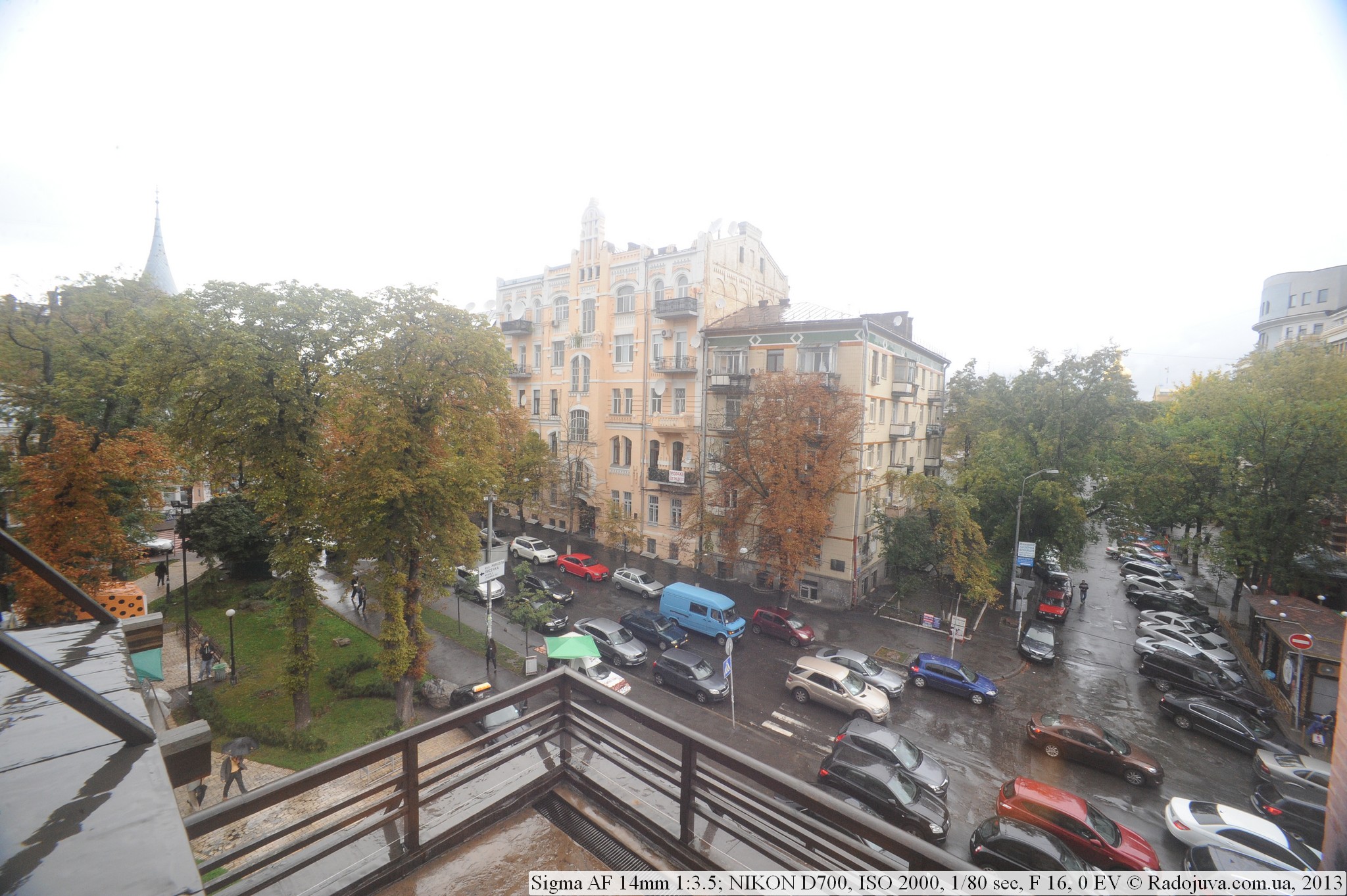
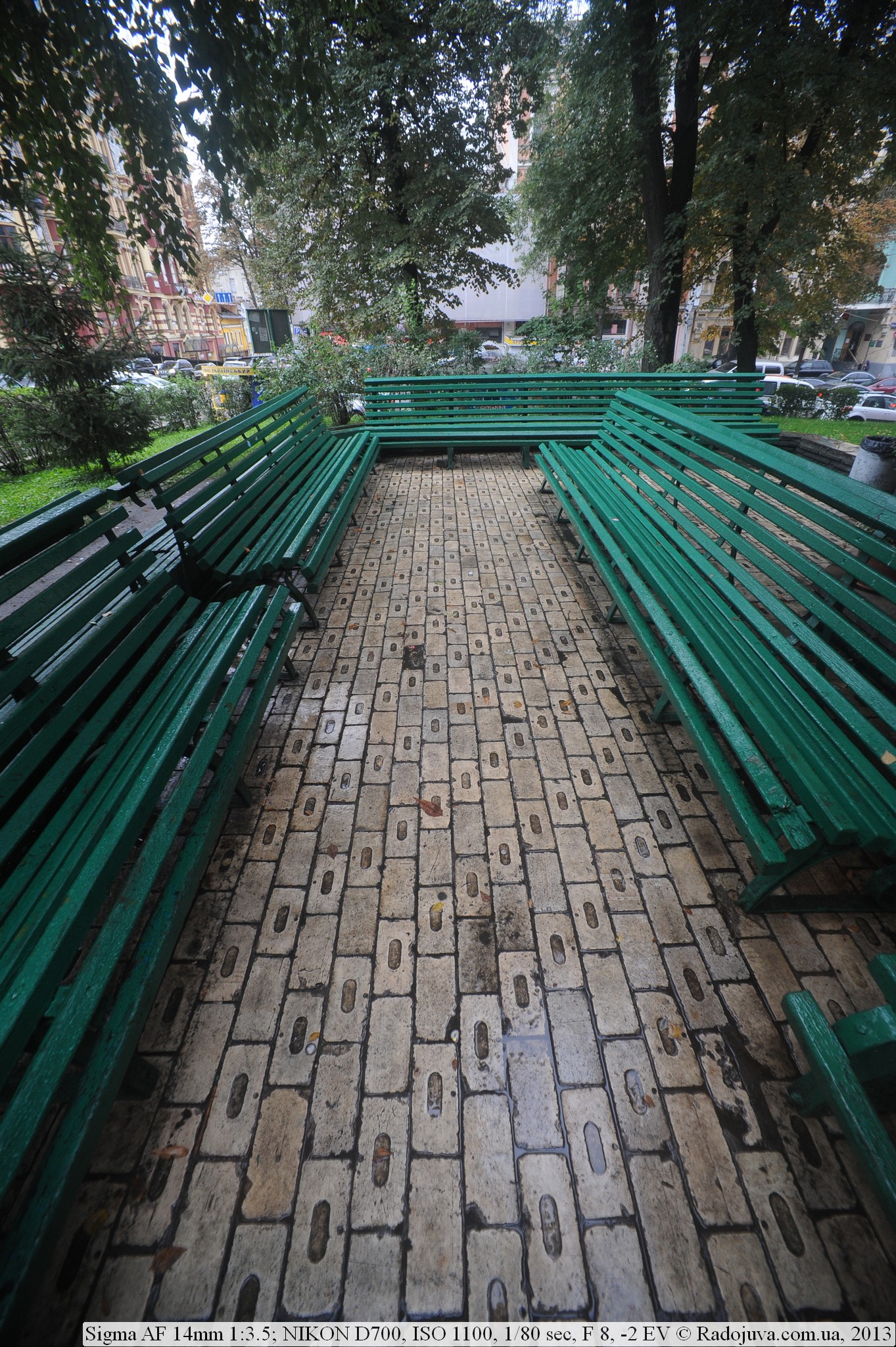
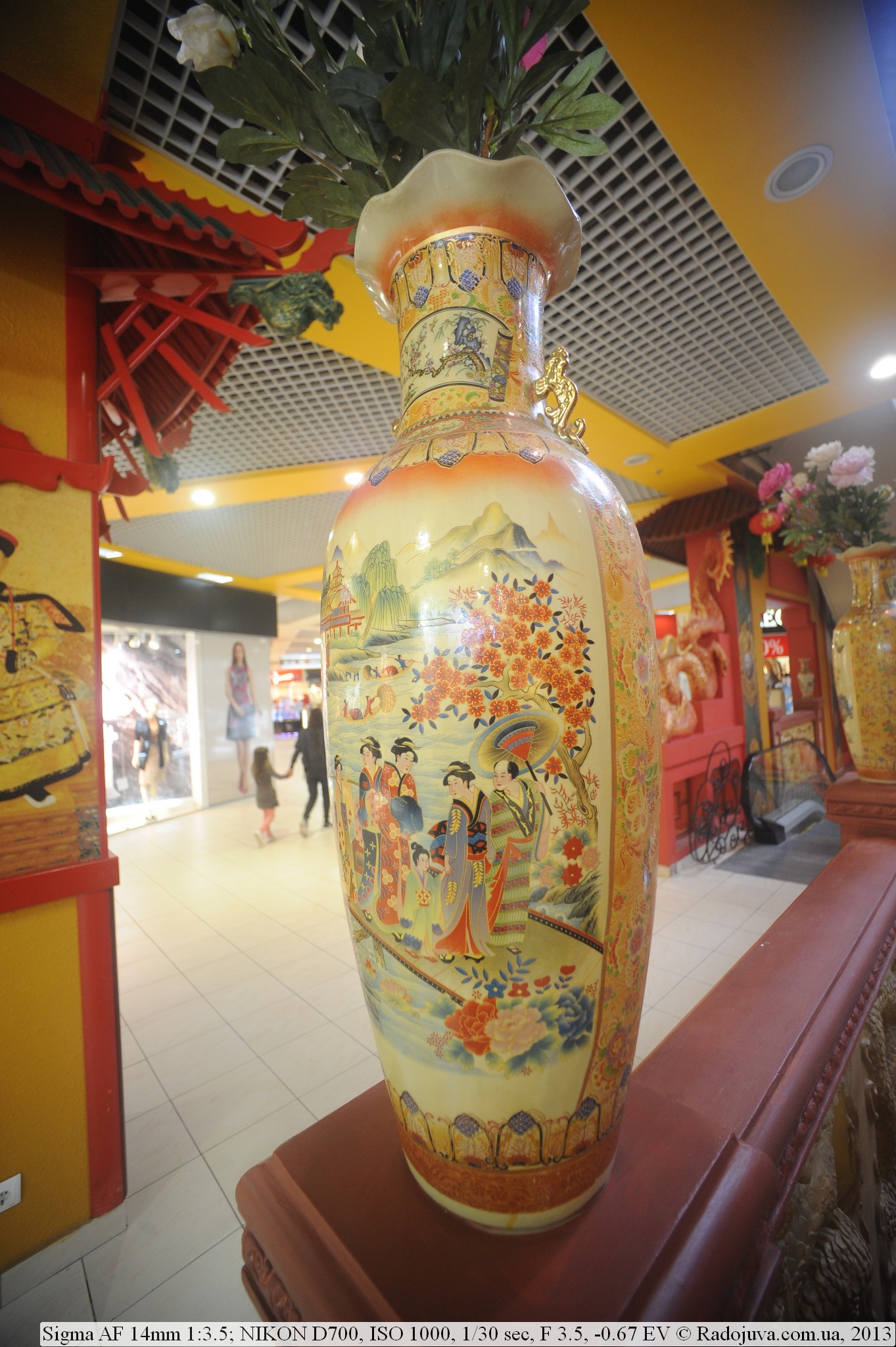
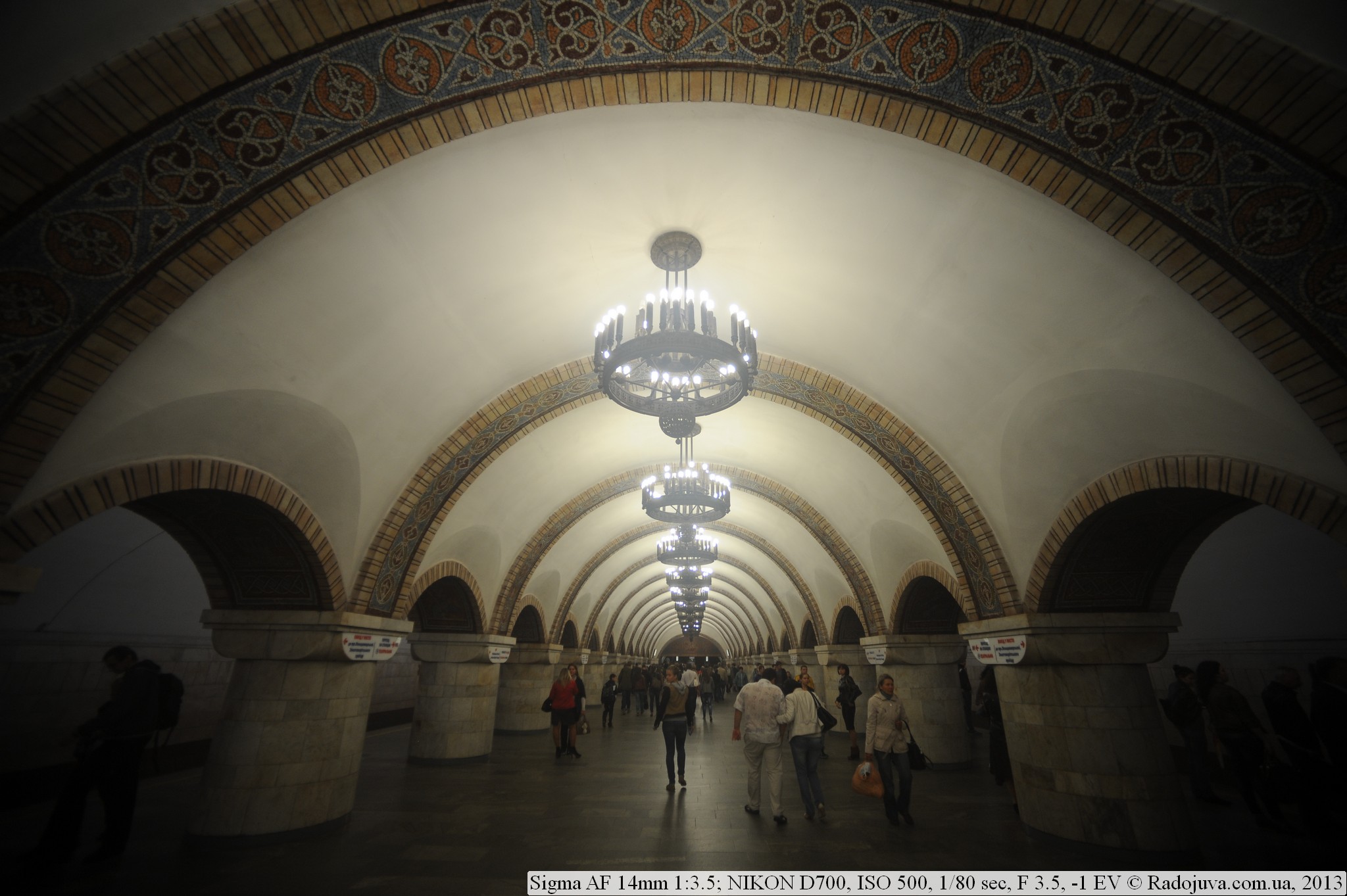

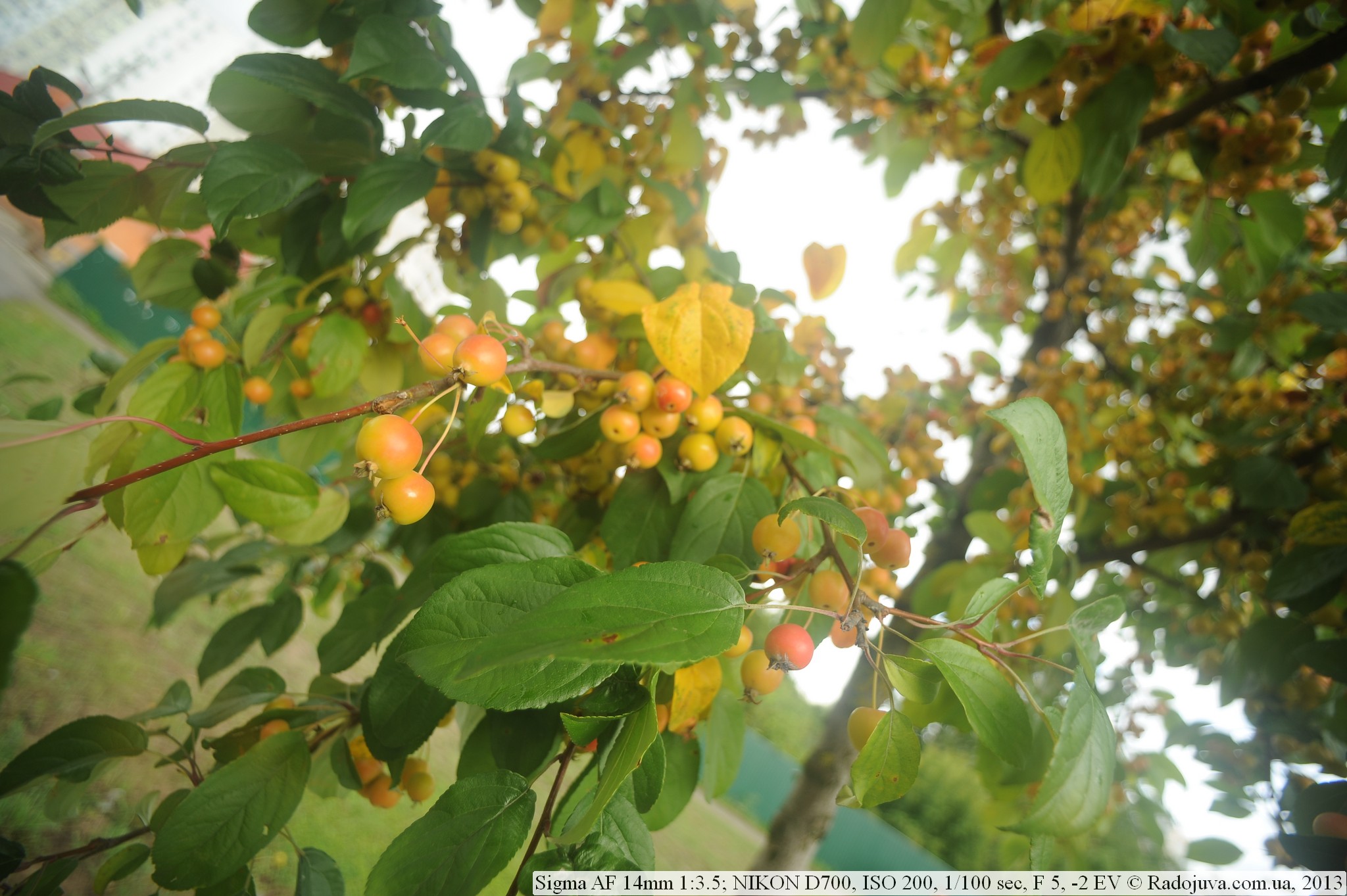

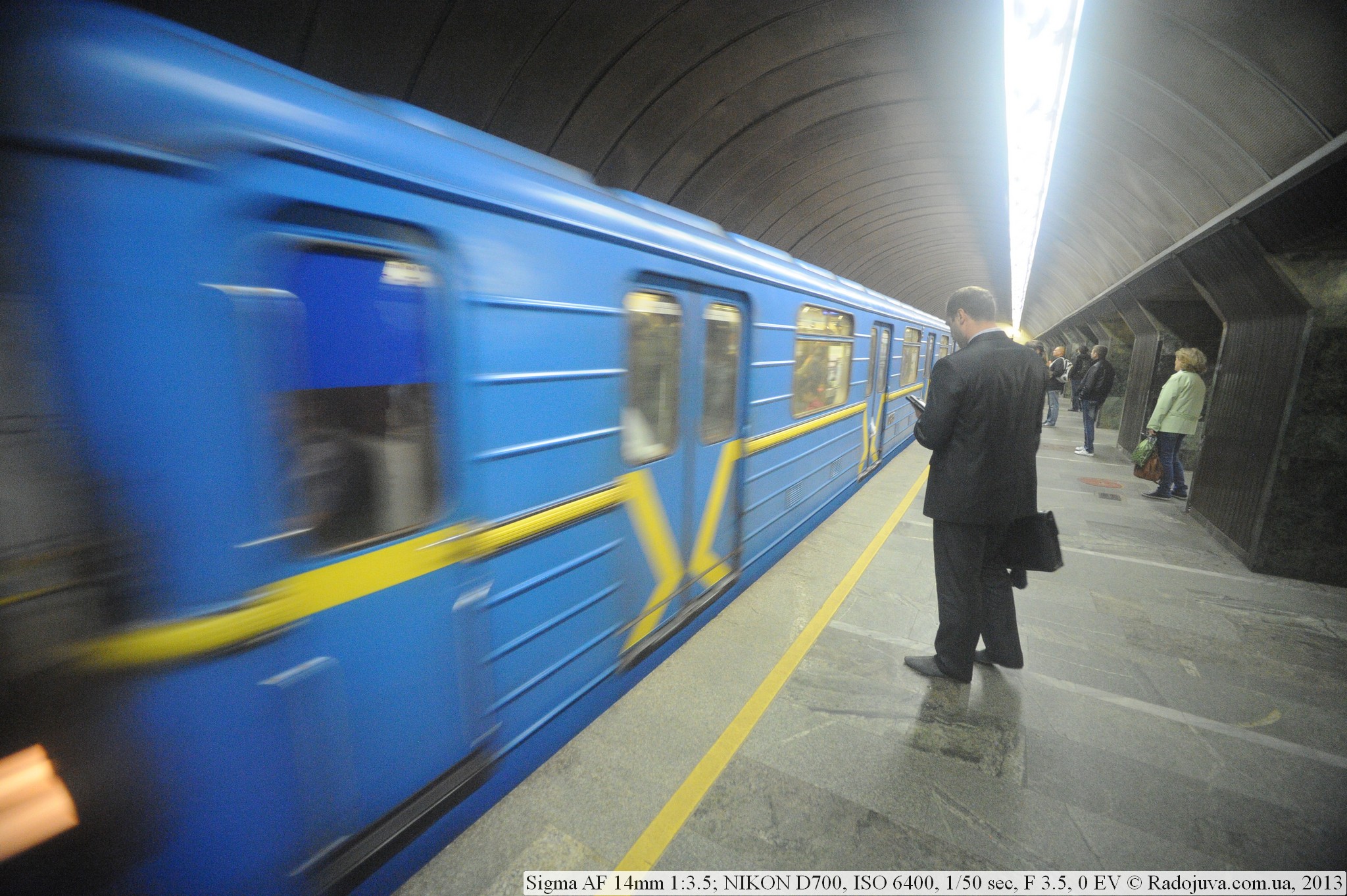

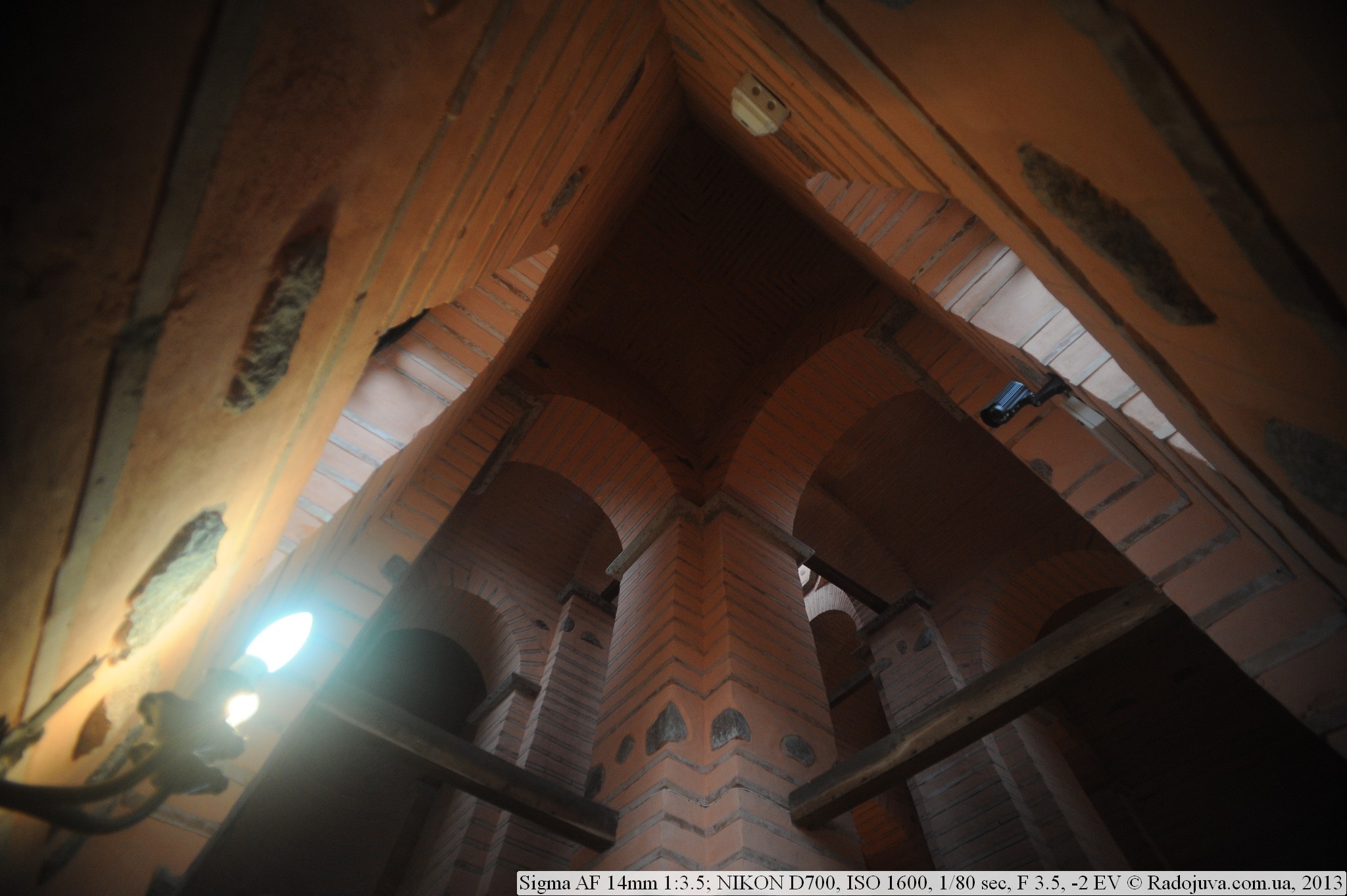
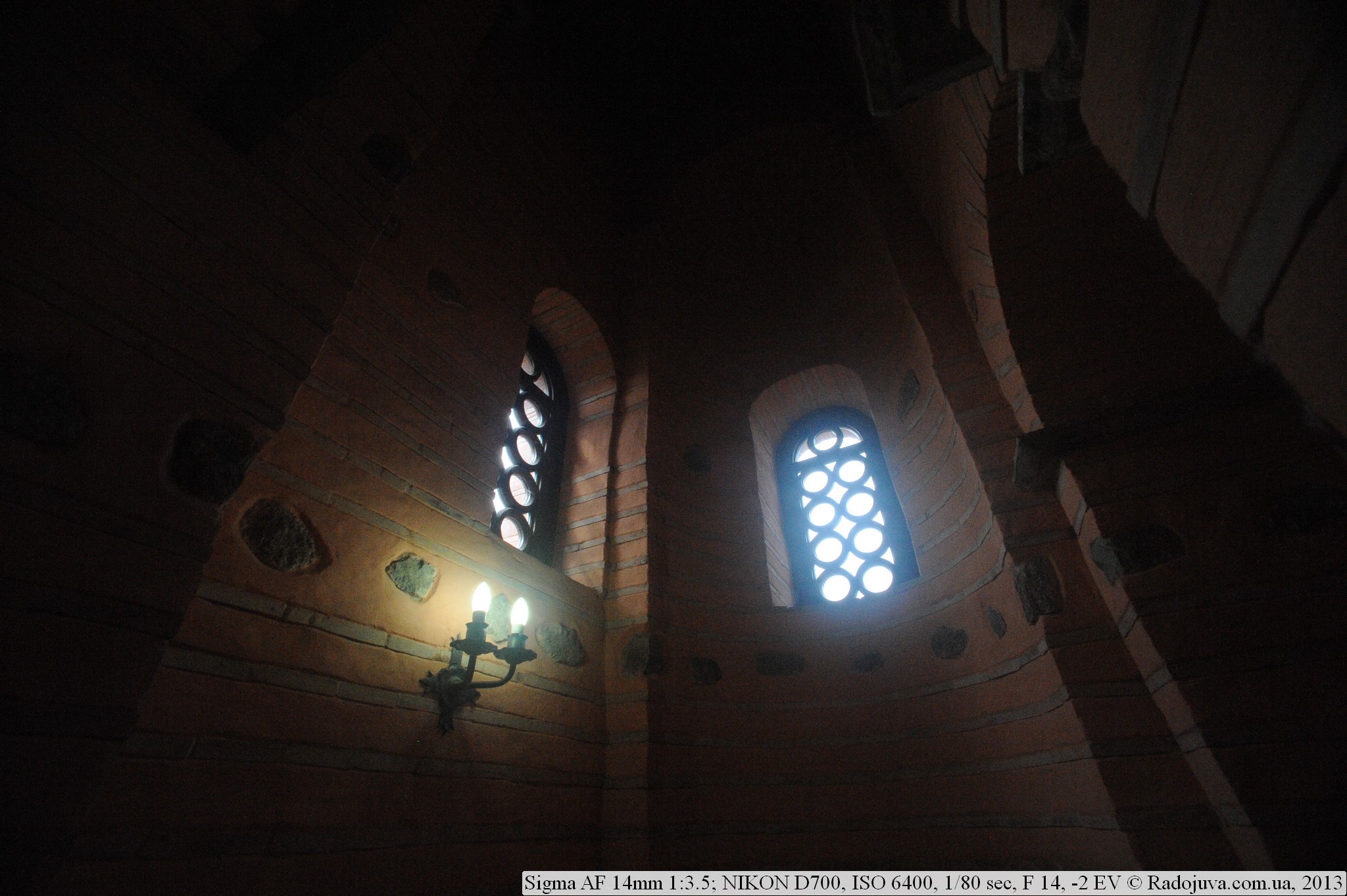
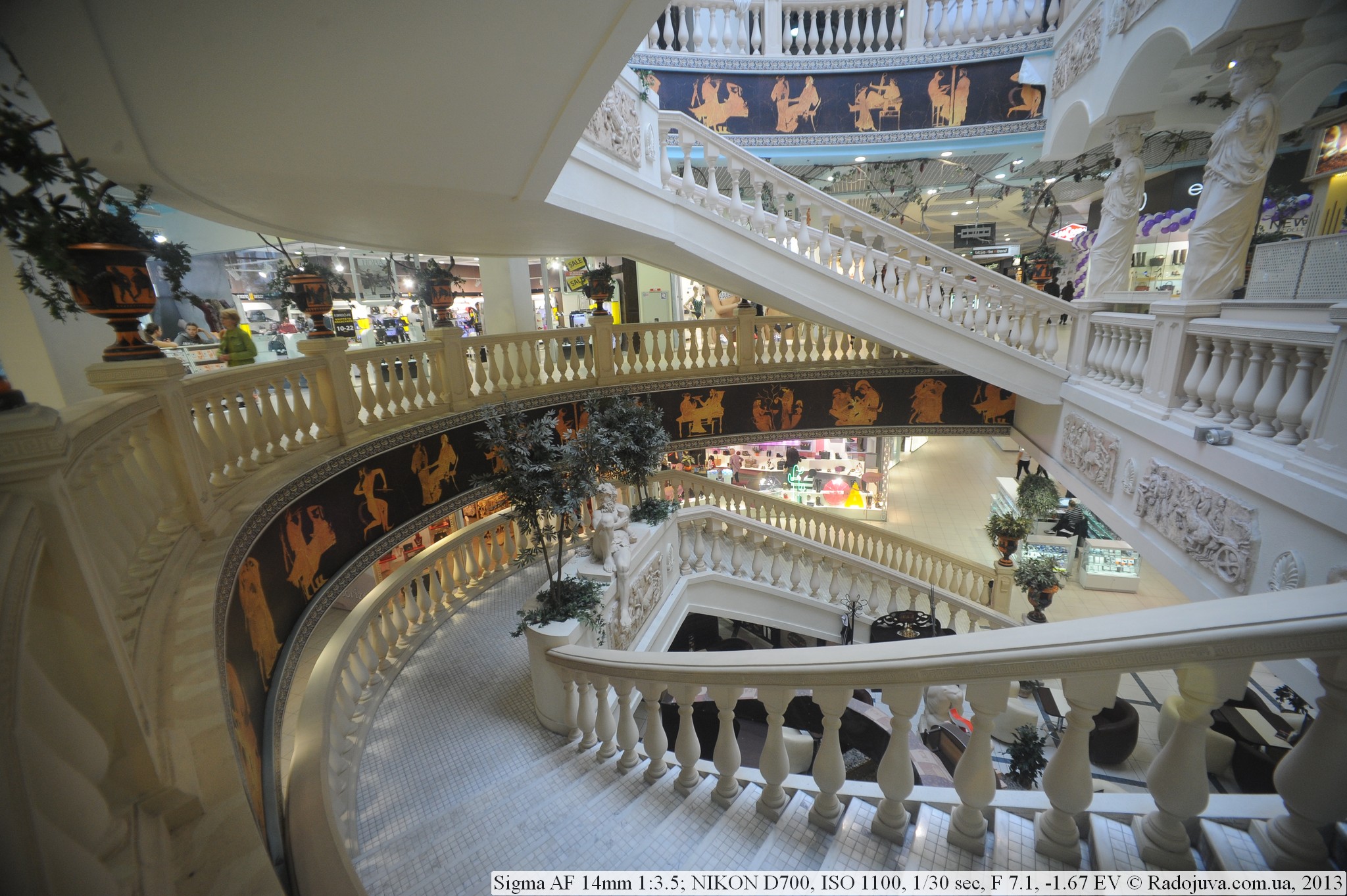
The parameters shown in the photo gallery:
All shots were taken on a Nikon D700 . On-camera JPEG L ('optimal quality' compression). Image-enhancing features such as vignette control, ADL , long exposure noise reduction, and high ISO noise reduction were turned off. All shots were taken in SD Picture Control (standard): contrast adjustments: 0, brightness adjustments: 0, saturation adjustments: 0, hue adjustments: 0, sharpness adjustments: position 5 between 0 and 9. White balance settings were 'Auto' and 'Cloudy'. The photos were resized to 2048px by 1363px (approximately 3MP) using FastStone Photo Resizer 3.0. The resizing was done at a quality setting of 85% of the original and the Lanczos3 compression method.
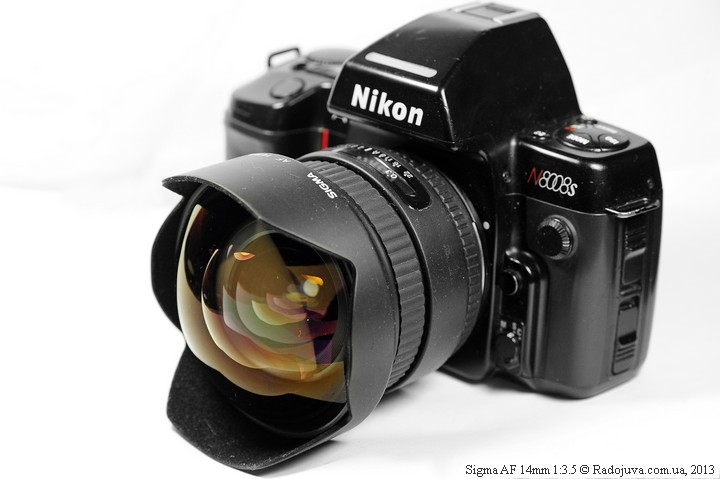
Sigma AF 14mm 1: 3.5 on ZK
My lens experience
Shooting with an ultra-wide-angle lens requires skill; it's not easy. The Sigma AF 14mm 1:3.5 turned out to be a truly weak lens. The inexpensive manual Samyang 14mm 1:2.8 ED AS IF is optically significantly better and has a faster aperture , which is why I recommend it as an ultra-wide-angle lens for full-frame cameras for amateur use. And for serious photography, the Nikon AF-S 14-24/2.8 is unrivaled. Incidentally, Sigma is a record-breaker in many ways. In the pursuit of wide-angle, Sigma is once again the winner – the company has an autofocus lens that can use a 12mm focal length on full frame – the Sigma AF 12-24mm F4.5-5.6 EX DG Asherical HSM.
On Nikon DX cameras , the Sigma AF 14/3.5 equivalent focal length is equivalent to 21mm. I don't recommend this lens for Nikon DX cameras; for crop-sensor cameras, there's an excellent option: the Tokina AT-X 116 PRO SD 11-16mm F2.8 (IF) DX II Aspherical.
Conclusions
The Sigma AF 14mm 1: 3.5 is an ambiguous lens. The strengths are excellent assembly and a normal level of distortion. Among the shortcomings - a strong fear of backlight and low contrast.
This material was prepared by Arkady Shapoval . The greatest support for the site is if you use links on this site, such as Amazon , when purchasing anything . It costs you nothing, but for this site, and therefore for my family, it's the main source of support.

The photographs give the impression that the lenses are dirty ...
The lenses are clean enough. But the image from the lens simply “crumbles”.
“… And for serious shooting, nothing better than Nikon AF-S 14-24 / 2.8 has not yet been invented…”, - I tried this, indeed, even on a crop, it sits well, looks nice and works great. What is the front lens :))… The lens is, yes, very convex, but Lee filters are provided for this lens. Probably best suited for shooting large groups of people, in case someone needs to take part in the filming of all kinds of special events.
Not only. works great for architecture (for example, narrow streets in Europe), indoors, and of course - for landscapes.
Lee filters are expensive, uncomfortable.
Nikon AF-S 14-24 test on crop and its comparison with other lenses I have on my blog.
But what about Nikkor fish eye 6 mm f / 2.8?
Taki better come up with! And wider than Sigma. Canon 11-24mm f / 4 L. But the technique is certainly not for mere mortals.
Another Muddish Review of Another Great Lens in a Killed State
Good point. I've heard a lot of good things about this lens, but here it's somehow been downgraded.
An ultra-wide lens requires, first and foremost, tolerable distortion, and this one has it corrected. The lens is very old, so there's no point in talking about coating. Sigma's spherical lenses, typically made of plexiglass rather than glass, tend to cloud over time. The new lens likely delivered better results.
Apparently, this old man has one of the doublets exfoliated, or the compound that glues it has become cloudy - everything indicates this - low contrast and incontinence of the back. It can be cured in the oven :-)
How exactly can it be cured?
On DX-crop, I use a Samyang 10mm f3.5. For interiors. Manual, yes. On hyperfocal - and off you go! It would be interesting to compare it in angle and sharpness with these top-end zooms, such as Nikkor 14-24 or Canon 11-24. And with this Sigma, by the way! EGF, it turns out, for Samyang is 15 mm, for Nikon and Sigma it is a millimeter wider, and for Canon it is as much as 4 (and I'm even afraid to think how wider you need to open your wallet on it!) - but in terms of sharpness, zooms usually lose to fixes although this applies to shirikam to a lesser extent, but nevertheless ... Can the super-wide-zooms from Canon and Nikon be inferior to the Korean fix in terms of sharpness?
I have a sigma AF 14mm f3.5 nikon mount exactly like the one on the review and I can't find it on camera raw to make lens correction.
Can you help me. I tried some other lens to make auto correction but did not like any I tried.
I'm not a pro so for me not easy to make manual lens correction.
Can you help me please.
Carlos
Most likely, there are no profiles, since this lens began to be produced before the advent of modern software. So, you will have to learn correction by yourself or use profiles for more modern lenses that are similar in parameters.
I heard about this lens while talking to a photographer from the city administration. I was working as a cameraman back in 99. He tried using it in the wild and was really good at catching hares. It was new back then, and we bought him everything luxury. But for halls and other interiors (especially on film), there was nothing better. This lens is most likely intended for interiors, not for mountain landscapes. It would be interesting to compare it with modern zooms in terms of distortion. Perhaps it's preferable (over zooms) for those who photograph interiors, design, and exhibitions.
The listed Sigmas do not have this Sigma 14mm f2.8 EX Aspherical